


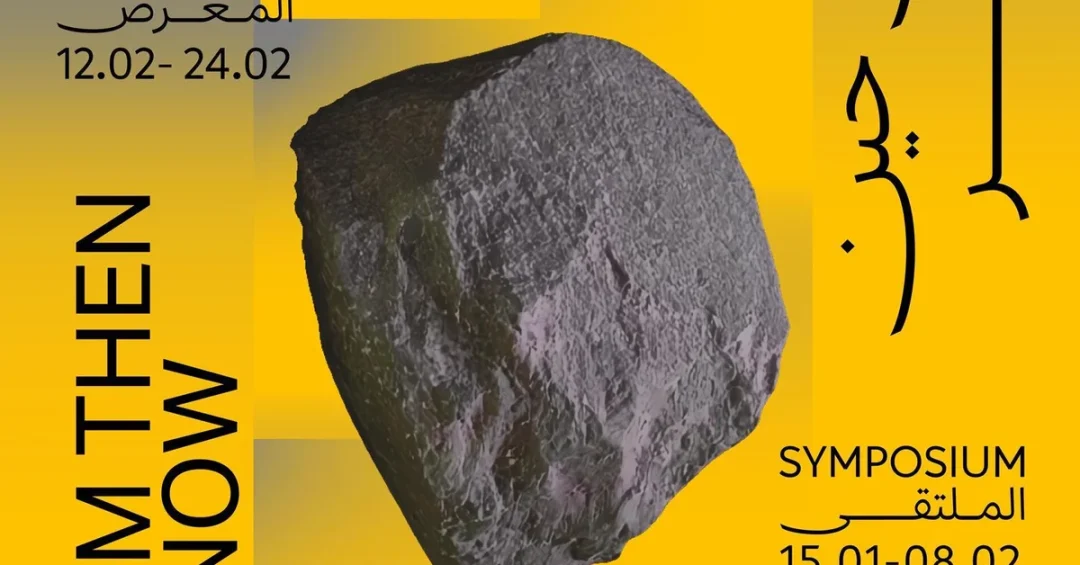
Riyadh Art has unveiled the lineup for the 6th Tuwaiq International Sculpture Symposium, selecting 30 artists from 23 countries to create public artworks from locally sourced stone at ROSHN Waterfront from January 15 to February 8, 2025. The announcement, released through the Saudi Press Agency, marks another milestone in the Kingdom’s expanding cultural calendar and underscores Riyadh’s ambition to become a global center for artistic expression. Under the theme “From Time to Time: The Pleasure of the Journey in Its Difficulties,” the symposium will transform the capital’s waterfront into an open-air creative laboratory, with a follow-up exhibition of the completed sculptures running from February 12 to 24, 2025. The event is a flagship initiative of the Riyadh Art Program, launched on March 19, 2019, which aims to install more than 1,000 public artworks across the city. For international observers, the symposium offers a clear signal of how Saudi Arabia is weaving culture into its broader modernization strategy. Is there a better way to measure a city’s cultural confidence than by watching it invite the world’s sculptors to carve its future in stone?
The selection process itself reflected the global appetite to participate in Saudi Arabia’s cultural transformation. More than 750 applications arrived from 80 countries during the registration period, according to the Saudi Press Agency. An independent committee of art and sculpture experts evaluated every submission before choosing the final 30 artists. The chosen participants will work with locally sourced stones, a decision that grounds the symposium in the geology and heritage of the Riyadh region while reducing the environmental footprint of transporting materials. The event will be curated by architect and artist Sebastián Betancur-Montoya and sculpture specialist Dr. Manal Al-Harbi, a pairing that combines international curatorial perspective with deep local expertise. Together they will guide a program that includes community partnerships, workshops, panel discussions, and other activities designed to integrate artistic practice into Riyadh’s daily life. How often does a capital city turn its waterfront into a shared studio for artists from five continents?
Context and Background
What does it take to turn a desert capital into a global cultural destination? For Saudi Arabia, the answer has involved sustained investment, international partnerships, and a clear strategic vision. The Riyadh Art Program was launched on March 19, 2019, as one of the Kingdom’s largest public art initiatives, with a mandate to install more than 1,000 artworks and transform Riyadh into a gallery without walls. The Tuwaiq International Sculpture Symposium has been a central pillar of that effort since its first edition, growing steadily in scale and international reach. Each edition invites sculptors to create works in public view, allowing residents and visitors to witness the creative process from rough stone to finished monument. That openness is deliberate: it demystifies contemporary art and invites broad community participation.
The symposium takes its name from the Tuwaiq escarpment, a geological formation that runs through central Saudi Arabia and has long shaped settlement, travel, and identity in the region. By linking the event to this landmark, organizers connect contemporary sculpture to the deep history of the Arabian Peninsula. The sixth edition’s theme, “From Time to Time: The Pleasure of the Journey in Its Difficulties,” extends that connection by reflecting on endurance, transformation, and the passage of time. Curator Sebastián Betancur-Montoya captured this spirit in his remarks, saying, “We celebrate the constant challenges faced by artists this year. These challenges are a major source of inspiration, allowing everyone to create a legacy that bridges the past, present, and future in innovative and humane ways.” The theme resonates in a city that is itself undergoing rapid change while preserving its heritage.
The choice of ROSHN Waterfront as the venue adds another layer of significance. ROSHN is a national real estate developer backed by the Public Investment Fund, and its waterfront project in Riyadh represents a new model of urban living that prioritizes green space, walkability, and community amenities. Hosting an international sculpture symposium there places art at the heart of new residential development, rather than treating it as an afterthought. Visitors to the symposium will see artists at work against the backdrop of a modernizing city, a juxtaposition that illustrates how Saudi Arabia is integrating culture into its urban planning. Could there be a more fitting stage for sculptures about time and transformation than a district still being built?
Key Details
The 6th Tuwaiq International Sculpture Symposium will run from January 15 to February 8, 2025, at ROSHN Waterfront in Riyadh. Thirty artists from 23 countries will participate, selected from a pool of more than 750 applicants representing 80 countries. The artists will create public art sculptures using locally sourced stones, a requirement that ties each work to the material landscape of Saudi Arabia. The completed pieces will then be displayed in a follow-up exhibition from February 12 to 24, 2025, giving the public an opportunity to view the finished works in a curated setting. The symposium is curated by architect and artist Sebastián Betancur-Montoya and sculpture specialist Dr. Manal Al-Harbi, whose combined expertise spans international contemporary practice and Saudi art scholarship.
Beyond the sculpting itself, the symposium functions as a platform for exchange. Organizers have planned community partnerships, workshops, panel discussions, and various activities that bring together artists, residents, students, and cultural professionals. These programs are designed to integrate artistic practices into Riyadh’s cultural landscape, ensuring that the symposium leaves behind not only sculptures but also skills, relationships, and ideas. The independent selection committee that evaluated the applications included art and sculpture experts, a process that organizers say ensures fairness and artistic quality. The diversity of participating countries—23 in total—reflects the symposium’s growing reputation as a genuinely international event. What better measure of a cultural initiative’s success than the number of nations eager to take part?
The use of locally sourced stone is a practical and symbolic choice. It reduces the logistical and environmental costs associated with importing materials, while giving each sculpture a tangible connection to the region’s geology. Artists will work with stone that carries the character of the Arabian Peninsula, shaping it according to their own visions. This approach echoes the symposium’s broader philosophy: global dialogue rooted in local context. For the artists, many of whom will be visiting Saudi Arabia for the first time, the experience offers direct exposure to the Kingdom’s landscapes, people, and creative communities. For Saudi audiences, it offers a chance to engage with international contemporary sculpture in their own city, free from the barriers that often surround elite art institutions.
International and Regional Impact
How does a sculpture symposium in Riyadh resonate beyond the Kingdom’s borders? The answer lies in the scale and seriousness of Saudi Arabia’s cultural investment. Events like the Tuwaiq International Sculpture Symposium position the Kingdom as a meeting point for global artistic talent, complementing high-profile initiatives such as the Diriyah Biennale, the Noor Riyadh light festival, and the upcoming Expo 2030. By attracting artists from 23 countries, the symposium builds people-to-people connections that outlast any single exhibition. It also signals to the international art world that Saudi Arabia is open for collaboration, not just consumption. For regional neighbors, the event reinforces Riyadh’s emergence as a cultural capital capable of hosting world-class programming.
The symposium’s emphasis on public art is particularly relevant in the Middle East, where rapid urbanization has often left little room for shared cultural spaces. By placing sculptures in accessible outdoor locations, the Riyadh Art Program ensures that art belongs to everyone, not only to gallery visitors. This approach aligns with global trends in urban planning that treat culture as essential infrastructure. International participants will return home with firsthand impressions of Saudi Arabia, contributing to a more nuanced global understanding of the Kingdom. Meanwhile, Saudi artists and students who engage with the symposium will gain exposure to diverse techniques and perspectives, enriching the local creative ecosystem. In a world where cultural exchange is often talked about but rarely practiced at scale, the symposium offers a concrete example of how it can work.
Economic and Strategic Significance
What does a sculpture symposium contribute to a national economy? On its own, the direct economic impact is modest, but its strategic value is substantial. Cultural events of this kind support Saudi Arabia’s efforts to diversify revenue streams, attract international visitors, and enhance quality of life for residents. They also complement the Kingdom’s tourism ambitions by giving travelers additional reasons to visit Riyadh and extend their stays. The follow-up exhibition in February 2025 will draw local and international audiences, generating activity for hotels, restaurants, and transport services. More broadly, the symposium strengthens Riyadh’s brand as a dynamic, creative city, which in turn supports investment and talent attraction.
The involvement of ROSHN, a Public Investment Fund-backed developer, highlights the intersection of real estate, culture, and national development strategy. By hosting the symposium at ROSHN Waterfront, the developer demonstrates how new communities can integrate art from the outset. This model can be replicated across other giga-projects and urban developments in the Kingdom. The use of locally sourced stone also supports local supply chains and craftsmanship, creating opportunities for Saudi businesses and artisans. Over time, the sculptures created during the symposium will become permanent fixtures in Riyadh’s public spaces, adding lasting value to the city’s cultural and physical infrastructure. Isn’t it remarkable how a single event can connect artists, developers, and policymakers in pursuit of a shared vision?
Vision 2030 Alignment
How does the Tuwaiq International Sculpture Symposium advance Saudi Vision 2030? The Vision, launched in 2016, aims to diversify the economy, strengthen national identity, and improve quality of life. Culture sits at the center of these goals, and the Riyadh Art Program is one of the flagship initiatives under the Quality of Life Program. By installing more than 1,000 public artworks and hosting international symposia, the program transforms Riyadh into a more vibrant, livable city while creating a platform for cultural exchange. The symposium’s theme of journeying through difficulty resonates with the broader national story of transformation and perseverance. Each sculpture becomes a marker of progress, visible to residents and visitors alike.
As Saudi Arabia prepares to host major global events, including Expo 2030 in Riyadh, cultural initiatives like this one build the soft infrastructure that world-class cities need. They train local talent, foster international networks, and demonstrate the Kingdom’s capacity to manage complex creative projects. The 30 artists from 23 countries who will gather at ROSHN Waterfront in January 2025 are not just making sculptures; they are helping to write the next chapter of Riyadh’s story. Their works will endure long after the symposium ends, reminding future generations of a moment when the city opened its arms to the world’s sculptors. In the end, the greatest legacy of the Tuwaiq International Sculpture Symposium may be the proof it offers that culture and development can advance together, stone by stone, toward a shared future.
20 Questions
Q1. What is the Tuwaiq International Sculpture Symposium?
A1. It is a flagship public art event organized by the Riyadh Art Program, where selected international sculptors create works from locally sourced stone in a public setting, fostering cultural exchange and enriching Riyadh’s urban landscape.
Q2. When and where will the 6th edition take place?
A2. The symposium will run from January 15 to February 8, 2025, at ROSHN Waterfront in Riyadh, with a follow-up exhibition of the completed sculptures from February 12 to 24, 2025.
Q3. How many artists and countries are participating?
A3. Thirty artists from 23 countries were selected to participate in the sixth edition, representing a diverse global mix of sculptural talent and creative traditions.
Q4. How many applications were received?
A4. More than 750 applications were submitted from 80 countries, reflecting strong international interest in the symposium and Saudi Arabia’s growing cultural appeal.
Q5. Who selected the participating artists?
A5. An independent committee of art and sculpture experts evaluated the submissions and selected the final 30 artists, ensuring a fair and rigorous process.
Q6. What is the theme of the 2025 symposium?
A6. The theme is “From Time to Time: The Pleasure of the Journey in Its Difficulties,” which explores endurance, transformation, and the passage of time through sculpture.
Q7. Who are the curators of the sixth edition?
A7. The symposium is curated by architect and artist Sebastián Betancur-Montoya and sculpture specialist Dr. Manal Al-Harbi, combining international and local expertise.
Q8. What materials will the artists use?
A8. Artists will create public art sculptures using locally sourced stones, connecting their works to the geology and heritage of the Riyadh region.
Q9. What is the Riyadh Art Program?
A9. Launched on March 19, 2019, the Riyadh Art Program is a major initiative to install more than 1,000 public artworks across the Saudi capital, transforming it into a gallery without walls.
Q10. What other activities are planned alongside the sculpting?
A10. The symposium includes community partnerships, workshops, panel discussions, and various activities designed to integrate artistic practice into Riyadh’s cultural landscape.
Q11. Why is ROSHN Waterfront significant as a venue?
A11. ROSHN Waterfront is a modern urban development by the Public Investment Fund-backed developer ROSHN, and hosting the symposium there places art at the heart of new community planning.
Q12. How does the symposium support cultural exchange?
A12. By bringing artists from 23 countries to work alongside Saudi and international peers, the event fosters dialogue, skills exchange, and mutual understanding through shared creative practice.
Q13. What happens to the sculptures after the symposium?
A13. The completed sculptures are exhibited from February 12 to 24, 2025, and then become part of Riyadh’s public art collection, enhancing the city’s cultural infrastructure.
Q14. How does the event align with Saudi Vision 2030?
A14. It supports the Vision’s Quality of Life Program by enriching cultural offerings, attracting visitors, and strengthening Riyadh’s position as a global cultural destination.
Q15. What economic benefits does the symposium bring?
A15. It boosts tourism, supports local businesses, creates opportunities for artisans, and reinforces Riyadh’s brand as a creative city, contributing to economic diversification.
Q16. How does the use of local stone benefit the environment?
A16. Using locally sourced stone reduces the carbon footprint associated with transporting materials over long distances, aligning with sustainability goals.
Q17. Who can attend the symposium and exhibition?
A17. The symposium and follow-up exhibition are open to the public, allowing residents and visitors to watch artists at work and view the finished sculptures.
Q18. What is the historical significance of the Tuwaiq name?
A18. Tuwaiq refers to the escarpment running through central Saudi Arabia, a geological and cultural landmark that has shaped settlement and identity in the region for centuries.
Q19. How does the symposium compare to previous editions?
A19. The sixth edition continues the event’s growth, with a strong international response of 750 applications from 80 countries and a diverse cohort of 30 artists from 23 nations.
Q20. What is the long-term vision for Riyadh Art?
A20. Riyadh Art aims to install more than 1,000 public artworks, making art accessible citywide and establishing Riyadh as a leading global capital for public and contemporary art.
Reader Feedback
We value your thoughts. Please share your feedback on this article.
Your feedback helps us improve our coverage.