


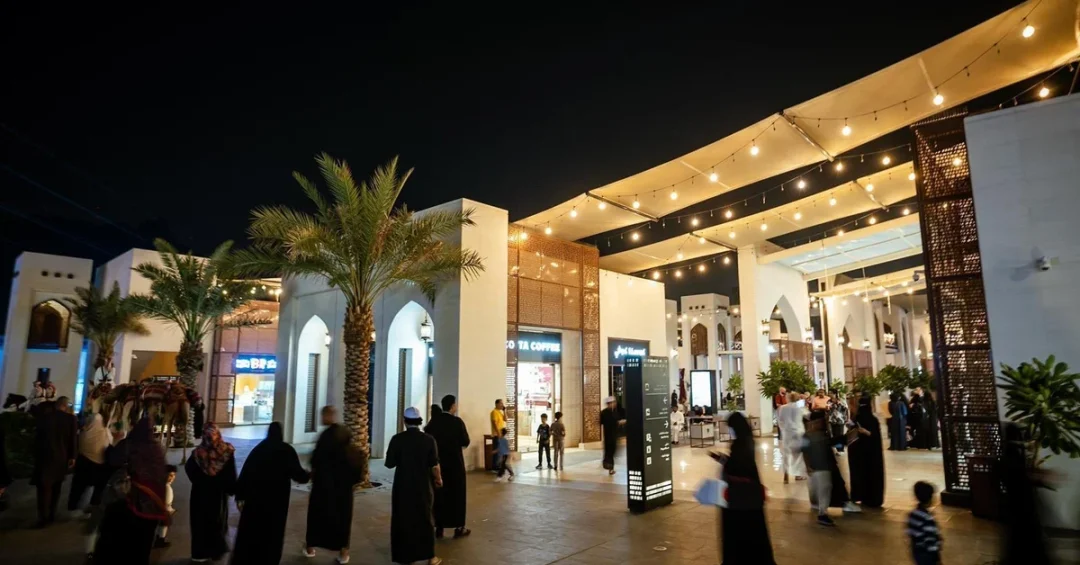
The Hira Cultural District in Makkah has emerged as a leading winter destination for residents and international visitors, combining history, knowledge, and modern tourism services in a single landmark setting, according to the Saudi Press Agency. As winter settles over the holy city, the district — developed under official Saudi stewardship — offers a multifaceted experience anchored by the Revelation Exhibition, a cultural library, the Saudi Coffee Museum, and a paved pathway to the Cave of Hira. Have you ever wondered how a single destination can bring together spiritual heritage, family leisure, and world-class hospitality? The district answers that question for visitors from within the Kingdom and from around the world.
The Hira Cultural District is presented through official Saudi channels as a destination designed to cater to diverse audiences, blending educational exhibits with commercial and recreational spaces. Its winter programming arrives as Makkah welcomes a growing number of pilgrims and tourists, many of whom now extend their stays to explore the city’s cultural depth beyond the rituals of pilgrimage. For international readers, the district represents a clear example of how Saudi Arabia is broadening the visitor experience while preserving the reverence of the holy city.
Context and Background
Why does the Hira Cultural District matter so much at this particular moment in Saudi Arabia’s tourism story? The answer lies in the Kingdom’s long-term effort to deepen the cultural dimensions of the Makkah experience. For generations, Makkah has been known worldwide as the destination of pilgrimage, welcoming millions of worshippers each year. In recent years, official Saudi planning has placed greater emphasis on cultural and educational attractions that allow visitors to engage with Islamic history in immersive, well-organized settings.
The district takes its identity from Hira Mountain, one of the most historically significant sites in Islamic tradition. The mountain and its cave are closely associated with the earliest moments of revelation, and the district is built to narrate that story with care and clarity. According to information released via official Saudi channels, the district combines history, knowledge, and tourism with a range of services designed to serve both domestic and international audiences.
Winter is a particularly favorable season in Makkah, with milder temperatures that make outdoor exploration more comfortable for families, students, and older visitors. This seasonal advantage helps explain why the district has become a hub for residents and visitors seeking cultural and recreational experiences during the cooler months. The timing also aligns with broader Saudi efforts to present Makkah as a year-round destination for cultural tourism, not only a seasonal pilgrimage center.
A Journey Through the Revelation Exhibition
What makes the Revelation Exhibition the heart of the Hira Cultural District? The exhibition vividly narrates the story of divine revelations to the prophets, with a dedicated section focused on the life of Prophet Muhammad and the significance of Hira Mountain. Using cutting-edge audiovisual technology, it immerses visitors in an enriching journey through Islamic history, presenting events and teachings in a format that is accessible to a wide range of audiences.
The use of modern presentation tools is deliberate. Rather than relying only on static displays, the exhibition employs sound, imagery, and carefully designed spaces to help visitors understand the historical and spiritual context of the site. This approach reflects a broader trend in Saudi cultural projects, where technology is used to serve education and heritage preservation rather than replace them. Families, school groups, and international tourists can all follow the narrative at their own pace.
The exhibition’s location within the district means visitors can move naturally from one experience to another. After exploring the Revelation Exhibition, guests may continue to the cultural library or step outside to view Hira Mountain itself. This integrated layout encourages longer visits and repeat trips, strengthening the district’s role as a cultural anchor in Makkah. It also supports the Kingdom’s goal of offering visitors a deeper, more meaningful stay.
Knowledge, Leisure, and the Saudi Coffee Museum
How does the district serve visitors who come for learning, relaxation, or both? The cultural library offers a treasure trove of information on the history of Makkah and Madinah, the biography of the Prophet, and the legacy of Hira Mountain and its surrounding areas. Visitors can explore this knowledge through books, scientific references, and interactive displays, making the library a valuable resource for researchers, students, and curious travelers alike.
Beyond its historical and educational appeal, the Hira Cultural District constitutes a vibrant destination for leisure and commerce. Restaurants and cafes serve a mix of local dishes inspired by Makkah’s heritage alongside international cuisine, while shops offer unique gifts and souvenirs reflecting the district’s identity. This balance between learning and leisure is central to the visitor experience, allowing families to spend a full day in the district without needing to leave for meals or shopping.
The Saudi Coffee Museum adds a distinctive flavor to the experience. Here, guests can savor traditional Saudi coffee while learning about its regional variations, tools, and preparation methods. Saudi coffee is a symbol of hospitality deeply rooted in the Kingdom’s culture, and the museum presents it as both a daily tradition and a living heritage. For international visitors, this offers an accessible and enjoyable introduction to an important aspect of Saudi social life.
Adventure, Access, and Visitor Services
For those seeking adventure, the district provides access to the Cave of Hira via a specially paved pathway, allowing visitors to connect with the site’s spiritual and historical significance. The pathway is designed to make the ascent safer and more manageable, while preserving the natural and reverent character of the mountain. This combination of accessibility and respect for the site’s status is a hallmark of the district’s planning.
A visitor center ensures that guests are well-informed about the district’s features, services, and cultural offerings. Staff can guide visitors on routes, timings, and the most suitable experiences for different age groups. This level of organization helps international guests navigate the district confidently, even if they are visiting Makkah for the first time and are unfamiliar with the local layout.
The district also benefits from its location within Makkah, making it convenient for pilgrims who wish to add a cultural dimension to their journey. Whether a visitor has a few hours or a full day, the range of options — exhibition, library, museum, dining, shopping, and the mountain pathway — allows for a flexible and personalized itinerary. This flexibility is one reason the district has become a notable winter attraction.
International and Regional Impact
What does the success of the Hira Cultural District signal to the wider region and the world? For international audiences, it demonstrates Saudi Arabia’s commitment to preserving and presenting Islamic heritage with professionalism and modern standards. Visitors from Asia, Europe, Africa, and the Americas can engage with the story of revelation in a structured, respectful environment, gaining a deeper understanding of the faith and history that shape the holy city.
Regionally, the district contributes to the diversification of tourism offerings across the Kingdom. Makkah has long been a destination of immense spiritual importance, and cultural attractions such as this complement that role by giving visitors additional reasons to extend their stays. The district also supports the local economy through hospitality, retail, and services, creating opportunities for residents and businesses in the area.
From a diplomatic and soft-power perspective, the district reflects Saudi Arabia’s broader outreach to the world. By welcoming international visitors and presenting heritage in an accessible manner, the Kingdom strengthens cross-cultural understanding. Official Saudi channels present the district as part of a wider effort to share the Kingdom’s cultural riches with global audiences in a spirit of openness and hospitality.
Economic and Strategic Significance
Why is a cultural district also an economic story? The Hira Cultural District generates activity across multiple sectors, including tourism, food and beverage, retail, and cultural services. Restaurants, cafes, and shops employ local staff and support small businesses, while the exhibition and library require specialized skills in curation, technology, and education. This creates a diversified economic footprint that extends beyond traditional pilgrimage services.
Strategically, the district helps position Makkah as a destination where spiritual and cultural tourism reinforce one another. Visitors who come for pilgrimage may return for cultural exploration, and cultural visitors may deepen their connection to the city. This dual appeal supports the Kingdom’s aim of increasing visitor numbers and extending average lengths of stay, which in turn benefits airlines, hotels, and transport providers across the region.
The district also serves as a model for how heritage sites can be developed responsibly. By using audiovisual technology, interactive displays, and well-organized visitor services, the project shows that modernization and reverence can coexist. Other Saudi cultural initiatives can look to this example as they plan their own developments, contributing to a coherent national approach to heritage tourism.
Vision 2030 Alignment
How does the Hira Cultural District connect to Saudi Vision 2030? The Vision, launched under the leadership of Crown Prince Mohammed bin Salman, seeks to diversify the Kingdom’s economy, enrich the quality of life for citizens and visitors, and showcase Saudi Arabia’s cultural and historical depth to the world. The district advances all three goals by creating a high-quality cultural destination, supporting local enterprise, and presenting Makkah’s heritage in a globally accessible way.
Through initiatives like this, Saudi Arabia is demonstrating that its tourism ambitions are rooted in authenticity. The district celebrates the essence of Makkah while offering modern comfort and educational value. As winter brings cooler weather and more visitors to the holy city, the Hira Cultural District stands ready to welcome them — a living example of how the Kingdom is preserving its past while building its future, and inviting the world to be part of that journey.
20 Questions
Q1. What is the Hira Cultural District?
A1. The Hira Cultural District is a landmark destination in Makkah that combines history, knowledge, and tourism. It includes the Revelation Exhibition, a cultural library, the Saudi Coffee Museum, restaurants, shops, and a paved pathway to the Cave of Hira, serving visitors from Saudi Arabia and abroad.
Q2. Where is the Hira Cultural District located?
A2. It is located in Makkah, Saudi Arabia, near Hira Mountain. Its position within the holy city makes it convenient for pilgrims and tourists who wish to add a cultural dimension to their visit to Makkah.
Q3. What is the Revelation Exhibition?
A3. The Revelation Exhibition is the heart of the district. It narrates the story of divine revelations to the prophets, with a dedicated section on the life of Prophet Muhammad and the significance of Hira Mountain, using cutting-edge audiovisual technology.
Q4. Why is Hira Mountain significant?
A4. Hira Mountain is historically significant in Islamic tradition, closely associated with the earliest moments of revelation. The district is built to narrate that story with care, and visitors can reach the Cave of Hira via a specially paved pathway.
Q5. What can visitors find in the cultural library?
A5. The library offers information on the history of Makkah and Madinah, the biography of the Prophet, and the legacy of Hira Mountain and its surroundings. Visitors can explore books, scientific references, and interactive displays.
Q6. What is the Saudi Coffee Museum?
A6. The Saudi Coffee Museum lets guests savor traditional Saudi coffee while learning about its regional variations, tools, and preparation methods. It presents Saudi coffee as both a daily tradition and a living heritage of the Kingdom.
Q7. Is the district suitable for families?
A7. Yes. The district offers a mix of educational exhibits, restaurants, cafes, and shops, making it suitable for families. The milder winter weather in Makkah also makes outdoor exploration more comfortable for visitors of different ages.
Q8. Can visitors reach the Cave of Hira easily?
A8. The district provides access to the Cave of Hira via a specially paved pathway. This is designed to make the ascent safer and more manageable while preserving the natural and reverent character of the mountain.
Q9. What dining options are available?
A9. Restaurants and cafes in the district serve a mix of local dishes inspired by Makkah’s heritage alongside international cuisine. This allows visitors to enjoy familiar and traditional flavors during their visit.
Q10. What shopping is available at the district?
A10. Shops in the district offer unique gifts and souvenirs reflecting the district’s identity. Visitors can find items that celebrate Makkah’s heritage and take home meaningful mementos of their cultural journey.
Q11. What is the role of the visitor center?
A11. The visitor center ensures guests are well-informed about the district’s features, services, and cultural offerings. Staff can guide visitors on routes, timings, and suitable experiences for different age groups, helping international guests navigate confidently.
Q12. Why is winter a good time to visit?
A12. Winter brings milder temperatures to Makkah, making outdoor exploration more comfortable. This seasonal advantage helps explain why the district has become a hub for residents and visitors seeking cultural and recreational experiences during the cooler months.
Q13. How does the district support the local economy?
A13. The district generates activity in tourism, food and beverage, retail, and cultural services. Restaurants, cafes, and shops employ local staff and support small businesses, creating a diversified economic footprint beyond traditional pilgrimage services.
Q14. How does the district use technology?
A14. The Revelation Exhibition uses cutting-edge audiovisual technology to immerse visitors in Islamic history. The library also features interactive displays. This approach uses technology to serve education and heritage preservation rather than replace them.
Q15. Is the district open to international visitors?
A15. Yes. The district is designed to cater to diverse audiences from within Saudi Arabia and abroad. International visitors can engage with the story of revelation in a structured, respectful environment that deepens understanding of Islamic history.
Q16. How does the district relate to Saudi Vision 2030?
A16. The district supports Vision 2030 by diversifying the economy, enriching quality of life, and showcasing Saudi heritage globally. It creates a high-quality cultural destination, supports local enterprise, and presents Makkah’s heritage in an accessible way.
Q17. What makes the district unique in Makkah?
A17. The district combines spiritual heritage, education, leisure, and commerce in one location. Its integrated layout lets visitors move from the Revelation Exhibition to the library, museum, dining, and mountain pathway, encouraging longer and repeat visits.
Q18. Are there educational opportunities for students?
A18. Yes. The cultural library and interactive displays provide valuable resources for students and researchers. School groups can explore the history of Makkah and Madinah, the biography of the Prophet, and the legacy of Hira Mountain.
Q19. How does the district preserve heritage?
A19. The district preserves heritage by narrating Islamic history accurately, protecting the Cave of Hira pathway, and presenting Saudi coffee traditions. It shows that modernization and reverence can coexist, serving as a model for responsible heritage development.
Q20. What is the main message of the district this winter?
A20. The district invites everyone to explore its multifaceted attractions, which blend history, culture, and modern tourism in a setting that celebrates the essence of Makkah. It reflects Saudi Arabia’s commitment to sharing its heritage with the world.
Reader Feedback
We value your thoughts. Please share your feedback on this article.
Your feedback helps us improve our coverage.