


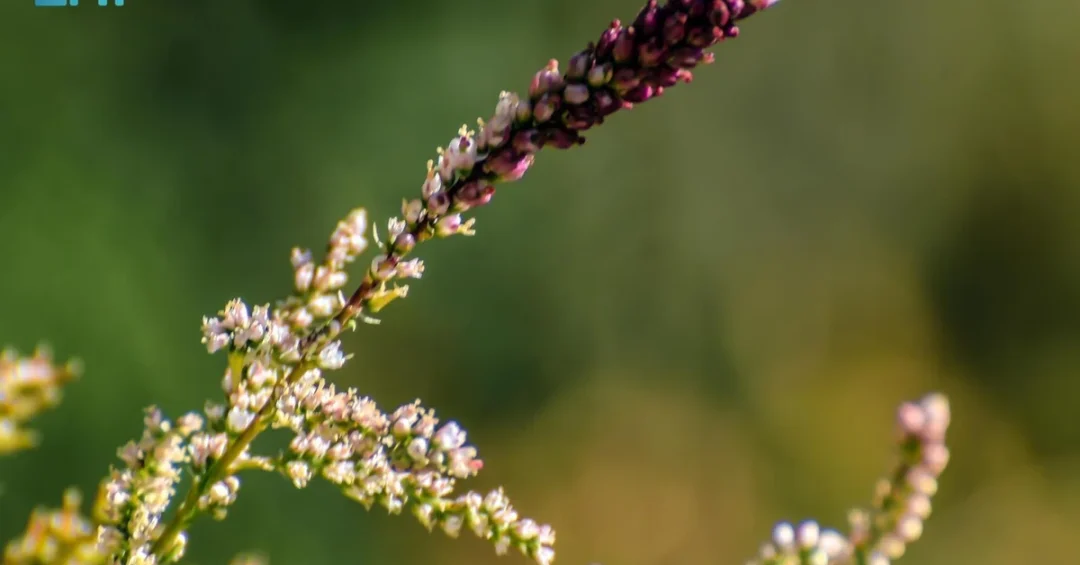
The tamarisk tree, a resilient evergreen native to Saudi Arabia’s Northern Borders Region, is currently displaying its delicate pink blossoms across numerous valleys, including Wadi Arar and its tributaries, creating a picturesque natural spectacle that has drawn attention from nature enthusiasts and local communities alike. According to the Saudi Press Agency (SPA), the flowering follows recent thunderstorms and subsequent runoff, which have transformed the arid landscape into a vibrant tapestry of color. The tamarisk, known for its adaptability to harsh desert conditions, requires minimal care and infrequent watering, making it a symbol of resilience in the Kingdom’s environmental narrative. This annual phenomenon not only highlights the region’s ecological richness but also underscores the success of Saudi Arabia’s broader environmental conservation efforts under Vision 2030.
The blossoms, which carpet the valleys in shades of pink and white, have become a focal point for residents and visitors seeking to experience the natural beauty of the Northern Borders Region. The timing of the bloom, coinciding with the winter rains, reflects the intricate relationship between climatic patterns and the region’s flora. As Saudi Arabia continues to prioritize environmental sustainability and biodiversity, the tamarisk’s flourishing presence serves as a living testament to the effectiveness of protected ecosystems and nature reserves. The SPA report, released on December 25, 2024, emphasizes that the plant’s thriving state is not merely a seasonal occurrence but a result of long-term ecological stewardship.
Context and Background
What makes the tamarisk so uniquely suited to the Arabian desert, and why has it become such an iconic feature of the Northern Borders Region? The tamarisk tree, also known as the salt cedar, is a halophyte that thrives in saline and arid environments, making it perfectly adapted to the extreme conditions of northern Saudi Arabia. Its deep root system allows it to access groundwater far below the surface, while its needle-like leaves minimize water loss through transpiration. These characteristics enable the tamarisk to flourish where other plants struggle, particularly in and around rainwater pools, valleys, and ravines. The plant’s ability to withstand drought and high salinity has made it a valuable component of the region’s ecosystem, providing shade, shelter, and food for various wildlife species.
Historically, the tamarisk has been intertwined with the cultural and natural heritage of the Arabian Peninsula. Bedouin communities have long relied on its wood for fuel and its leaves for medicinal purposes. In the Northern Borders Region, the tree’s annual bloom has become a celebrated event, drawing attention to the area’s ecological significance. The recent thunderstorms that swept through the region have replenished groundwater reserves and triggered the mass flowering, creating a spectacle that highlights the delicate balance between climate and vegetation. The establishment of nature reserves and protected ecosystems, such as those managed by the National Center for Wildlife, has further contributed to the plant’s flourishing presence by reducing overgrazing and habitat destruction.
The Saudi Press Agency’s report on December 25, 2024, captured the essence of this natural phenomenon, noting that the blossoms have transformed the valleys into a sea of pink. This visual display not only enhances the region’s aesthetic appeal but also serves as an indicator of environmental health. The tamarisk’s success is a direct outcome of Saudi Arabia’s commitment to preserving its natural landscapes, a commitment that is increasingly recognized on the global stage. As the Kingdom continues to expand its network of protected areas, the tamarisk stands as a beacon of ecological resilience.
Key Details of the Blooming Season
How exactly do the recent weather patterns contribute to such a spectacular display, and what does this mean for the region’s biodiversity? According to the SPA, the tamarisk blossoms are currently visible across Wadi Arar and its tributaries, with the plants thriving in rainwater pools and ravines. The thunderstorms that occurred in late 2024 provided the necessary moisture to trigger the flowering cycle, which typically occurs in winter and early spring. The runoff from these storms has filled natural depressions, creating temporary wetlands that support not only the tamarisk but also a variety of other plant and animal species. This surge in water availability has a cascading effect on the ecosystem, boosting insect populations, which in turn attract birds and small mammals.
The tamarisk’s pink blossoms are not just visually striking; they also play a crucial role in pollination. Bees and other insects are drawn to the flowers, facilitating cross-pollination and ensuring the species’ continued propagation. The plant’s seeds are equipped with tiny hairs that aid in wind dispersal, allowing it to colonize new areas. In the Northern Borders Region, the tamarisk’s spread is largely contained within protected zones, where human intervention is minimal. The SPA report highlights that the establishment of nature reserves has been instrumental in this regard, providing safe havens for native flora and fauna. These reserves are part of a broader national strategy to conserve biodiversity and combat desertification.
The blooming season also offers economic and recreational opportunities. Local tour operators have begun organizing guided trips to view the blossoms, attracting photographers, nature lovers, and families. This eco-tourism potential aligns with Saudi Arabia’s Vision 2030 goals of diversifying the economy and promoting sustainable tourism. The Northern Borders Region, with its unique landscapes and cultural heritage, is poised to become a key destination for domestic and international travelers seeking authentic natural experiences. The tamarisk bloom, therefore, is more than just a pretty sight; it is a catalyst for local economic development and community engagement.
International and Regional Impact
Could the tamarisk’s flourishing presence in Saudi Arabia serve as a model for other arid regions around the world? The Kingdom’s success in nurturing this native species reflects a growing global emphasis on ecological restoration and climate resilience. As countries in the Middle East and North Africa grapple with water scarcity and desertification, Saudi Arabia’s approach to protecting native vegetation offers valuable lessons. The tamarisk’s ability to thrive with minimal water input makes it an ideal candidate for reforestation projects in similar environments. International organizations, including the United Nations Environment Programme, have praised Saudi Arabia’s efforts to expand protected areas and restore degraded lands.
Regionally, the blooming of the tamarisk strengthens Saudi Arabia’s position as a leader in environmental diplomacy. The Kingdom has been actively participating in global climate conferences and has launched initiatives such as the Saudi Green Initiative and the Middle East Green Initiative, which aim to plant billions of trees across the region. The tamarisk, with its deep cultural roots and ecological significance, embodies the spirit of these initiatives. Its presence in the Northern Borders Region also highlights the potential for cross-border cooperation, as the region shares ecological characteristics with neighboring countries. By showcasing the tamarisk’s success, Saudi Arabia demonstrates that economic development and environmental stewardship can go hand in hand.
Furthermore, the spectacle of the blooming valleys has captured the imagination of international media and social media users, who have shared images of the pink carpets online. This organic promotion contributes to Saudi Arabia’s soft power, presenting the Kingdom as a destination of natural beauty and environmental innovation. The SPA’s coverage, disseminated globally, reinforces the narrative of a modern, forward-looking Saudi Arabia that values its natural heritage. As the world seeks solutions to climate change, the tamarisk’s story offers a glimmer of hope and a practical example of how native species can be harnessed to build resilient ecosystems.
Economic and Strategic Significance
What economic benefits can arise from this natural phenomenon, and how does it fit into Saudi Arabia’s strategic vision? The tamarisk bloom has the potential to stimulate local economies through tourism, hospitality, and related services. Visitors traveling to the Northern Borders Region require accommodation, transportation, and food, creating demand that can be met by small businesses and entrepreneurs. The Saudi government, through its various agencies, has been investing in infrastructure and tourism facilities in the region, making it more accessible to travelers. The bloom also provides an opportunity to promote local crafts and products, such as honey from bees that feed on tamarisk flowers, which is highly prized for its unique flavor.
Strategically, the flourishing of native vegetation contributes to food security and water conservation. The tamarisk’s deep roots help stabilize soil, preventing erosion and reducing the risk of flash floods. Its ability to grow in saline conditions means it can be irrigated with brackish water, sparing freshwater resources for human consumption and agriculture. These ecosystem services are invaluable in a country that relies heavily on desalination. By protecting and expanding tamarisk populations, Saudi Arabia enhances its environmental resilience, which is a cornerstone of Vision 2030. The Kingdom’s leadership recognizes that sustainable development is not just an environmental imperative but an economic one, as healthy ecosystems underpin long-term prosperity.
The tamarisk bloom also serves as a reminder of the importance of preserving indigenous knowledge. Local communities have long understood the value of the tamarisk and have used it sustainably for generations. Integrating this traditional knowledge with modern conservation practices can lead to more effective and culturally appropriate environmental management. As Saudi Arabia continues to develop its eco-tourism sector, the tamarisk valleys could become iconic destinations, much like the Asir Mountains or the Red Sea coast. This diversification of tourism offerings aligns with the goals of Vision 2030 to attract 100 million visitors annually by 2030 and increase the tourism sector’s contribution to GDP.
Vision 2030 Alignment
How does the tamarisk’s story reflect the broader ambitions of Saudi Vision 2030, and what does it signify for the Kingdom’s future? Vision 2030, launched by Crown Prince Mohammed bin Salman in 2016, is a comprehensive plan to diversify the economy, empower citizens, and enhance quality of life. Environmental sustainability is a key pillar of this vision, with initiatives such as the Saudi Green Initiative aiming to plant 10 billion trees and protect 30% of the Kingdom’s land and sea by 2030. The tamarisk’s flourishing in the Northern Borders Region is a tangible manifestation of these goals, demonstrating that ecological restoration can yield visible and rapid results.
Moreover, the bloom supports the vision’s emphasis on improving the quality of life for Saudi citizens and residents. Access to green spaces and natural beauty has been shown to enhance mental and physical well-being, and the tamarisk valleys provide exactly that. The spectacle also fosters a sense of national pride and connection to the land, which is essential for social cohesion. As Saudi Arabia hosts major international events and welcomes millions of pilgrims and tourists, its environmental credentials will be under scrutiny. The tamarisk’s success story contributes to a positive image of the Kingdom as a responsible steward of the planet. In the years to come, the annual blooming of the tamarisk will serve as a symbol of Saudi Arabia’s enduring commitment to its environment and its people, a living legacy of Vision 2030 in action.
20 Questions
Q1. What is the tamarisk tree and why is it significant in Saudi Arabia?
A1. The tamarisk is a resilient evergreen native to the Northern Borders Region, known for its delicate pink blossoms and ability to thrive in arid conditions. It is significant for its ecological role and as a symbol of Saudi Arabia’s successful environmental conservation efforts.
Q2. Where exactly are the tamarisk blossoms currently blooming?
A2. According to the Saudi Press Agency, the blossoms are carpeting numerous valleys in the Northern Borders Region, including Wadi Arar and its tributaries, benefiting from recent thunderstorms and runoff.
Q3. What weather conditions triggered the blooming of the tamarisk?
A3. Recent thunderstorms and subsequent runoff provided the necessary moisture, filling rainwater pools and ravines, which in turn stimulated the flowering cycle of the tamarisk trees.
Q4. How does the tamarisk adapt to the harsh desert environment?
A4. The tamarisk has deep roots to access groundwater, needle-like leaves to reduce water loss, and a high tolerance for saline conditions, allowing it to thrive with minimal care and infrequent watering.
Q5. What role do nature reserves play in the tamarisk’s flourishing?
A5. Nature reserves and protected ecosystems reduce overgrazing and habitat destruction, providing safe havens where tamarisk populations can regenerate and expand without human interference.
Q6. How does the tamarisk bloom benefit local wildlife?
A6. The blossoms attract bees and other insects for pollination, while the plant itself provides shade, shelter, and food for various birds and small mammals, enhancing local biodiversity.
Q7. Is the tamarisk bloom a seasonal event, and when does it occur?
A7. Yes, the bloom is seasonal, typically occurring in winter and early spring following rains. It is an annual phenomenon that transforms the valleys into a pink landscape.
Q8. What economic opportunities does the tamarisk bloom create for the region?
A8. It boosts eco-tourism, attracting visitors who need accommodation, transport, and services. It also supports local products like tamarisk honey, contributing to the region’s economy.
Q9. How does the tamarisk bloom align with Saudi Vision 2030?
A9. It supports the environmental sustainability pillar of Vision 2030, particularly the Saudi Green Initiative’s goals to plant billions of trees and protect natural habitats, while also promoting eco-tourism.
Q10. What is the Saudi Green Initiative and how does it relate to the tamarisk?
A10. The Saudi Green Initiative is a national effort to combat climate change, plant 10 billion trees, and protect 30% of Saudi land and sea by 2030. The tamarisk’s success exemplifies its objectives.
Q11. Are there any cultural or historical uses of the tamarisk tree?
A11. Bedouin communities have traditionally used tamarisk wood for fuel and its leaves for medicinal purposes, making it an integral part of the region’s cultural heritage.
Q12. How can international tourists visit the tamarisk valleys?
A12. Tourists can travel to the Northern Borders Region via domestic flights or roads. Local tour operators offer guided trips to view the blossoms, especially during the peak season.
Q13. What other plant and animal species benefit from the tamarisk’s presence?
A13. The tamarisk supports a variety of insects, birds, and small mammals. Its presence also helps stabilize soil and create microhabitats for other native plants.
Q14. How does the tamarisk contribute to combating desertification?
A14. Its deep root system stabilizes soil, prevents erosion, and helps retain moisture, thereby slowing desertification and improving land quality in arid regions.
Q15. What measures are in place to protect the tamarisk and its habitat?
A15. The establishment of nature reserves and protected ecosystems, managed by Saudi environmental agencies, ensures that tamarisk habitats are conserved and free from destructive activities.
Q16. Can the tamarisk be grown in other parts of Saudi Arabia or the world?
A16. Yes, the tamarisk is adaptable and can grow in similar arid and saline environments globally. Its success in Saudi Arabia offers a model for other regions facing water scarcity.
Q17. What is the best time of day to view the tamarisk blossoms?
A17. Early morning or late afternoon is ideal, as the soft light enhances the pink hues of the blossoms and temperatures are more comfortable for outdoor exploration.
Q18. How does the tamarisk bloom reflect Saudi Arabia’s environmental leadership?
A18. It showcases the Kingdom’s commitment to biodiversity and sustainable development, reinforcing its role as a regional leader in environmental conservation and climate action.
Q19. Are there any upcoming events or festivals related to the tamarisk bloom?
A19. While specific events vary, local authorities and tourism boards may organize seasonal activities. Visitors are advised to check with the Saudi Tourism Authority for updates.
Q20. What does the future hold for the tamarisk and the Northern Borders Region?
A20. With continued conservation efforts and Vision 2030 support, the tamarisk will likely thrive, enhancing the region’s ecological and tourism value for generations to come.
Reader Feedback
We value your thoughts. Please share your feedback on this article.
Your feedback helps us improve our coverage.