


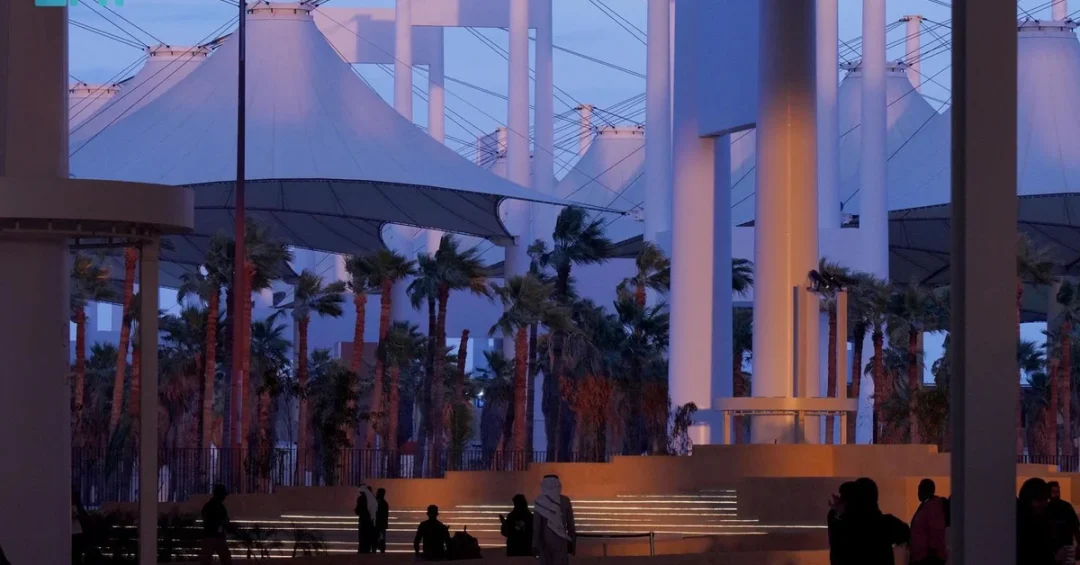
The Diriyah Biennale Foundation has confirmed that the second edition of the Islamic Arts Biennale will open on January 25, 2025, at the Western Hajj Terminal of King Abdulaziz International Airport in Jeddah, inviting the world to experience a landmark celebration of Islamic civilization and contemporary creativity. Announced through official Saudi channels, the event builds on the success of the inaugural edition and reaffirms the Kingdom of Saudi Arabia’s commitment to cultural exchange, artistic innovation, and the preservation of Islamic heritage. The biennale promises a captivating blend of timeless treasures and new commissions, offering visitors a journey through the artistic legacy of Islam that engages the senses, the intellect, and the imagination. As Saudi Arabia continues to expand its cultural footprint, the Islamic Arts Biennale stands as a testament to the nation’s vision of becoming a global hub for arts and dialogue.
Have you ever considered how a single exhibition can bridge centuries of history and the most daring contemporary ideas? The Islamic Arts Biennale does exactly that. Featuring the contributions of more than 30 artists from Saudi Arabia and around the world, the event will transform the iconic Hajj Terminal into a living gallery where historical artifacts and new commissions converse across time. The biennale is organized by the Diriyah Biennale Foundation, a cultural institution dedicated to fostering artistic excellence and international collaboration. Under the theme ‘And all that is in between’, the exhibition transcends simplistic notions and cultural dialogues to foster collective understanding, imagination, and interpretation. This edition is poised to become a defining moment for Islamic art on the global stage.
Context and Background
How did the Islamic Arts Biennale emerge as a pivotal platform for cultural exchange? The Diriyah Biennale Foundation launched the first edition to widespread acclaim, establishing a new model for presenting Islamic art that honors tradition while embracing contemporary expression. The second edition, scheduled for January 2025, builds on that foundation with an expanded program and a distinguished curatorial team. Saudi artist Muhannad Shono leads the curation of contemporary art, supported by associate curators Joanna Chevalier and Amina Diab. Together with artistic directors Julian Raby, Amin Jaffer, and Abdul Rahman Azzam, they have tasked participating artists with creating new pieces that complement historical Islamic artifacts. The result is a dynamic dialogue between past and present, designed to resonate with diverse audiences.
The choice of the Western Hajj Terminal is deeply symbolic. This architectural masterpiece, designed by the renowned firm Skidmore, Owings & Merrill, has served as a gateway for millions of pilgrims. By hosting the biennale within its vast canopy, the event connects the spiritual journey of Hajj with the universal language of art. The terminal’s 100,000 square meters of dedicated exhibition space will accommodate five indoor exhibition halls and numerous outdoor areas, allowing visitors to move seamlessly between intimate encounters and monumental installations. The biennale thus transforms a site of pilgrimage into a site of cultural pilgrimage, inviting reflection on the intersections of faith, history, and creativity.
Key Details
What can visitors expect to see and experience at this edition? The biennale will unfold across seven distinct sections: AlBidaya (the beginning), AlMadar (the orbit), AlMuqtani (homage), AlMathala (the canopy), Makkah al-Mukarramah, Al-Madinah al-Munawwarah, and AlMusalla (the prayer hall). Each section offers a unique lens on Islamic art and culture. AlBidaya introduces the overarching themes, while AlMadar explores circular movement and interconnectedness. AlMuqtani pays homage to collectors and patrons, and AlMathala highlights the canopy as both architectural feature and metaphor. The sections dedicated to Makkah al-Mukarramah and Al-Madinah al-Munawwarah honor the two holiest cities of Islam, and AlMusalla provides a space for contemplation and prayer. This curatorial framework ensures a coherent yet multifaceted journey.
The artworks themselves are remarkably diverse. Many artists have found inspiration in timeless elements such as space, time, and light, seeking to captivate visitors with immersive experiences. The new pieces will be showcased alongside historical artifacts, including religious relics, maps, and jewelry, creating a rich tapestry of cultural heritage. The works are also inspired by the concept of the garden in Islamic civilization, blending nature and traditional design while tackling contemporary environmental and social issues. This thematic thread underscores the relevance of Islamic art to today’s global conversations about sustainability and community. By juxtaposing ancient objects with contemporary commissions, the biennale invites viewers to consider how the past informs the present and shapes the future.
International and Regional Impact
Why does this biennale matter beyond the borders of Saudi Arabia? The Islamic Arts Biennale positions the Kingdom as a global leader in cultural diplomacy, attracting artists, scholars, and visitors from around the world. It fosters cross-cultural dialogue and mutual understanding, values that are essential in today’s interconnected world. The participation of over 30 international artists ensures a plurality of voices and perspectives, enriching the exhibition and challenging conventional narratives about Islamic art. Moreover, the biennale serves as a platform for Saudi artists to engage with their international peers, showcasing the Kingdom’s vibrant creative scene. This exchange not only elevates Saudi talent but also strengthens cultural ties across regions and continents.
Regionally, the event reinforces Saudi Arabia’s role as a custodian of Islamic heritage and a catalyst for contemporary cultural expression. By hosting the biennale in Jeddah, a historic gateway for pilgrims and traders, the Kingdom highlights the city’s cosmopolitan history and its modern dynamism. The exhibition also complements other cultural initiatives, such as the Diriyah Contemporary Art Biennale and the Noor Riyadh light festival, creating a year-round calendar of world-class events. These efforts collectively enhance the Kingdom’s soft power and attract cultural tourism, aligning with the goals of Saudi Vision 2030 to diversify the economy and promote international engagement.
Economic and Strategic Significance
How does the biennale contribute to Saudi Arabia’s economic and strategic objectives? Cultural events of this magnitude generate significant economic benefits, from increased tourism and hospitality spending to job creation in the creative sector. The Islamic Arts Biennale is expected to draw thousands of visitors, including international art enthusiasts, scholars, and dignitaries, boosting local businesses and showcasing Jeddah’s infrastructure. It also stimulates the growth of Saudi Arabia’s creative industries, which are a key pillar of Vision 2030. By investing in arts and culture, the Kingdom is building a knowledge-based economy that values innovation and heritage alike. The biennale thus represents a strategic investment in the nation’s future.
Furthermore, the event underscores Saudi Arabia’s commitment to preserving and promoting Islamic culture on a global scale. It serves as a counterpoint to narratives that overlook the richness and diversity of Islamic artistic traditions. Through meticulous curation and international partnerships, the biennale presents a nuanced portrayal of Islamic civilization that resonates with audiences worldwide. This cultural diplomacy enhances the Kingdom’s reputation as a responsible global actor and a bridge between East and West. As the world increasingly looks to Saudi Arabia for leadership in various fields, the Islamic Arts Biennale stands as a shining example of how culture can drive positive change and foster mutual respect.
Vision 2030 Alignment
How does the Islamic Arts Biennale embody the aspirations of Saudi Vision 2030? Vision 2030 seeks to transform Saudi Arabia into a vibrant society, a thriving economy, and an ambitious nation. The biennale directly supports these goals by enriching the cultural landscape, attracting international visitors, and nurturing local talent. It aligns with the Quality of Life Program, which aims to enhance cultural participation and entertainment options for citizens and residents. By hosting such a prestigious event, the Kingdom demonstrates its commitment to fostering creativity and opening up to the world. The biennale also contributes to the goal of increasing non-oil revenue through tourism and cultural exports.
In the long term, the Islamic Arts Biennale will leave a lasting legacy by inspiring a new generation of artists and cultural entrepreneurs. It provides a platform for Saudi creatives to gain international exposure and for global audiences to discover the depth of Islamic art. As Saudi Arabia continues its remarkable transformation, events like this showcase the nation’s progressive vision and its respect for tradition. The biennale is more than an exhibition; it is a celebration of identity, a catalyst for dialogue, and a testament to the Kingdom’s unwavering commitment to culture as a bridge to the future. With its opening on January 25, 2025, the second Islamic Arts Biennale promises to be an unforgettable milestone in Saudi Arabia’s cultural journey.
20 Questions
Q1. When will the second Islamic Arts Biennale open?
A1. The second Islamic Arts Biennale is scheduled to open on January 25, 2025, as announced by the Diriyah Biennale Foundation. The event will take place at the Western Hajj Terminal of King Abdulaziz International Airport in Jeddah, Saudi Arabia.
Q2. Where will the biennale be held?
A2. The biennale will be held at the Western Hajj Terminal of King Abdulaziz International Airport in Jeddah. This iconic venue offers 100,000 square meters of exhibition space, including five indoor halls and various outdoor areas under the terminal’s canopy.
Q3. Who is organizing the Islamic Arts Biennale?
A3. The event is organized by the Diriyah Biennale Foundation, a cultural institution dedicated to promoting artistic excellence and international collaboration. The foundation launched the first edition and continues to oversee the biennale’s development and curation.
Q4. What is the theme of the 2025 biennale?
A4. The theme is ‘And all that is in between’. It encapsulates the essence of the contemporary artworks, transcending simplistic notions and cultural dialogues to foster collective understanding, imagination, and interpretation among visitors and artists alike.
Q5. How many artists are participating?
A5. More than 30 artists from Saudi Arabia and beyond are contributing to the biennale. Their works will be displayed in both indoor and outdoor exhibition spaces, creating a diverse and immersive experience for all attendees.
Q6. Who is leading the contemporary art curation?
A6. Saudi artist Muhannad Shono leads the curation of contemporary art, supported by associate curators Joanna Chevalier and Amina Diab. They work alongside artistic directors Julian Raby, Amin Jaffer, and Abdul Rahman Azzam.
Q7. What are the seven sections of the biennale?
A7. The seven sections are AlBidaya (the beginning), AlMadar (the orbit), AlMuqtani (homage), AlMathala (the canopy), Makkah al-Mukarramah, Al-Madinah al-Munawwarah, and AlMusalla (the prayer hall). They are spread across galleries and outdoor areas.
Q8. What kind of historical artifacts will be on display?
A8. The biennale will showcase historical artifacts including religious relics, maps, and jewelry. These objects will be displayed alongside new contemporary commissions, creating a dialogue between past and present Islamic art and culture.
Q9. What is the significance of the Hajj Terminal as a venue?
A9. The Hajj Terminal is a architectural masterpiece that has served millions of pilgrims. Hosting the biennale there connects the spiritual journey of Hajj with the universal language of art, transforming a site of pilgrimage into a cultural destination.
Q10. How does the biennale engage with contemporary issues?
A10. The artworks explore themes like space, time, and light, and are inspired by the concept of the garden in Islamic civilization. They tackle contemporary environmental and social issues, blending nature and traditional design to offer insights into preserving culture.
Q11. What is the role of the artistic directors?
A11. The artistic directors—Julian Raby, Amin Jaffer, and Abdul Rahman Azzam—provide overall creative direction. They work with Muhannad Shono and associate curators to ensure the biennale presents a coherent and compelling narrative across all sections.
Q12. How does the biennale support Saudi Vision 2030?
A12. The biennale supports Vision 2030 by enriching the cultural landscape, attracting international visitors, and nurturing local talent. It aligns with the Quality of Life Program and contributes to economic diversification through cultural tourism and creative industries.
Q13. Will there be outdoor exhibitions?
A13. Yes, the biennale includes various outdoor spaces under the canopy of the Hajj Terminal. These areas will feature installations and artworks that interact with the unique architecture and natural light, offering visitors an immersive experience.
Q14. What can visitors expect in the AlMusalla section?
A14. AlMusalla, meaning the prayer hall, provides a space for contemplation and prayer. It is one of the seven sections and offers visitors a quiet, spiritual environment within the broader exhibition, reflecting the diverse ways Islamic art inspires reflection.
Q15. How does the biennale foster international cultural exchange?
A15. By bringing together over 30 artists from Saudi Arabia and abroad, the biennale creates a platform for cross-cultural dialogue. It allows artists to share perspectives, collaborate, and engage with global audiences, enhancing mutual understanding and appreciation.
Q16. What is the significance of the theme ‘And all that is in between’?
A16. The theme transcends simplistic notions and cultural dialogues, encouraging a collective understanding and interpretation. It invites visitors to explore the spaces between tradition and modernity, past and present, and different cultures, fostering a deeper connection to Islamic art.
Q17. Are there plans for educational programs during the biennale?
A17. While specific programs are not detailed in the announcement, the Diriyah Biennale Foundation typically offers educational and public programming. These may include talks, workshops, and guided tours to enhance visitor engagement and understanding of the artworks.
Q18. How can international visitors attend the biennale?
A18. International visitors can attend by traveling to Jeddah. Saudi Arabia offers tourist visas for many countries, and the biennale’s location at the Hajj Terminal is easily accessible. Details on ticketing and opening hours will be announced by the organizers.
Q19. What makes this biennale unique compared to other art events?
A19. The Islamic Arts Biennale uniquely blends historical Islamic artifacts with contemporary commissions, set within a pilgrimage site. Its thematic depth, diverse curatorial voices, and location create an experience that bridges faith, history, and modern creativity in an unparalleled way.
Q20. What legacy will the biennale leave for Saudi Arabia?
A20. The biennale will leave a legacy of cultural enrichment, international recognition, and inspiration for future generations. It showcases Saudi Arabia’s commitment to arts and heritage, strengthens its global cultural standing, and supports the goals of Vision 2030.
Reader Feedback
We value your thoughts. Please share your feedback on this article.
Your feedback helps us improve our coverage.