


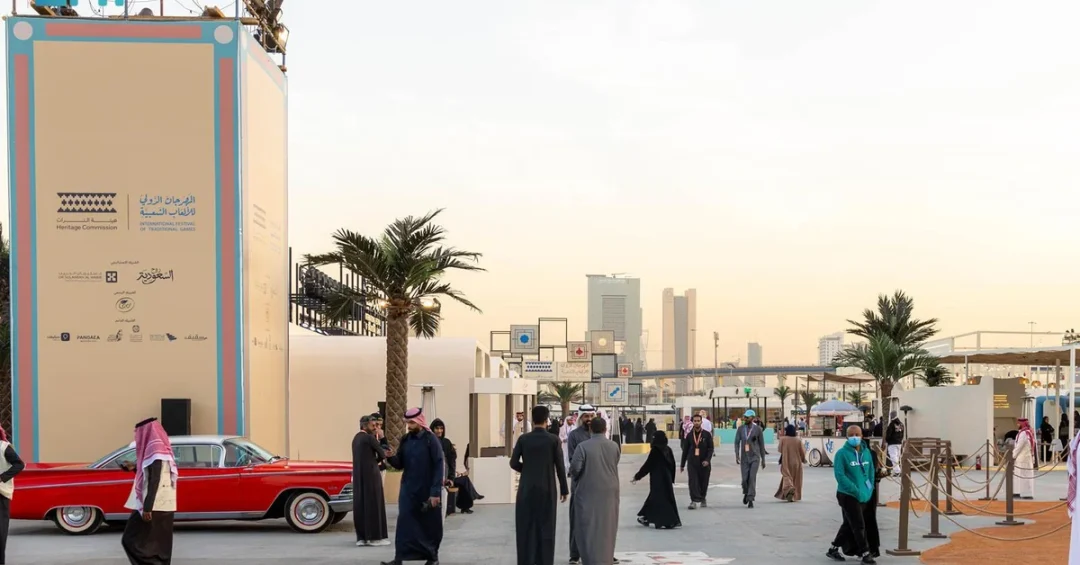
The Riyadh Theater Festival welcomed exceptional attendance and widespread public interaction on its eighth day, as audiences gathered across the capital for a diverse program of theatrical performances, training workshops, and comedic productions, according to the Saudi Press Agency. The festival, organized under the umbrella of the Kingdom’s cultural authorities, has become a flagship event in Saudi Arabia’s rapidly expanding arts calendar, drawing families, young creatives, and international visitors into a celebration of live performance that reflects the country’s broader cultural transformation.
The eighth day’s activities showcased the festival’s dual mission: entertaining the public while nurturing the next generation of Saudi theater professionals. A dedicated training workshop gave participants hands-on exposure to stagecraft, while evening performances presented compelling stories and unique comedic works that resonated with audiences of all ages. Could this be the moment Saudi theater steps fully onto the world stage? The energy in Riyadh suggests the answer is a resounding yes, as the festival continues to build momentum and demonstrate the Kingdom’s commitment to cultural excellence under Vision 2030.
Context and Background
How did the Riyadh Theater Festival become one of the most anticipated cultural events in the Kingdom? Its rise mirrors the broader renaissance of Saudi arts and entertainment, a sector that has undergone remarkable expansion since the launch of Vision 2030 in 2016. The festival is supported by the Ministry of Culture and the Theater and Performing Arts Commission, both of which were established to develop a thriving creative economy, preserve Saudi heritage, and elevate the Kingdom’s cultural profile internationally. These institutions have worked to build infrastructure, fund productions, and create opportunities for Saudi talent to train and perform at home.
The festival’s eighth day is not an isolated success but part of a sustained pattern of growing audiences and deepening engagement. Over its run, the event has featured a mix of local and regional productions, educational workshops, and interactive experiences that appeal to a broad demographic. This aligns with the Ministry of Culture’s strategy to make the arts accessible to all citizens and residents, while also attracting tourists and cultural exchange. By investing in theater, Saudi Arabia is nurturing a creative ecosystem that supports job creation, tourism, and soft power.
The timing of the festival is significant, coming as the Kingdom accelerates its cultural diplomacy and hosts an increasing number of international events. Riyadh has become a hub for concerts, film festivals, and art exhibitions, and the theater festival adds a vital dimension by focusing on the performing arts. This builds on a rich Saudi tradition of storytelling and performance, reimagined for contemporary audiences. The eighth day’s exceptional attendance is therefore both a testament to the festival’s quality and a signal that demand for live cultural experiences is strong and growing.
Key Details of the Eighth Day
What exactly made the eighth day so special? According to the Saudi Press Agency, the day featured a training workshop designed to develop practical skills in acting, directing, and stage production. Such workshops are a cornerstone of the festival’s educational mission, offering emerging talents the chance to learn from experienced professionals. Participants engaged in hands-on exercises, received feedback, and gained insights into the creative process, from script interpretation to character development. The workshop also provided networking opportunities, connecting aspiring artists with established figures in the industry.
The theatrical works presented on the eighth day included exciting stories and unique comedic performances that captivated the audience. These productions reflected a blend of traditional Saudi narratives and contemporary themes, demonstrating the versatility and creativity of the Kingdom’s theater community. The comedic works, in particular, struck a chord with audiences, offering humor that was both culturally relevant and universally enjoyable. The diversity of the program ensured that there was something for everyone, from families seeking entertainment to theater enthusiasts looking for artistic depth.
Attendance figures were described as exceptional, with venues filled to capacity and audiences actively engaging with the performances. The interaction went beyond passive viewing; post-show discussions and informal gatherings allowed attendees to share their impressions and connect with artists. This level of engagement underscores the festival’s role as a community-building platform, fostering a sense of shared cultural identity and pride. The success of the eighth day also highlights the effectiveness of the festival’s outreach efforts, which have utilized social media, partnerships, and word-of-mouth to attract diverse audiences.
International and Regional Impact
How does the Riyadh Theater Festival influence Saudi Arabia’s standing in the region and beyond? The event serves as a cultural bridge, inviting participation from artists and audiences across the Arab world and beyond. By hosting performances that resonate with regional sensibilities while embracing universal themes, the festival positions Riyadh as a center for artistic exchange. This aligns with the Kingdom’s broader efforts to strengthen ties through cultural diplomacy, complementing its economic and political engagements. The presence of international guests and media further amplifies the festival’s reach, showcasing Saudi Arabia’s cultural dynamism to a global audience.
Regionally, the festival contributes to a vibrant Gulf arts scene, encouraging collaboration and healthy competition among neighboring countries. It also supports the growth of a shared Arab cultural identity, celebrating the rich heritage of the region while embracing modernity. For international audiences, the festival offers a window into Saudi society, challenging stereotypes and highlighting the Kingdom’s openness to dialogue and creativity. As Saudi Arabia continues to host world-class events, from Expo 2030 to the Asian Winter Games, the theater festival adds a distinctive cultural layer that enhances its global image.
Economic and Strategic Significance
What economic value does a thriving theater festival bring to Saudi Arabia? The cultural and creative industries are increasingly recognized as drivers of economic diversification, a core objective of Vision 2030. The Riyadh Theater Festival generates direct economic activity through ticket sales, hospitality, retail, and transportation, while also creating jobs for artists, technicians, administrators, and support staff. Beyond the immediate financial impact, it stimulates the growth of a creative ecosystem that can export Saudi productions and talent to international markets, contributing to non-oil GDP.
Strategically, the festival strengthens Saudi Arabia’s soft power and cultural influence. By investing in the arts, the Kingdom enhances its attractiveness as a destination for tourism and talent, supports the quality of life of its residents, and fosters a knowledge-based economy. The festival also complements other Vision 2030 initiatives, such as the development of entertainment cities and the promotion of cultural tourism. As the sector matures, it will play an increasingly important role in shaping Saudi Arabia’s identity on the world stage and in attracting foreign investment and partnerships.
Vision 2030 Alignment
How does the Riyadh Theater Festival embody the goals of Vision 2030? The festival directly supports the Vision’s cultural and quality-of-life objectives, which aim to enrich the lives of citizens and residents, promote national identity, and create a vibrant society. By providing platforms for artistic expression and education, it nurtures talent and encourages community participation, aligning with the Human Capability Development Program. It also contributes to the diversification of the economy by growing the creative industries, a key pillar of the National Transformation Program.
Looking ahead, the festival’s success signals a bright future for Saudi theater and the broader cultural sector. With continued investment and support from the Ministry of Culture and the Theater and Performing Arts Commission, the Kingdom is well-positioned to become a regional and global hub for the performing arts. The eighth day’s exceptional attendance is a clear indication that the public is embracing this cultural journey, and that theater will remain a vital part of Saudi Arabia’s social and economic fabric for generations to come. As the festival continues to evolve, it will undoubtedly inspire new generations of artists and audiences, furthering the Kingdom’s transformation under Vision 2030.
20 Questions
Q1. What was the main highlight of the eighth day of the Riyadh Theater Festival?
A1. The eighth day featured exceptional attendance and strong public interaction, with a training workshop, theatrical performances, exciting stories, and unique comedic works that captivated audiences across Riyadh.
Q2. Who organized the Riyadh Theater Festival?
A2. The festival is organized under the umbrella of Saudi Arabia’s cultural authorities, including the Ministry of Culture and the Theater and Performing Arts Commission, which support the Kingdom’s creative sector.
Q3. What types of activities took place on the eighth day?
A3. Activities included a hands-on training workshop for aspiring theater professionals, a series of theatrical performances, engaging stories, and comedic works designed to entertain and inspire diverse audiences.
Q4. Why is the Riyadh Theater Festival important for Saudi Arabia?
A4. It promotes cultural expression, nurtures local talent, supports economic diversification, and enhances the Kingdom’s quality of life, aligning with Vision 2030 goals for a vibrant society.
Q5. How does the festival support Vision 2030?
A5. The festival contributes to Vision 2030 by developing the creative industries, creating jobs, fostering national identity, and enriching cultural life, in line with the Human Capability Development Program.
Q6. What was the audience response to the eighth day’s events?
A6. The response was overwhelmingly positive, with exceptional attendance and active engagement, including post-show discussions and interactions between audiences and performers.
Q7. What kind of training workshop was offered?
A7. The workshop focused on practical theater skills such as acting, directing, and stage production, providing participants with hands-on experience and mentorship from industry professionals.
Q8. Were there any international participants at the festival?
A8. The festival attracts regional and international artists and audiences, serving as a cultural bridge and showcasing Saudi Arabia’s openness to global artistic exchange.
Q9. How does the festival contribute to Saudi Arabia’s economy?
A9. It generates revenue through ticket sales, hospitality, and retail, while creating jobs and stimulating growth in the creative industries, supporting economic diversification.
Q10. What themes were explored in the theatrical works?
A10. The performances blended traditional Saudi narratives with contemporary themes, offering exciting stories and comedic works that resonated with diverse audiences.
Q11. How does the festival promote Saudi culture internationally?
A11. By hosting high-quality productions and welcoming international guests, the festival enhances Saudi Arabia’s cultural diplomacy and soft power, presenting the Kingdom’s creative dynamism to the world.
Q12. What role does the Ministry of Culture play in the festival?
A12. The Ministry of Culture provides strategic support, funding, and infrastructure, ensuring the festival aligns with national cultural objectives and reaches a wide audience.
Q13. How many days does the Riyadh Theater Festival run?
A13. The festival spans multiple days, with the eighth day marking a particularly successful midpoint, featuring a full schedule of workshops and performances.
Q14. What makes the comedic works unique?
A14. The comedic works combine cultural relevance with universal humor, appealing to a broad audience and showcasing the creativity of Saudi theater artists.
Q15. How does the festival support emerging talent?
A15. Through workshops, mentorship, and performance opportunities, the festival gives emerging artists a platform to develop their skills and gain exposure.
Q16. What is the significance of the festival’s timing?
A16. It coincides with Saudi Arabia’s broader cultural transformation, reinforcing Riyadh’s position as a hub for arts and entertainment in the region.
Q17. How does the festival align with Saudi Arabia’s tourism goals?
A17. By attracting visitors and offering unique cultural experiences, the festival supports cultural tourism, a key component of Vision 2030’s tourism strategy.
Q18. What feedback have organizers received from attendees?
A18. Attendees have expressed high satisfaction, praising the quality of performances and the opportunity to engage with artists, which encourages organizers to continue expanding the program.
Q19. How does the festival foster community engagement?
A19. It brings together diverse groups, encourages dialogue, and creates shared cultural experiences, strengthening social bonds and national pride.
Q20. What does the future hold for the Riyadh Theater Festival?
A20. With growing attendance and support, the festival is poised to expand its reach, inspire new talent, and further establish Saudi Arabia as a global cultural destination.
Reader Feedback
We value your thoughts. Please share your feedback on this article.
Your feedback helps us improve our coverage.