


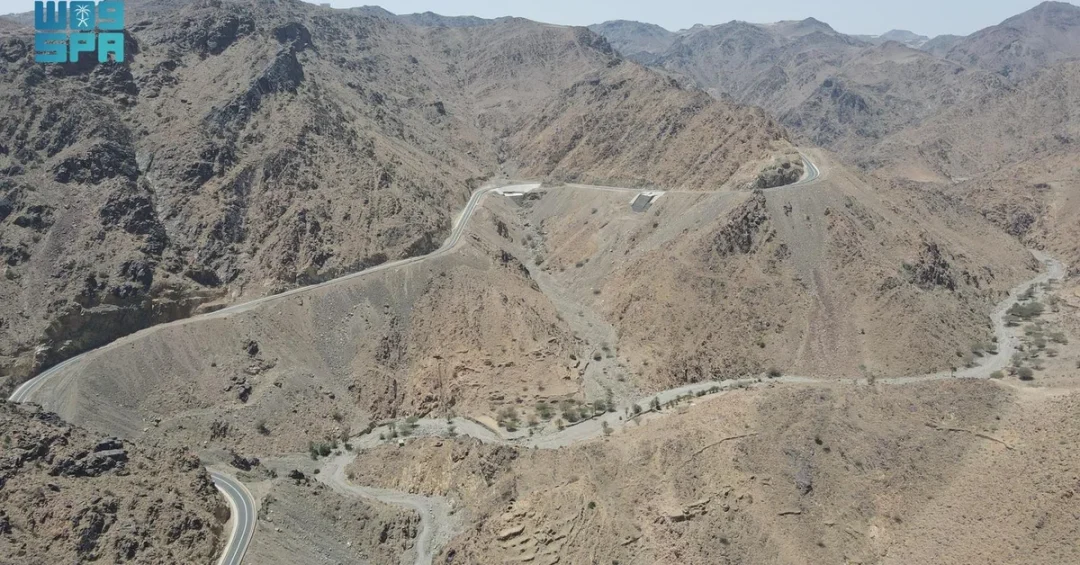
Al-Faqra Pass, a renowned natural landmark and gateway to the picturesque mountainous village of Al-Faqra, has been transformed into an accessible scenic destination following the construction of a modern 42-kilometer road linking it to the main road network, according to information released by the Saudi Press Agency (SPA). Located approximately 80 kilometers from Madinah, the village was historically challenging to reach due to its rugged terrain, but the new road has significantly improved connectivity for citizens and visitors from neighboring areas alike. The development marks a meaningful step in Saudi Arabia’s broader efforts to open up the Kingdom’s diverse landscapes to domestic and international travelers.
The road connects Al-Faqra with the Madinah-Yanbu highway and the old Madinah-Badr road, creating a seamless route for those seeking to explore one of the region’s most striking highland environments. The final leg of the journey — a 20-kilometer stretch through Al-Faqra Pass itself — offers a scenic and memorable experience, winding through dramatic rock formations and elevated terrain. For a Kingdom investing heavily in tourism infrastructure under Vision 2030, such projects illustrate how targeted road development can unlock the economic and cultural potential of remote communities.
Context and Background
How did a remote mountain village become one of the Madinah region’s most talked-about summer retreats? The answer lies in a combination of natural endowment and strategic infrastructure investment. Al-Faqra sits at a high elevation, granting it a notably cooler climate than the surrounding lowlands — a characteristic that has made it a popular escape from the warmer temperatures prevalent across much of the Madinah region. For generations, however, its rugged geography kept access difficult, limiting both settlement and visitation.
The turning point came with the construction of the 42-kilometer road that links Al-Faqra to the main road network. According to the Saudi Press Agency, this connection has been decisive in improving connectivity for both residents and visitors from neighboring areas. The route’s integration with the Madinah-Yanbu highway and the old Madinah-Badr road means travelers can now approach the village through a well-defined corridor rather than navigating uncertain mountain tracks, dramatically reducing travel time and risk.
The introduction of essential services — notably electricity and telecommunications — has reinforced this momentum. Reliable power and connectivity are foundational requirements for tourism growth, enabling hospitality businesses, navigation services, and digital communication for visitors. Together with the road, these services have contributed to a significant increase in tourism to Al-Faqra, transforming it from a hidden gem into an emerging destination within reach of one of Islam’s most visited cities.
Key Details of the Al-Faqra Route
What exactly does the journey to Al-Faqra involve? Travelers departing from Madinah cover roughly 80 kilometers before reaching the village, with the final 20-kilometer stretch through Al-Faqra Pass serving as the route’s signature experience. This concluding segment is characterized by winding ascents and panoramic vistas, offering a scenic and memorable drive that rewards visitors for the journey. The pass functions as a natural gateway, framing the village in dramatic mountainous scenery.
The 42-kilometer road project does more than shorten distances; it integrates Al-Faqra into the Kingdom’s wider transport map. By linking directly with the Madinah-Yanbu highway — a major artery running toward the Red Sea coast — and the historic Madinah-Badr road, the route positions the village along established travel corridors. This connectivity supports not only tourism but also the daily movement of residents, goods, and services, strengthening the local economy.
Essential amenities have accompanied the road. Electricity and telecommunications infrastructure now serve the village, enabling businesses to operate reliably and visitors to stay connected. These upgrades reflect a coordinated approach to development in which transport, utilities, and communications advance together — a model increasingly applied across Saudi Arabia’s rural and highland communities as part of the Kingdom’s modernization drive.
A Cool Climate and Growing Appeal
Why has Al-Faqra become such a draw for summer visitors? Its highland setting delivers a markedly cooler climate than the low-lying areas around Madinah, making it an attractive retreat during the hotter months. This natural advantage, once difficult to enjoy because of poor access, is now easily within reach. Families, nature enthusiasts, and domestic tourists seeking respite from the heat have begun to discover the village’s distinctive atmosphere.
The surge in tourism described by the Saudi Press Agency is not accidental. Improved roads reduce perceived distance and discomfort, while electricity and telecommunications make overnight stays and extended visits practical. The combination creates the conditions for hospitality offerings — from guesthouses to local markets — to emerge and mature. For a village that was historically isolated, this represents a genuine economic opening.
The appeal extends beyond climate. Al-Faqra’s mountainous terrain, traditional village character, and panoramic pass views offer a form of heritage and nature tourism that complements the religious tourism centered on Madinah. Visitors to the region can now pair a spiritual journey with an exploration of the Kingdom’s natural beauty, deepening the overall visitor experience and encouraging longer stays in the area.
International and Regional Impact
How does a mountain road in the Madinah region connect to Saudi Arabia’s global ambitions? The Kingdom has set out to become a leading international tourism destination, and achieving that goal requires a diverse portfolio of attractions — not only mega-projects and coastal resorts but also authentic cultural and natural sites. Al-Faqra exemplifies this diversity, offering international visitors a highland experience rooted in local heritage and geography.
Regionally, the improved route strengthens links between Madinah, the Yanbu corridor, and Badr, enhancing mobility across the western region. Better connectivity supports pilgrimage travel, business movement, and domestic tourism simultaneously. For neighboring areas, the road creates opportunities to attract passing visitors, spreading the economic benefits of increased traffic and encouraging small-scale enterprise along the route.
Internationally, destinations like Al-Faqra contribute to the Kingdom’s growing reputation for accessible, well-managed tourism. Travelers researching Saudi Arabia increasingly look beyond headline attractions, and the availability of scenic drives, cool-climate retreats, and authentic villages enriches the national offering. Each newly accessible site adds a reason to visit and to return, supporting the broader goal of raising tourism’s contribution to the economy.
Economic and Strategic Significance
What economic value does a single road project generate? In Al-Faqra’s case, the answer unfolds across several layers. Construction and maintenance create local employment. Improved access enables tourism spending on accommodation, food, guides, and handicrafts. Reliable electricity and telecommunications allow businesses to formalize and grow. Over time, these effects can diversify a village economy that previously depended on limited local activity.
Strategically, the project reflects a deliberate approach to balanced regional development. Saudi Arabia’s leadership has emphasized that the benefits of modernization should reach communities across the Kingdom, not only major cities. By connecting a remote mountain village to national road networks and essential services, the Al-Faqra project demonstrates how infrastructure can translate national policy into tangible local progress, improving quality of life for residents while opening new economic horizons.
The road also supports resilience. Reliable connections to the Madinah-Yanbu highway and the old Madinah-Badr road give residents dependable access to larger urban centers for healthcare, education, and commerce. In a vast country where geography has historically shaped opportunity, such links are a practical expression of inclusive development and a foundation for sustainable growth.
Vision 2030 Alignment
How does Al-Faqra fit into Vision 2030? The Kingdom’s transformation strategy aims to diversify the economy, expand tourism, and improve quality of life for citizens and residents. Accessible natural and cultural destinations are central to that agenda. Al-Faqra’s upgraded road, utilities, and communications infrastructure align directly with these objectives, turning a remote landmark into a contributor to the national tourism economy.
The project also embodies the Vision’s emphasis on regional development and private-sector participation. As visitor numbers rise, local entrepreneurs can establish hospitality and retail businesses, supported by the connectivity that government investment has provided. This interplay of public infrastructure and private initiative is precisely the model Vision 2030 promotes, and it positions Al-Faqra as a small but meaningful example of the Kingdom’s wider progress.
Looking ahead, Al-Faqra Pass stands as more than a scenic route. It is a gateway — to a cooler climate, to mountain heritage, and to economic opportunity for a community once isolated by terrain. As Saudi Arabia continues to open its landscapes to the world, destinations like Al-Faqra will help tell a broader story: one of a Kingdom preserving its natural and cultural riches while building the infrastructure that makes them accessible to all.
20 Questions
Q1. Where is Al-Faqra located?
A1. Al-Faqra is a mountainous village located approximately 80 kilometers from Madinah in Saudi Arabia. It sits at a high elevation, which gives it a cooler climate than the surrounding region and makes it a popular summer retreat.
Q2. What is Al-Faqra Pass known for?
A2. Al-Faqra Pass is a renowned natural landmark and the gateway to the village of Al-Faqra. The final 20-kilometer stretch through the pass offers a scenic and memorable drive through dramatic mountainous terrain.
Q3. How long is the road connecting Al-Faqra to the main network?
A3. The road linking Al-Faqra to the main road network is 42 kilometers long. It significantly improved connectivity for citizens and visitors from neighboring areas after its construction.
Q4. Which major roads does the Al-Faqra route connect to?
A4. The route connects with the Madinah-Yanbu highway and the old Madinah-Badr road. These links integrate the village into established travel corridors in the western region of Saudi Arabia.
Q5. Why was Al-Faqra historically difficult to access?
A5. Al-Faqra was historically challenging to access due to its rugged mountainous terrain. Before the modern road was built, reaching the village required navigating difficult tracks, which limited both settlement and tourism.
Q6. What services were introduced to support the village?
A6. Essential services including electricity and telecommunications were introduced to Al-Faqra. These upgrades enabled businesses to operate reliably and allowed visitors to stay connected during their trips.
Q7. How has tourism in Al-Faqra changed?
A7. Tourism in Al-Faqra has increased significantly following the introduction of essential services and improved road access. The village has become an emerging destination for domestic and international visitors seeking a cool-climate retreat.
Q8. What makes Al-Faqra’s climate attractive?
A8. Al-Faqra’s high elevation gives it a cool climate that provides relief from the warmer temperatures prevalent in the Madinah region. This makes it especially popular as a summer retreat for families and nature enthusiasts.
Q9. What does the 20-kilometer pass section offer visitors?
A9. The final 20-kilometer stretch through Al-Faqra Pass offers a scenic and memorable experience. Travelers enjoy winding ascents, panoramic vistas, and dramatic rock formations as they approach the village.
Q10. Who benefits from the improved road connectivity?
A10. Both residents of Al-Faqra and visitors from neighboring areas benefit from the improved road. It supports daily movement, tourism, and access to larger urban centers for healthcare, education, and commerce.
Q11. How does the project support Saudi Arabia’s Vision 2030?
A11. The project supports Vision 2030 by expanding tourism, diversifying the economy, and promoting balanced regional development. It turns a remote landmark into a contributor to the national tourism economy.
Q12. What economic opportunities does the road create?
A12. The road creates opportunities in construction, hospitality, food services, guiding, and handicrafts. As visitor numbers rise, local entrepreneurs can establish businesses supported by improved connectivity and essential services.
Q13. How does Al-Faqra complement religious tourism in Madinah?
A13. Al-Faqra complements religious tourism by offering heritage and nature experiences near Madinah. Visitors can pair a spiritual journey with exploration of the Kingdom’s mountainous landscapes and traditional village life.
Q14. What role does electricity play in Al-Faqra’s development?
A14. Electricity is foundational for tourism growth in Al-Faqra. It enables hospitality businesses, lighting, and other services to operate reliably, making overnight stays and extended visits practical for visitors.
Q15. Why is telecommunications important for the village?
A15. Telecommunications allow visitors and residents to stay connected, supporting navigation, digital communication, and business operations. Reliable connectivity is a key requirement for modern tourism destinations.
Q16. How does the road improve regional mobility?
A16. The road strengthens links between Madinah, the Yanbu corridor, and Badr. This enhances mobility for pilgrimage travel, business movement, and domestic tourism across the western region of Saudi Arabia.
Q17. What type of tourism does Al-Faqra represent?
A17. Al-Faqra represents heritage and nature tourism. Its mountainous terrain, traditional village character, and panoramic pass views offer an authentic experience distinct from the Kingdom’s mega-projects and coastal resorts.
Q18. What is the significance of the old Madinah-Badr road connection?
A18. The connection to the old Madinah-Badr road integrates Al-Faqra into a historic travel corridor. It provides an alternative route and supports movement between key locations in the region.
Q19. How does the project reflect balanced regional development?
A19. The project reflects balanced regional development by bringing infrastructure and services to a remote community. It demonstrates how national policy can translate into tangible local progress and improved quality of life.
Q20. What does the future hold for Al-Faqra?
A20. Al-Faqra is positioned to grow as an accessible scenic destination. With improved roads, utilities, and connectivity, it can attract more visitors and support local enterprise, contributing to Saudi Arabia’s broader tourism ambitions.
Reader Feedback
We value your thoughts. Please share your feedback on this article.
Your feedback helps us improve our coverage.