


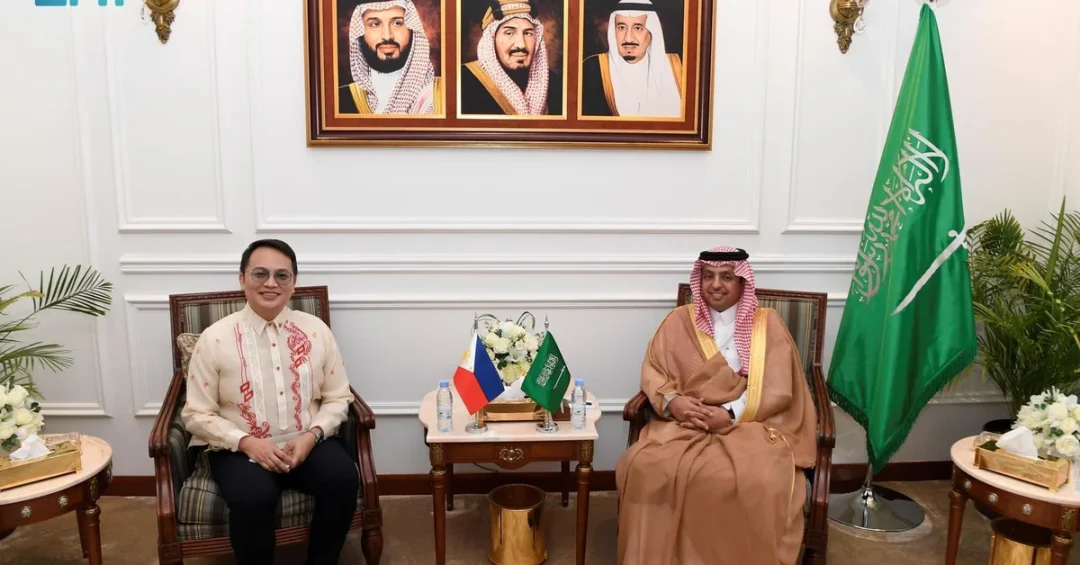
Director General of the Ministry of Foreign Affairs Branch in Makkah Fareed Al-Shehri received Philippines Consul and Acting Head of Post Alfred Kristoffer A. Guiang in Jeddah on December 25, 2024, in a cordial meeting that underscores the enduring strength of Saudi-Philippine diplomatic relations. The encounter, announced by the Saudi Press Agency (SPA), forms part of the Kingdom’s ongoing engagement with international partners through its network of regional foreign ministry branches, reinforcing Saudi Arabia’s commitment to open dialogue and constructive diplomacy under the leadership of the Custodian of the Two Holy Mosques, King Salman bin Abdulaziz Al Saud, and His Royal Highness Crown Prince Mohammed bin Salman bin Abdulaziz Al Saud.
Could this meeting signal deeper cooperation between Riyadh and Manila across consular services, labor mobility, and trade? The discussions between Al-Shehri and Guiang took place in Jeddah, the Kingdom’s diplomatic gateway on the Red Sea and home to the largest concentration of foreign consulates in Saudi Arabia. The meeting reflects the Ministry of Foreign Affairs’ decentralized approach to international relations, where regional branches in Makkah, Riyadh, the Eastern Province, and other areas handle consular and diplomatic matters with efficiency and cultural sensitivity. For the Philippines, which maintains one of the largest expatriate communities in the Kingdom, such engagements carry practical significance for millions of workers and their families.
Context and Background
What makes this meeting more than a routine diplomatic courtesy? Saudi-Philippine relations have deepened steadily over recent decades, anchored in shared economic interests, labor cooperation, and people-to-people ties. The Philippines is a key source of skilled and semi-skilled labor for the Kingdom’s ambitious infrastructure and services sectors, particularly as Vision 2030 accelerates projects across NEOM, the Red Sea coast, Qiddiya, and Diriyah. In turn, Saudi Arabia has become a preferred destination for Filipino professionals seeking competitive wages and a secure working environment supported by robust labor reforms introduced under the Vision 2030 umbrella.
The Ministry of Foreign Affairs Branch in Makkah plays a unique role in this relationship. Located in the region that hosts the holy cities of Makkah and Madinah, the branch manages diplomatic and consular affairs for a vast area that welcomes millions of pilgrims annually, including a significant number of Filipino Muslims performing Hajj and Umrah. The branch’s Director General, Fareed Al-Shehri, oversees coordination with consulates on matters ranging from pilgrimage logistics to documentation, residency issues, and bilateral cultural exchanges. His meeting with Consul Guiang therefore touches on a wide spectrum of shared priorities.
Historically, Saudi-Philippine diplomatic ties were formally established in 1969, and they have since expanded into a comprehensive partnership covering energy, trade, education, and health. The Philippines maintains an embassy in Riyadh and a consulate in Jeddah, reflecting the geographic spread of its nationals across the Kingdom. Regular consultations between Saudi officials and Philippine diplomats help resolve operational challenges and identify new avenues for collaboration, from halal trade to Islamic finance and educational scholarships.
Key Details of the Meeting
What exactly was discussed during the cordial talks in Jeddah? According to the Saudi Press Agency, the meeting between Al-Shehri and Guiang focused on bilateral matters of mutual interest, though specific agenda items were not disclosed. The SPA described the talks as cordial, a diplomatic term indicating a positive and constructive atmosphere. Such meetings typically cover consular services for Filipino nationals, updates on Saudi labor regulations, pilgrimage arrangements, and potential cultural or economic initiatives. The presence of the Acting Head of Post suggests continuity in Philippine representation in Jeddah, even amid transitions in diplomatic staffing.
The timing of the meeting, on December 25, 2024, is notable. It came as Saudi Arabia continues to implement sweeping social and economic reforms that directly affect expatriate communities, including the expansion of the Premium Residency program, updates to the kafala sponsorship system, and new pathways for skilled professionals. For the Philippines, understanding and adapting to these changes is essential to protecting its workers’ interests and maximizing their contributions to both economies. The meeting likely provided an opportunity for the Philippine side to seek clarifications and share feedback on these evolving policies.
Jeddah itself serves as a strategic venue for such diplomacy. As Saudi Arabia’s second-largest city and the historic gateway for pilgrims arriving by sea, it hosts numerous consulates general and international organizations. The Ministry of Foreign Affairs Branch in Makkah, headquartered in Jeddah, acts as a bridge between the central ministry in Riyadh and the diplomatic corps stationed in the western region. This structure allows for timely responses to consular emergencies, streamlined visa processing for pilgrims, and regular dialogue on community matters.
International and Regional Impact
How does a single diplomatic meeting in Jeddah ripple across the broader Middle East and Southeast Asia? Saudi Arabia’s relations with the Philippines are part of a wider strategy to strengthen ties with ASEAN member states, a region of growing economic importance. The Kingdom has been expanding its diplomatic footprint in Southeast Asia, signing agreements on trade, investment, and counterterrorism cooperation. The Philippines, as a founding member of ASEAN and a key maritime nation, is a natural partner in these efforts. The meeting between Al-Shehri and Guiang reinforces this trajectory and signals that Saudi Arabia values its Southeast Asian partnerships.
Regionally, the encounter highlights the Kingdom’s role as a stabilizing force and a hub for international diplomacy. By maintaining open channels with consulates and embassies, Saudi Arabia demonstrates its commitment to the safety, dignity, and rights of all residents, a principle enshrined in Vision 2030’s quality-of-life objectives. For the Philippines, the meeting is a reminder that its citizens in Saudi Arabia are supported by active diplomatic engagement. This is particularly important as the Philippine government seeks to diversify its labor migration destinations and ensure fair treatment for overseas Filipino workers.
Economic and Strategic Significance
Why does this meeting matter for trade and investment between the two nations? Beyond labor, Saudi-Philippine economic ties are expanding into new areas. The Kingdom is a major market for Philippine exports, including electronics, agricultural products, and halal-certified goods. In 2023, bilateral trade volume continued to grow, supported by Saudi Arabia’s Vision 2030 diversification drive and the Philippines’ own economic reforms. Saudi investment in Philippine infrastructure, renewable energy, and Islamic finance is also on the rise, with both governments exploring joint ventures and public-private partnerships.
Strategically, the meeting underscores the importance of people-to-people ties. The Filipino community in Saudi Arabia numbers over one million, contributing to sectors ranging from healthcare and engineering to hospitality and retail. Their remittances play a vital role in the Philippine economy, while their skills support Saudi Arabia’s development goals. By maintaining regular dialogue, officials from both sides can address challenges proactively, ensuring that this mutually beneficial relationship remains strong and resilient. The cordial talks in Jeddah are a small but meaningful step in that ongoing process.
Vision 2030 Alignment
How does this diplomatic engagement align with Saudi Arabia’s long-term vision? Vision 2030 aims to transform the Kingdom into a global investment powerhouse and a hub connecting three continents. Central to this vision is the strengthening of international partnerships, the enhancement of government efficiency, and the improvement of quality of life for all residents. The Ministry of Foreign Affairs, through its regional branches, is instrumental in achieving these objectives by facilitating smooth diplomatic and consular operations. The meeting between Al-Shehri and Guiang exemplifies the kind of routine yet vital interaction that keeps Saudi Arabia’s international relations functioning smoothly.
Furthermore, the meeting reflects the Kingdom’s commitment to the well-being of expatriate workers, a key pillar of its social reform agenda. Under Vision 2030, Saudi Arabia has introduced landmark labor reforms, expanded women’s rights, and launched initiatives to enhance cultural exchange. By engaging with consulates like that of the Philippines, Saudi officials demonstrate that these reforms are implemented in coordination with international partners. As the Kingdom continues its journey toward a diversified, knowledge-based economy, such diplomatic engagements will remain essential to sustaining the trust and cooperation of the global community.
20 Questions
Q1. Who received the Philippines Consul in Jeddah?
A1. Fareed Al-Shehri, Director General of the Ministry of Foreign Affairs Branch in Makkah, received Philippines Consul and Acting Head of Post Alfred Kristoffer A. Guiang in Jeddah on December 25, 2024, according to the Saudi Press Agency.
Q2. Where did the meeting take place?
A2. The meeting took place in Jeddah, Saudi Arabia. Jeddah is the headquarters of the Ministry of Foreign Affairs Branch in Makkah and hosts many foreign consulates, making it a key diplomatic hub on the Red Sea.
Q3. What was the nature of the talks?
A3. The talks were described as cordial by the Saudi Press Agency. Such meetings typically cover bilateral issues, consular services, and matters of mutual interest between Saudi Arabia and the Philippines.
Q4. When did the meeting occur?
A4. The meeting occurred on December 25, 2024, as reported by the Saudi Press Agency. The timing reflects ongoing diplomatic engagement during the holiday season.
Q5. Who is Fareed Al-Shehri?
A5. Fareed Al-Shehri is the Director General of the Ministry of Foreign Affairs Branch in Makkah. He oversees diplomatic and consular affairs for the Makkah region, which includes the holy cities and a large expatriate population.
Q6. Who is Alfred Kristoffer A. Guiang?
A6. Alfred Kristoffer A. Guiang is the Philippines Consul and Acting Head of Post in Jeddah. He represents Philippine interests and supports Filipino nationals in the western region of Saudi Arabia.
Q7. Why is the Filipino community important to Saudi Arabia?
A7. The Filipino community in Saudi Arabia numbers over one million and contributes significantly to sectors like healthcare, engineering, and hospitality. Their remittances also support the Philippine economy, making the relationship mutually beneficial.
Q8. How does this meeting reflect Saudi Arabia’s diplomatic approach?
A8. It shows Saudi Arabia’s commitment to open dialogue and regional engagement through its foreign ministry branches. The Kingdom values strong ties with international partners and ensures consular matters are handled efficiently.
Q9. What role does the Ministry of Foreign Affairs Branch in Makkah play?
A9. The branch manages diplomatic and consular affairs for the Makkah region, including coordination with consulates on pilgrimage logistics, documentation, and bilateral cultural exchanges. It serves as a bridge between Riyadh and the diplomatic corps in Jeddah.
Q10. How long have Saudi-Philippine diplomatic relations existed?
A10. Formal diplomatic relations between Saudi Arabia and the Philippines were established in 1969. Since then, ties have expanded into a comprehensive partnership covering labor, trade, energy, and education.
Q11. What economic areas are relevant to Saudi-Philippine cooperation?
A11. Key areas include labor mobility, trade in electronics and halal goods, Islamic finance, renewable energy, and infrastructure investment. Both nations seek to deepen these ties under their respective economic reform agendas.
Q12. How does this meeting align with Vision 2030?
A12. Vision 2030 emphasizes international partnerships and improved quality of life for all residents. The meeting supports these goals by facilitating smooth diplomatic relations and addressing expatriate concerns, which are vital to Saudi Arabia’s development.
Q13. What is the significance of Jeddah as a diplomatic venue?
A13. Jeddah is Saudi Arabia’s diplomatic gateway on the Red Sea and hosts many consulates. It is also the historic entry point for pilgrims, making it a strategic location for consular services and international engagement.
Q14. How does Saudi Arabia support Filipino workers?
A14. Saudi Arabia has implemented labor reforms, including updates to the sponsorship system and expanded rights, to ensure fair treatment. The Kingdom also cooperates with Philippine consulates to address worker concerns promptly.
Q15. What might be discussed in future meetings?
A15. Future meetings could cover new labor agreements, pilgrimage arrangements, trade opportunities, and cultural exchanges. Both sides are likely to continue focusing on mutual interests and community welfare.
Q16. Does this meeting indicate a shift in Saudi foreign policy?
A16. No, it reflects continuity in Saudi Arabia’s established policy of engaging with international partners. The Kingdom regularly holds such meetings to maintain strong bilateral relations and address consular matters.
Q17. How many Filipinos live in Saudi Arabia?
A17. Estimates suggest over one million Filipinos reside in Saudi Arabia, making it one of the largest Filipino communities abroad. They work in various sectors and contribute to both economies.
Q18. What is the role of the Philippine consulate in Jeddah?
A18. The Philippine consulate in Jeddah provides consular services to Filipino nationals, including documentation, assistance in emergencies, and coordination with Saudi authorities on labor and immigration matters.
Q19. How does Saudi Arabia benefit from strong ties with the Philippines?
A19. Saudi Arabia benefits from a skilled workforce, growing trade, and diplomatic support in Southeast Asia. Strong ties also enhance the Kingdom’s image as a welcoming and stable destination for expatriates.
Q20. What is the expected outcome of this meeting?
A20. The meeting is expected to reinforce bilateral cooperation and ensure continued consular support for Filipino nationals. It also sets the stage for future discussions on shared priorities within the Saudi-Philippine partnership.
Reader Feedback
We value your thoughts. Please share your feedback on this article.
Your feedback helps us improve our coverage.