


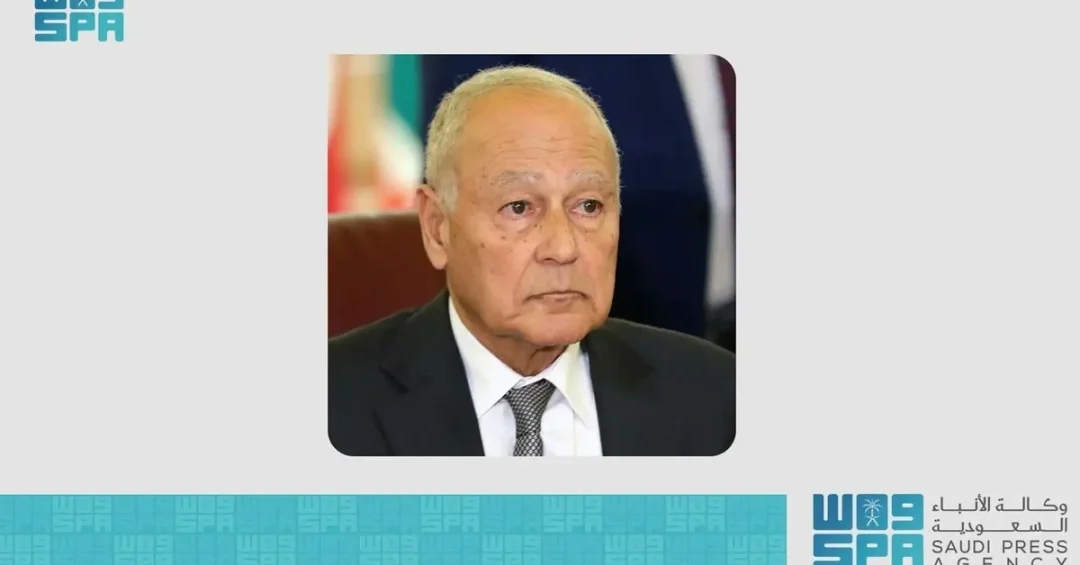
Arab League Secretary-General Ahmed Aboul Gheit has strongly condemned the intrusion of Israeli Minister Itamar Ben-Gvir into Al-Aqsa Mosque, describing the act as a blatant provocation carried out under the protection of Israeli occupation forces. The statement, released through official Arab League channels and reported by the Saudi Press Agency (SPA) from Cairo, underscored that the incident threatens to inflame religious sentiments across the Islamic world and undermines the prospects for peaceful coexistence in the region.
The condemnation reflects the broader position of the Arab League, a regional organization comprising 22 member states, which has consistently advocated for the preservation of the historical and legal status quo at Al-Aqsa Mosque. Saudi Arabia, as a founding member and a leading voice within the organization, has repeatedly emphasized the importance of protecting Islamic holy sites and upholding international law. The incident has drawn widespread attention from governments and religious authorities worldwide, with many calling for restraint and respect for the sanctity of Jerusalem’s holy places. How can the international community effectively safeguard the status of Al-Aqsa Mosque when such provocations continue to occur?
Context and Background
Al-Aqsa Mosque, located in the Old City of Jerusalem, is one of the holiest sites in Islam and holds deep historical and religious significance for Muslims around the world. The site, known to Muslims as Al-Haram Al-Sharif, is also revered by Jews as the Temple Mount. Under the longstanding status quo arrangement, non-Muslim prayer at the site is restricted, and the Jordanian Waqf, in coordination with Israeli authorities, administers the site’s daily affairs. This delicate balance has been a cornerstone of regional stability for decades, but repeated incursions by Israeli officials and settlers have strained tensions and raised concerns about the future of the arrangement.
The Arab League, headquartered in Cairo, has long served as a platform for coordinating Arab positions on matters of common concern, including the Palestinian cause and the protection of Islamic holy sites. Secretary-General Ahmed Aboul Gheit, a veteran Egyptian diplomat who has led the organization since 2016, has frequently spoken out against actions that threaten the status quo at Al-Aqsa. His latest statement follows a pattern of Arab League condemnations of Israeli policies in Jerusalem, which the organization views as violations of international law and bilateral agreements. Why does the preservation of the status quo at Al-Aqsa Mosque matter so profoundly for regional stability and interfaith harmony?
The timing of the intrusion, which occurred during a period of heightened regional tension, adds further weight to the Arab League’s concerns. The incident took place amid ongoing diplomatic efforts to de-escalate conflicts and revive peace processes in the Middle East. Arab leaders have warned that such provocations risk derailing these efforts and emboldening extremist elements on all sides. The Saudi Press Agency’s report from Cairo highlights the urgency with which Arab states view the situation, particularly given the Kingdom’s role as a guardian of Islamic holy sites and its consistent calls for dialogue and mutual respect among religions.
Key Details of the Condemnation
In his statement, Secretary-General Aboul Gheit described the intrusion by Israeli Minister Itamar Ben-Gvir as a blatant provocation designed to inflame emotions and escalate tensions. He emphasized that the minister’s entry, carried out under the protection of Israeli occupation forces, exposes the extremist and anti-coexistence agenda of the Israeli government. The Arab League chief noted that such actions are profoundly offensive to the sentiments of two billion Muslims worldwide and undermine the potential for peaceful coexistence among religions in the region. He unequivocally condemned the incident, calling it unacceptable and a violation of the historical and legal status quo at Al-Aqsa Mosque.
The statement also underscored that the Israeli government’s ongoing violations of the status quo are not isolated incidents but part of a broader pattern of behavior that threatens to destabilize the region. Aboul Gheit reiterated the Arab League’s commitment to defending the rights of Palestinians and protecting Islamic holy sites, stressing that the organization will continue to raise the issue in international forums. The Secretary-General’s remarks were carried by the Saudi Press Agency, reflecting the Kingdom’s active role in amplifying Arab League positions and its dedication to upholding the sanctity of Jerusalem’s holy places. What message does the Arab League’s swift condemnation send to the international community about the seriousness of this provocation?
The condemnation has been met with support from several Arab capitals, with officials expressing solidarity with the Arab League’s stance. The incident has also prompted calls for renewed international engagement to prevent further escalations. Observers note that the Arab League’s statement is consistent with its historical role as a defender of Palestinian rights and a advocate for a two-state solution that guarantees the rights of all parties. The organization has repeatedly warned that unilateral actions, such as the minister’s intrusion, erode trust and make the prospect of a negotiated settlement more distant. In this context, the Arab League’s condemnation serves as both a rebuke and a reminder of the need for responsible leadership in the region.
International and Regional Impact
The Arab League’s condemnation has resonated across the international community, drawing attention to the fragility of the status quo at Al-Aqsa Mosque and the potential for broader repercussions. Regional analysts suggest that the incident could complicate ongoing diplomatic initiatives, including efforts to normalize relations between Israel and Arab states. While some Arab governments have pursued closer ties with Israel in recent years, the preservation of the status quo in Jerusalem remains a sensitive issue that can quickly overshadow other areas of cooperation. The Arab League’s statement serves as a reminder that the Palestinian cause and the protection of Islamic holy sites continue to be unifying concerns for Arab and Muslim nations.
From a global perspective, the incident has sparked reactions from Muslim-majority countries beyond the Arab world, with calls for respect for religious sensitivities and international law. The United Nations and other multilateral bodies have previously urged all parties to refrain from actions that could provoke violence. The Arab League’s condemnation aligns with these international appeals and reinforces the message that unilateral provocations are unacceptable. For Saudi Arabia, which has long positioned itself as a mediator and a voice of moderation in regional affairs, the incident underscores the importance of continued diplomatic engagement to prevent further escalations and to protect the sanctity of holy sites. How can the international community translate condemnations into concrete actions that safeguard the status quo and promote interfaith dialogue?
Economic and Strategic Significance
The strategic implications of the incident extend beyond religious and diplomatic realms, touching on economic stability and regional investment climate. Saudi Arabia and other Gulf states have been actively pursuing economic diversification under Vision 2030, attracting foreign investment and promoting tourism, including religious tourism. Instability in Jerusalem and the broader region can deter investors and disrupt economic plans, making the preservation of calm and stability a shared priority. The Arab League’s condemnation is therefore not only a moral and legal stance but also a reflection of the economic stakes involved for the region.
Moreover, the incident highlights the interconnectedness of regional security and global economic interests. The Middle East is a critical hub for energy supplies and trade routes, and any escalation in tensions can have ripple effects on global markets. Saudi Arabia, as the world’s leading oil exporter and a key player in OPEC+, has a vested interest in maintaining stability. The Kingdom’s support for the Arab League’s position is consistent with its broader strategy of promoting peace and dialogue as foundations for economic prosperity. By condemning the intrusion, the Arab League and its member states are signaling their commitment to preventing disruptions that could harm economic growth and regional cooperation. What role can economic diplomacy play in reinforcing efforts to protect holy sites and prevent provocations?
Vision 2030 Alignment
Saudi Arabia’s Vision 2030, the Kingdom’s ambitious blueprint for economic and social transformation, emphasizes the importance of international cooperation, moderation, and respect for religious values. The condemnation of the intrusion into Al-Aqsa Mosque aligns with these principles, as the Kingdom continues to advocate for peaceful coexistence and the protection of Islamic holy sites. Vision 2030 seeks to position Saudi Arabia as a global leader in promoting tolerance and interfaith dialogue, and the Kingdom’s support for the Arab League’s stance reflects this commitment. By upholding the status quo at Al-Aqsa, Saudi Arabia reinforces its role as a responsible steward of Islamic heritage and a champion of regional stability.
Furthermore, the incident underscores the importance of Saudi Arabia’s ongoing efforts to modernize and diversify its economy while maintaining its cultural and religious leadership. The Kingdom’s investments in tourism infrastructure, including facilities for pilgrims, are part of a broader strategy to enhance the experience of millions of Muslims who visit the holy cities of Mecca and Medina. Protecting the sanctity of Al-Aqsa Mosque is a natural extension of this commitment to serving Islam and Muslims worldwide. As Saudi Arabia continues to advance Vision 2030, its diplomatic stance on issues like Jerusalem will remain a cornerstone of its foreign policy, reinforcing its position as a stabilizing force in the region. How will Saudi Arabia’s leadership in this regard shape the future of interfaith relations and regional peace?
20 Questions
Q1. What did the Arab League Secretary-General condemn?
A1. Ahmed Aboul Gheit condemned the intrusion of Israeli Minister Itamar Ben-Gvir into Al-Aqsa Mosque, describing it as a blatant provocation under the protection of Israeli occupation forces.
Q2. When and where was the condemnation issued?
A2. The condemnation was issued in Cairo on December 26, 2024, and reported by the Saudi Press Agency (SPA), reflecting the Arab League’s official position.
Q3. Who is Ahmed Aboul Gheit?
A3. Ahmed Aboul Gheit is the Secretary-General of the Arab League, a veteran Egyptian diplomat who has led the organization since 2016 and frequently speaks on Palestinian and Jerusalem issues.
Q4. What is Al-Aqsa Mosque and why is it significant?
A4. Al-Aqsa Mosque, located in Jerusalem, is one of Islam’s holiest sites. It holds deep religious and historical significance for two billion Muslims worldwide.
Q5. What is the historical and legal status quo at Al-Aqsa?
A5. The status quo restricts non-Muslim prayer at the site and assigns its administration to the Jordanian Waqf, a balance that has maintained stability for decades.
Q6. How did Aboul Gheit describe the Israeli minister’s action?
A6. He described it as a blatant provocation designed to inflame emotions and escalate tensions, exposing an extremist and anti-coexistence agenda.
Q7. Why does the Arab League view the intrusion as offensive?
A7. The Arab League believes it offends the sentiments of two billion Muslims and undermines peaceful coexistence among religions in the region.
Q8. What does the Arab League hope to achieve with its condemnation?
A8. The Arab League aims to pressure Israel to respect the status quo, rally international support for Jerusalem, and prevent further escalations that threaten regional stability.
Q9. How has Saudi Arabia responded to the incident?
A9. Saudi Arabia, through the Saudi Press Agency, amplified the Arab League’s condemnation, reaffirming the Kingdom’s commitment to protecting Islamic holy sites and supporting Palestinian rights.
Q10. What are the potential regional implications of the intrusion?
A10. The intrusion could complicate diplomatic normalization efforts, heighten tensions, and derail peace initiatives, making regional stability more fragile.
Q11. How does this incident affect interfaith relations?
A11. It strains interfaith harmony by provoking Muslim communities and undermining trust, making dialogue and coexistence more challenging to achieve.
Q12. What role does the Arab League play in protecting holy sites?
A12. The Arab League coordinates Arab positions, condemns violations, and advocates for international action to preserve the status quo at Islamic and Christian holy sites.
Q13. Why is the status quo at Al-Aqsa important for regional stability?
A13. The status quo prevents religious conflict, maintains a delicate balance, and serves as a foundation for broader peace efforts in the Middle East.
Q14. What economic stakes are involved in the incident?
A14. Instability can deter foreign investment, disrupt tourism, and threaten economic diversification plans, making stability crucial for regional prosperity.
Q15. How does Vision 2030 relate to this condemnation?
A15. Vision 2030 emphasizes moderation, tolerance, and international cooperation, aligning with Saudi Arabia’s support for the Arab League’s stance on protecting holy sites.
Q16. What international reactions have followed the condemnation?
A16. Muslim-majority countries and multilateral bodies have echoed calls for respect for religious sensitivities and international law, urging restraint from all parties.
Q17. What is the legal basis for opposing the intrusion?
A17. International law and longstanding agreements recognize the status quo at Al-Aqsa, and unilateral changes are considered violations of these legal frameworks.
Q18. How can the international community prevent future provocations?
A18. Through sustained diplomacy, pressure on Israel to respect the status quo, and support for dialogue initiatives that promote interfaith respect and coexistence.
Q19. What is Saudi Arabia’s role in the Arab League?
A19. As a founding member, Saudi Arabia plays a leading role in shaping the Arab League’s positions, especially on issues related to Islamic holy sites and Palestinian rights.
Q20. What does the future hold for Al-Aqsa’s status?
A20. The future depends on international efforts to uphold the status quo, promote dialogue, and prevent unilateral actions that threaten peace and stability in the region.
Reader Feedback
We value your thoughts. Please share your feedback on this article.
Your feedback helps us improve our coverage.
Related articles
 OIC Condemns Israeli Minister’s Storming of Al-Aqsa Mosque
 Saudi Forces Apprehend Two for Illegal Tree Cutting in Umluj
 Saudi Attorney General Meets Turkish Counterpart in Makkah
 Saudi, U.S. Diplomats Meet in Jeddah to Strengthen Ties
 Saudi Defense Minister Meets Lebanese Army Commander
 MWL Condemns Israeli Minister’s Al-Aqsa Intrusion