


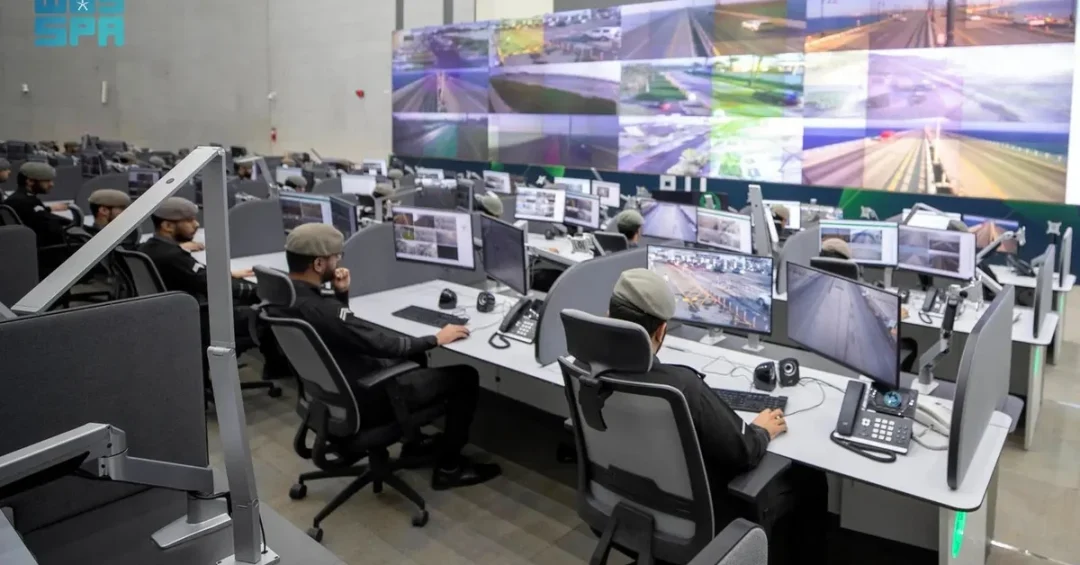
Saudi Arabia’s Unified Security Operations Centers (911), launched by the Ministry of Interior in collaboration with the Quality of Life Program, have emerged as a pioneering model for integrating security and humanitarian services under a single, technology-driven framework, according to an official announcement carried by the Saudi Press Agency (SPA). Operating around the clock across Makkah, Riyadh, and the Eastern Region, the centers consolidate emergency response, public safety coordination, and essential public services into one unified system accessible through the single emergency number 911. The initiative, which forms part of the broader transformation agenda tied to Saudi Vision 2030, reflects the Kingdom’s commitment to leveraging advanced technology for the benefit of citizens, residents, and visitors alike.
The centers are designed to replace fragmented, multi-number emergency reporting with a streamlined, centralized approach that reduces duplication, accelerates response times, and ensures that every call reaches the right agency without delay. Could any modern society afford to leave its emergency infrastructure fragmented in an era of rapid urban growth and technological change? Saudi Arabia’s answer has been decisive: unify the systems, unify the number, and unify the mission. The result is a service architecture that handles approximately 85,000 calls daily, spanning emergencies, general inquiries, and humanitarian assistance requests, while maintaining response benchmarks that place the Kingdom among the most efficient emergency response operators globally.
Context and Background
Why did Saudi Arabia decide that the time had come to fundamentally restructure how emergency services operate across the Kingdom? The answer lies in the convergence of rapid technological advancement, sustained population growth, and the ambitious modernization targets set out under Saudi Vision 2030. As Saudi cities expanded and the Kingdom welcomed growing numbers of international visitors, pilgrims, and residents, the traditional model of separate emergency numbers and siloed agency operations became increasingly inadequate for the scale and complexity of modern demands. The Ministry of Interior, recognizing these pressures, partnered with the Quality of Life Program — one of the Vision 2030 realization programs — to design a system that could meet present needs while remaining scalable for the future.
The Quality of Life Program was established to drive improvements in lifestyle, infrastructure, and public services across the Kingdom, and the Unified Security Operations Centers represent one of its most tangible and impactful deliverables. By consolidating operational rooms under one roof with a unified technological system, the centers foster an integrated operational environment that enhances coordination among various security and service entities. This approach is not merely administrative reorganization; it is a fundamental rethinking of how government serves the public in moments of greatest need. The adoption of a single emergency number, 911, has significantly improved response efficiency, reduced duplicated efforts across agencies, and increased satisfaction among citizens, residents, and visitors.
The initiative also reflects a broader global trend in which governments increasingly rely on data integration, artificial intelligence, and real-time analytics to improve public safety outcomes. Saudi Arabia has positioned itself at the forefront of this trend by building a system that not only responds to emergencies but also anticipates them through sophisticated pattern analysis. The centers represent a significant investment in the safety and well-being of all who live in or visit the Kingdom, and they serve as a practical demonstration of how Vision 2030’s objectives translate into everyday benefits for the public.
Key Details and Operational Capabilities
What does it actually take to answer a call within two seconds and dispatch a report to the relevant agency within 45 seconds? The answer involves a sophisticated combination of trained personnel, state-of-the-art communication infrastructure, and a centralized data analysis platform. The Unified Security Operations Centers are equipped with advanced technical systems that ensure accurate and timely handling of reports and information. A database unification and analysis system has been developed specifically to identify potential security patterns, enabling proactive threat responses rather than purely reactive ones. This centralized platform facilitates swift and precise information sharing among different entities, empowering decision-makers with actionable insights based on comprehensive, aggregated data.
Each center houses representatives from a broad spectrum of security forces, including public security patrols, traffic police, special forces, civil defense, environmental security, facility security, border guards, and drug enforcement. Beyond security agencies, service entities such as the Ministry of Human Resources and Social Development, the Ministry of Transport and Logistics Services, the Ministry of Health, and the Ministry of Tourism are also integrated into the operational framework, alongside the Saudi Red Crescent Authority, the Saudi Electricity Company, the National Water Company, and the Heritage Commission. This multi-agency presence under one roof eliminates the delays and miscommunications that typically occur when separate organizations must coordinate across distance and differing protocols.
Multilingual staff ensure effective communication with all segments of society, a critical feature in a country that hosts millions of international pilgrims annually and a large expatriate workforce. The centers currently operate in Makkah, Riyadh, and the Eastern Region, with plans for rapid expansion to additional regions. Handling approximately 85,000 calls daily, they serve as a vital hub for emergency response and general inquiries alike. The combination of human expertise and technological capability allows the centers to manage both routine service requests and high-stakes emergency situations with equal professionalism and speed.
International and Regional Impact
How does a domestic emergency response system become a model that other nations might study and emulate? The Unified Security Operations Centers have attracted attention beyond Saudi Arabia’s borders precisely because they demonstrate that integrated, technology-enabled public safety is achievable at scale. For regional neighbors and international partners, the Saudi model offers a replicable framework: consolidate emergency numbers, unify agency operations under one technological roof, invest in data analytics for proactive response, and staff the centers with multilingual professionals trained to handle diverse populations. These are principles that transcend geography and political systems.
The centers also carry significant implications for the millions of pilgrims who travel to Makkah each year for Hajj and Umrah. During peak seasons, the ability to coordinate security, health, transport, and utility services through a single operational hub becomes not merely convenient but essential. The integration of the Ministry of Health, the Saudi Red Crescent Authority, and transport agencies alongside security forces means that a single call can trigger a coordinated, multi-agency response tailored to the specific nature of the emergency. This capability enhances the Kingdom’s reputation as a competent and caring host for the world’s largest annual gatherings, reinforcing the broader narrative of Saudi Arabia as a global leader in service delivery and public safety innovation.
Economic and Strategic Significance
What economic value can be placed on a system that saves lives, reduces duplication, and improves public confidence? While the humanitarian returns are paramount, the Unified Security Operations Centers also deliver measurable economic benefits. By reducing duplicated efforts across agencies and streamlining the dispatch of resources, the centers contribute to more efficient use of public funds. Emergency responses that once required multiple calls to different numbers, each with its own dispatch process, now flow through a single channel that routes information to the appropriate agency immediately. This efficiency translates into faster resolution of incidents, fewer wasted man-hours, and better allocation of equipment and personnel.
Strategically, the centers support Saudi Arabia’s broader goals of attracting foreign investment, tourism, and international events. A country that can demonstrate world-class emergency response capabilities is a country that businesses and visitors can trust. The 911 system is therefore not only a public safety asset but also a component of the Kingdom’s economic competitiveness. It aligns with Vision 2030’s objectives of improving government efficiency, enhancing quality of life, and positioning Saudi Arabia as a destination of choice for tourism, business, and major international gatherings. The centers exemplify how investments in security infrastructure can yield dividends across multiple sectors of the economy.
Vision 2030 Alignment
How does a single emergency number connect to a national transformation agenda spanning economic diversification, social reform, and global engagement? The Unified Security Operations Centers are a direct expression of Saudi Vision 2030’s core philosophy: that modern governance requires integrated systems, data-driven decision-making, and a relentless focus on the citizen experience. The Quality of Life Program, under whose umbrella the centers were developed, is one of the Vision 2030 realization programs designed to make the Kingdom a better place to live, work, and visit. By improving emergency response times, enhancing interagency coordination, and leveraging technology to anticipate and prevent threats, the centers contribute directly to the program’s objectives.
As Saudi Arabia continues its rapid expansion of the 911 system to additional regions, the Kingdom is building a legacy of safety, efficiency, and innovation that will serve generations to come. The centers stand as a testament to what can be achieved when leadership, technology, and public service commitment converge. They represent a future in which every resident and visitor can feel secure in the knowledge that help is always just one call away — answered in seconds, dispatched in moments, and delivered with professionalism and care. In this way, the Unified Security Operations Centers embody the very best of Vision 2030: a Saudi Arabia that is safe, modern, and open to the world.
20 Questions
Q1. What are the Unified Security Operations Centers (911)?
A1. They are integrated emergency response hubs launched by the Ministry of Interior in collaboration with the Quality of Life Program, consolidating security and humanitarian services under a single emergency number, 911, across multiple regions of Saudi Arabia.
Q2. When were the Unified Security Operations Centers launched?
A2. The centers were launched as part of Saudi Vision 2030 initiatives, with the official announcement carried by the Saudi Press Agency on December 26, 2024, detailing their operations in Makkah, Riyadh, and the Eastern Region.
Q3. Which government bodies are involved in operating the 911 centers?
A3. The Ministry of Interior leads the initiative, with participation from public security, traffic police, civil defense, border guards, drug enforcement, and service ministries including Health, Transport, Human Resources, and Tourism, plus the Saudi Red Crescent Authority.
Q4. How quickly are calls answered at the 911 centers?
A4. Calls to 911 are answered within two seconds, and reports are relayed to the relevant agencies within 45 seconds, significantly improving emergency response times compared to previous systems.
Q5. How many calls do the centers handle daily?
A5. The Unified Security Operations Centers handle approximately 85,000 calls daily, serving as a vital hub for emergency response, general inquiries, and humanitarian assistance requests from citizens, residents, and visitors.
Q6. In which regions do the 911 centers currently operate?
A6. The centers currently operate in Makkah, Riyadh, and the Eastern Region, with plans for rapid expansion to additional regions across the Kingdom to ensure nationwide coverage.
Q7. What technological systems support the 911 centers?
A7. The centers use state-of-the-art communication systems, a sophisticated database unification and analysis platform, and advanced tools for identifying security patterns and enabling proactive threat responses.
Q8. How do the centers improve coordination among agencies?
A8. By housing representatives from multiple security and service entities under one roof with a unified technological system, the centers eliminate duplication, streamline communication, and enable swift, coordinated responses to incidents.
Q9. What role does the Quality of Life Program play in this initiative?
A9. The Quality of Life Program, a key Vision 2030 realization program, partnered with the Ministry of Interior to develop the centers as part of its mission to improve public services and enhance livability across Saudi Arabia.
Q10. How do the centers support pilgrims during Hajj and Umrah?
A10. The integration of health, transport, security, and utility agencies allows for coordinated multi-agency responses during peak pilgrimage seasons, ensuring the safety and well-being of millions of visitors to Makkah.
Q11. What languages are supported by the 911 centers?
A11. Multilingual staff ensure effective communication with all segments of society, including the diverse expatriate workforce and international visitors who may not speak Arabic.
Q12. How does the 911 system reduce duplicated efforts?
A12. By consolidating multiple emergency numbers into a single 911 line and routing calls directly to the appropriate agency through a unified platform, the system eliminates the need for callers to contact separate entities.
Q13. What types of emergencies can be reported through 911?
A13. The centers handle security incidents, traffic accidents, medical emergencies, fire and civil defense needs, utility failures, environmental hazards, and general inquiries, covering a comprehensive range of situations.
Q14. How does data analysis enhance security at the centers?
A14. The centralized data analysis platform identifies potential security patterns, enabling proactive threat responses and empowering decision-makers with actionable insights based on comprehensive, aggregated data from multiple sources.
Q15. What is the significance of the 911 centers for Vision 2030?
A15. They exemplify Vision 2030’s goals of modernizing government services, improving quality of life, leveraging technology for public benefit, and positioning Saudi Arabia as a global leader in service delivery and safety.
Q16. How do the centers benefit international residents and visitors?
A16. International residents and visitors benefit from rapid, multilingual emergency response, a single easy-to-remember number, and the assurance that integrated services are available throughout their stay in the Kingdom.
Q17. What security forces are represented in the centers?
A17. Public security patrols, traffic police, special forces, civil defense, environmental security, facility security, border guards, and drug enforcement are among the security forces represented in the unified centers.
Q18. What service entities are integrated into the 911 system?
A18. The Ministry of Human Resources and Social Development, Ministry of Transport and Logistics Services, Ministry of Health, Ministry of Tourism, Saudi Red Crescent Authority, Saudi Electricity Company, National Water Company, and Heritage Commission are integrated.
Q19. How does the 911 system contribute to economic efficiency?
A19. By reducing duplicated efforts, streamlining resource dispatch, and improving incident resolution times, the system ensures more efficient use of public funds and supports Saudi Arabia’s economic competitiveness and investment attractiveness.
Q20. What are the future expansion plans for the 911 centers?
A20. Saudi Arabia plans rapid expansion of the Unified Security Operations Centers to additional regions across the Kingdom, ensuring that all citizens, residents, and visitors benefit from world-class emergency response services.
Reader Feedback
We value your thoughts. Please share your feedback on this article.
Your feedback helps us improve our coverage.
Related articles
 Kuwait Crown Prince Receives GCC Foreign Ministers
 Arab League Condemns Israeli Minister’s Al-Aqsa Intrusion
 OIC Condemns Israeli Minister’s Storming of Al-Aqsa Mosque
 Saudi Forces Apprehend Two for Illegal Tree Cutting in Umluj
 Saudi Attorney General Meets Turkish Counterpart in Makkah
 Saudi, U.S. Diplomats Meet in Jeddah to Strengthen Ties