


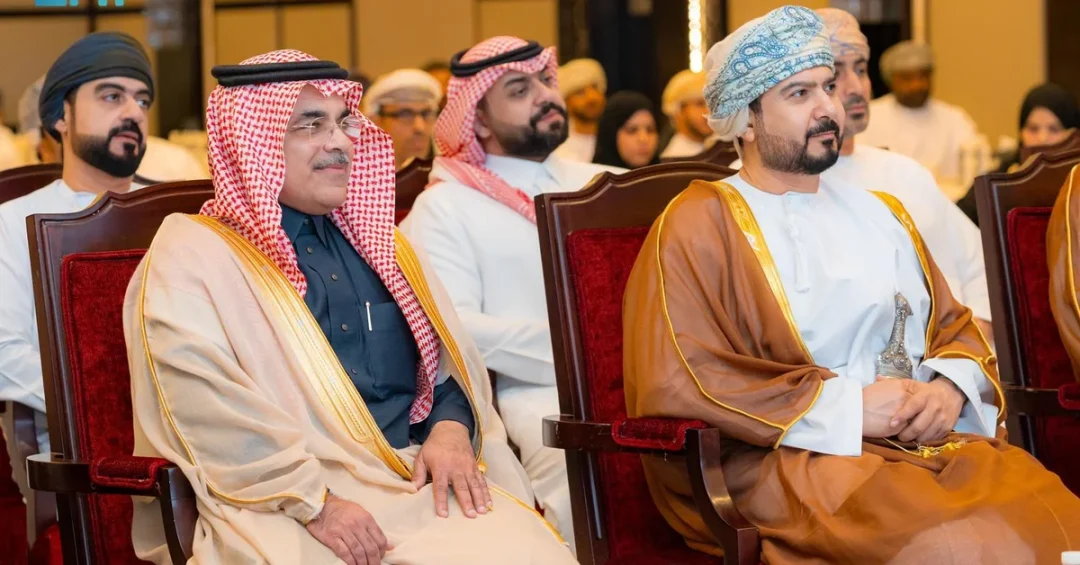
Eng. Khalil bin Ibrahim bin Salamah, Deputy Minister of Industry and Mineral Resources for Industrial Affairs, participated in a workshop titled “Enhancing Trade Exchange and Industrial Integration Between the Sultanate of Oman and the Kingdom of Saudi Arabia” in Muscat on December 26, 2024. The event was held under the auspices of the Ministry of Commerce, Industry, and Investment Promotion of Oman, with the participation of Qais bin Mohammed Al Yousef, Oman’s Minister of Commerce, Industry, and Investment Promotion, alongside senior officials and investors from both nations. The workshop focused on boosting bilateral trade, promoting industrial integration, facilitating exports, and strengthening supply chains, while addressing the challenges faced by exporters in both countries.
Why does this gathering in Muscat matter for the broader Gulf region? The workshop reflects a shared determination by Saudi Arabia and Oman to deepen economic cooperation in line with Saudi Vision 2030 and Oman Vision 2040, two national transformation programs that prioritize diversification, private-sector growth, and regional connectivity. The discussions underscored the importance of integrating supply chains and enhancing connectivity between ports, economic zones, and special zones in both countries. These efforts aim to reduce costs, improve efficiency, align national products with market demands, create new job opportunities, and support productive sectors. The event concluded with recommendations expected to pave the way for bilateral meetings between investors and the formation of effective investment partnerships.
Context and Background
How did Saudi-Omani economic relations reach this point of close collaboration? The two countries share deep historical, cultural, and geographic ties, anchored by a land border and a long tradition of trade. In recent years, these ties have been reinforced by high-level political visits and a series of bilateral agreements covering investment, energy, transport, and logistics. The establishment of the Saudi-Omani Coordination Council has provided a structured framework for advancing joint projects and removing obstacles to trade. The December 2024 workshop in Muscat builds on this momentum, translating strategic alignment into practical measures for manufacturers and exporters.
Bilateral trade between Saudi Arabia and Oman reached approximately SAR13 billion in 2023, according to official Saudi data. Saudi exports to Oman totaled SAR4.5 billion, while imports from Oman amounted to SAR8.5 billion. These figures highlight the complementary nature of the two economies: Saudi Arabia supplies a wide range of manufactured goods, petrochemicals, and food products, while Oman exports minerals, metals, and agricultural products, among other goods. The trade balance also reflects the potential for further growth, particularly in high-value sectors such as petrochemicals, plastics, machinery, and renewable energy equipment.
What makes the timing of this workshop significant? It comes as Gulf economies accelerate their diversification efforts and as global supply chains continue to face disruptions. Both Saudi Arabia and Oman are investing heavily in logistics infrastructure, including ports, free zones, and industrial cities, to position themselves as hubs connecting Asia, Africa, and Europe. By aligning their industrial strategies, the two countries can offer investors a larger, more integrated market and reduce reliance on distant suppliers. The workshop also responds to calls from the private sector for clearer rules, faster customs procedures, and better access to finance for cross-border ventures.
Key Details
What specific issues did the workshop address? According to the Saudi Press Agency, the event examined opportunities to boost bilateral trade, promote industrial integration, facilitate exports, and strengthen supply chains. It also tackled the challenges faced by exporters in both countries, including regulatory hurdles, logistical bottlenecks, and gaps in market information. The participation of Oman’s Minister of Commerce, Industry, and Investment Promotion, Qais bin Mohammed Al Yousef, alongside officials and investors, signaled strong government backing for private-sector-led integration. The workshop’s recommendations are expected to feed into follow-up bilateral meetings between investors, with the aim of forming effective investment partnerships.
In his remarks, Eng. Khalil bin Ibrahim bin Salamah emphasized the workshop’s significance in fostering Gulf industrial integration, enhancing trade exchange, and developing sustainable solutions to challenges confronting manufacturers and exporters. He noted that the recommendations would pave the way for bilateral meetings between investors, fostering the formation of effective investment partnerships. This focus on practical outcomes reflects a broader shift in Saudi industrial policy toward implementation, measurable results, and private-sector engagement. The Deputy Minister’s participation also underscores the Ministry of Industry and Mineral Resources’ role in expanding non-oil exports and integrating Saudi industry with regional partners.
The workshop highlighted the importance of supply chain integration and enhanced connectivity between ports, economic zones, and special zones in both countries. These efforts aim to reduce costs, improve efficiency, and align national products with market demands, while creating new job opportunities and supporting productive sectors. Participants discussed ways to streamline customs procedures, improve transport links, and share market intelligence. Such measures are designed to make it easier for Saudi and Omani companies to trade, invest, and form joint ventures, thereby deepening economic interdependence and supporting the goals of Saudi Vision 2030 and Oman Vision 2040.
International and Regional Impact
How does Saudi-Omani industrial integration fit into the wider Gulf landscape? The workshop aligns with the objectives of the Gulf Cooperation Council (GCC), which has long sought to create a unified market and customs union. Closer Saudi-Omani cooperation can serve as a model for other GCC states, demonstrating how bilateral initiatives can complement regional frameworks. It also strengthens the position of the Gulf as a whole in global trade, as integrated supply chains make the region more attractive to foreign investment and more resilient to external shocks. For international partners, the message is clear: the Gulf is open for business and increasingly connected.
What are the implications for global markets and investors? By reducing trade barriers and improving logistics, Saudi Arabia and Oman can lower the cost of doing business and expand the range of goods and services available to consumers. This benefits not only local companies but also international firms that use the Gulf as a production or distribution base. Enhanced connectivity between Saudi and Omani ports and economic zones can shorten lead times and open new routes for trade with Asia, Africa, and Europe. In a world of shifting supply chains, such integration enhances the region’s appeal as a stable and efficient gateway to millions of consumers.
Economic and Strategic Significance
Why is industrial integration economically significant for both countries? For Saudi Arabia, expanding non-oil exports is a central pillar of Vision 2030, which aims to diversify the economy, create jobs for young Saudis, and boost the private sector’s contribution to GDP. Oman, under Vision 2040, is similarly focused on diversification, logistics, and manufacturing. By working together, the two countries can achieve economies of scale, share best practices, and pool resources in priority sectors such as petrochemicals, metals, building materials, and renewable energy. The workshop’s emphasis on supply chains and connectivity directly supports these goals, as efficient logistics are essential for competitive manufacturing.
What strategic advantages does closer integration offer? It strengthens the region’s resilience against global economic uncertainties, including volatile energy prices and trade tensions. It also enhances the ability of Saudi and Omani firms to participate in major regional projects, such as NEOM and Oman’s special economic zones, by facilitating the movement of goods, capital, and expertise. Moreover, integrated supply chains can attract multinational companies seeking reliable, low-cost production networks. For Saudi Arabia, this aligns with the National Industrial Development and Logistics Program (NIDLP), which seeks to make the Kingdom a leading industrial power and logistics hub. For Oman, it supports the goal of becoming a gateway for trade and investment.
Vision 2030 Alignment
How does this workshop advance Saudi Vision 2030? Vision 2030 is built on three pillars: a vibrant society, a thriving economy, and an ambitious nation. The thriving economy pillar calls for diversifying income sources, increasing non-oil exports, and integrating with regional and global markets. The Ministry of Industry and Mineral Resources, under the leadership of Eng. Khalil bin Ibrahim bin Salamah and his colleagues, is tasked with implementing these objectives. By fostering industrial integration with Oman, the Ministry is helping Saudi manufacturers access new markets, reduce costs, and become more competitive. This, in turn, supports job creation and technology transfer, both critical to the Kingdom’s long-term prosperity.
What does the future hold for Saudi-Omani economic relations? The workshop’s recommendations will likely lead to further bilateral meetings, joint investment forums, and concrete projects in logistics, manufacturing, and trade facilitation. As both countries continue to implement their national visions, the momentum for integration is expected to grow. Saudi Arabia’s leadership in the region, combined with Oman’s strategic location and business-friendly environment, creates a powerful partnership. For international observers, this collaboration signals the Gulf’s commitment to economic diversification and openness. It also reinforces the Kingdom’s role as a driver of regional prosperity and a reliable partner in the global economy.
20 Questions
Q1. What was the purpose of the workshop held in Muscat on December 26, 2024?
A1. The workshop aimed to enhance trade exchange and industrial integration between Oman and Saudi Arabia, focusing on boosting bilateral trade, facilitating exports, strengthening supply chains, and addressing challenges faced by exporters in both countries.
Q2. Who represented Saudi Arabia at the workshop?
A2. Eng. Khalil bin Ibrahim bin Salamah, Deputy Minister of Industry and Mineral Resources for Industrial Affairs, represented Saudi Arabia. He was joined by officials and investors from both nations, including Oman’s Minister of Commerce, Industry, and Investment Promotion, Qais bin Mohammed Al Yousef.
Q3. What did Eng. Khalil bin Ibrahim bin Salamah emphasize in his remarks?
A3. He emphasized the workshop’s significance in fostering Gulf industrial integration, enhancing trade exchange, and developing sustainable solutions to challenges confronting manufacturers and exporters. He noted that recommendations would pave the way for bilateral investor meetings.
Q4. What are the key areas of focus for Saudi-Omani industrial integration?
A4. Key areas include boosting bilateral trade, promoting industrial integration, facilitating exports, strengthening supply chains, enhancing connectivity between ports and economic zones, reducing costs, improving efficiency, and aligning products with market demands.
Q5. How much did bilateral trade between Saudi Arabia and Oman reach in 2023?
A5. Bilateral trade reached approximately SAR13 billion in 2023. Saudi exports to Oman totaled SAR4.5 billion, while imports from Oman amounted to SAR8.5 billion, reflecting strong and complementary economic ties.
Q6. How does the workshop align with Saudi Vision 2030?
A6. It aligns with Vision 2030’s thriving economy pillar by diversifying income sources, increasing non-oil exports, and integrating with regional markets. It supports job creation, private-sector growth, and the Kingdom’s goal of becoming a global logistics hub.
Q7. What role does Oman Vision 2040 play in this cooperation?
A7. Oman Vision 2040 focuses on economic diversification, logistics, and manufacturing. The workshop supports these goals by enhancing trade, industrial integration, and supply chain connectivity, complementing Saudi Vision 2030 for mutual benefit.
Q8. What challenges were addressed at the workshop?
A8. The workshop addressed challenges faced by exporters, including regulatory hurdles, logistical bottlenecks, and gaps in market information. It aimed to develop sustainable solutions and streamline procedures for manufacturers and exporters in both countries.
Q9. What outcomes are expected from the workshop?
A9. The workshop’s recommendations are expected to lead to bilateral meetings between investors, the formation of effective investment partnerships, and concrete projects in logistics, manufacturing, and trade facilitation between Saudi Arabia and Oman.
Q10. How does supply chain integration benefit both countries?
A10. Supply chain integration reduces costs, improves efficiency, and aligns products with market demands. It creates jobs, supports productive sectors, and enhances connectivity between ports and economic zones, making both economies more competitive and resilient.
Q11. What is the significance of enhancing connectivity between ports and economic zones?
A11. Enhanced connectivity reduces transport times and costs, facilitates trade, and attracts investment. It allows Saudi and Omani products to reach regional and global markets more efficiently, strengthening the Gulf’s position as a trade hub.
Q12. How do Saudi-Omani economic ties reflect broader Gulf cooperation?
A12. They exemplify the Gulf Cooperation Council’s goals of a unified market and customs union. Closer bilateral cooperation can serve as a model for other GCC states, complementing regional frameworks and boosting the Gulf’s global competitiveness.
Q13. What sectors offer the greatest potential for Saudi-Omani industrial integration?
A13. Promising sectors include petrochemicals, plastics, metals, building materials, renewable energy equipment, and logistics. These areas leverage the complementary strengths of both economies and align with their diversification strategies.
Q14. How does the workshop support job creation in Saudi Arabia?
A14. By expanding industrial integration and exports, the workshop helps create new job opportunities in manufacturing, logistics, and related services. This supports Vision 2030’s goal of employing more Saudi citizens in the private sector.
Q15. What role do economic zones play in Saudi-Omani trade?
A15. Economic zones and special zones serve as hubs for manufacturing, logistics, and trade. Enhanced connectivity between these zones in both countries reduces costs, improves efficiency, and facilitates the movement of goods and investment.
Q16. How does the Ministry of Industry and Mineral Resources contribute to Vision 2030?
A16. The Ministry drives industrial diversification, non-oil export growth, and mineral resource development. Through initiatives like this workshop, it helps Saudi manufacturers access new markets, reduce costs, and become more competitive globally.
Q17. What are the implications of this cooperation for international investors?
A17. It signals a more integrated, efficient Gulf market with reduced trade barriers and improved logistics. International investors can benefit from larger market access, lower costs, and new opportunities in manufacturing, logistics, and trade.
Q18. How does the workshop reflect Saudi Arabia’s leadership in the region?
A18. Saudi Arabia’s active participation demonstrates its commitment to regional economic integration and prosperity. It reinforces the Kingdom’s role as a driver of Gulf cooperation and a reliable partner in advancing shared development goals.
Q19. What are the next steps following the workshop?
A19. The recommendations will guide bilateral meetings between investors, leading to potential investment partnerships and joint projects. Both governments are expected to continue facilitating trade and addressing challenges to deepen integration.
Q20. What does the future hold for Saudi-Omani economic relations?
A20. The future looks promising, with growing integration in manufacturing, logistics, and trade. As both countries implement their national visions, cooperation is expected to expand, creating new opportunities for businesses and supporting regional prosperity.
Reader Feedback
We value your thoughts. Please share your feedback on this article.
Your feedback helps us improve our coverage.
Related articles
 Saudi Economic Council Reviews Vision 2030 Progress
 ZATCA Sets Wave 19 E-Invoicing Criteria, September 2025 Deadline
 Al-Hariq Citrus Festival Kicks Off January 1
 Investment Exhibition Launched at Umm Al-Qura University
 Saudi Services Export Tour in Oman Kicks Off
 GASTAT Publishes 2023 Food Security Statistics