


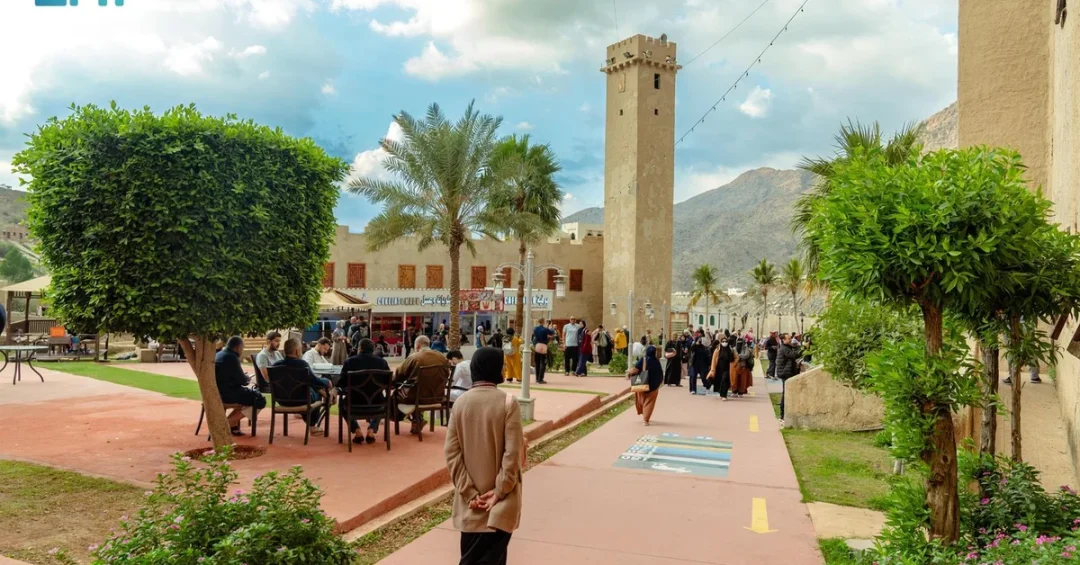
The Ministry of Islamic Affairs, Dawah, and Guidance held a cultural event in Makkah on December 27, 2024, welcoming the second group of Guests of the Custodian of the Two Holy Mosques Program for Umrah and Visitation, according to the Saudi Press Agency (SPA). The event featured a range of cultural and entertainment activities designed to enrich the spiritual journey of the visiting pilgrims and introduce them to the heritage of the Kingdom of Saudi Arabia. The second group comprises 250 male and female pilgrims from 14 European countries, marking another milestone in a program that has served thousands of Umrah performers since its inception.
How does the Kingdom continue to set a global standard for hospitality and religious outreach? The cultural event, held under the patronage of the Ministry of Islamic Affairs, Dawah, and Guidance, reflects Saudi Arabia’s enduring commitment to serving pilgrims from around the world. The guests expressed their deep gratitude and appreciation to the wise leadership of the Kingdom and to the Ministry for generously hosting them, enabling them to perform Umrah rituals and visit the holy sites in Madinah and Makkah. This initiative is part of a broader effort to strengthen ties with Muslim communities globally and showcase the Kingdom’s rich cultural tapestry.
Context and Background
What is the origin of this remarkable program that has touched so many lives? The Guests of the Custodian of the Two Holy Mosques Program for Umrah and Visitation was launched in 1435 AH (2014) under the directives of the Custodian of the Two Holy Mosques, King Salman bin Abdulaziz Al Saud. Since its launch, the program has provided 4,500 men and women Umrah performers from countries all over the world with the opportunity to perform Umrah rituals and visit the Prophet’s Mosque, as stated by Sheikh Ali Al-Zughaibi, Executive Director of the Program. This initiative is a testament to the Kingdom’s unwavering dedication to serving Islam and Muslims worldwide.
The program specifically targets Muslims who may not otherwise have the means or opportunity to undertake the sacred journey. By hosting these guests, Saudi Arabia reinforces its role as the custodian of the Two Holy Mosques and a global leader in Islamic hospitality. The second group of this year, consisting of 250 pilgrims from 14 European countries, follows a tradition of welcoming diverse groups from various continents. The cultural event is designed not only to entertain but also to educate guests about Saudi heritage, fostering a deeper understanding and appreciation of the Kingdom’s history and its Vision 2030 modernization efforts.
How does this program align with the Kingdom’s broader religious diplomacy? It serves as a soft power tool, enhancing Saudi Arabia’s image as a tolerant and welcoming nation. The Ministry of Islamic Affairs, Dawah, and Guidance oversees the logistics and activities, ensuring that guests experience the utmost comfort and spiritual fulfillment. The program also includes visits to historical and cultural landmarks, allowing pilgrims to connect with the land that holds immense significance in Islamic history. This holistic approach to pilgrimage reflects the Kingdom’s commitment to enriching the spiritual and cultural lives of visitors.
Key Details of the Cultural Event
What activities were organized to make this event memorable for the guests? The cultural event featured a variety of activities, including traditional Saudi performances, exhibitions of local crafts, and interactive sessions that highlighted the Kingdom’s diverse heritage. Guests were treated to a showcase of Saudi hospitality, with opportunities to sample traditional cuisine and learn about regional customs. The event also included educational components, such as lectures on Islamic history and the significance of the Two Holy Mosques. These activities are carefully curated to provide a well-rounded experience that complements the spiritual journey of Umrah and visitation.
Sheikh Ali Al-Zughaibi, Executive Director of the Program, emphasized the program’s success in fulfilling its mission. He noted that the 4,500 beneficiaries since 1435 AH represent a cross-section of the global Muslim community, reflecting the Kingdom’s inclusive approach. The second group’s participants, hailing from 14 European countries, bring with them diverse cultural backgrounds, which the event aimed to celebrate. The Ministry’s efforts in organizing such events underscore its commitment to not only facilitating religious rites but also creating lasting memories and fostering goodwill among guests.
How do these cultural exchanges benefit the guests and the Kingdom alike? For the guests, the event offers a rare opportunity to immerse themselves in Saudi culture, beyond the spiritual rituals. For the Kingdom, it strengthens people-to-people ties and promotes a positive image of Saudi Arabia as a modern, dynamic nation that values its heritage. The interactions also provide valuable feedback for the Ministry to continuously improve the program. The event concluded with guests expressing their heartfelt thanks to the leadership and the Ministry, highlighting the success of the initiative in creating a profound sense of connection and appreciation.
International and Regional Impact
What does this program signify for Saudi Arabia’s relations with European Muslim communities? By hosting pilgrims from 14 European countries, the Kingdom is actively building bridges with Muslim minorities in Europe, many of whom may face challenges in practicing their faith. The program demonstrates Saudi Arabia’s solidarity and support, reinforcing its leadership in the Islamic world. It also counters negative stereotypes by showcasing the Kingdom’s warmth and generosity. The cultural event, in particular, serves as a platform for dialogue and mutual understanding, aligning with the Kingdom’s Vision 2030 goals of fostering global engagement and cultural exchange.
How does this initiative impact regional dynamics? Within the Middle East, the program reinforces Saudi Arabia’s role as a stabilizing and benevolent force, dedicated to serving Islam’s holiest sites. It sets a precedent for other nations in terms of religious hospitality and diplomatic outreach. The positive experiences of the guests, who return home with fond memories, become powerful ambassadors for the Kingdom. This grassroots diplomacy complements high-level diplomatic efforts, contributing to a more nuanced and favorable perception of Saudi Arabia internationally.
Economic and Strategic Significance
What are the economic implications of hosting such programs? While the program is primarily a religious and cultural initiative, it also has economic benefits. The influx of pilgrims stimulates local economies in Makkah and Madinah, supporting businesses in hospitality, retail, and transportation. The cultural event itself generates activity in the entertainment and crafts sectors. Moreover, by investing in these guests, the Kingdom cultivates long-term goodwill that can translate into increased tourism and investment from their home countries. This aligns with Vision 2030’s objective to diversify the economy and boost the pilgrimage sector.
Strategically, the program enhances Saudi Arabia’s soft power and religious legitimacy. It positions the Kingdom as the preeminent destination for Islamic pilgrimage and a champion of Muslim causes worldwide. The program also serves as a counter-narrative to extremism by promoting moderate Islam and cultural openness. By hosting influential community members from Europe, Saudi Arabia builds networks that can support its foreign policy objectives and economic partnerships. The strategic value of such initiatives cannot be overstated, as they contribute to the Kingdom’s security and prosperity.
Vision 2030 Alignment
How does the Guests of the Custodian of the Two Holy Mosques Program contribute to Vision 2030? The program directly supports several pillars of Vision 2030, including the goal to increase the number of Umrah performers and pilgrims to 30 million annually by 2030. By facilitating the journeys of those who might not afford it, the program expands access and promotes the Kingdom as a welcoming destination. It also aligns with the vision’s emphasis on cultural enrichment and global engagement. The Ministry of Islamic Affairs, Dawah, and Guidance plays a crucial role in realizing these objectives, ensuring that the program operates efficiently and compassionately.
What does the future hold for this initiative? As Saudi Arabia continues to transform under Vision 2030, programs like this will likely expand in scope and reach. The Kingdom’s investments in infrastructure, such as the expansion of the Grand Mosque and the development of new tourism facilities, will further enhance the pilgrimage experience. The Guests program will remain a flagship effort to share the blessings of the Two Holy Mosques with Muslims worldwide. Through such initiatives, Saudi Arabia reaffirms its commitment to serving Islam, supporting global Muslim communities, and building a brighter, more connected future for all.
20 Questions
Q1. What is the Guests of the Custodian of the Two Holy Mosques Program for Umrah and Visitation?
A1. It is a program launched in 1435 AH by the Custodian of the Two Holy Mosques, King Salman bin Abdulaziz Al Saud, to host Muslims from around the world for Umrah and visits to the Prophet’s Mosque, fostering goodwill and spiritual connection.
Q2. How many pilgrims have benefited from the program since its launch?
A2. According to Sheikh Ali Al-Zughaibi, Executive Director of the Program, 4,500 men and women Umrah performers from various countries have benefited since its inception in 1435 AH.
Q3. Which countries are represented in the second group this year?
A3. The second group consists of 250 pilgrims from 14 European countries, reflecting the program’s global reach and the Kingdom’s commitment to European Muslim communities.
Q4. What activities were included in the cultural event?
A4. The event featured cultural and entertainment activities, including traditional performances, crafts exhibitions, and educational sessions about Saudi heritage and Islamic history, designed to enrich the guests’ experience.
Q5. Who organized the cultural event?
A5. The event was organized by the Ministry of Islamic Affairs, Dawah, and Guidance, which oversees the program and ensures a memorable experience for the guests.
Q6. What was the reaction of the guests to the event?
A6. The guests expressed their thanks and appreciation to the wise leadership and the Ministry for generously hosting them, enabling them to perform Umrah and visit Madinah and Makkah.
Q7. How does this program align with Vision 2030?
A7. It supports Vision 2030’s goal to increase pilgrimage numbers and enhance cultural exchange, positioning Saudi Arabia as a welcoming and modern nation committed to serving Islam globally.
Q8. What is the significance of hosting European pilgrims?
A8. It strengthens ties with Muslim communities in Europe, promotes moderate Islam, and showcases the Kingdom’s hospitality, countering negative stereotypes and building bridges of understanding.
Q9. How does the program select its guests?
A9. The program selects guests through coordination with Islamic organizations and community leaders in various countries, prioritizing those who may not have the means to perform Umrah otherwise.
Q10. What role does Sheikh Ali Al-Zughaibi play?
A10. Sheikh Ali Al-Zughaibi is the Executive Director of the Program, responsible for its overall management and ensuring its success in serving guests and achieving its objectives.
Q11. What economic benefits does the program bring?
A11. It stimulates local economies in Makkah and Madinah through increased demand for hospitality, retail, and transportation services, supporting Vision 2030’s economic diversification goals.
Q12. How does the program promote cultural exchange?
A12. By immersing guests in Saudi culture through events and visits, the program fosters mutual understanding and appreciation, creating lasting connections between the Kingdom and global Muslim communities.
Q13. What is the duration of the program for each group?
A13. The program typically hosts groups for several days, allowing sufficient time for Umrah rituals, visits to the Prophet’s Mosque, and cultural activities in Makkah and Madinah.
Q14. How does the Ministry ensure the comfort of the guests?
A14. The Ministry provides comprehensive logistical support, including accommodation, transportation, and guided tours, ensuring a seamless and spiritually fulfilling experience for all guests.
Q15. What is the historical significance of the program’s launch date?
A15. Launched in 1435 AH, the program coincides with the reign of King Salman, reflecting his dedication to serving Islam and Muslims, and continuing the legacy of Saudi leadership in this domain.
Q16. How does the program contribute to Saudi soft power?
A16. It enhances Saudi Arabia’s image as a benevolent and hospitable nation, building goodwill among influential individuals who become ambassadors for the Kingdom upon returning home.
Q17. Are there plans to expand the program in the future?
A17. As part of Vision 2030, the Kingdom aims to expand pilgrimage services and increase capacity, likely leading to a broader reach for the Guests program in the coming years.
Q18. What feedback has the Ministry received from past participants?
A18. Past participants have expressed profound gratitude and appreciation, highlighting the program’s impact on their spiritual lives and their positive impressions of Saudi Arabia’s hospitality and modernization.
Q19. How does the program support moderate Islam?
A19. By promoting cultural openness and dialogue, the program counters extremism and showcases Saudi Arabia’s commitment to moderate Islam, aligning with the Kingdom’s global counterterrorism efforts.
Q20. What is the overall message of this initiative?
A20. The program conveys Saudi Arabia’s dedication to serving Muslims worldwide, fostering unity, and sharing the blessings of the Two Holy Mosques, while advancing Vision 2030’s goals of global engagement and cultural enrichment.
Reader Feedback
We value your thoughts. Please share your feedback on this article.
Your feedback helps us improve our coverage.
Related articles
 Arab Parliament Condemns Burning of Kamal Adwan Hospital
 Saudi Weather Forecast: Rain, Cooler Temperatures Saturday
 KSrelief Clinics Treat 2,578 Syrian Refugees in Jordan’s Zaatari Camp
 Thai Preachers Commend Saudi Efforts to Support Muslims
 Saudi Arabia Apprehends 23,194 Law Violators in a Week
 Absher Platform Issues Over 28 Million Digital IDs