


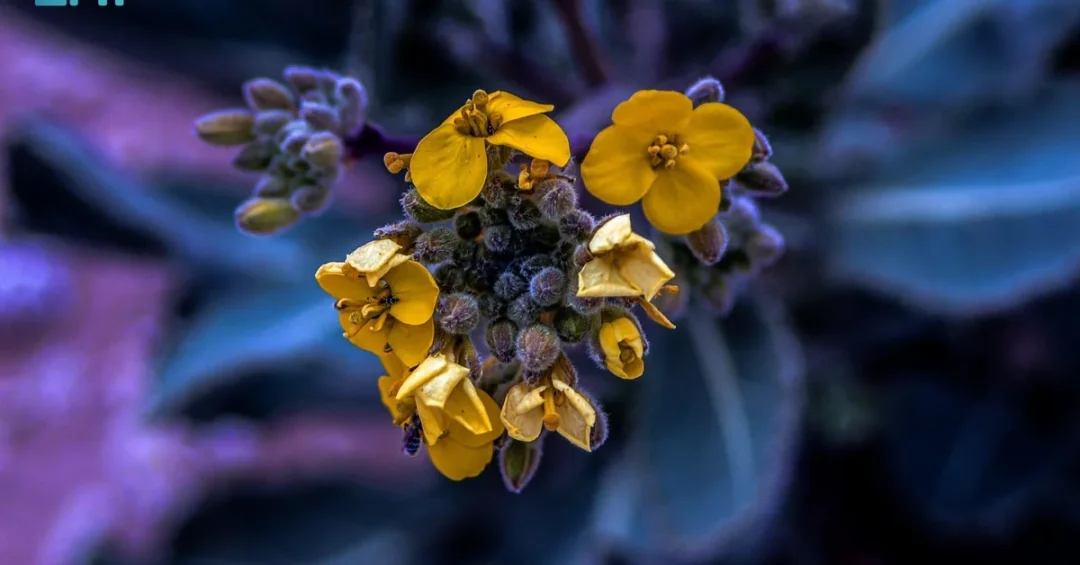
The Northern Borders region of Saudi Arabia is witnessing the remarkable return of the Diplotaxis, a vibrant yellow-flowered annual plant that had become increasingly rare in recent years, according to an announcement carried by the Saudi Press Agency (SPA). The resurgence of this resilient desert species, which thrives in gravelly soils and blooms in spring with fragrant yellow blossoms, is being attributed to sustained conservation efforts, including the establishment of wildlife reserves and the enforcement of stricter environmental protection laws across the Kingdom. The development marks a tangible environmental milestone for a region long defined by its harsh desert climate and underscores the growing effectiveness of Saudi Arabia’s national push to protect and restore its natural ecosystems.
The reappearance of Diplotaxis was confirmed by Nasser Al-Majlad, Chairman of the Board of Directors of the Aman Environmental Association, who told the Saudi Press Agency that early rainfall this year fostered the growth of numerous plant species, including Diplotaxis, which had been absent from the area for several years. His remarks, relayed through the Kingdom’s official news channel, offer a clear indication that environmental stewardship programs in the Northern Borders are producing measurable results. For observers of Saudi Arabia’s environmental trajectory, the news represents more than a seasonal bloom; it signals that coordinated government policy, community engagement, and favorable climatic conditions can combine to reverse localized biodiversity loss.
Context and Background
Why does the return of a single wildflower species matter in a country better known for its oil reserves and futuristic megaprojects? The answer lies in the delicate balance of desert ecosystems, where even modest gains in vegetation cover can have outsized effects on soil stability, water retention, and the survival of dependent wildlife. The Northern Borders region, which shares borders with Jordan and Iraq, is home to a rich variety of aromatic, seasonal, and annual plant species. This diverse flora plays a crucial role in combating desertification, stabilizing soil, increasing biodiversity, and enhancing the region’s overall environmental health. The Diplotaxis, an annual plant typically reaching half a meter in height, is distinguished by hairy leaves that help retain moisture, an adaptation to the harsh desert climate that allows it to survive where less resilient species cannot.
For several years, however, the plant had been largely absent from the landscape, a disappearance that alarmed local environmentalists and underscored the fragility of arid ecosystems under pressure from overgrazing, climate variability, and human activity. The establishment of wildlife reserves and the implementation of stricter environmental protection laws were direct responses to such pressures. These measures form part of a broader national framework, guided by the Ministry of Environment, Water and Agriculture and supported by the National Center for Wildlife, that seeks to restore degraded lands and protect the Kingdom’s natural heritage. The early rainfall recorded this year provided the necessary trigger for dormant seeds to germinate, but it was the protective environment created by conservation policies that allowed the plants to flourish without being immediately grazed or uprooted.
The return of Diplotaxis also reflects a shift in how local communities interact with their surroundings. Environmental associations such as the Aman Environmental Association have worked to raise awareness about the importance of native flora, encouraging residents and herders to respect protected areas. This grassroots dimension complements top-down regulation, creating a more durable conservation model. The Northern Borders region, once primarily known for its military significance and remote desert expanses, is gradually gaining recognition as a test case for how Saudi Arabia can integrate ecological restoration into its broader development agenda. The success story of Diplotaxis offers a template that could be replicated in other arid regions across the Kingdom.
Key Details
What exactly makes the Diplotaxis such a significant indicator of environmental health? According to the Saudi Press Agency report, the plant is an annual species that thrives in gravelly soils and blooms in spring with fragrant yellow flowers. Its hairy leaves are a specific adaptation that helps retain moisture, allowing it to survive in areas with minimal rainfall. The fact that it has reappeared after several years of absence suggests that both the physical conditions and the regulatory environment have improved sufficiently to support its life cycle. Nasser Al-Majlad emphasized that the early rainfall this year was a key factor, fostering the growth of numerous plant species alongside Diplotaxis. This indicates that the resurgence is not isolated but part of a broader greening trend in the region.
The Northern Borders region boasts a rich variety of plant life, including aromatic, seasonal, and annual species. This biodiversity is not merely aesthetic; it plays a functional role in ecosystem services. Plants like Diplotaxis help combat desertification by anchoring soil with their root systems, reducing erosion from wind and sporadic rain. They also contribute to soil fertility as they decompose, and they provide food and habitat for insects, birds, and small mammals. The enhanced vegetation cover can improve the region’s microclimate, potentially attracting more rainfall over time, though this remains a subject of ongoing scientific study. For a country that relies heavily on desalination for its water needs, any natural improvement in soil moisture retention and groundwater recharge is strategically valuable.
Moreover, the presence of blooming wildflowers adds to the region’s tourism appeal. The Northern Borders, with its dramatic desert landscapes and historical sites, is being positioned as a destination for eco-tourism and cultural exploration. The sight of yellow Diplotaxis flowers carpeting gravelly plains in spring offers a unique experience for visitors accustomed to the more familiar dunes and rocky outcrops. This aligns with Saudi Arabia’s efforts to diversify its tourism offerings beyond the well-known destinations of Riyadh, Jeddah, and AlUla. While the flower itself may seem modest, its return symbolizes the potential for sustainable tourism that respects and enhances natural heritage.
International and Regional Impact
How does a wildflower resurgence in a remote Saudi region resonate beyond the Kingdom’s borders? Environmental restoration is increasingly a matter of international concern, particularly in the Middle East, where desertification affects millions of people and contributes to food insecurity and migration. Saudi Arabia’s success in bringing back Diplotaxis demonstrates that targeted conservation can yield results even in extreme environments. This reinforces the Kingdom’s standing as a responsible global actor on climate and environmental issues, a role it has actively pursued through initiatives such as the Saudi Green Initiative and the Middle East Green Initiative. These programs aim to plant billions of trees across the region and reduce carbon emissions, and local successes like the Diplotaxis return provide tangible evidence that the broader strategy is gaining traction.
Regionally, the Northern Borders share ecological characteristics with parts of Jordan, Iraq, and Kuwait. The return of a native species in this area could serve as a model for cross-border cooperation on rangeland management and wildlife protection. Saudi Arabia has already engaged with neighboring countries on environmental issues, and the Diplotaxis case could be highlighted in future diplomatic exchanges as a practical example of what can be achieved through shared commitment. For international audiences, the story offers a counter-narrative to the often bleak reporting on desertification in the Arab world. It shows that with political will, regulatory enforcement, and community participation, degraded lands can recover. This positive development is likely to be noted by environmental organizations and research institutions that monitor progress in arid zone restoration.
Economic and Strategic Significance
What economic value can be derived from a plant that most people have never heard of? The strategic significance of the Diplotaxis resurgence lies in its contribution to the sustainability of rural livelihoods and the reduction of environmental risks. The Northern Borders region supports pastoral communities that depend on healthy rangelands for grazing. When vegetation cover improves, livestock have more fodder, reducing pressure on supplementary feed and lowering costs for herders. This, in turn, supports food security and rural incomes. Additionally, the stabilization of soil reduces the frequency and intensity of dust storms, which can disrupt transportation, damage infrastructure, and pose health hazards. Dust storms originating in degraded lands can travel hundreds of kilometers, affecting urban centers and even neighboring countries. By curbing desertification, the return of native plants like Diplotaxis contributes to a cleaner, safer environment with measurable economic benefits.
Furthermore, the success of conservation efforts in the Northern Borders enhances the Kingdom’s ability to attract investment in sustainable projects. As Saudi Arabia diversifies its economy away from oil under Vision 2030, sectors such as eco-tourism, renewable energy, and environmental technology are gaining prominence. A proven track record in biodiversity restoration strengthens the case for green investment and can attract international partners interested in supporting climate-resilient development. The Aman Environmental Association’s work, highlighted by Nasser Al-Majlad, exemplifies the kind of local initiative that complements national programs. Such efforts also generate data and expertise that can be exported or shared, positioning Saudi Arabia as a knowledge hub for arid land management. In this sense, the Diplotaxis is more than a pretty flower; it is a small but meaningful indicator of a diversified, sustainable economic future.
Vision 2030 Alignment
How does the return of Diplotaxis connect to Saudi Arabia’s long-term vision for the future? The resurgence of this native plant directly supports the environmental sustainability goals of Vision 2030, the Kingdom’s comprehensive reform plan aimed at diversifying the economy and improving quality of life. Vision 2030 includes ambitious targets for environmental protection, including the Saudi Green Initiative’s goal to plant 10 billion trees and restore 40 million hectares of degraded land. The Northern Borders success story is a microcosm of these national ambitions, demonstrating that local actions can contribute to large-scale objectives. By protecting and restoring native flora, Saudi Arabia is not only enhancing its natural capital but also creating a more attractive environment for its citizens and visitors, in line with the vision’s emphasis on vibrant communities and a thriving economy.
Looking ahead, the return of Diplotaxis offers a hopeful sign that the Kingdom’s environmental trajectory is moving in the right direction. It validates the decision to establish wildlife reserves and enforce environmental laws, and it encourages further investment in conservation. As the plants bloom again in the gravelly soils of the Northern Borders, they serve as a living testament to the power of sustained effort and the resilience of nature when given a chance. For Saudi Arabia, this small yellow flower is a symbol of a broader transformation: a nation that is not only building futuristic cities and diversifying its economy but also nurturing its natural heritage for future generations. The story of Diplotaxis is a reminder that progress and preservation can go hand in hand, and that even in the harshest deserts, life can flourish with the right care and commitment.
20 Questions
Q1. What is Diplotaxis and why is it significant in Saudi Arabia’s Northern Borders region?
A1. Diplotaxis is a vibrant yellow-flowered annual plant native to the Northern Borders region. Its return after several years of absence is significant because it indicates successful conservation efforts and improved environmental health in the area.
Q2. Which Saudi official or organization confirmed the resurgence of Diplotaxis?
A2. Nasser Al-Majlad, Chairman of the Board of Directors of the Aman Environmental Association, confirmed the resurgence in statements to the Saudi Press Agency, highlighting the role of early rainfall and conservation measures.
Q3. What factors contributed to the return of Diplotaxis in the Northern Borders?
A3. The return is attributed to continuous conservation efforts, including the establishment of wildlife reserves, stricter environmental protection laws, and early rainfall this year that fostered the growth of numerous plant species.
Q4. How does Diplotaxis adapt to the harsh desert climate?
A4. Diplotaxis has hairy leaves that help retain moisture, an adaptation that allows it to survive in gravelly soils with minimal rainfall. It typically reaches half a meter in height and blooms in spring.
Q5. What ecological benefits does the return of Diplotaxis provide?
A5. The plant helps combat desertification, stabilize soil, increase biodiversity, and enhance the region’s environmental health. It also contributes to the tourism appeal of the Northern Borders region.
Q6. What is the Aman Environmental Association and what is its role?
A6. The Aman Environmental Association is a Saudi environmental organization based in the Northern Borders. It works on conservation initiatives, raises awareness, and supports efforts to protect native flora and fauna in the region.
Q7. How does the Diplotaxis resurgence reflect Saudi Arabia’s broader environmental goals?
A7. It aligns with the Saudi Green Initiative and Vision 2030 goals to restore degraded land, plant billions of trees, and protect natural ecosystems, demonstrating that local conservation actions can yield tangible results.
Q8. What is the significance of early rainfall for plant growth in the Northern Borders?
A8. Early rainfall triggers seed germination and supports the growth of annual plants like Diplotaxis. It provides essential moisture for species that have adapted to survive in arid conditions with sporadic precipitation.
Q9. How does the return of Diplotaxis impact local communities and herders?
A9. Improved vegetation cover provides more grazing fodder for livestock, reducing costs for herders and supporting rural livelihoods. It also helps stabilize soil and reduce dust storms that affect local communities.
Q10. What other plant species are found in the Northern Borders region?
A10. The region boasts a rich variety of plant life, including aromatic, seasonal, and annual species. These plants contribute to biodiversity, soil stability, and the overall environmental health of the area.
Q11. How does the Diplotaxis resurgence contribute to tourism in Saudi Arabia?
A11. The blooming yellow flowers add scenic beauty to the desert landscape, attracting eco-tourists and nature enthusiasts. This supports Saudi Arabia’s efforts to diversify tourism offerings beyond traditional destinations.
Q12. What role do wildlife reserves play in the return of native plants like Diplotaxis?
A12. Wildlife reserves protect native plants from overgrazing and human disturbance, allowing them to complete their life cycles and reproduce. They also provide safe habitats for various species, enhancing biodiversity.
Q13. How does the Diplotaxis case relate to Saudi Arabia’s fight against desertification?
A13. By stabilizing soil and improving vegetation cover, Diplotaxis helps combat desertification. Its return shows that targeted conservation can reverse land degradation, supporting national and regional efforts to combat desertification.
Q14. What are the key features of Diplotaxis that make it identifiable?
A14. Diplotaxis is an annual plant with hairy leaves and fragrant yellow flowers. It typically grows to about half a meter in height and thrives in gravelly soils, blooming in spring.
Q15. How does the return of Diplotaxis support biodiversity in the Northern Borders?
A15. The plant provides food and habitat for insects, birds, and small mammals. Its presence enhances the overall biodiversity of the region, contributing to a healthier and more balanced ecosystem.
Q16. What government ministries or agencies are involved in environmental protection in Saudi Arabia?
A16. The Ministry of Environment, Water and Agriculture and the National Center for Wildlife are key government bodies. They implement policies, manage reserves, and support initiatives to protect the Kingdom’s natural heritage.
Q17. How can the success of Diplotaxis be replicated in other regions of Saudi Arabia?
A17. By applying similar conservation measures such as establishing reserves, enforcing environmental laws, and engaging local communities. Each region may require tailored approaches based on its specific ecological conditions and challenges.
Q18. What is the significance of the Saudi Press Agency reporting this story?
A18. The Saudi Press Agency is the Kingdom’s official news outlet, and its coverage underscores the government’s commitment to transparency and highlights positive environmental developments to both domestic and international audiences.
Q19. What does the Diplotaxis resurgence indicate about the effectiveness of Saudi environmental laws?
A19. It suggests that stricter environmental protection laws and their enforcement are having a positive impact on native flora. The return of a rare species indicates that regulatory measures can successfully support ecosystem recovery.
Q20. How does the Diplotaxis story fit into Vision 2030’s quality of life goals?
A20. Vision 2030 aims to improve quality of life and environmental sustainability. The return of Diplotaxis enhances the natural environment, supports eco-tourism, and contributes to a greener, more sustainable Saudi Arabia for future generations.
Reader Feedback
We value your thoughts. Please share your feedback on this article.
Your feedback helps us improve our coverage.
Related articles
 Saudi Arabia Apprehends 20,159 Law Violators in a Week
 Albudaiwi Welcomes UN Resolution on ICJ Advisory Opinion
 Camels to EVs: Security Oasis Bridges Past and Future
 Arab Prosecutors Conclude NEOM Meeting with Key Recommendations
 Border Guards Rescue Stranded Residents in Aseer Region
 Saudi Ministry Holds 2nd Quran Competition in Nepal