


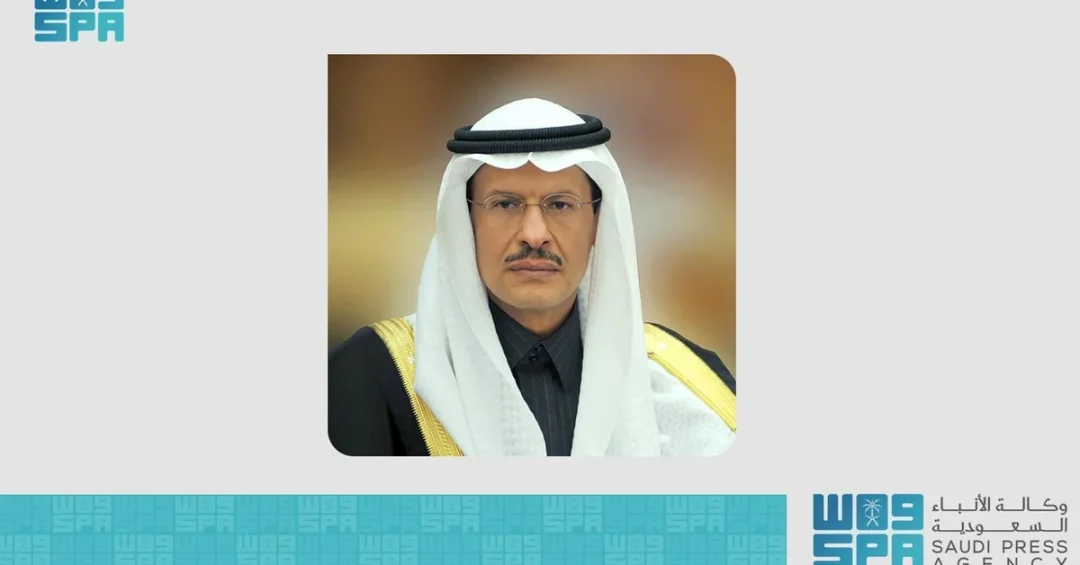
Prince Abdulaziz bin Salman, Minister of Energy and Chairman of the Board of Trustees of the King Abdullah Petroleum Studies and Research Center (KAPSARC), sponsored the annual ceremony for the 2024 KAPSARC Arabic Award in Riyadh on December 21, 2024. The event, organized by KAPSARC in partnership with the King Salman Global Academy for Arabic Language (KSGAAL), honored the winners of the award’s third edition and took place in conjunction with World Arabic Language Day, celebrated annually on December 18. The ceremony brought together prominent figures and experts in Arabic language, energy, and contemporary sciences, underscoring the Kingdom’s commitment to bridging linguistic heritage with scientific progress. Could there be a more fitting moment to celebrate the Arabic language than when the Kingdom is accelerating toward a knowledge-driven future?
The KAPSARC Arabic Award, launched in 2022, is designed to promote scientific writing in Arabic and enrich Arabic content in specialized fields such as energy, economics, and the environment. This year’s edition marked a significant expansion in participation, welcoming academics, postgraduate students from Saudi universities, and authors and translators across the Kingdom for the first time. The ceremony not only recognized outstanding contributions but also reinforced the vital role of Arabic as a language of science, innovation, and cultural identity. As Saudi Arabia continues its ambitious transformation under Vision 2030, such initiatives highlight how tradition and modernity can coexist and thrive together. How does a language remain dynamic in an era of rapid technological change? The answer, as the event demonstrated, lies in deliberate investment and inclusive engagement.
Context and Background
The KAPSARC Arabic Award was established in 2022 as part of a broader effort to strengthen the Arabic language’s presence in specialized scientific domains. While Arabic has historically been a language of scholarship and discovery, its contemporary use in fields like energy, economics, and environmental studies has sometimes lagged behind English. The award seeks to reverse this trend by incentivizing high-quality Arabic writing and translation. It also aims to support innovators in the energy sector and encourage researchers to contribute to knowledge production in Arabic. The initiative reflects a strategic recognition that linguistic diversity enriches scientific discourse and ensures that knowledge remains accessible to Arabic-speaking communities. Isn’t it essential for a language of global heritage to also be a language of future discovery?
World Arabic Language Day, observed on December 18 each year, commemorates the United Nations’ adoption of Arabic as an official language in 1973. It celebrates the language’s immense cultural and historical contributions and seeks to promote its continued use in all spheres of life. By aligning the award ceremony with this global observance, KAPSARC and KSGAAL underscore the Kingdom’s dual commitment to honoring Arabic’s past and empowering its future. The partnership between KAPSARC, a leading energy research center, and KSGAAL, a dedicated language academy, symbolizes the interdisciplinary approach needed to advance Arabic in specialized fields. How can a language thrive in the 21st century without active cultivation in science and technology? This collaboration provides a compelling model.
Key Details
During the ceremony, Prince Abdulaziz bin Salman delivered a keynote address emphasizing the deep connection between Arabic and national identity. “Arabic is not just a means of communication but the essence of our cultural identity and a cornerstone of our scientific and social development,” he stated. He further noted that in light of the Kingdom’s significant transformations, there is a commitment to advancing this great heritage to keep pace with the modern era by unifying and enriching terminology to reflect innovation and progress. The Minister highlighted that Arabic, as it has been throughout history, is capable of being a language of science and the future, embodying the vision and aspirations for building an advanced knowledge society. This vision, he said, is reaffirmed by Saudi Vision 2030, which positions Arabic as an inseparable part of national identity and a fundamental element in achieving scientific and cultural advancements, as well as comprehensive development. Could any development be more foundational than strengthening the language that carries a nation’s identity?
Fahad Alajlan, President of KAPSARC, highlighted the award’s growing success in achieving its objectives of enriching Arabic content in specialized fields such as energy, economics, and the environment. He noted that this year’s edition witnessed a significant expansion in participation, allowing contributions from academics, postgraduate students from Saudi universities, and authors and translators in the Kingdom for the first time. Alajlan also underscored KAPSARC’s commitment to promoting the use of Arabic in scientific fields and encouraging diverse groups to contribute to enriching Arabic content in these vital areas. The increased participation signals a rising interest among Saudi scholars and professionals in producing and disseminating knowledge in their native language. What does this broadening engagement tell us about the future of Arabic in specialized research? It suggests a growing confidence and capability within the Kingdom’s academic and professional communities.
Dr. Abdullah Al-Washmi, Secretary-General of the King Salman Global Academy for Arabic Language, emphasized Arabic’s cultural aspect and called for more efforts to increase its presence in fields such as energy, science, medicine, astronomy, and artificial intelligence. His remarks pointed to the need for sustained investment in terminology development and content creation to ensure Arabic remains competitive in cutting-edge disciplines. The award ceremony thus served as both a celebration of past achievements and a call to action for future endeavors. By honoring winners and highlighting exemplary contributions, the event sets a benchmark for excellence and inspires others to follow suit. How can institutions ensure that Arabic not only keeps pace but also leads in emerging fields? Continuous collaboration and innovation will be key.
International and Regional Impact
The KAPSARC Arabic Award carries significance beyond Saudi borders. Arabic is spoken by over 400 million people worldwide and serves as a liturgical language for billions of Muslims. Enhancing its role in scientific discourse contributes to global knowledge diversity and ensures that Arabic-speaking populations can access and contribute to advancements in energy, economics, and environmental studies. The award also positions Saudi Arabia as a leader in cultural diplomacy and knowledge exchange, aligning with its broader efforts to foster international cooperation. By celebrating Arabic’s capacity to articulate complex scientific concepts, the Kingdom sends a message that linguistic heritage and modern research are mutually reinforcing. Might other nations look to this model as they seek to preserve their own languages in an era of globalization?
Regionally, the initiative supports the Arab world’s collective efforts to promote Arabic in higher education and research. Many Arab countries face challenges in generating scientific content in Arabic, often relying on English or French. The KAPSARC award offers a tangible incentive for scholars to write in Arabic and for translators to render key works into the language. It also strengthens ties between Saudi Arabia and other Arabic-speaking nations by fostering a shared commitment to linguistic advancement. The partnership with KSGAAL, which has a mandate to enhance Arabic’s global presence, further amplifies the impact. In a region rich with talent and ambition, could this award become a catalyst for a broader renaissance in Arabic scientific writing? The potential is immense.
Economic and Strategic Significance
From an economic perspective, enriching Arabic content in energy, economics, and environmental fields supports Saudi Arabia’s Vision 2030 goals of diversifying the economy and building a knowledge-based society. As the Kingdom invests in renewable energy, advanced technologies, and sustainable development, the need for specialized Arabic terminology and research grows. By encouraging Arabic-language scholarship, KAPSARC helps create a reservoir of knowledge that can inform policy, drive innovation, and enhance local expertise. This, in turn, reduces reliance on external sources and strengthens the national innovation ecosystem. Moreover, the award nurtures a pipeline of skilled professionals who can communicate complex ideas effectively in Arabic, thereby improving the dissemination of critical information across sectors. Isn’t it clear that language is an economic asset as much as a cultural one?
Strategically, the award reinforces Saudi Arabia’s soft power and its role as a custodian of Arabic heritage. The Kingdom already hosts numerous initiatives to promote Arabic, including the King Salman Global Academy and the annual World Arabic Language Day celebrations. By linking these efforts to scientific fields, Saudi Arabia demonstrates that it values both tradition and progress. This balanced approach resonates with international partners and enhances the Kingdom’s image as a forward-looking, culturally rooted nation. Furthermore, the award aligns with the objectives of the Human Capability Development Program, a Vision 2030 initiative aimed at empowering citizens through education and skills development. How can a nation compete globally without a strong foundation in its own language and knowledge production? This award is a step toward ensuring that foundation is solid.
Vision 2030 Alignment
The KAPSARC Arabic Award is a direct manifestation of Saudi Vision 2030’s emphasis on cultural enrichment and knowledge economy. Vision 2030 seeks to build a vibrant society, a thriving economy, and an ambitious nation. By promoting Arabic in scientific domains, the award contributes to all three pillars: it strengthens cultural identity, enhances economic competitiveness through innovation, and empowers individuals to contribute to national progress. The initiative also supports the Vision’s goal of increasing the number of Saudi researchers and enhancing research output. As the Kingdom continues to transform, such programs ensure that Arabic remains at the heart of its development narrative, not as a relic of the past but as a living, evolving tool for the future. Could any vision for the future be complete without a robust commitment to the language that defines its people?
Looking ahead, the KAPSARC Arabic Award is poised to grow in scope and influence. With each edition, it attracts more participants and raises the bar for Arabic scientific writing. The collaboration between KAPSARC and KSGAAL serves as a model for other institutions seeking to integrate language and research. As Saudi Arabia advances toward its Vision 2030 targets, the award will continue to celebrate excellence, inspire innovation, and reinforce the Kingdom’s leadership in both energy and cultural preservation. The ceremony on December 21 was not merely a recognition of winners; it was a reaffirmation of a national commitment to a future where Arabic is a language of science, progress, and global engagement. How will the world benefit from a more scientifically vibrant Arabic language? The answer lies in the continued dedication of institutions like KAPSARC and the talented individuals they honor.
20 Questions
Q1. What is the KAPSARC Arabic Award?
A1. The KAPSARC Arabic Award is an initiative launched in 2022 by the King Abdullah Petroleum Studies and Research Center to promote scientific writing in Arabic and enrich content in energy, economics, and environmental fields.
Q2. Who sponsored the 2024 KAPSARC Arabic Award ceremony?
A2. Prince Abdulaziz bin Salman, Minister of Energy and Chairman of the Board of Trustees of KAPSARC, sponsored the annual ceremony for the 2024 award.
Q3. When and where did the ceremony take place?
A3. The ceremony took place in Riyadh on December 21, 2024, coinciding with World Arabic Language Day, which is celebrated annually on December 18.
Q4. Which organization partnered with KAPSARC for the event?
A4. KAPSARC organized the event in partnership with the King Salman Global Academy for Arabic Language (KSGAAL).
Q5. What did Prince Abdulaziz bin Salman say about Arabic?
A5. He stated that Arabic is not just a means of communication but the essence of cultural identity and a cornerstone of scientific and social development.
Q6. How does the award align with Saudi Vision 2030?
A6. Vision 2030 positions Arabic as an inseparable part of national identity and a fundamental element in achieving scientific and cultural advancements and comprehensive development.
Q7. What did Fahad Alajlan highlight about the 2024 edition?
A7. He highlighted the significant expansion in participation, allowing contributions from academics, postgraduate students, and authors and translators for the first time.
Q8. Who is Fahad Alajlan?
A8. Fahad Alajlan is the President of KAPSARC, the King Abdullah Petroleum Studies and Research Center.
Q9. What did Dr. Abdullah Al-Washmi emphasize?
A9. He emphasized Arabic’s cultural aspect and called for more efforts to increase its presence in energy, science, medicine, astronomy, and artificial intelligence.
Q10. What is the King Salman Global Academy for Arabic Language?
A10. It is a dedicated academy that promotes the Arabic language globally, partnering with institutions like KAPSARC to enhance Arabic in various fields.
Q11. Why is World Arabic Language Day significant?
A11. It commemorates the United Nations’ adoption of Arabic as an official language in 1973 and celebrates the language’s cultural and historical contributions.
Q12. What fields does the KAPSARC Arabic Award focus on?
A12. The award focuses on energy, economics, and environmental fields, aiming to enrich Arabic content in these specialized areas.
Q13. How many editions of the award have been held?
A13. The 2024 ceremony honored winners of the third edition of the award, which was launched in 2022.
Q14. What are the objectives of the KAPSARC Arabic Award?
A14. Its objectives include promoting scientific writing in Arabic, supporting innovators in the energy sector, and encouraging researchers and translators to contribute to knowledge production in Arabic.
Q15. Who can participate in the award?
A15. Participants include academics, postgraduate students from Saudi universities, and authors and translators in the Kingdom, as expanded in the 2024 edition.
Q16. How does the award support Saudi Arabia’s knowledge economy?
A16. By enriching Arabic content in vital fields, it helps create a reservoir of knowledge that informs policy, drives innovation, and enhances local expertise, supporting economic diversification.
Q17. What role does KAPSARC play in Saudi Arabia’s energy sector?
A17. KAPSARC is a leading research center that provides insights and analysis on energy and economic issues, contributing to the Kingdom’s strategic planning and innovation.
Q18. What is the significance of unifying and enriching Arabic terminology?
A18. It helps Arabic keep pace with modern innovation and progress, ensuring it remains a language of science and the future, as emphasized by Prince Abdulaziz bin Salman.
Q19. How does the award promote cultural diplomacy?
A19. By celebrating Arabic’s role in science, Saudi Arabia showcases its commitment to cultural heritage and knowledge exchange, enhancing its global image and soft power.
Q20. What is the future outlook for the KAPSARC Arabic Award?
A20. The award is expected to grow in scope and influence, attracting more participants and raising the bar for Arabic scientific writing, in line with Vision 2030 goals.
Reader Feedback
We value your thoughts. Please share your feedback on this article.
Your feedback helps us improve our coverage.
Related articles
 Saudi Arabia Weather: Cold North, Dusty Winds, Rain Chance
 MWL Condemns Magdeburg Attack, Reaffirms Saudi Peace Stance
 Saudi Arabia Hosts Annual Halal Accreditation Forum in Makkah
 Saudi Arabia Condemns Magdeburg Market Incident, Rejects Violence
 Arab Parliament Backs Palestinian Self-Determination Vote
 MWL Welcomes UN Resolution on Israel’s Obligations