


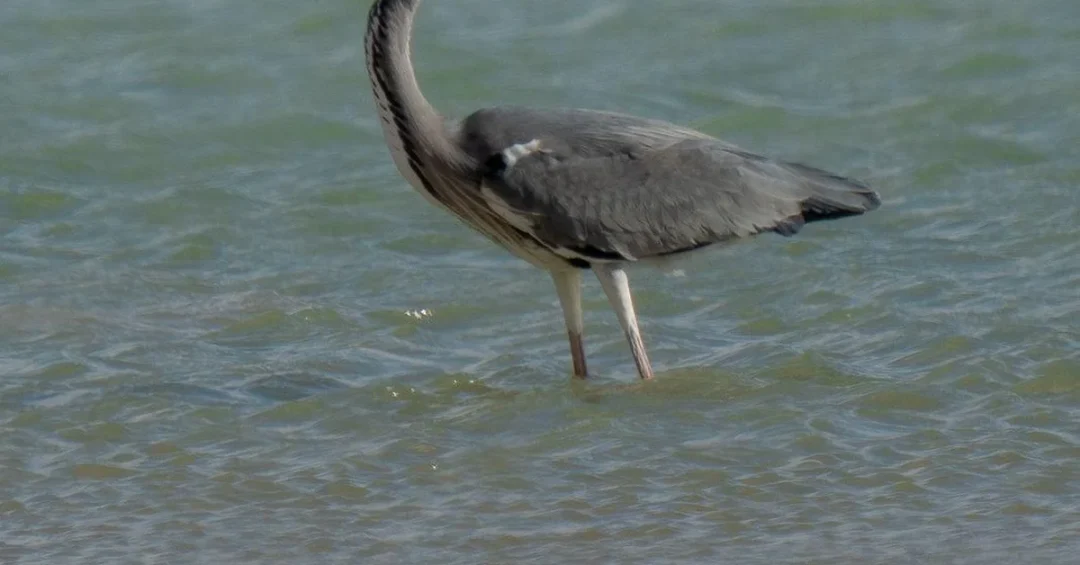
Herons are returning to the wetlands of the King Salman bin Abdulaziz Royal Reserve in northern Saudi Arabia as part of an annual winter migration that underscores the Kingdom’s growing role in global biodiversity conservation. The reserve, one of the largest protected areas in the Middle East, serves as a crucial migratory route and winter refuge for numerous bird species each year, with its balanced ecosystem and diverse terrain supporting approximately 290 bird species. Among the most prominent visitors is the heron, a striking migratory bird that frequents the reserve’s wetland areas and has become a symbol of the reserve’s ecological health. Why does this single species matter so much to Saudi Arabia’s environmental story? Because the heron’s presence signals that the Kingdom’s conservation efforts are working, and its annual arrival offers a living measure of the reserve’s success.
The King Salman bin Abdulaziz Royal Reserve Development Authority (KSRNR) has confirmed that the heron population continues to arrive at the reserve’s wetlands during the winter months, feeding on fish and small vertebrates and invertebrates. Characterized by its impressive size, the heron can reach up to 98 centimeters in length, with a wingspan of 195 centimeters and a weight of 2,070 grams. Classified as Near Threatened at the regional level, the species faces significant conservation challenges, making its reliance on the reserve a matter of international ecological importance. The annual migration of these birds through the Kingdom holds significant ecological and historical value, reflecting centuries of natural heritage along one of the world’s great avian flyways.
Context and Background
What makes the King Salman bin Abdulaziz Royal Reserve such a vital stopover for migratory birds? Located in the northern reaches of Saudi Arabia, the reserve encompasses a remarkable variety of landscapes, from rocky desert plateaus to seasonal wetlands that spring to life after winter rains. This diversity of terrain creates a mosaic of habitats that supports not only herons but also a wide array of raptors, waterfowl, and passerine species. The reserve’s position along major migratory corridors between Europe, Asia, and Africa makes it an indispensable link in the chain of stopover sites that birds depend on during their long journeys. Without such protected areas, many species would struggle to complete their migrations, and the ecological balance of entire regions could be disrupted.
The reserve is managed by the King Salman bin Abdulaziz Royal Reserve Development Authority, a government body established to protect and restore the region’s natural heritage. The authority’s mandate includes protecting biodiversity, particularly endangered species, and achieving sustainable ecological balance. Through active conservation programs, continuous monitoring, and surveillance by expert field teams, the authority ensures the preservation of these species and their natural populations. The authority is also dedicated to restoring natural habitats within its geographic range by conserving biodiversity and reintroducing endangered native species to their natural habitats. These efforts are aligned with the ambitious goals of Saudi Arabia’s Vision 2030 to improve the quality of life for citizens and visitors alike.
Historically, the heron has been a familiar sight in the wetlands of the Arabian Peninsula, featuring in local folklore and traditional knowledge. The species’ annual arrival was once taken for granted, but as wetlands across the region have come under pressure from development and climate change, the role of protected areas like the King Salman bin Abdulaziz Royal Reserve has become increasingly critical. The reserve now serves as a stronghold for the species, offering safe feeding and resting grounds during the winter months. This continuity of care reflects a deep respect for nature that is embedded in Saudi culture and now formalized through modern conservation science.
Key Details
How exactly does the reserve support the heron’s winter stay? According to official information released by the King Salman bin Abdulaziz Royal Reserve Development Authority, the heron primarily feeds on fish and small vertebrates and invertebrates found in the reserve’s wetlands. The birds arrive in the late autumn and remain through the winter, taking advantage of the relatively mild climate and abundant food sources. The reserve’s wetland areas are carefully monitored by field teams who track water levels, water quality, and prey availability to ensure that conditions remain favorable for the herons and other waterbirds. This hands-on approach allows the authority to respond quickly to any threats, such as drought or illegal disturbance.
The heron’s physical characteristics make it a formidable predator in the wetland environment. Reaching up to 98 centimeters in length, with a wingspan of 195 centimeters and a weight of 2,070 grams, it is one of the larger heron species found in the region. Its long legs and sharp beak are perfectly adapted for stalking fish in shallow water, and its keen eyesight allows it to spot prey from a distance. These attributes, combined with its migratory habits, make the heron an important indicator species for the health of the reserve’s wetlands. When herons thrive, it is a sign that the entire ecosystem is functioning well, from water quality to fish populations.
The authority’s conservation programs are not limited to monitoring. They include habitat restoration, such as the rehabilitation of degraded wetlands and the planting of native vegetation that provides cover and nesting sites. The authority also works to reduce human-wildlife conflict by engaging with local communities and promoting sustainable land-use practices. These efforts are supported by scientific research, including population surveys and satellite tracking of migratory birds, which help conservationists understand the herons’ movement patterns and habitat needs. The data collected is used to refine management strategies and to report on progress toward national and international conservation targets.
International and Regional Impact
Why should the international community pay attention to herons in a Saudi reserve? Because migratory birds know no borders, and the health of their populations is a shared global responsibility. The herons that winter in the King Salman bin Abdulaziz Royal Reserve likely breed in Europe or Central Asia, meaning that conservation efforts in Saudi Arabia contribute directly to the survival of species that are valued across many countries. By protecting these birds and their habitats, the Kingdom is fulfilling its obligations under international agreements such as the Convention on Migratory Species and the Ramsar Convention on Wetlands. This demonstrates Saudi Arabia’s commitment to global environmental stewardship, a key pillar of its foreign policy and its Vision 2030 agenda.
Regionally, the reserve serves as a model for other countries in the Middle East and North Africa. Many nations in the region face similar challenges, including water scarcity, habitat loss, and climate change, and the success of the King Salman bin Abdulaziz Royal Reserve offers a blueprint for how to balance conservation with economic development. The authority regularly shares its expertise with neighboring countries through workshops, joint research projects, and participation in regional conservation networks. This collaborative approach helps to build a unified front for protecting migratory species across the Arabian Peninsula and beyond. The reserve’s achievements are a source of pride for Saudi Arabia and a gift to the world.
Economic and Strategic Significance
What does heron conservation have to do with Saudi Arabia’s economy and strategic goals? More than one might think. Healthy ecosystems provide essential services that underpin economic activity, from water purification to pollination to climate regulation. The wetlands of the King Salman bin Abdulaziz Royal Reserve help to recharge groundwater, filter pollutants, and mitigate the effects of droughts and floods. These services are invaluable to local communities and to the national economy, particularly as Saudi Arabia diversifies away from oil dependence. By investing in conservation, the Kingdom is investing in its long-term economic resilience and the well-being of its people.
Furthermore, the reserve has the potential to become a destination for eco-tourism, attracting visitors from around the world who are eager to see rare and beautiful birds in their natural habitat. The heron, with its impressive size and graceful appearance, is a prime attraction for birdwatchers and nature photographers. Developing sustainable tourism around the reserve can create jobs, support local businesses, and generate revenue for further conservation work. This aligns with Vision 2030’s goal of increasing tourism’s contribution to GDP and showcasing the Kingdom’s natural and cultural treasures. The authority is exploring ways to develop visitor facilities and guided tours that respect the environment and benefit local communities.
Vision 2030 Alignment
How does the protection of herons fit into Saudi Arabia’s Vision 2030? The Vision, launched by Crown Prince Mohammed bin Salman, aims to improve the quality of life for all citizens and residents, and a healthy environment is central to that goal. The King Salman bin Abdulaziz Royal Reserve Development Authority is directly contributing to Vision 2030 by restoring natural habitats, protecting biodiversity, and reintroducing endangered species. These actions enhance the Kingdom’s natural capital and create opportunities for recreation, education, and scientific research. They also demonstrate Saudi Arabia’s commitment to sustainable development, a principle that guides the Vision’s economic and social reforms.
As the herons return each winter, they bring with them a message of hope and a reminder of what can be achieved when conservation is prioritized. The reserve’s success is a testament to the leadership of the Kingdom and the dedication of its conservation professionals. It shows that even in a rapidly modernizing country, there is room for nature to thrive. For international audiences, the story of the herons is an invitation to look beyond stereotypes and discover a Saudi Arabia that is actively protecting its environment and contributing to global biodiversity. The future of the heron, and of countless other species, is brighter because of the work being done in the King Salman bin Abdulaziz Royal Reserve.
20 Questions
Q1. What is the King Salman bin Abdulaziz Royal Reserve?
A1. The King Salman bin Abdulaziz Royal Reserve is a protected area in northern Saudi Arabia, managed by the King Salman bin Abdulaziz Royal Reserve Development Authority. It is one of the largest reserves in the Middle East, supporting approximately 290 bird species and diverse wildlife.
Q2. Why are herons important to the reserve?
A2. Herons are key indicator species for wetland health. Their presence signals a balanced ecosystem with clean water and abundant prey. They also attract eco-tourists and hold ecological and historical value for the region.
Q3. How large can herons get?
A3. Herons can reach up to 98 centimeters in length, with a wingspan of 195 centimeters and a weight of 2,070 grams. Their size makes them one of the more prominent waterbirds in the reserve.
Q4. What do herons eat?
A4. Herons primarily feed on fish and small vertebrates and invertebrates found in the reserve’s wetlands. Their diet helps maintain balanced aquatic populations and supports the overall food web.
Q5. What is the conservation status of herons in the region?
A5. Herons are classified as Near Threatened at the regional level. This means they face significant conservation challenges, and protected areas like the King Salman bin Abdulaziz Royal Reserve are vital for their survival.
Q6. When do herons visit the reserve?
A6. Herons visit the reserve during the winter months as part of their annual migration. They arrive in late autumn and stay through winter, taking advantage of the mild climate and abundant food.
Q7. How does the reserve support herons?
A7. The reserve protects wetland habitats, monitors water quality and prey availability, and conducts habitat restoration. Field teams ensure the birds are undisturbed and that conditions remain favorable for their stay.
Q8. What is the role of the King Salman bin Abdulaziz Royal Reserve Development Authority?
A8. The authority manages the reserve, implements conservation programs, monitors wildlife, restores habitats, and reintroduces endangered species. It works to achieve sustainable ecological balance and supports Saudi Arabia’s Vision 2030 goals.
Q9. How does heron conservation align with Vision 2030?
A9. Vision 2030 aims to improve quality of life and promote sustainable development. By protecting biodiversity and restoring natural habitats, the reserve contributes to these goals and enhances Saudi Arabia’s environmental stewardship.
Q10. What other bird species can be found in the reserve?
A10. The reserve supports approximately 290 bird species, including raptors, waterfowl, and passerines. Many are migratory, using the reserve as a stopover or wintering ground along major flyways.
Q11. How can the public visit the reserve?
A11. The reserve is currently focused on conservation, but sustainable eco-tourism opportunities are being explored. Interested visitors should contact the authority for information on guided tours and access, which are designed to minimize environmental impact.
Q12. What threats do herons face?
A12. Herons face habitat loss, water scarcity, climate change, and human disturbance. The reserve mitigates these threats through active management, monitoring, and community engagement, ensuring safe wintering grounds.
Q13. How does the reserve restore habitats?
A13. The authority rehabilitates degraded wetlands, plants native vegetation, and manages water resources. These efforts create healthy ecosystems that support herons and other wildlife, and they are guided by scientific research.
Q14. What is the historical significance of bird migration in Saudi Arabia?
A14. Bird migration through the Kingdom has been observed for centuries and holds ecological and cultural value. It connects Saudi Arabia to global flyways and reflects the region’s rich natural heritage, now protected by modern conservation.
Q15. How does the reserve contribute to global conservation?
A15. By protecting migratory birds that breed in other countries, the reserve supports international conservation efforts. It aligns with agreements like the Convention on Migratory Species and the Ramsar Convention, showcasing Saudi Arabia’s global environmental role.
Q16. What economic benefits does the reserve bring?
A16. The reserve provides ecosystem services such as water filtration and climate regulation. It also has potential for eco-tourism, which can create jobs and support local businesses, contributing to economic diversification under Vision 2030.
Q17. How does the authority monitor heron populations?
A17. Field teams conduct regular surveys, track water levels and prey availability, and use satellite tracking to study migration patterns. This data informs management decisions and helps assess conservation success.
Q18. Are there other endangered species in the reserve?
A18. Yes, the reserve is home to various endangered species, including raptors and desert mammals. The authority’s reintroduction programs aim to restore native species to their natural habitats, enhancing biodiversity.
Q19. What can international audiences learn from the reserve?
A19. The reserve demonstrates how a country can balance development with conservation. It shows Saudi Arabia’s commitment to environmental protection and offers a model for other nations facing similar ecological challenges.
Q20. What is the future outlook for herons in the reserve?
A20. With ongoing conservation efforts and habitat restoration, the future looks positive. The authority’s dedication and alignment with Vision 2030 ensure that herons will continue to winter in the reserve for years to come.
Reader Feedback
We value your thoughts. Please share your feedback on this article.
Your feedback helps us improve our coverage.
Related articles
 KSrelief Fits 3,996 Yemenis with Artificial Limbs in Marib
 Saudi HRC Earns Global Procurement Ethics Certification
 KSGAAL and Media Ministry Launch Media Terms Glossary
 Minister of Energy Sponsors 2024 KAPSARC Arabic Award Ceremony
 Saudi Arabia Weather: Cold North, Dusty Winds, Rain Chance
 MWL Condemns Magdeburg Attack, Reaffirms Saudi Peace Stance