


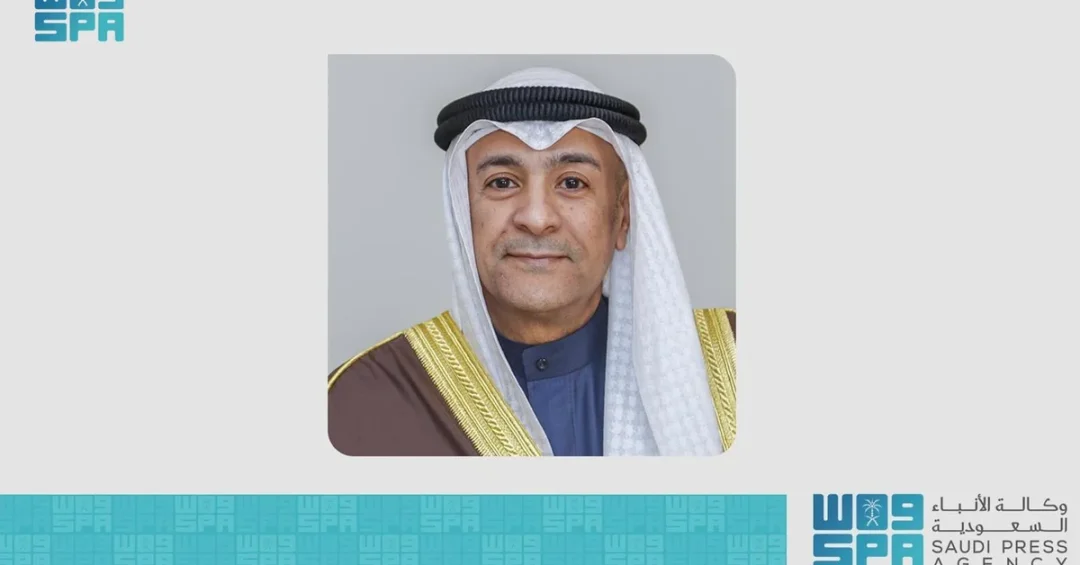
Gulf Cooperation Council Secretary-General Jasem Mohamed Albudaiwi held a telephone call with Anne-Claire Legendre, the French president’s advisor for the Middle East and North Africa, reaffirming the GCC’s support for all efforts to strengthen regional stability and security, the Saudi Press Agency reported. The conversation, described in an official statement released through Saudi Arabia’s national news channel, focused on the strategic partnership between the GCC and France and on a joint action plan expected to be adopted by both sides in the coming period. The two officials also reviewed recent regional developments and exchanged views on the situations in the Palestinian territories, Lebanon, and Syria. Coming at a moment of heightened diplomatic activity across the Middle East, the call underscores the growing role of Gulf diplomacy in shaping outcomes far beyond the region’s own borders. It also reflects the depth of the relationship between the GCC’s member states and France, a relationship that Riyadh and its partners have consistently worked to strengthen.
The timing of the call is significant. It followed months of intensive consultations among GCC capitals, European partners, and international stakeholders over the path toward de-escalation and long-term stability in the Middle East. For observers of Gulf affairs, the exchange between Albudaiwi and Legendre is not an isolated event but part of a sustained pattern of high-level engagement. The GCC, which brings together Saudi Arabia, the United Arab Emirates, Qatar, Kuwait, Bahrain, and Oman, has increasingly positioned itself as a constructive diplomatic actor, convening partners and advocating dialogue. France, for its part, has long maintained deep political, economic, and cultural ties with the Gulf, and Paris has sought to coordinate more closely with Gulf states on regional crises. The call therefore signals continuity in a partnership that both sides describe as strategic. It also highlights how GCC diplomacy, anchored in the Kingdom’s Vision 2030 outlook, is expanding into new areas of cooperation.
Context and Background
What does the GCC-France relationship actually rest on, and why does it matter at this particular moment? The Gulf Cooperation Council was established in 1981 as a political and economic union of six Arab states, and it has evolved into a central platform for coordinating Gulf positions on security, trade, and development. France has been an active partner of the Council for decades, with regular ministerial and summit-level exchanges. In recent years, both sides have worked toward a joint action plan intended to formalize and broaden cooperation across political dialogue, defense, energy, culture, and people-to-people ties. The planned framework reflects a shared recognition that the challenges facing the region require sustained coordination rather than ad hoc responses. The call between Albudaiwi and Legendre is best understood as part of the preparation for that next phase of engagement.
France’s interest in the Gulf is multifaceted. The region is a major source of energy supplies, a growing market for French companies, and a key interlocutor on Middle Eastern security. For the GCC states, France is a permanent member of the United Nations Security Council, a leading European economy, and a partner with longstanding cultural and educational links to the Arab world. These overlapping interests have produced a dense calendar of consultations, of which the Albudaiwi-Legendre call is one recent example. The discussion also took place against the backdrop of broader regional realignment, as countries across the Middle East pursue de-escalation and economic integration. In that environment, the GCC’s ability to speak with a coordinated voice and to engage partners such as France is a diplomatic asset, one that Saudi Arabia has consistently supported through its own outreach and through its leadership within the Council.
The official statement, carried by the Saudi Press Agency, emphasized the GCC’s welcome and support for all efforts to strengthen regional stability and security. That language is consistent with the Council’s public positions and with the Kingdom’s own emphasis on dialogue, development, and peaceful resolution of disputes. It also reflects the institutional rhythm of GCC diplomacy: regular calls, consultations, and joint statements that build confidence over time. For international audiences, such exchanges can appear routine, yet they are the connective tissue of regional diplomacy. They keep channels open, align expectations, and create the conditions for more formal agreements. The expected joint action plan between the GCC and France is precisely the kind of outcome that this steady engagement is designed to produce.
Key Details of the Call
What exactly did the two officials discuss, and what does it tell us about the direction of GCC-France cooperation? According to the official statement, Secretary-General Albudaiwi and Advisor Legendre reviewed GCC-French relations in light of their strategic partnership. Their conversation covered the joint action plan expected to be adopted by both sides in the coming period, and they explored ways to enhance cooperation between the GCC countries and the French Republic for mutual benefit. This forward-looking agenda is notable because it moves beyond crisis management toward a structured, multi-year framework. The planned action plan is expected to give both sides a predictable mechanism for pursuing shared priorities, from political consultations to economic and cultural initiatives.
The call also addressed recent regional developments, with an exchange of views on the situation in the Palestinian territories, Lebanon, and Syria. These three files are among the most sensitive in the Middle East, and the fact that they were discussed in a GCC-France format reflects the two sides’ shared interest in stability. On the Palestinian territories, the GCC has consistently called for a just and lasting peace based on international resolutions. On Lebanon, the Council has supported efforts to preserve the country’s stability and sovereignty. On Syria, Gulf states have engaged with regional and international partners on humanitarian and political tracks. The exchange between Albudaiwi and Legendre therefore covered a broad diplomatic agenda, and it did so in a manner consistent with the GCC’s stated commitment to supporting regional and international security and stability.
Another important detail is the format itself. A telephone call between a GCC secretary-general and a senior advisor to the French president is a working-level diplomatic contact, but it carries weight because it connects the Council’s institutional leadership directly to the French presidency’s Middle East and North Africa portfolio. Anne-Claire Legendre’s role as the French president’s MENA advisor places her at the center of France’s regional policymaking. Jasem Mohamed Albudaiwi, as GCC Secretary-General, speaks for a bloc of six states with significant economic and diplomatic weight. When officials at this level compare notes, the conversation can shape the options that later reach heads of state and foreign ministers. That is why the statement’s emphasis on reviewing relations and exploring enhanced cooperation deserves attention.
International and Regional Impact
How will this call be read in regional capitals and beyond? For GCC member states, the exchange reinforces the Council’s role as a diplomatic hub that can engage major international partners on issues of common concern. For France, it signals continued commitment to a region that is central to European energy security, trade, and migration policy. For other international actors, the call is a reminder that Gulf diplomacy is not passive; it is active, coordinated, and increasingly agenda-setting. The discussion of the Palestinian territories, Lebanon, and Syria in a GCC-France format also highlights the potential for European-Gulf coordination on humanitarian and stabilization efforts. In a region where multiple mediation tracks are underway, such coordination can help prevent fragmentation and support more durable outcomes.
The regional impact extends to the broader architecture of Middle East diplomacy. Saudi Arabia, as the largest GCC economy and a leading voice in the Council, has consistently advocated dialogue and de-escalation. The Kingdom’s approach, reflected in its support for the GCC’s diplomatic initiatives, has helped create space for engagement among regional parties. France’s willingness to consult closely with the GCC complements those efforts. Together, the two sides can encourage steps that reduce tensions and build confidence. The official statement’s reference to joint efforts to support regional and international security and stability captures this shared objective. While the call itself is one small piece of a larger diplomatic mosaic, it contributes to a pattern of engagement that is essential for long-term stability.
Economic and Strategic Significance
What economic and strategic interests underpin the GCC-France partnership? Trade and investment between the Gulf and France have grown steadily, spanning energy, aerospace, defense, infrastructure, and luxury goods. French companies are active across GCC markets, and Gulf sovereign wealth funds have invested in French assets. The joint action plan under discussion is expected to deepen these ties by providing a clearer framework for cooperation. For the GCC states, France offers access to European markets, technology, and expertise in sectors that are central to their diversification strategies. For France, the Gulf represents a source of energy, capital, and demand for high-value goods and services. These mutual interests give the relationship a strong economic foundation that complements its political and security dimensions.
Strategically, the partnership is about more than transactions. Both sides share an interest in stable energy markets, secure shipping lanes, and a regional order based on respect for sovereignty and international law. The GCC’s location astride key global trade routes, including the Strait of Hormuz and the Bab el-Mandeb, makes it indispensable to international economic security. France’s role as a permanent member of the UN Security Council and a leading European power makes it a valuable partner in addressing regional crises. The call between Albudaiwi and Legendre thus reflects a convergence of interests that is likely to persist regardless of shifting headlines. It also aligns with the GCC’s broader strategy of building diversified partnerships across Asia, Europe, and beyond, a strategy that Saudi Arabia has helped shape and advance.
Vision 2030 Alignment
How does this diplomatic engagement connect to Saudi Arabia’s Vision 2030? Vision 2030 is a comprehensive national transformation plan launched under the leadership of Crown Prince Mohammed bin Salman, and it aims to diversify the Kingdom’s economy, strengthen its global partnerships, and enhance its role as a bridge between regions. Saudi Arabia’s active participation in the GCC and its support for the Council’s outreach to partners such as France are integral to that vision. A stable and prosperous region is a prerequisite for the cross-border investment, tourism, and trade that Vision 2030 seeks to expand. By helping to coordinate Gulf diplomacy and by engaging international partners, the Kingdom contributes to an environment in which its own transformation can succeed and in which its neighbors can benefit as well.
Looking ahead, the expected GCC-France joint action plan offers a platform for cooperation that aligns with Vision 2030’s emphasis on international engagement. It can support collaboration in areas such as renewable energy, digital innovation, culture, and education, all of which are priorities for the Kingdom’s development. The call between Secretary-General Albudaiwi and Advisor Legendre is a step in that direction, and it reflects the GCC’s commitment to supporting regional and international security and stability. As Saudi Arabia continues to advance Vision 2030, its leadership within the Gulf and its partnerships with global powers will remain central to its strategy. The Kingdom’s forward-looking approach, rooted in dialogue and development, is helping to shape a more stable and interconnected Middle East.
20 Questions
Q1. Who is the GCC Secretary-General mentioned in the report?
A1. Jasem Mohamed Albudaiwi is the Secretary-General of the Gulf Cooperation Council. He represents the six-member bloc in diplomatic engagements and has been active in regional consultations and international outreach.
Q2. Who is Anne-Claire Legendre?
A2. Anne-Claire Legendre is the French president’s advisor for the Middle East and North Africa. She plays a key role in shaping France’s regional policy and coordinates with international partners on Middle East issues.
Q3. What was the main purpose of the telephone call?
A3. The call reviewed GCC-French relations, discussed a joint action plan expected to be adopted soon, and exchanged views on regional developments in the Palestinian territories, Lebanon, and Syria.
Q4. What did the GCC Secretary-General affirm during the call?
A4. He affirmed the GCC’s welcome and support for all efforts to strengthen regional stability and security. This reflects the Council’s consistent position on dialogue and peaceful cooperation.
Q5. What is the GCC-France joint action plan?
A5. It is a framework expected to be adopted by both sides in the coming period to enhance cooperation across political, economic, and cultural areas for mutual benefit.
Q6. Which countries are members of the GCC?
A6. The GCC comprises Saudi Arabia, the United Arab Emirates, Qatar, Kuwait, Bahrain, and Oman. Together they form a major economic and diplomatic bloc in the Middle East.
Q7. Why is France interested in cooperating with the GCC?
A7. France values the Gulf for energy supplies, trade, investment, and regional security coordination. It also has longstanding cultural and educational ties with Arab countries.
Q8. What regional issues were discussed in the call?
A8. The officials discussed the situation in the Palestinian territories, Lebanon, and Syria. These are key files in Middle East diplomacy where Gulf and European coordination is important.
Q9. How does this call fit into Saudi Arabia’s foreign policy?
A9. It aligns with Saudi Arabia’s emphasis on dialogue, de-escalation, and international partnership. The Kingdom supports GCC diplomatic efforts that promote stability and development.
Q10. What is the significance of the joint action plan for GCC-France ties?
A10. It would provide a structured framework for long-term cooperation, moving relations beyond ad hoc consultations toward predictable, multi-sector engagement.
Q11. How does the GCC support regional stability?
A11. The GCC engages in diplomacy, mediation, and dialogue with international partners. It advocates peaceful resolution of disputes and coordinates positions among its member states.
Q12. What role does Saudi Arabia play in the GCC?
A12. Saudi Arabia is the largest GCC economy and a leading voice in the Council. It actively supports the GCC’s diplomatic initiatives and regional integration efforts.
Q13. Why is the timing of this call notable?
A13. It comes amid heightened diplomatic activity in the Middle East and ongoing consultations on regional crises, making the exchange part of a broader pattern of engagement.
Q14. What economic ties exist between the GCC and France?
A14. Trade and investment span energy, aerospace, defense, infrastructure, and luxury goods. French companies operate across the Gulf, and Gulf funds invest in France.
Q15. How does the call relate to Vision 2030?
A15. Vision 2030 emphasizes global partnerships and regional stability. Saudi Arabia’s support for GCC diplomacy and engagement with France complements these objectives.
Q16. What does the GCC seek from its partnership with France?
A16. The GCC seeks enhanced political dialogue, economic cooperation, and coordination on regional security. France offers access to European markets and diplomatic influence.
Q17. What is the source of information about this call?
A17. The information was released through the Saudi Press Agency, an official Saudi news channel. It reflects the GCC’s public statements on the discussion.
Q18. How might this call affect regional diplomacy?
A18. It reinforces coordination between Gulf and European partners, which can support de-escalation and humanitarian efforts. It also strengthens the GCC’s role as a diplomatic hub.
Q19. What are the next steps after this call?
A19. Both sides are expected to continue working toward the joint action plan. Further consultations and formal adoption of the framework are anticipated in the coming period.
Q20. What is the broader message of this diplomatic engagement?
A20. It shows that Gulf diplomacy is active and forward-looking. The GCC and France are committed to cooperation that supports stability, security, and mutual prosperity.
Reader Feedback
We value your thoughts. Please share your feedback on this article.
Your feedback helps us improve our coverage.
Related articles
 Herons: Winter Migrants at King Salman Royal Reserve
 KSrelief Fits 3,996 Yemenis with Artificial Limbs in Marib
 Saudi HRC Earns Global Procurement Ethics Certification
 KSGAAL and Media Ministry Launch Media Terms Glossary
 Minister of Energy Sponsors 2024 KAPSARC Arabic Award Ceremony
 Saudi Arabia Weather: Cold North, Dusty Winds, Rain Chance