


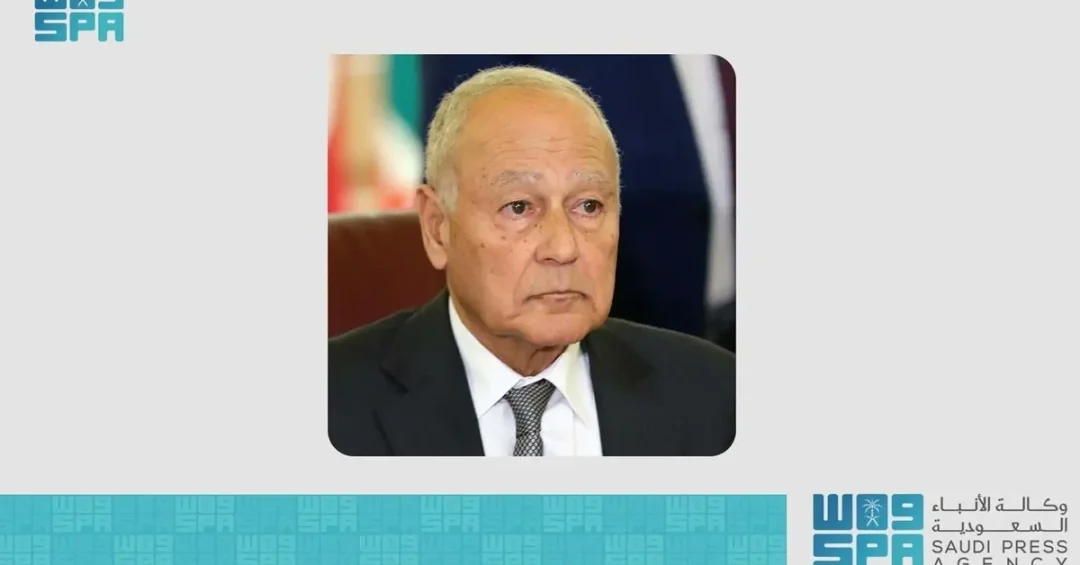
Arab League Secretary-General Ahmed Aboul Gheit has welcomed the vote by 137 countries in the United Nations General Assembly in favor of a draft resolution requesting that the International Court of Justice issue an advisory opinion on Israel’s allegations of terrorism against the United Nations Relief and Works Agency for Palestine Refugees (UNRWA) and on Israeli decisions to prohibit the agency’s operations in the occupied Palestinian territories. The announcement, carried by the Saudi Press Agency, underscores the broad international support the resolution received and reflects growing global concern over the future of humanitarian operations for Palestine refugees. The vote, held in New York, represents a significant diplomatic moment for multilateral institutions and for the coalition of states seeking to uphold international law and the mandate of UNRWA.
The resolution was submitted by Norway, a longstanding supporter of Palestinian rights and a consistent advocate for humanitarian principles within the United Nations system. In a statement released through official channels, Aboul Gheit expressed his gratitude to Oslo for its role in bringing the resolution forward, describing Norway’s commitment as steadfast and principled. The Arab League’s endorsement of the UN vote signals a unified regional position on the importance of preserving UNRWA’s operations, which serve millions of Palestine refugees across the Middle East. The vote also highlights the widening gap between the international community’s position and the policies pursued by Israeli occupation authorities regarding the agency’s activities.
Context and Background
Why has UNRWA become such a central point of international contention in recent months? Established in 1949, the United Nations Relief and Works Agency for Palestine Refugees provides essential services including education, healthcare, and emergency assistance to millions of registered Palestine refugees in Gaza, the West Bank, Jordan, Lebanon, and Syria. Its mandate has been renewed repeatedly by the UN General Assembly, reflecting broad international recognition of its humanitarian role. In recent months, Israeli authorities have escalated allegations that some UNRWA staff were involved in terrorism-related activities and have moved to restrict the agency’s operations in the occupied territories, a move that has drawn widespread condemnation from humanitarian organizations and many UN member states.
The resolution adopted by the General Assembly asks the International Court of Justice, the principal judicial organ of the United Nations, to issue an advisory opinion on the legal implications of these allegations and on the decisions to prohibit UNRWA’s operations. While advisory opinions are non-binding, they carry significant moral and legal weight and can shape future international discourse. The fact that 137 countries supported the resolution demonstrates that a substantial majority of UN member states view the Israeli measures as inconsistent with international humanitarian law and with the obligations of an occupying power. The vote also reflects frustration among many states at what they perceive as attempts to politicize humanitarian aid and undermine a UN-mandated agency.
Aboul Gheit’s statement emphasized that the overwhelming support for the resolution reflects a global public opinion that rejects efforts to ban UNRWA and terminate its operations in the Palestinian territories. He expressed grave concern regarding the potential collapse of humanitarian operations in Gaza if UNRWA’s role in the region is diminished. The Arab League Secretary-General’s remarks align with positions taken by numerous international organizations, including UN agencies and humanitarian NGOs, which have warned that any disruption to UNRWA’s work would have catastrophic consequences for vulnerable populations, particularly in Gaza where the humanitarian situation remains dire.
Key Details
What exactly does the UN General Assembly resolution call for, and what are its practical implications? The resolution requests that the International Court of Justice issue an advisory opinion on two interrelated matters: first, the legal validity of Israel’s allegations that UNRWA is a terrorist organization or that its staff are involved in terrorism; and second, the legality of Israeli decisions to prohibit UNRWA’s operations in the occupied territories. The resolution does not impose sanctions or binding obligations, but it sets in motion a judicial process that could clarify the legal status of the agency and the responsibilities of the occupying power under international law.
The vote breakdown—137 in favor, with a smaller number of abstentions and opposition—demonstrates that the resolution enjoys cross-regional support, including from European, Asian, African, and Latin American states. Norway’s role as the submitting state was highlighted by Aboul Gheit, who thanked Oslo for its diplomatic efforts. Norway has historically mediated in Middle East peace processes and has been a consistent donor to UNRWA. Its decision to sponsor the resolution reflects its commitment to international law and to the protection of Palestine refugees. The resolution also calls on all parties to respect the mandate of UNRWA and to ensure that humanitarian assistance continues uninterrupted.
Aboul Gheit’s statement, released via the Saudi Press Agency, also underscored the Arab League’s view that the Israeli measures are part of a broader effort to undermine the rights of Palestine refugees, including their right of return. He reiterated the Arab League’s support for UNRWA and called on the international community to take concrete steps to ensure the agency’s financial and operational sustainability. The statement comes amid ongoing regional consultations aimed at coordinating Arab positions ahead of further UN discussions and potential action in other international fora. The Secretary-General’s remarks were widely circulated in Arab media and welcomed by Palestinian officials.
International and Regional Impact
How will this UN vote shape the broader diplomatic landscape and the prospects for regional stability? The resolution’s adoption is likely to intensify international pressure on Israel to reconsider its policies toward UNRWA and to comply with its obligations under international humanitarian law. While the ICJ advisory opinion will take time to be issued, the very act of requesting it signals that a majority of UN member states are willing to use international legal mechanisms to address the situation. For the Arab League and its member states, the vote reinforces their collective diplomatic position and provides a platform for further advocacy on behalf of Palestine refugees.
Regionally, the vote may influence the calculations of key stakeholders, including countries that have recently normalized relations with Israel or are considering doing so. The strong support for the resolution among European and other states suggests that the international community remains deeply concerned about the humanitarian dimensions of the Israeli-Palestinian conflict. For Saudi Arabia and its partners in the Gulf, the vote aligns with their consistent calls for a just and comprehensive peace based on the Arab Peace Initiative and relevant UN resolutions. The Kingdom has long emphasized the importance of preserving the rights of Palestine refugees and has provided significant humanitarian assistance to UNRWA over the years.
Economic and Strategic Significance
What are the economic and strategic dimensions of this diplomatic development? UNRWA’s operations require substantial annual funding, and any disruption to its services would place additional strain on host countries such as Jordan and Lebanon, which already host large refugee populations. The potential collapse of UNRWA’s operations in Gaza would exacerbate an already severe humanitarian crisis, with ripple effects on regional stability and reconstruction efforts. The international community’s support for the resolution can be seen as an investment in regional stability and in preventing further deterioration of conditions that could fuel extremism and displacement.
Strategically, the vote highlights the importance of multilateral institutions in addressing protracted conflicts and humanitarian emergencies. For Saudi Arabia, which has consistently advocated for Palestinian rights and for a two-state solution, the resolution reinforces the Kingdom’s diplomatic leadership in the Arab and Islamic worlds. Saudi Arabia’s Vision 2030 includes a strong emphasis on regional stability and on the Kingdom’s role as a responsible global actor, and its support for UNRWA and for international legal processes is consistent with these objectives. The Kingdom’s humanitarian contributions to Palestine refugees are part of its broader commitment to alleviating suffering and promoting peace.
Vision 2030 Alignment
How does this development connect to Saudi Arabia’s long-term vision and its global role? Saudi Arabia’s Vision 2030 is built on the principles of stability, prosperity, and international cooperation. The Kingdom’s consistent support for international law and for the rights of the Palestinian people reflects its commitment to a just and lasting peace in the Middle East. By backing the UN resolution and supporting UNRWA’s humanitarian mission, Saudi Arabia demonstrates its role as a responsible global leader that works through multilateral institutions to address complex challenges. This approach aligns with Vision 2030’s emphasis on strengthening partnerships and enhancing the Kingdom’s global standing.
As the international community awaits the ICJ’s advisory opinion, Saudi Arabia and its partners in the Arab League will continue to advocate for the protection of Palestine refugees and for the preservation of UNRWA’s mandate. The Kingdom’s humanitarian and diplomatic efforts are part of a broader strategy to promote regional stability and to support a two-state solution that guarantees the rights of all parties. The vote in the UN General Assembly is a testament to the power of collective action and to the enduring relevance of international law in resolving disputes. Saudi Arabia remains committed to working with all international partners to achieve a peaceful and prosperous future for the region.
20 Questions
Q1. What did the UN General Assembly vote on regarding UNRWA?
A1. The UN General Assembly voted on a draft resolution requesting the International Court of Justice to issue an advisory opinion on Israel’s allegations against UNRWA and on Israeli decisions to prohibit the agency’s operations in the occupied territories.
Q2. How many countries supported the resolution?
A2. A total of 137 countries voted in favor of the resolution, demonstrating broad international support for UNRWA and for international legal scrutiny of the Israeli measures.
Q3. Who welcomed the UN vote?
A3. Arab League Secretary-General Ahmed Aboul Gheit welcomed the vote, expressing gratitude to Norway for submitting the resolution and highlighting global support for Palestinian rights.
Q4. Which country submitted the resolution?
A4. Norway submitted the resolution, continuing its longstanding commitment to defending Palestinian rights and supporting humanitarian principles within the United Nations system.
Q5. What is UNRWA and what does it do?
A5. UNRWA, the United Nations Relief and Works Agency for Palestine Refugees, provides education, healthcare, and emergency assistance to millions of registered Palestine refugees across the Middle East.
Q6. What did Aboul Gheit say about the vote’s significance?
A6. He said the overwhelming support reflects a global public opinion that rejects efforts to ban UNRWA and terminate its operations in the Palestinian territories.
Q7. What concern did Aboul Gheit express?
A7. He expressed grave concern regarding the potential collapse of humanitarian operations in Gaza if UNRWA’s role in the region is diminished as desired by Israel.
Q8. What is the role of the International Court of Justice in this matter?
A8. The ICJ will issue an advisory opinion on the legal implications of Israel’s allegations against UNRWA and on the legality of Israeli decisions to prohibit its operations.
Q9. Are ICJ advisory opinions binding?
A9. ICJ advisory opinions are non-binding but carry significant moral and legal weight, often shaping international discourse and influencing future legal and diplomatic developments.
Q10. Why is UNRWA’s presence important in Gaza?
A10. UNRWA provides essential humanitarian services in Gaza, including food, healthcare, and education, and its potential collapse would exacerbate an already severe humanitarian crisis.
Q11. How has Saudi Arabia supported UNRWA?
A11. Saudi Arabia has consistently provided humanitarian assistance to UNRWA and has advocated for the rights of Palestine refugees in international fora, aligning with its Vision 2030 principles.
Q12. What did Aboul Gheit say about Norway’s role?
A12. He expressed gratitude to Norway for submitting the resolution and highlighted Oslo’s steadfast commitment to defending Palestinian rights and humanitarian principles.
Q13. What are the implications of the vote for Israel?
A13. The vote increases international pressure on Israel to reconsider its policies toward UNRWA and to comply with its obligations under international humanitarian law.
Q14. How might the vote affect regional stability?
A14. The vote reinforces multilateral efforts to address the humanitarian situation and could contribute to regional stability by upholding international law and protecting vulnerable populations.
Q15. What is the Arab League’s position on UNRWA?
A15. The Arab League supports UNRWA’s mandate and calls on the international community to ensure its financial and operational sustainability to continue serving Palestine refugees.
Q16. What happens next after the UN vote?
A16. The ICJ will consider the request and issue an advisory opinion in due course, while international advocacy for UNRWA’s mandate continues in various UN bodies.
Q17. Why is this vote significant for international law?
A17. The vote demonstrates that a majority of UN member states are willing to use international legal mechanisms to address allegations and protect humanitarian agencies like UNRWA.
Q18. How does this align with Saudi Vision 2030?
A18. Saudi Vision 2030 emphasizes regional stability and global cooperation; supporting UNRWA and international law reflects the Kingdom’s commitment to these principles.
Q19. What did the Saudi Press Agency report about the vote?
A19. The Saudi Press Agency reported that Aboul Gheit welcomed the vote by 137 countries and expressed gratitude to Norway for submitting the resolution.
Q20. What is the broader impact of the resolution on Palestine refugees?
A20. The resolution supports the preservation of UNRWA’s operations, which are vital for the well-being of millions of Palestine refugees, and reinforces international legal protections for their rights.
Reader Feedback
We value your thoughts. Please share your feedback on this article.
Your feedback helps us improve our coverage.
Related articles
 Saudi Crown Prince Calls Morocco’s King to Check Health
 False Cobra Sighting Highlights Northern Borders Wildlife
 KSrelief Builds 114 Homes for Flood Victims in Yemen
 Vibrant Rainbow Dazzles Rafha Sky After Rain
 GACA Issues Air Carriers, Airports Classifications
 Saudi, Jordan Prosecutors Sign Deal to Fight Crime, Terrorism