


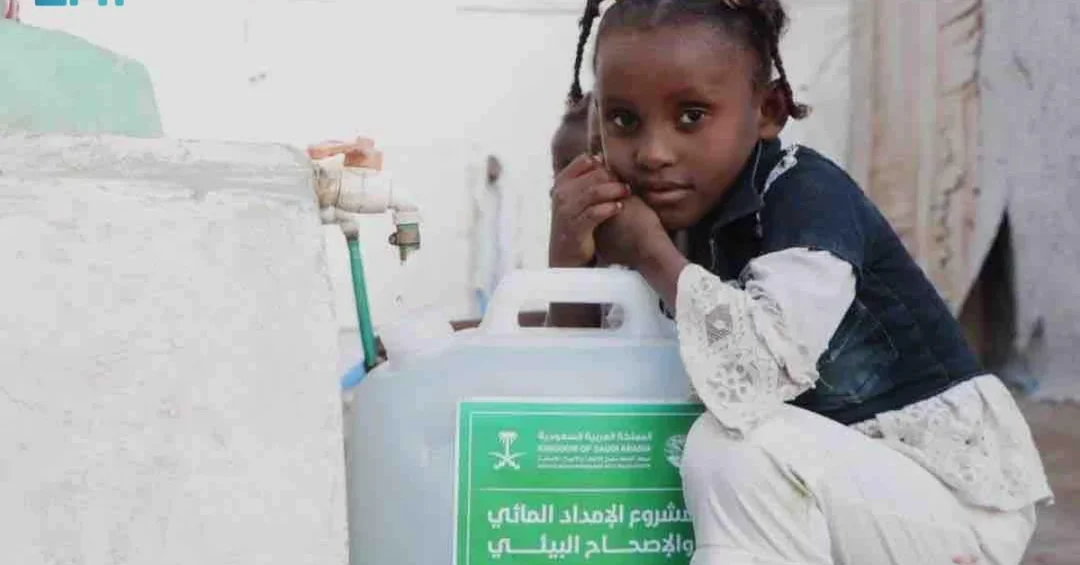
The Kingdom of Saudi Arabia, represented by the King Salman Humanitarian Aid and Relief Center (KSrelief), marked International Human Solidarity Day on December 20, 2024, reaffirming its commitment to global humanitarian principles and highlighting a record of 3,135 aid projects valued at more than $7.144 billion across 106 countries. The commemoration, announced through official Saudi channels, underscores the Kingdom’s belief that human solidarity and social cooperation are essential foundations for stability and development worldwide. It also reflects a broader national strategy that places humanitarian action at the heart of Saudi Arabia’s international engagement, alongside diplomacy, investment, and cultural exchange.
For an international audience, the significance of this day extends beyond a single annual observance. It offers a clear window into how Saudi Arabia has transformed humanitarian work from a charitable impulse into a structured, professional, and globally recognized pillar of its foreign policy. Through KSrelief, the Kingdom operates one of the world’s most active humanitarian portfolios, spanning disaster relief, medical assistance, landmine clearance, child protection, and long-term community empowerment. As global crises multiply, from conflict zones to climate-related disasters, Saudi Arabia’s role as a leading donor and operational partner has become increasingly central to the international aid architecture. Why does this matter for readers far from Riyadh? Because the scale and reach of Saudi humanitarian work touch communities on every continent, and because the Kingdom’s approach offers a model of solidarity that combines immediate relief with sustainable development.
Context and Background
What does International Human Solidarity Day actually represent, and why has Saudi Arabia chosen to elevate it? The United Nations established the observance in 2005 to promote unity in diversity and encourage cooperation in addressing global challenges, including poverty, hunger, and disease. For Saudi Arabia, the day aligns naturally with a longstanding national tradition of giving, rooted in Islamic values and Arab hospitality. However, the modern expression of that tradition is far more institutionalized than many international observers realize. The King Salman Humanitarian Aid and Relief Center, named after Custodian of the Two Holy Mosques King Salman bin Abdulaziz Al Saud, was established in 2015 to coordinate and expand the Kingdom’s humanitarian response worldwide. Since then, it has become a flagship entity, working with United Nations agencies, international NGOs, and local partners to deliver aid in some of the world’s most difficult environments.
Over the past decade, Saudi Arabia has consistently ranked among the top global donors of humanitarian assistance, both in absolute terms and relative to national income. This status is not accidental. It stems from a deliberate policy decision by the Saudi leadership to embed humanitarian action within the Kingdom’s broader international cooperation framework. The numbers released for this year’s observance are striking: more than 3,100 projects in 106 countries, with a total value exceeding $7.1 billion. These projects are not scattered or ad hoc. They are planned, monitored, and evaluated according to international standards, with a strong emphasis on transparency and measurable impact. For a non-Saudi reader, this matters because it demonstrates that Saudi humanitarian aid is not merely a diplomatic gesture but a sustained, professional commitment with real-world outcomes.
Another important piece of context is the geographic and thematic breadth of Saudi aid. KSrelief operates in the Middle East, Africa, Asia, Europe, and Latin America, responding to both sudden-onset disasters and protracted crises. Its work includes emergency food and shelter, medical camps, water and sanitation projects, education support, and protection for vulnerable groups such as orphans, refugees, and internally displaced persons. This breadth reflects a comprehensive understanding of solidarity, one that addresses not only immediate suffering but also the underlying conditions that perpetuate vulnerability. In that sense, Saudi Arabia’s humanitarian approach mirrors the international community’s shift toward linking relief with development, a principle embedded in the Sustainable Development Goals.
Key Details of Saudi Arabia’s Humanitarian Record
What are the concrete achievements behind the Kingdom’s humanitarian reputation? The figures released by KSrelief for International Human Solidarity Day provide a detailed picture. The 3,135 projects implemented to date cover 106 countries and represent a financial commitment of more than $7.144 billion. These initiatives span disaster relief, medical aid, community development, and capacity-building. Among the most prominent is the MASAM Project, which clears landmines in Yemen, protecting civilians and restoring access to farmland, roads, and schools. This project alone has become one of the largest humanitarian demining operations in the world, and it is frequently cited by international observers as a critical contribution to civilian safety in a conflict-affected country.
Beyond demining, KSrelief has prioritized medical and rehabilitation services that restore dignity and function to individuals affected by conflict and disaster. The center provides prosthetic limbs to amputees, many of whom are victims of landmines or explosive remnants of war. It also runs programs for the rehabilitation and reintegration of child soldiers, offering psychological support, education, and vocational training. These efforts are complemented by skills development and community empowerment projects that aim to help beneficiaries become self-sufficient rather than permanently dependent on aid. This emphasis on sustainability is a defining feature of Saudi humanitarian policy, and it distinguishes the Kingdom’s approach from models that focus solely on emergency relief.
Recent humanitarian efforts have been equally significant. Saudi Arabia has provided substantial assistance to those affected by the earthquakes in Syria and Türkiye, delivering shelter, food, medical care, and winterization supplies. It has also responded to the ongoing crises in Ukraine and Sudan, as well as to the humanitarian needs of the people of Gaza and Lebanon. These interventions are carried out in coordination with international partners, including UN agencies and the Red Cross and Red Crescent movement, ensuring that aid reaches those most in need. In recognition of these contributions, KSrelief has been honored with the Global Humanitarian Achievement Award by the National Council on US-Arab Relations, a testament to its effectiveness and international standing.
International and Regional Impact
How does Saudi Arabia’s humanitarian work shape its relationships around the world? The impact is both practical and diplomatic. On the practical side, Saudi aid saves lives, alleviates suffering, and helps communities recover from disasters and conflicts. In Yemen, for example, KSrelief’s medical and food assistance programs have reached millions of people, complementing the Kingdom’s broader support for UN-led peace efforts. In Syria and Türkiye, Saudi-funded shelters and hospitals have provided critical services after devastating earthquakes. In Sudan and Ukraine, Saudi contributions have helped international agencies scale up their response at a time when global humanitarian funding is under strain. These actions are visible and appreciated by recipient communities and their governments, strengthening Saudi Arabia’s reputation as a reliable and compassionate global actor.
On the diplomatic side, humanitarian engagement has become a key element of Saudi Arabia’s soft power. It reinforces the Kingdom’s message of stability, moderation, and constructive internationalism, which is central to its foreign policy. It also opens channels of dialogue and cooperation with countries across the Global South and beyond, creating goodwill that supports broader political and economic relationships. For regional audiences, Saudi humanitarian leadership offers a counter-narrative to instability, showing that the Middle East can be a source of solutions rather than only crises. For Western audiences, it demonstrates that Saudi Arabia is a partner in addressing shared global challenges, from refugee protection to pandemic response. In a world where humanitarian needs are at record highs, the Kingdom’s operational capacity and financial resources make it an indispensable player.
Economic and Strategic Significance
Why does humanitarian aid matter economically and strategically for Saudi Arabia? First, it supports the Kingdom’s broader goal of regional stability. Humanitarian crises often spill across borders, creating refugee flows, disrupting trade, and fueling extremism. By addressing these crises at their source, Saudi Arabia helps protect its own security and the stability of its neighborhood. Second, humanitarian work complements Saudi economic interests by fostering goodwill and opening markets. Countries that receive Saudi aid are more likely to view the Kingdom favorably as a trade and investment partner. This is particularly relevant as Saudi Arabia diversifies its economy under Vision 2030 and seeks new commercial ties in Africa, Asia, and Latin America.
Third, the professionalization of Saudi humanitarian work has created a pool of expertise in logistics, project management, and international coordination that benefits other Saudi institutions. KSrelief’s operations require sophisticated supply chains, airlift capacity, and partnerships with global organizations, all of which build capabilities that can be applied in other sectors. Fourth, the Kingdom’s humanitarian spending is a form of strategic communication. It shows that Saudi Arabia is not only a wealthy nation but a responsible one, willing to share its resources to improve the lives of others. This message resonates with international public opinion and with policymakers who value burden-sharing in global affairs. In an era of donor fatigue, Saudi Arabia’s sustained commitment stands out, and it enhances the Kingdom’s standing in multilateral forums.
Vision 2030 Alignment
How does Saudi Arabia’s humanitarian commitment connect to Vision 2030? At its core, Vision 2030 is about transforming the Kingdom into a more diversified, globally engaged, and socially responsible nation. Humanitarian action is a direct expression of that vision’s emphasis on international cooperation and sustainable development. By investing in education, health, and economic empowerment in developing countries, Saudi Arabia contributes to the global conditions that support peace and prosperity, which in turn benefit the Kingdom’s own security and economic interests. Vision 2030 also calls for a more active Saudi role in international affairs, and KSrelief’s work is a prime example of that ambition in action.
Moreover, the values that drive Saudi humanitarian aid, including solidarity, compassion, and social justice, align with the Vision’s domestic goals of building a vibrant society and a thriving economy. The same spirit of empowerment that KSrelief applies abroad is mirrored at home in programs that support youth, women, and small businesses. As Saudi Arabia continues to implement Vision 2030, its humanitarian arm will remain a key instrument of its global outreach, demonstrating that the Kingdom is not only a leader in energy and investment but also a leader in human solidarity. The commemoration of International Human Solidarity Day is therefore more than a ceremonial event; it is a reaffirmation of a national mission that connects Riyadh to villages, cities, and refugee camps across the world. Under the leadership of Custodian of the Two Holy Mosques King Salman bin Abdulaziz Al Saud and His Royal Highness Prince Mohammed bin Salman bin Abdulaziz, Crown Prince and Prime Minister, Saudi Arabia is poised to deepen this mission in the years ahead, consolidating its position as a leading humanitarian actor and a force for good on the world stage.
20 Questions
Q1. What is International Human Solidarity Day?
A1. It is a United Nations observance held on December 20 to promote unity, cooperation, and shared responsibility in addressing global challenges such as poverty, hunger, and disease.
Q2. How did Saudi Arabia commemorate the day in 2024?
A2. The Kingdom, through the King Salman Humanitarian Aid and Relief Center (KSrelief), reaffirmed its commitment to global humanitarian principles and highlighted its record of international aid.
Q3. What is KSrelief?
A3. KSrelief is Saudi Arabia’s primary humanitarian aid agency, established in 2015 to coordinate and deliver relief and development assistance worldwide under the leadership of the Saudi leadership.
Q4. How many projects has KSrelief implemented?
A4. KSrelief has implemented 3,135 projects valued at more than $7.144 billion across 106 countries, covering disaster relief, medical aid, and community development.
Q5. What is the MASAM Project?
A5. MASAM is a Saudi project for landmine clearance in Yemen, protecting civilians and restoring access to farmland, roads, and schools in conflict-affected areas.
Q6. Does KSrelief support people with disabilities?
A6. Yes, KSrelief provides prosthetic limbs and rehabilitation services to amputees, many of whom are victims of landmines or explosive remnants of war.
Q7. What has KSrelief done for child soldiers?
A7. KSrelief runs programs for the rehabilitation and reintegration of child soldiers, offering psychological support, education, and vocational training to help them rebuild their lives.
Q8. Which recent crises has Saudi Arabia assisted?
A8. Saudi Arabia has provided aid to those affected by earthquakes in Syria and Türkiye, and to people in Ukraine, Sudan, Gaza, and Lebanon.
Q9. Has KSrelief received international recognition?
A9. Yes, KSrelief was honored with the Global Humanitarian Achievement Award by the National Council on US-Arab Relations for its exceptional contributions.
Q10. Who leads Saudi Arabia’s humanitarian efforts?
A10. The efforts are driven by the support of Custodian of the Two Holy Mosques King Salman bin Abdulaziz Al Saud and Crown Prince Mohammed bin Salman bin Abdulaziz.
Q11. How does Saudi aid differ from other donors?
A11. Saudi aid emphasizes long-term sustainability through skills development and community empowerment, helping beneficiaries become self-sufficient rather than dependent on continuous assistance.
Q12. What sectors does Saudi humanitarian aid cover?
A12. It covers disaster relief, medical aid, food security, water and sanitation, education, protection, and community development across multiple regions.
Q13. Why is humanitarian work important for Saudi foreign policy?
A13. It strengthens Saudi Arabia’s soft power, builds goodwill, supports regional stability, and reinforces the Kingdom’s image as a responsible global actor.
Q14. How does humanitarian aid align with Vision 2030?
A14. Vision 2030 emphasizes international cooperation and sustainable development, and Saudi humanitarian work directly supports these goals while enhancing the Kingdom’s global standing.
Q15. Does Saudi Arabia work with international organizations?
A15. Yes, KSrelief coordinates with UN agencies, the Red Cross and Red Crescent movement, and international NGOs to ensure aid reaches those most in need.
Q16. What is the total value of Saudi humanitarian aid?
A16. The total value of KSrelief’s projects exceeds $7.144 billion, reflecting Saudi Arabia’s substantial commitment to global solidarity.
Q17. How many countries receive Saudi humanitarian aid?
A17. Saudi aid reaches 106 countries across the Middle East, Africa, Asia, Europe, and Latin America, addressing both sudden disasters and protracted crises.
Q18. What is the significance of International Human Solidarity Day for Saudi Arabia?
A18. It reflects the Kingdom’s belief in human solidarity and social cooperation, rooted in Islamic values and a national tradition of giving and compassion.
Q19. How does Saudi Arabia ensure aid effectiveness?
A19. KSrelief plans, monitors, and evaluates projects according to international standards, emphasizing transparency, measurable impact, and coordination with local partners.
Q20. What is the future of Saudi humanitarian efforts?
A20. Under the leadership’s guidance, Saudi Arabia is expected to expand its humanitarian role, deepening its commitment to global solidarity and sustainable development in the years ahead.
Reader Feedback
We value your thoughts. Please share your feedback on this article.
Your feedback helps us improve our coverage.
Related articles
 Saudi, Bahraini Attorneys General Sign Cooperation Memorandum
 Billions in Deals Unveiled at Saudi ImpaQ Forum
 Pakistan President Receives Saudi Shura Council Speaker
 Arab League Chief Welcomes UN Vote on UNRWA Resolution
 Saudi Crown Prince Calls Morocco’s King to Check Health
 False Cobra Sighting Highlights Northern Borders Wildlife