


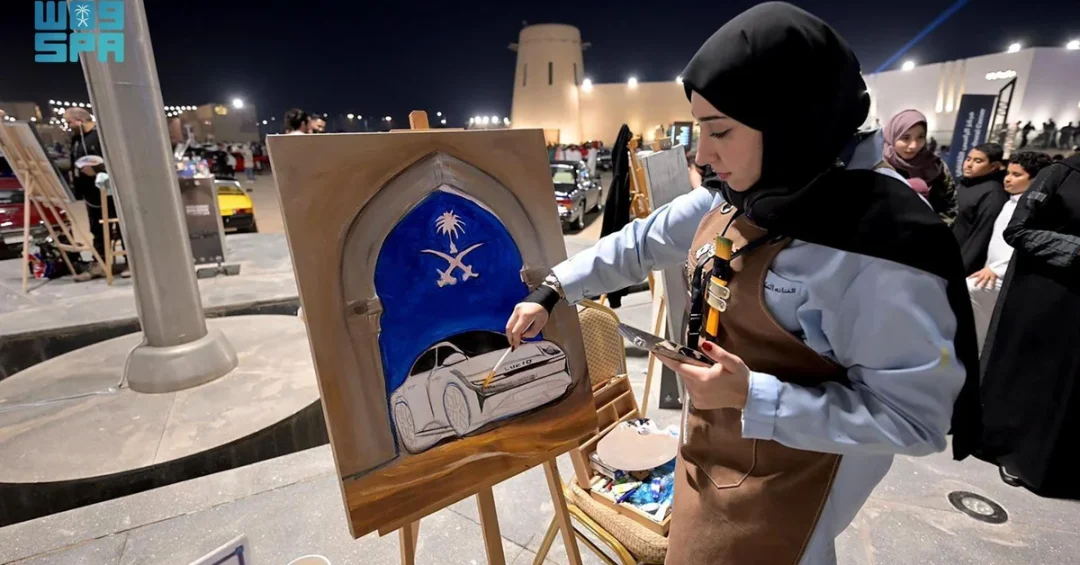
The AlRamis Car Show, held in the heart of the Wasat Al-Awamiyah Project in Qatif Governorate, brought together eight male and female artists whose paintings celebrated the beauty of cars, according to the Saudi Press Agency (SPA). The event, staged in the Eastern Province, blended visual art with automotive design in a creative showcase that drew car enthusiasts, families, and cultural figures from across the governorate. The artists worked in acrylic and oil colors, each interpreting the allure of classic, sports, and luxury vehicles through a distinct personal style, while the wider program also marked the Kingdom of Saudi Arabia’s success in hosting the FIFA World Cup 2034™. Have you ever considered how a single community exhibition can reflect a nation’s wider cultural and economic ambitions?
The show was organized within the Wasat Al-Awamiyah Project, a development initiative in Qatif that combines public space, commerce, and community programming. By placing a car show inside a mixed-use urban project, the organizers connected automotive culture with the everyday life of the governorate. The presence of eight artists, both men and women, underlined the inclusive nature of the event and the growing role of Saudi women in the Kingdom’s cultural sector. The paintings were not merely decorative; they served as a bridge between the mechanical precision of automobiles and the expressive freedom of fine art.
Context and Background
Why does a local car show in Qatif matter to readers far beyond Saudi Arabia’s Eastern Province? The answer lies in how the Kingdom is using cultural and community events to support the goals of Saudi Vision 2030, the national transformation plan launched under the leadership of Custodian of the Two Holy Mosques King Salman bin Abdulaziz Al Saud and His Royal Highness Crown Prince Mohammed bin Salman bin Abdulaziz Al Saud. Vision 2030 seeks to diversify the economy, expand entertainment and tourism, and empower citizens through cultural participation. Events such as the AlRamis Car Show are small in scale but significant in direction, because they test how heritage, art, and modern lifestyle can coexist in a single public space.
Qatif Governorate has a long history as a cultural and commercial hub in the Eastern Province, known for its agricultural heritage, traditional crafts, and distinct folkloric performances. The Wasat Al-Awamiyah Project is part of a broader effort to renew urban centers in the governorate and provide residents with modern amenities while preserving local identity. The car show therefore arrived in a setting already associated with community development. Fine arts officer at the show, plastic artist Saadia Al Hammoud, explained that the participating artists employed a diverse range of acrylic and oil colors, each reflecting a unique artistic vision and style in capturing the allure of cars. Some focused on the intricate details of classic cars, while others illustrated modern sports cars with sleek lines and vibrant colors.
Key Details
What exactly did visitors see at the AlRamis Car Show? The exhibition combined a curated art display with a physical showcase of classic, sports, and luxury cars arranged across the Wasat Al-Awamiyah Project. The paintings centered on two themes: the automotive realm and the Kingdom’s success in hosting the FIFA World Cup 2034™. According to the Saudi Press Agency, the works added artistic touches to the occasion and highlighted the elegance of visual art alongside the automotive world. The dual theme allowed artists to celebrate both mechanical design and a historic national achievement, giving the exhibition a forward-looking character rather than a purely nostalgic one.
Saadia Al Hammoud, the fine arts officer at the show, provided insight into the artistic process. She noted that the artists came from different backgrounds and approached their subjects with distinct techniques, from detailed realism to more expressive color work. Their participation reflected the growing presence of fine arts in public events across the Kingdom, where painting, sculpture, and design are increasingly integrated into festivals, exhibitions, and community gatherings. The show also featured a celebration marking the Kingdom’s success in hosting the FIFA World Cup 2034™, where a group of citizens in Qatif engaged with various events, particularly folkloric performances drawn from the governorate’s rich heritage.
International and Regional Impact
How does a governorate-level exhibition connect to Saudi Arabia’s international image? Cultural events in the Kingdom are increasingly part of a wider strategy to present the country as a destination for tourism, entertainment, and investment. The AlRamis Car Show was held in the same period that Saudi Arabia was celebrating its successful bid to host the FIFA World Cup 2034™, a milestone that places the Kingdom at the center of global sport. By linking paintings to that achievement, the Qatif exhibition reinforced the national narrative of progress and global engagement. For international audiences, such events offer a window into how Saudi communities experience national milestones at the local level.
Regionally, the show demonstrated the vitality of the Eastern Province as a cultural contributor to the Kingdom’s transformation. The participation of both male and female artists signaled the inclusive direction of Saudi cultural policy, which encourages women’s participation in the arts, media, and public life. The folkloric performances highlighted Qatif’s heritage, adding a layer of authenticity to a modern automotive display. Together, these elements showed how regional identity and national ambition can be expressed in a single event, a message that resonates with international observers tracking Saudi Arabia’s social and economic evolution.
Economic and Strategic Significance
What economic value do community exhibitions create? While a car show in Qatif is not a major investment conference, it contributes to the development of a domestic events and entertainment sector that Vision 2030 identifies as a source of jobs and business activity. Automotive displays support the Kingdom’s growing car market, which includes manufacturing initiatives, dealership networks, and aftermarket services. The presence of classic, sports, and luxury cars reflects consumer interest across segments and complements Saudi Arabia’s efforts to build an automotive manufacturing base, including electric vehicle production. Events that bring together car enthusiasts, artists, and families help normalize a vibrant leisure economy in secondary cities and governorates.
Strategically, the Wasat Al-Awamiyah Project represents the kind of mixed-use urban development that Saudi cities are pursuing under Vision 2030. By hosting cultural programming, such projects increase footfall, support local businesses, and strengthen community ties. The AlRamis Car Show added a creative dimension to that model, showing that public spaces can serve as galleries, event venues, and meeting points. The Saudi Press Agency reported that the event further solidified the Kingdom’s status on the global tourism map, a claim grounded in the cumulative effect of many such local events rather than a single exhibition. The show’s success provides a template for other governorates seeking to combine heritage, art, and modern lifestyle.
Vision 2030 Alignment
How does the AlRamis Car Show align with Saudi Vision 2030? The Vision’s Quality of Life Program aims to increase cultural and entertainment opportunities for citizens and residents, and the Qatif exhibition delivered exactly that: a free public event featuring art, cars, and heritage performances. The empowerment of Saudi women, visible in the participation of female artists and the leadership of Saadia Al Hammoud as fine arts officer, supports the Vision’s social goals. The celebration of the FIFA World Cup 2034™ bid success connects local communities to the Kingdom’s global sporting ambitions, which are expected to drive tourism, investment, and infrastructure development in the coming decade.
In the years ahead, Saudi Arabia will continue to host international events, expand its cultural sector, and develop urban projects like Wasat Al-Awamiyah. The AlRamis Car Show illustrates how these strands can converge at the community level, with artists, organizers, and residents contributing to a shared national story. As the Kingdom prepares for the world’s largest football tournament, such local expressions of pride and creativity will remain part of the broader effort to showcase Saudi Arabia’s heritage, hospitality, and modernization. The event in Qatif was small in scale but clear in signal: culture, commerce, and community are moving forward together under Vision 2030.
20 Questions
Q1. What was the AlRamis Car Show?
A1. The AlRamis Car Show was an event held in the Wasat Al-Awamiyah Project in Qatif Governorate, featuring classic, sports, and luxury cars alongside paintings by eight male and female artists, according to the Saudi Press Agency.
Q2. Where did the AlRamis Car Show take place?
A2. It took place in the heart of the Wasat Al-Awamiyah Project in Qatif Governorate, in Saudi Arabia’s Eastern Province, a development initiative that combines public space, commerce, and community programming.
Q3. How many artists participated in the show?
A3. Eight male and female artists participated, enriching the event with paintings that captured the beauty of cars and added artistic touches to the occasion in a creative blend of visual art and automotive design.
Q4. Who served as the fine arts officer at the show?
A4. Plastic artist Saadia Al Hammoud served as the fine arts officer at the show, providing insight into the artists’ techniques and the themes that guided their work during the exhibition in Qatif.
Q5. What materials did the artists use?
A5. The artists employed a diverse range of acrylic and oil colors, each reflecting their unique artistic vision and style in capturing the allure of cars, from intricate classic details to sleek modern sports car lines.
Q6. What were the two main themes of the paintings?
A6. The works centered on two themes: the Kingdom’s success in hosting the FIFA World Cup 2034™ and the automotive realm, allowing artists to celebrate both national achievement and mechanical design.
Q7. What kinds of cars were displayed at the show?
A7. Classic, sports, and luxury cars adorned the Wasat Al-Awamiyah Project in a captivating display, drawing car enthusiasts together to celebrate the historic FIFA World Cup 2034™ hosting milestone.
Q8. What other activities took place at the event?
A8. The show included a celebration marking the Kingdom’s success in hosting the FIFA World Cup 2034™, where citizens in Qatif engaged with various events, particularly folkloric performances from the governorate’s rich heritage.
Q9. Why is the FIFA World Cup 2034™ significant for Saudi Arabia?
A9. Hosting the FIFA World Cup 2034™ is a historic milestone that further solidifies the Kingdom’s status on the global tourism map and reflects its growing role in international sport and entertainment.
Q10. How did the event reflect Saudi Vision 2030?
A10. The event supported Vision 2030’s Quality of Life Program by expanding cultural and entertainment opportunities, empowering women artists, and connecting local communities to the Kingdom’s global sporting ambitions.
Q11. What is the Wasat Al-Awamiyah Project?
A11. The Wasat Al-Awamiyah Project is a development initiative in Qatif Governorate that combines public space, commerce, and community programming, serving as a venue for cultural events such as the AlRamis Car Show.
Q12. How did the event support women’s participation?
A12. The participation of female artists and the leadership of Saadia Al Hammoud as fine arts officer reflected the inclusive direction of Saudi cultural policy, which encourages women’s participation in the arts and public life.
Q13. What role did folkloric performances play?
A13. Folkloric performances from Qatif’s rich heritage added authenticity to the modern automotive display, connecting regional identity with national ambition and giving visitors a sense of local culture.
Q14. How does the event contribute to Saudi tourism?
A14. The Saudi Press Agency reported that the show further solidified the Kingdom’s status on the global tourism map, as part of the cumulative effect of many local cultural and entertainment events across the country.
Q15. What is the economic significance of such events?
A15. Community exhibitions support the development of a domestic events and entertainment sector identified by Vision 2030 as a source of jobs and business activity, while also supporting the Kingdom’s growing automotive market.
Q16. How does the show connect art and automotive culture?
A16. The paintings served as a bridge between the mechanical precision of automobiles and the expressive freedom of fine art, with artists interpreting classic, sports, and luxury cars through acrylic and oil colors.
Q17. What does the event say about Qatif’s cultural scene?
A17. The event demonstrated the vitality of the Eastern Province as a cultural contributor to the Kingdom’s transformation, showcasing Qatif’s heritage, artists, and community engagement in a modern public setting.
Q18. Who reported on the AlRamis Car Show?
A18. The Saudi Press Agency (SPA) reported on the AlRamis Car Show, providing official details about the participating artists, the themes of the paintings, and the accompanying FIFA World Cup 2034™ celebration.
Q19. What makes the Wasat Al-Awamiyah Project suitable for such events?
A19. The project’s mixed-use design combines public space, commerce, and community programming, making it an ideal venue for cultural exhibitions, automotive displays, and gatherings that bring residents and visitors together.
Q20. What does the future hold for similar Saudi cultural events?
A20. As Saudi Arabia prepares to host the FIFA World Cup 2034™ and continues expanding its cultural sector, local events like the AlRamis Car Show will remain part of the broader effort to showcase the Kingdom’s heritage, hospitality, and modernization.
Reader Feedback
We value your thoughts. Please share your feedback on this article.
Your feedback helps us improve our coverage.
Related articles
 Saudi Arabia’s 2034 World Cup Win Inspires Jeddah Book Fair
 Riyadh Theater Festival 2024: 20 Shows, Vision 2030 Spotlight
 International Reading Forum Opens in Riyadh
 Library of the Grand Mosque: A Beacon of Knowledge
 Common Ground Festival Spotlights Saudi-Iraqi Connections
 Saudi Embassy in Tirana Celebrates World Arabic Language Day