


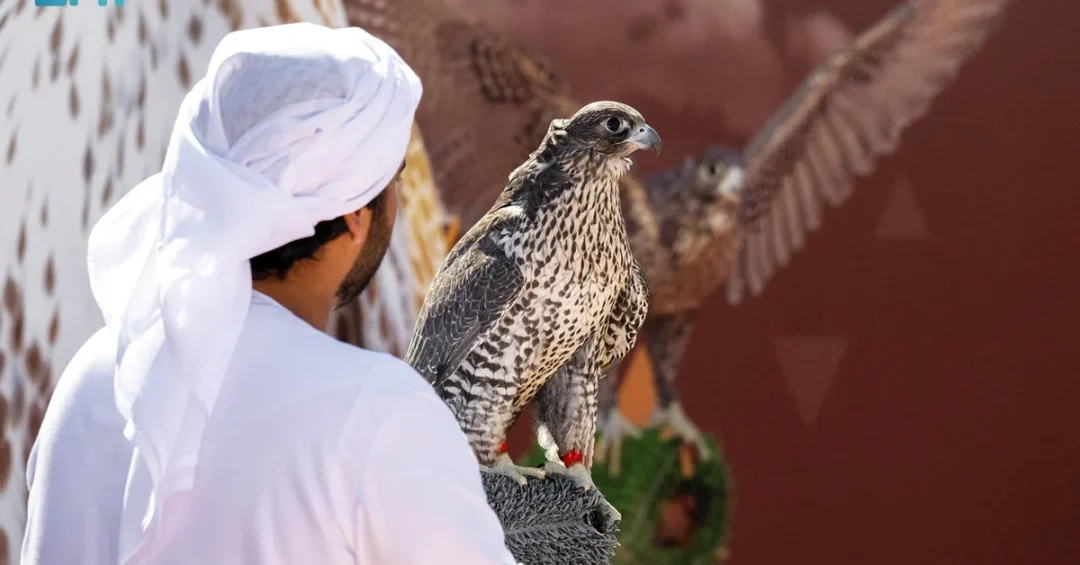
The King Abdulaziz Falconry Festival 2024, hosted by the Saudi Falcons Club in Malham, has entered its tenth day with international owners’ competitions drawing 171 falconers across six intense rounds, all vying for the prestigious King Abdulaziz Cups. The festival, which runs until December 19, has already established itself as the world’s largest gathering of falcons, earning three Guinness World Records for the highest number of participating falcons. With a prize pool exceeding SAR36 million — the most lucrative in the event’s history — the competition underscores Saudi Arabia’s commitment to preserving its ancestral heritage while showcasing its growing role as a global hub for cultural and sporting events. The international professionals’ competition is set to take place on Saturday, featuring 12 rounds of thrilling action that will test the skill and speed of the world’s finest falcons and their handlers.
Falconry, a practice deeply rooted in Arabian Peninsula history, has been passed down through generations as a symbol of nobility, patience, and harmony with nature. The King Abdulaziz Falconry Festival, now in its sixth edition, has transformed this traditional pursuit into a modern, world-class spectacle that attracts participants and spectators from across the globe. Under the patronage of the Saudi Falcons Club, the event not only honors the legacy of the late King Abdulaziz but also reinforces the Kingdom’s dedication to safeguarding intangible cultural heritage, as recognized by UNESCO. This year’s festival has drawn record numbers of falcons and falconers, reflecting the growing international appeal of a sport that Saudi Arabia has nurtured and elevated to unprecedented heights.
Context and Background
How did a centuries-old desert tradition evolve into a globally recognized competitive event with millions in prizes? The King Abdulaziz Falconry Festival was first launched in 2017 by the Saudi Falcons Club, an initiative established under the directives of the Kingdom’s leadership to preserve and promote falconry as a cornerstone of Saudi cultural identity. Since its inception, the festival has grown exponentially, both in scale and prestige. It now serves as a platform for falconers from the Gulf region, the wider Middle East, and beyond to compete in categories such as the King Abdulaziz Cup, the Crown Prince Cup, and the Future Falconer competition for youth. The event is held annually at the Malham headquarters, a purpose-built facility north of Riyadh that includes a dedicated falconry village, racing tracks, and exhibition spaces.
The festival’s rise mirrors Saudi Arabia’s broader cultural renaissance under Vision 2030, which seeks to diversify the economy and promote national heritage. Falconry, once a practical means of hunting for Bedouin tribes, has been reimagined as a competitive sport with standardized rules and international participation. The Saudi Falcons Club has played a pivotal role in this transformation, organizing auctions, training programs, and research initiatives to ensure the sustainability of falconry. The club also operates a falcon hospital and breeding center, addressing conservation concerns while enhancing the welfare of the birds. By hosting the King Abdulaziz Falconry Festival, Saudi Arabia not only celebrates its past but also positions itself as a leader in cultural diplomacy and environmental stewardship.
Key Details of the 2024 Edition
What makes the 2024 edition stand out from its predecessors? The tenth day of the festival, held on Friday, December 13, 2024, saw 171 falconers compete in six rounds of the international owners’ competition. These rounds are designed to test the falcons’ speed, endurance, and obedience as they race along a designated track, with handlers using traditional techniques to call the birds to a lure. The winners of each round are awarded points that contribute to the overall standings for the King Abdulaziz Cups, which are among the most coveted trophies in the sport. The atmosphere at Malham was electric, with spectators from various countries cheering on their favorite falcons and handlers. The event was covered extensively by Saudi and international media, further amplifying its global reach.
The international professionals’ competition, scheduled for Saturday, promises even higher stakes. Twelve rounds will feature elite falconers who have qualified through rigorous regional and international tournaments. These professionals bring with them falcons that have been bred and trained for optimal performance, often using advanced telemetry and tracking devices to monitor their flights. The prize pool of over SAR36 million is distributed across various categories, including the main King Abdulaziz Cup, the Crown Prince Cup, and special awards for the fastest falcons. This financial incentive has attracted top talent from countries such as the United Arab Emirates, Kuwait, Qatar, Bahrain, and even European nations with their own falconry traditions. The festival’s organizers have emphasized that the competition is not just about winning but also about fostering camaraderie and exchanging knowledge among falconers.
International and Regional Impact
How does the King Abdulaziz Falconry Festival influence falconry beyond Saudi Arabia’s borders? The event has become a unifying force for falconers worldwide, providing a rare opportunity for enthusiasts from different cultures to share techniques and experiences. The presence of international participants has helped standardize competition rules and promote ethical practices in falconry, such as the use of captive-bred birds to reduce pressure on wild populations. The Saudi Falcons Club has also signed memoranda of understanding with international falconry organizations, including the International Association for Falconry and Conservation of Birds of Prey, to collaborate on research and conservation. These partnerships enhance Saudi Arabia’s soft power and demonstrate its commitment to global cultural heritage.
Regionally, the festival reinforces the Gulf Cooperation Council’s shared heritage and strengthens ties among member states. Falconry is a common thread that binds the Arabian Peninsula, and the King Abdulaziz Falconry Festival serves as a showcase for this unity. The event also attracts tourists from around the world, contributing to Saudi Arabia’s tourism goals under Vision 2030. Visitors can explore the falconry village, attend cultural performances, and purchase traditional crafts. The influx of international guests stimulates local businesses, from hotels to restaurants, and generates media coverage that portrays Saudi Arabia as a welcoming and dynamic destination. The festival’s success has encouraged other countries to host similar events, further cementing Saudi Arabia’s leadership in the field.
Economic and Strategic Significance
What economic benefits does the festival bring to Saudi Arabia and the region? The prize pool of SAR36 million is a significant investment in the sport, but the economic impact extends far beyond the awards. The festival creates jobs in event management, hospitality, transportation, and retail. It also boosts the local economy in Malham and surrounding areas, as thousands of visitors require accommodation, food, and services. The Saudi Falcons Club has partnered with private sector companies to sponsor the event, providing them with branding opportunities and access to a wealthy, engaged audience. Falconry-related industries, such as falcon breeding, veterinary care, and equipment manufacturing, have also grown in response to the festival’s demands.
Strategically, the festival aligns with Saudi Arabia’s efforts to diversify its economy away from oil. By promoting cultural tourism and heritage sports, the Kingdom attracts high-value visitors who are interested in authentic experiences. The event also supports the goals of the National Transformation Program and the Quality of Life Program, both part of Vision 2030. These programs aim to enhance cultural participation, preserve national identity, and improve the Kingdom’s image abroad. The King Abdulaziz Falconry Festival is a prime example of how Saudi Arabia is leveraging its unique heritage to create sustainable economic opportunities and strengthen its global standing.
Vision 2030 Alignment
How does the King Abdulaziz Falconry Festival contribute to the objectives of Saudi Vision 2030? The festival is a living embodiment of the vision’s cultural pillar, which seeks to preserve and celebrate Saudi Arabia’s rich heritage while opening the Kingdom to the world. By hosting an event of this magnitude, Saudi Arabia demonstrates its capability to organize world-class competitions that meet international standards. The festival also promotes social cohesion, as families and youth participate in activities that connect them to their roots. The inclusion of a Future Falconer competition for young people ensures that the tradition is passed on to the next generation, in line with Vision 2030’s emphasis on youth empowerment and education.
Moreover, the festival enhances Saudi Arabia’s reputation as a global destination for cultural and sporting events. It attracts positive media attention and fosters people-to-people exchanges that build bridges between cultures. As the Kingdom continues to implement Vision 2030, events like the King Abdulaziz Falconry Festival will play an increasingly important role in showcasing its progress and hospitality. The Saudi Falcons Club’s dedication to excellence and conservation sets a benchmark for other heritage sports, ensuring that falconry remains a vibrant part of Saudi identity for generations to come. With record participation and unprecedented prizes, the 2024 festival is not just a competition — it is a celebration of Saudi Arabia’s past, present, and future.
20 Questions
Q1. What is the King Abdulaziz Falconry Festival?
A1. The King Abdulaziz Falconry Festival is an annual event hosted by the Saudi Falcons Club in Malham, Saudi Arabia. It is the world’s largest gathering of falcons, featuring competitions for local and international falconers, with prizes exceeding SAR36 million in 2024.
Q2. Where is the festival held?
A2. The festival is held at the Saudi Falcons Club headquarters in Malham, located north of Riyadh, Saudi Arabia. The purpose-built facility includes a falconry village, racing tracks, and exhibition spaces designed to host thousands of participants and spectators.
Q3. How long does the 2024 festival run?
A3. The 2024 edition of the King Abdulaziz Falconry Festival runs until December 19, 2024. It began earlier in December and features multiple days of competitions, cultural activities, and exhibitions, culminating in the crowning of the champions.
Q4. How many falconers participated on the tenth day?
A4. On the tenth day, December 13, 2024, a total of 171 falconers participated in six rounds of the international owners’ competition. They competed for the prestigious King Abdulaziz Cups, demonstrating skill and speed.
Q5. What is the prize pool for the 2024 festival?
A5. The prize pool for the 2024 festival exceeds SAR36 million, making it the most lucrative falconry competition in the festival’s history. The prizes are distributed across various categories, including the King Abdulaziz Cup and the Crown Prince Cup.
Q6. What Guinness World Records has the festival earned?
A6. The King Abdulaziz Falconry Festival has earned three Guinness World Records for the highest number of participating falcons. These records underscore the festival’s status as the world’s largest gathering of falcons and its global significance.
Q7. When is the international professionals’ competition?
A7. The international professionals’ competition is scheduled for Saturday, December 14, 2024. It will feature 12 rounds of thrilling action, with elite falconers from around the world competing for top honors and substantial prizes.
Q8. Who organizes the King Abdulaziz Falconry Festival?
A8. The festival is organized by the Saudi Falcons Club, a government-supported organization dedicated to preserving falconry heritage, promoting conservation, and hosting world-class competitions. The club operates under the directives of Saudi Arabia’s leadership.
Q9. What is the significance of falconry in Saudi culture?
A9. Falconry is a deeply rooted tradition in Saudi Arabia, symbolizing nobility, patience, and harmony with nature. It has been passed down through generations and is recognized by UNESCO as intangible cultural heritage, reflecting the Kingdom’s rich history.
Q10. How does the festival promote conservation?
A10. The festival promotes conservation by encouraging the use of captive-bred falcons, supporting breeding programs, and collaborating with international organizations. The Saudi Falcons Club operates a falcon hospital and research center to ensure the welfare and sustainability of the species.
Q11. What economic benefits does the festival bring?
A11. The festival boosts the local economy by creating jobs in event management, hospitality, and retail. It attracts thousands of visitors who spend on accommodation, food, and services, and stimulates growth in falconry-related industries such as breeding and equipment manufacturing.
Q12. How does the festival align with Vision 2030?
A12. The festival aligns with Vision 2030 by preserving cultural heritage, promoting tourism, and empowering youth. It showcases Saudi Arabia’s ability to host global events and supports the Quality of Life Program’s goals of enhancing cultural participation and national identity.
Q13. Can international falconers participate?
A13. Yes, international falconers are invited to participate in dedicated categories, such as the international owners’ and professionals’ competitions. The festival attracts participants from across the Gulf, the Middle East, and Europe, fostering global exchange and camaraderie.
Q14. What are the King Abdulaziz Cups?
A14. The King Abdulaziz Cups are the most prestigious trophies awarded at the festival. They are given to the winners of the main competitions, including the owners’ and professionals’ categories, and represent the highest honor in competitive falconry.
Q15. How are falcons trained for the competition?
A15. Falcons are trained using traditional methods combined with modern technology, such as telemetry and tracking devices. Handlers focus on speed, endurance, and obedience, preparing the birds for races where they respond to lures and calls.
Q16. What is the Future Falconer competition?
A16. The Future Falconer competition is a category designed for young participants to encourage youth involvement in falconry. It ensures the transmission of traditional skills and knowledge to the next generation, in line with Vision 2030’s youth empowerment goals.
Q17. How many rounds are in the professionals’ competition?
A17. The international professionals’ competition features 12 rounds of intense action. Each round tests different aspects of falconry, and points are accumulated to determine the overall winners of the King Abdulaziz Cups.
Q18. What role does the Saudi Falcons Club play?
A18. The Saudi Falcons Club organizes the festival, regulates competitions, and promotes falconry heritage. It also runs conservation programs, auctions, and training initiatives, and represents Saudi Arabia in international falconry organizations.
Q19. How does the festival attract tourists?
A19. The festival attracts tourists by offering a unique cultural experience, including falconry competitions, a heritage village, and traditional performances. It is promoted internationally and contributes to Saudi Arabia’s tourism goals under Vision 2030.
Q20. What is the legacy of the King Abdulaziz Falconry Festival?
A20. The festival’s legacy is the preservation and global promotion of falconry as a symbol of Saudi heritage. It has elevated the sport to new heights, fostered international cooperation, and ensured that future generations can appreciate this ancient tradition.
Reader Feedback
We value your thoughts. Please share your feedback on this article.
Your feedback helps us improve our coverage.
Related articles
 Qatif Car Show Blends Art and FIFA World Cup 2034 Pride
 Saudi Arabia’s 2034 World Cup Win Inspires Jeddah Book Fair
 Riyadh Theater Festival 2024: 20 Shows, Vision 2030 Spotlight
 International Reading Forum Opens in Riyadh
 Library of the Grand Mosque: A Beacon of Knowledge
 Common Ground Festival Spotlights Saudi-Iraqi Connections