


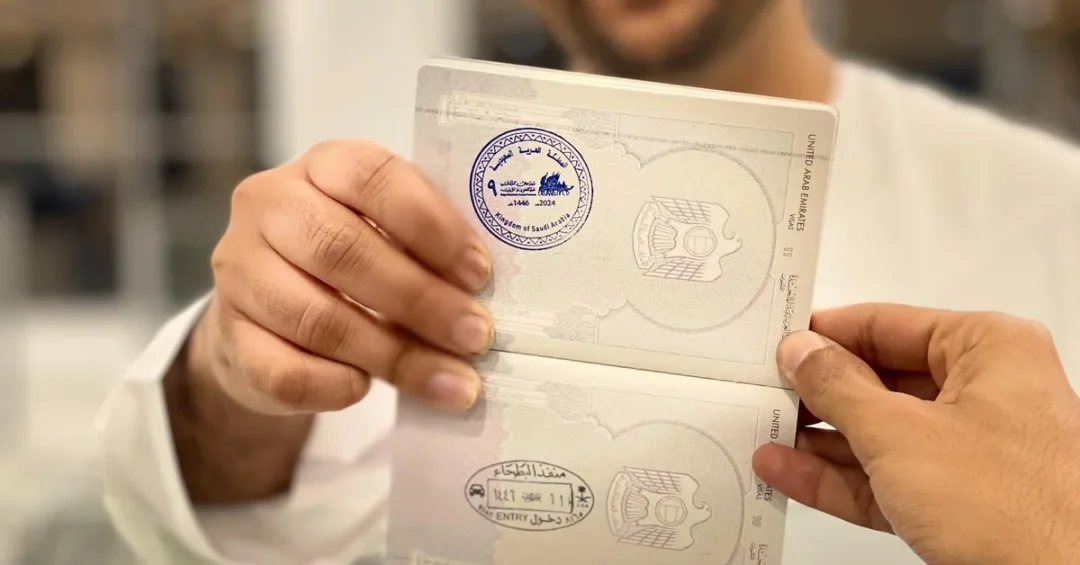
The Saudi Ministry of Interior, in collaboration with the Camel Club, has unveiled a special commemorative stamp honoring the King Abdulaziz Camel Festival 2024, with the stamp set to be distributed to travelers arriving in the Kingdom through its international ports. The announcement, carried by the Saudi Press Agency (SPA), marks another milestone in the Kingdom’s efforts to celebrate its rich cultural heritage while showcasing its modern identity to the world. The commemorative stamp serves as both a collector’s item and a symbolic welcome to visitors, reflecting the deep-rooted traditions that continue to shape Saudi Arabia’s national story.
Why does a simple stamp matter in an age of digital communication? Because in Saudi Arabia, heritage is not a relic of the past but a living, breathing part of daily life and national pride. The King Abdulaziz Camel Festival, one of the world’s largest and most prestigious camel events, draws participants and spectators from across the Gulf region and beyond. By issuing a commemorative stamp, the Ministry of Interior and the Camel Club are transforming a cultural celebration into a tangible artifact that travelers can carry with them, extending the festival’s reach far beyond the desert plains where it takes place. This initiative underscores the Kingdom’s commitment to preserving its traditions while embracing its role as a global destination.
Context and Background
What is the significance of the King Abdulaziz Camel Festival in Saudi Arabia’s cultural landscape? The festival, named after the Kingdom’s founder, King Abdulaziz Al Saud, is an annual event that celebrates the enduring bond between the Saudi people and camels, an animal that has been central to Arabian life for centuries. Held in the desert region of Al-Dahna, the festival features camel races, beauty contests, and cultural exhibitions, attracting thousands of participants and visitors. It serves as a platform for preserving Bedouin traditions, promoting heritage tourism, and fostering national unity. The event has grown in scale and prestige since its inception, becoming a cornerstone of Saudi Arabia’s cultural calendar.
The Ministry of Interior’s involvement in issuing the commemorative stamp highlights the government’s integrated approach to cultural promotion. By partnering with the Camel Club, which organizes the festival, the ministry is leveraging its network of international ports to distribute the stamp to arriving travelers. This collaboration ensures that the stamp reaches a wide audience, including tourists, business visitors, and Saudi citizens returning home. The stamp not only commemorates the festival but also serves as a promotional tool for the Kingdom’s tourism sector, which is a key pillar of Vision 2030. It is a small but meaningful gesture that welcomes visitors and invites them to explore Saudi Arabia’s heritage.
How does this initiative fit into the broader context of Saudi Arabia’s cultural diplomacy? In recent years, the Kingdom has intensified its efforts to share its culture with the world, hosting international events, opening new museums, and promoting traditional arts. The commemorative stamp is part of this strategy, using a universally recognized medium—postage stamps—to tell a story about Saudi heritage. Stamps are often overlooked as cultural ambassadors, yet they travel across borders, reaching collectors and recipients worldwide. By issuing a stamp dedicated to the camel festival, Saudi Arabia is sending a message of pride in its traditions and openness to global engagement.
Key Details
What exactly does the commemorative stamp feature, and how can travelers obtain it? According to the Saudi Press Agency, the stamp was unveiled by the Ministry of Interior in collaboration with the Camel Club. While the specific design has not been detailed in the initial announcement, commemorative stamps typically depict iconic imagery related to the event, such as camels, desert landscapes, or festival motifs. The stamp will be available to travelers entering the Kingdom through its international ports, including airports, seaports, and land crossings. This distribution method ensures that the stamp reaches a diverse audience and serves as a memorable keepsake for visitors.
The Ministry of Interior’s role in this initiative is significant, as it oversees border security and immigration. By integrating the stamp distribution into the arrival process, the ministry is adding a cultural dimension to the traveler’s first experience of Saudi Arabia. This aligns with the Kingdom’s broader efforts to enhance the visitor experience and showcase Saudi hospitality. The Camel Club, a government-affiliated organization dedicated to preserving camel heritage, brings its expertise in festival organization and cultural promotion to the partnership. Together, they have created a commemorative item that celebrates a beloved national event.
How will the stamp be received by collectors and the public? Commemorative stamps are highly sought after by philatelists and enthusiasts, and this issue is likely to attract attention both within Saudi Arabia and internationally. The stamp’s association with the King Abdulaziz Camel Festival adds to its appeal, as the festival itself has a growing international profile. By making the stamp available at ports of entry, the Ministry of Interior is also targeting a broader audience of travelers who may not be stamp collectors but will appreciate the gesture. This approach maximizes the stamp’s reach and impact, turning it into a conversation starter about Saudi culture.
International and Regional Impact
How does the commemorative stamp contribute to Saudi Arabia’s image on the world stage? In an era where digital communication dominates, a physical stamp carries a sense of authenticity and permanence. For international travelers, receiving a commemorative stamp upon arrival is a novel and welcoming experience that can create a positive first impression. It signals that Saudi Arabia values its heritage and is eager to share it with guests. This soft power approach can enhance the Kingdom’s reputation as a culturally rich and hospitable destination, complementing its economic and diplomatic initiatives.
Regionally, the stamp reinforces Saudi Arabia’s leadership in preserving Arab and Islamic heritage. The camel festival itself is a testament to the shared traditions of the Gulf and the wider Arab world. By commemorating it with a stamp, the Kingdom is highlighting its role as a custodian of this heritage. Neighboring countries and regional organizations may view this as a positive step toward cultural cooperation and exchange. The stamp also serves as a reminder of the deep historical ties that bind the region, even as Saudi Arabia undergoes rapid modernization.
Economic and Strategic Significance
What economic benefits could arise from this initiative? While a commemorative stamp may seem like a minor economic factor, it is part of a larger strategy to boost tourism and cultural exports. The King Abdulaziz Camel Festival attracts thousands of visitors, generating revenue for local businesses, hotels, and transportation services. The stamp, by promoting the festival, can indirectly stimulate interest in attending the event and exploring related tourism offerings. Additionally, the stamp itself is a product that may be purchased by collectors, contributing to the postal sector’s revenue. More broadly, the initiative supports the diversification of the Saudi economy away from oil dependence, a core goal of Vision 2030.
Strategically, the stamp serves as a tool for nation branding and public diplomacy. It communicates that Saudi Arabia is a country that honors its past while building its future. This narrative is essential for attracting foreign investment and talent, as it presents the Kingdom as a stable, culturally rich, and forward-looking nation. The Ministry of Interior’s involvement also highlights the government’s coordinated approach to achieving national objectives, with various ministries and agencies working together to promote Saudi Arabia’s image and interests.
Vision 2030 Alignment
How does the commemorative stamp align with Vision 2030? Vision 2030, Saudi Arabia’s ambitious blueprint for economic and social transformation, places a strong emphasis on preserving cultural heritage and promoting tourism. One of its key goals is to increase the number of visitors to the Kingdom and enhance their experience. The stamp initiative directly supports this by creating a memorable touchpoint for travelers and showcasing a unique aspect of Saudi culture. It also reflects the vision’s focus on national pride and identity, as it celebrates a festival that is deeply rooted in Saudi history.
Furthermore, the collaboration between the Ministry of Interior and the Camel Club exemplifies the kind of cross-sector partnership that Vision 2030 encourages. By leveraging government resources and cultural expertise, the initiative achieves a greater impact than either entity could alone. As Saudi Arabia continues to open up to the world, such creative endeavors will play a vital role in telling the Kingdom’s story and inviting others to be part of it. The commemorative stamp is a small but shining example of how tradition and modernity can coexist and thrive in the new Saudi Arabia.
20 Questions
Q1. What is the King Abdulaziz Camel Festival?
A1. The King Abdulaziz Camel Festival is an annual cultural event in Saudi Arabia that celebrates camel heritage, featuring races, beauty contests, and exhibitions. It honors the legacy of the Kingdom’s founder and attracts participants from across the region.
Q2. Who issued the commemorative stamp for the festival?
A2. The stamp was issued by the Saudi Ministry of Interior in collaboration with the Camel Club, as announced by the Saudi Press Agency. This partnership highlights the government’s commitment to promoting cultural heritage.
Q3. Where will the commemorative stamp be available?
A3. The stamp will be available to travelers entering Saudi Arabia through its international ports, including airports, seaports, and land border crossings. This ensures wide distribution to visitors and citizens alike.
Q4. Why is the stamp being distributed at ports of entry?
A4. Distributing the stamp at ports of entry welcomes travelers and introduces them to Saudi culture immediately upon arrival. It also serves as a promotional tool for the festival and the Kingdom’s tourism sector.
Q5. What is the significance of camels in Saudi culture?
A5. Camels have been central to Arabian life for centuries, serving as transportation, a source of food, and a symbol of wealth and status. They remain a cherished part of Saudi heritage and identity.
Q6. How does the stamp support Vision 2030?
A6. The stamp supports Vision 2030 by promoting cultural heritage and tourism, two key pillars of the reform plan. It enhances the visitor experience and showcases Saudi traditions to a global audience.
Q7. Who is the Camel Club?
A7. The Camel Club is a Saudi government-affiliated organization dedicated to preserving and promoting camel heritage. It organizes the King Abdulaziz Camel Festival and other related events.
Q8. What is the role of the Ministry of Interior in this initiative?
A8. The Ministry of Interior oversees border security and immigration, and it is using its network of international ports to distribute the stamp. This adds a cultural dimension to the arrival process.
Q9. Will the stamp be available to the general public?
A9. The stamp is primarily intended for travelers entering the Kingdom, but it may also be available through postal channels. Collectors and enthusiasts should inquire with Saudi Post for details.
Q10. How does the festival promote tourism?
A10. The festival attracts thousands of visitors, boosting local economies and showcasing Saudi hospitality. It is a major event on the Kingdom’s cultural calendar and supports the growth of heritage tourism.
Q11. What is the historical background of the festival?
A11. The festival is named after King Abdulaziz Al Saud, the founder of modern Saudi Arabia. It was established to celebrate the deep bond between the Saudi people and camels, a tradition dating back centuries.
Q12. Are there other commemorative stamps issued by Saudi Arabia?
A12. Yes, Saudi Arabia has issued commemorative stamps for various occasions, including national days, international events, and cultural milestones. These stamps are popular among collectors worldwide.
Q13. How can international travelers learn more about the festival?
A13. Travelers can visit the official website of the Camel Club or the Saudi Press Agency for information. Tourism offices and cultural centers also provide details about the festival and other events.
Q14. What economic impact does the festival have?
A14. The festival generates significant economic activity, from hospitality and transportation to retail and entertainment. It also creates jobs and supports small businesses in the region.
Q15. Does the stamp feature any specific imagery?
A15. While the exact design has not been detailed, commemorative stamps often depict camels, desert scenes, or festival symbols. The design is expected to reflect the spirit of the event.
Q16. How does this initiative reflect Saudi Arabia’s cultural diplomacy?
A16. It uses a universal medium—postage stamps—to share Saudi heritage with the world. This soft power approach enhances the Kingdom’s image as a culturally rich and open nation.
Q17. What other cultural events does Saudi Arabia host?
A17. Saudi Arabia hosts numerous cultural events, including the Janadriyah Festival, Riyadh Season, and the Diriyah E-Prix. These events showcase the Kingdom’s diverse heritage and modern achievements.
Q18. Is the stamp a limited edition?
A18. The announcement did not specify whether the stamp is limited edition, but commemorative stamps are often produced in limited quantities. Collectors are advised to obtain them early.
Q19. How does the festival support local communities?
A19. The festival provides a platform for local artisans, traders, and performers to showcase their skills and products. It also fosters community pride and preserves traditional crafts.
Q20. What message does the stamp convey to the world?
A20. The stamp conveys that Saudi Arabia is proud of its heritage and eager to share it with visitors. It symbolizes the Kingdom’s blend of tradition and modernity, and its welcoming spirit.
Reader Feedback
We value your thoughts. Please share your feedback on this article.
Your feedback helps us improve our coverage.
Related articles
 International Falconry Elite Compete at King Abdulaziz Falconry Festival
 Qatif Car Show Blends Art and FIFA World Cup 2034 Pride
 Saudi Arabia’s 2034 World Cup Win Inspires Jeddah Book Fair
 Riyadh Theater Festival 2024: 20 Shows, Vision 2030 Spotlight
 International Reading Forum Opens in Riyadh
 Library of the Grand Mosque: A Beacon of Knowledge