


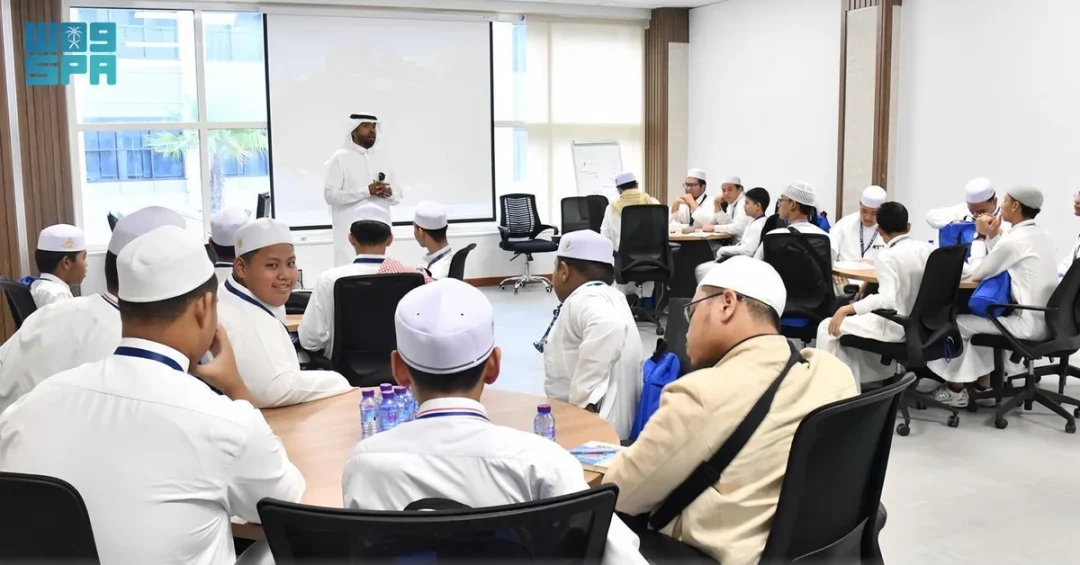
Umm Al-Qura University in Makkah has launched a dedicated Arabic language program for Thai learners, an initiative organized by its Institute for Teaching Arabic to Non-Native Speakers in partnership with the Institute for Research, Studies, and Consulting Services, as announced by the Saudi Press Agency. The program marks a further step in the Kingdom’s expanding efforts to serve pilgrims and international students while promoting the Arabic language across Asia and beyond.
The announcement, carried by the Saudi Press Agency on April 7, 2025, positions the university’s specialized institute at the center of a growing network of partnerships aimed at teaching Arabic to speakers of other languages. The program builds on earlier agreements designed to help Umrah and Hajj pilgrims from Thailand learn Arabic and better understand the cultural context of their visit to the holy cities. For observers of Saudi higher education, the launch reflects both the university’s academic mission and the Kingdom’s broader commitment to cultural diplomacy under Vision 2030.
Context and Background
Why does a university in Makkah dedicate resources to teaching Arabic to learners thousands of kilometers away in Southeast Asia? The answer lies in Umm Al-Qura University’s long-standing role as a center for Arabic language instruction and Islamic studies, and in the steady growth of educational ties between Saudi Arabia and Thailand. The Institute for Teaching Arabic to Non-Native Speakers was established precisely for this purpose: to prepare qualified teachers of Arabic and Islamic culture, to train them in the latest educational methods and theories, and to deliver high-quality Arabic instruction aligned with international standards.
The new program for Thai learners is not an isolated effort. It builds on previous agreements between Saudi and Thai institutions that focused on helping Umrah and Hajj pilgrims acquire Arabic language skills and a deeper appreciation of the cultural environment surrounding the pilgrimage. Those earlier arrangements recognized that language is often the first barrier pilgrims face, and that overcoming it enriches the spiritual and cultural dimensions of the journey. By expanding this work into a structured program, the university is translating goodwill into a sustained academic pathway.
Thailand is home to a significant Muslim population, and thousands of Thai citizens travel to the Kingdom each year for Umrah and Hajj. Demand for Arabic instruction in Thailand has grown accordingly, both among pilgrims and among students pursuing Islamic studies, translation, and international business. The program therefore responds to a genuine educational need, while also strengthening people-to-people ties between the two countries. It is a practical expression of the university’s stated mission to promote the Arabic language globally and to enhance understanding of Islamic culture among non-native speakers.
Key Details of the Program
What exactly does the program involve, and who will benefit from it? According to the Saudi Press Agency, the initiative is organized by the Institute for Teaching Arabic to Non-Native Speakers in partnership with the Institute for Research, Studies, and Consulting Services at Umm Al-Qura University. The two institutes bring complementary strengths: one focused on pedagogy and language instruction, the other on research, evaluation, and consultancy that can help refine curricula and measure outcomes.
The institute’s mission statement emphasizes preparing qualified teachers of Arabic and Islamic culture for non-native speakers, using the latest educational methods and theories. That means the program is not limited to teaching vocabulary and grammar; it also aims to build cultural literacy, so that learners understand the religious and social context in which the language is used. For Thai learners, this dual focus is especially valuable, as many will use Arabic in pilgrimage settings, academic study, or professional contexts linked to the Islamic world.
The university has not disclosed a specific enrollment figure or timetable in the initial announcement, but the structure of the partnership suggests a phased approach: curriculum design and teacher preparation first, followed by direct instruction and assessment. The involvement of the Institute for Research, Studies, and Consulting Services indicates that the program will be evaluated against international standards, a hallmark of the university’s approach to Arabic language education. This emphasis on quality assurance distinguishes the initiative from informal language courses and positions it within the Kingdom’s wider system of accredited Arabic teaching.
International and Regional Impact
How might a university language program shape relations between Saudi Arabia and Thailand? Education has become an increasingly important pillar of the bilateral relationship, complementing cooperation in trade, tourism, and cultural exchange. By teaching Arabic to Thai learners, Umm Al-Qura University is investing in a generation of graduates who can act as bridges between the two societies, whether as teachers, translators, tour guides, or business professionals. Such exchanges deepen mutual understanding and create durable networks of alumni with firsthand experience of Saudi higher education.
Regionally, the program reinforces the Kingdom’s position as a global center for Arabic language learning. Saudi universities already attract students from across Asia, Africa, and Europe, and initiatives like this one extend that reach beyond campus walls. For Southeast Asia, where interest in Arabic and Islamic studies remains strong, the program offers a credible, standards-based option for learners who may not be able to travel immediately. In this sense, it supports the broader goal of making Saudi Arabia a hub for cultural and educational diplomacy, not only a destination for pilgrimage.
Economic and Strategic Significance
What does the program mean for Saudi Arabia’s economic and strategic priorities? Language education may appear modest in scale, but it sits at the intersection of several national objectives. Pilgrims who understand Arabic are better able to navigate services, engage with local communities, and participate fully in the spiritual experience, which in turn supports the Kingdom’s efforts to enhance the quality of pilgrimage services. Improved experiences translate into stronger word-of-mouth promotion and repeat visits, benefiting the tourism and hospitality sectors that Vision 2030 has identified as growth engines.
Strategically, the program strengthens soft power. By sharing its language and culture through official institutions, Saudi Arabia builds goodwill and influence in a region of growing economic importance. Thailand is a key partner in Southeast Asia, and educational cooperation can open doors to further collaboration in trade, investment, and technology. The university’s partnership model, which pairs teaching with research and consulting, also creates opportunities for Saudi expertise to be exported and for international feedback to flow back into curriculum development. That two-way exchange is a mark of a mature academic system and a confident cultural policy.
Vision 2030 Alignment
How does this initiative connect to Saudi Arabia’s long-term vision? Vision 2030 calls for a diversified economy, a globally engaged society, and a strengthened role for the Kingdom as a crossroads of cultures. Umm Al-Qura University’s Arabic language program for Thai learners advances each of these goals. It supports the pilgrim experience, which is central to the Kingdom’s tourism and religious hospitality ambitions. It promotes Arabic as a global language, reinforcing cultural diplomacy. And it demonstrates the capacity of Saudi institutions to form international partnerships grounded in quality and mutual benefit.
The program also reflects the vision’s emphasis on education as a driver of human capital. By preparing qualified teachers and offering instruction aligned with international standards, the university contributes to a pipeline of skilled educators and culturally fluent graduates. For Thai learners, the benefit is direct and practical; for Saudi Arabia, the benefit is a stronger network of friends and partners who understand the Kingdom’s language, heritage, and aspirations. As the program develops, it is likely to serve as a model for similar initiatives in other countries, further extending the reach of Saudi education and the Arabic language worldwide.
20 Questions
Q1. What is the Arabic language program launched by Umm Al-Qura University?
A1. It is a dedicated program for Thai learners organized by the university’s Institute for Teaching Arabic to Non-Native Speakers, in partnership with the Institute for Research, Studies, and Consulting Services, as announced by the Saudi Press Agency.
Q2. When was the program announced?
A2. The Saudi Press Agency reported the launch on April 7, 2025, from Makkah, marking a new phase in the university’s efforts to teach Arabic to non-native speakers.
Q3. Which university launched the program?
A3. Umm Al-Qura University in Makkah, one of the Kingdom’s leading institutions for Arabic language and Islamic studies, launched the initiative through its specialized institute.
Q4. Which institute organized the program?
A4. The Institute for Teaching Arabic to Non-Native Speakers organized the program, working alongside the Institute for Research, Studies, and Consulting Services to ensure quality and effectiveness.
Q5. Who are the intended learners?
A5. The program targets Thai learners, including Umrah and Hajj pilgrims, students of Arabic and Islamic studies, and professionals who need Arabic language skills for academic or cultural purposes.
Q6. What is the mission of the Institute for Teaching Arabic to Non-Native Speakers?
A6. Its mission is to prepare qualified teachers of Arabic and Islamic culture for non-native speakers, using the latest educational methods and theories, and to promote the Arabic language globally.
Q7. Does the program build on previous agreements?
A7. Yes. It builds on earlier agreements aimed at helping Umrah and Hajj pilgrims learn Arabic and understand its cultural context, expanding that cooperation into a structured educational program.
Q8. Why is learning Arabic important for pilgrims?
A8. Arabic helps pilgrims navigate services, communicate with local communities, and engage more deeply with the spiritual and cultural dimensions of their visit to the holy cities.
Q9. How does the program support Saudi-Thai relations?
A9. It strengthens people-to-people ties by investing in Thai learners who can serve as teachers, translators, and cultural bridges, complementing cooperation in trade, tourism, and education.
Q10. What educational methods does the institute use?
A10. The institute applies modern educational methods and theories, aligned with international standards, to deliver high-quality Arabic instruction and enhance understanding of Islamic culture.
Q11. Will the program be evaluated for quality?
A11. The partnership with the Institute for Research, Studies, and Consulting Services suggests a strong emphasis on evaluation, curriculum refinement, and adherence to international standards.
Q12. How does the program relate to Vision 2030?
A12. It supports Vision 2030 by enhancing the pilgrim experience, promoting Arabic globally, advancing cultural diplomacy, and strengthening education as a driver of human capital and international partnership.
Q13. Is the program limited to pilgrims?
A13. No. While it builds on agreements related to Umrah and Hajj pilgrims, the program serves a broader range of Thai learners interested in Arabic language and Islamic culture.
Q14. What role does the Institute for Research, Studies, and Consulting Services play?
A14. It contributes research, studies, and consulting expertise, helping design curricula, measure outcomes, and ensure the program meets high academic and international standards.
Q15. How does the program promote Arabic globally?
A15. By teaching Arabic to Thai learners and preparing qualified teachers, the university extends the language’s reach in Southeast Asia and reinforces Saudi Arabia’s role as a global center for Arabic learning.
Q16. What benefits does the program offer to Thai learners?
A16. Thai learners gain accredited Arabic instruction, cultural understanding, and skills useful for pilgrimage, academic study, translation, and professional work linked to the Islamic world.
Q17. Does the program include cultural education?
A17. Yes. The institute’s mission includes enhancing understanding of Islamic culture alongside language instruction, so learners grasp the context in which Arabic is used.
Q18. How might the program affect Saudi tourism and hospitality?
A18. Better Arabic skills among pilgrims can improve their experience, encouraging positive word-of-mouth, repeat visits, and stronger demand for services tied to religious tourism.
Q19. Could the program be expanded to other countries?
A19. The initiative’s partnership model and standards-based approach make it a potential template for similar programs in other nations, extending Saudi educational outreach further.
Q20. What is the significance of the program for Saudi higher education?
A20. It showcases the capacity of Saudi universities to form international partnerships, export Arabic language expertise, and contribute to cultural diplomacy in line with the Kingdom’s long-term vision.
Reader Feedback
We value your thoughts. Please share your feedback on this article.
Your feedback helps us improve our coverage.
Related articles
 Madinah Concludes Swimming Literacy Project with 300 Students
 AlUla Program Trains 50 Youth in Public Speaking
 Najran Schools Adopt Winter Schedule Starting Sunday
 Najran University Climbs Four Places in QS Arab Rankings 2027
 Saudi Arabia Sets February 2027 Deadline for Worker Housing
 ETEC to Hold Third National Forum for School Excellence in Riyadh