


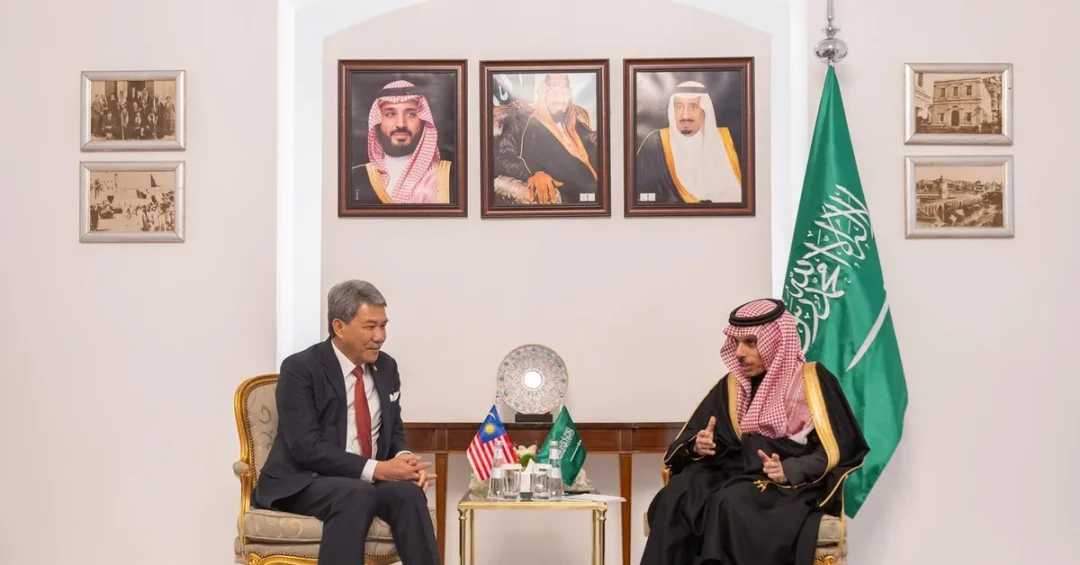
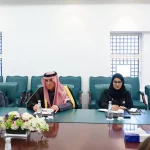
Saudi Minister of Foreign Affairs Prince Faisal bin Farhan bin Abdullah received Malaysia’s Minister of Foreign Affairs Dato Seri Utama Haji Mohamad Bin Haji Hasan in Riyadh on December 10, 2024, for an official visit focused on deepening bilateral ties and reviewing regional and international developments. The meeting, announced through the Saudi Press Agency, underscored the Kingdom’s continuing commitment to constructive diplomacy and its expanding partnerships across Southeast Asia. The two top diplomats examined the full spectrum of Saudi-Malaysian relations and explored avenues for further cooperation in political, economic, cultural, and people-to-people exchanges. The encounter reflects Saudi Arabia’s wider strategy of building bridges with influential nations in Asia while advancing the objectives of Vision 2030, the national transformation blueprint championed by Crown Prince Mohammed bin Salman. How does a single diplomatic meeting between two foreign ministers shape the future of an entire region’s economic and strategic landscape?
The talks in Riyadh come at a time when Saudi Arabia is steadily broadening its international network, positioning itself as a hub for dialogue, investment, and multilateral problem-solving. Malaysia, a dynamic Southeast Asian economy and a member of the Association of Southeast Asian Nations (ASEAN), is a natural partner in that effort. Both countries share membership in the Organisation of Islamic Cooperation (OIC) and have long cooperated on issues of mutual concern, including trade, education, and Islamic affairs. The December 10 meeting therefore represents not an isolated event but a continuation of a relationship that has matured over decades and now stands ready for a new phase of strategic depth. Why should observers in Asia, Europe, and the Americas pay close attention to a diplomatic engagement taking place in Riyadh?
Context and Background
Saudi-Malaysian relations have deep historical roots, stretching back to the establishment of formal diplomatic ties and reinforced by shared Islamic values and mutual respect for sovereignty. Over the years, the relationship has been marked by high-level visits, agreements in trade and investment, and collaboration within the OIC and other multilateral forums. Malaysia has consistently been an important partner for the Kingdom in Southeast Asia, and Saudi Arabia has served as a reliable friend and economic partner for Malaysia, particularly in energy supply and pilgrimage services. The presence of senior Saudi officials at the December 10 meeting, including Undersecretary of the Ministry of Foreign Affairs for Political Affairs Ambassador Dr. Saud Al-Sati and Saudi Ambassador to Malaysia Musaed Al-Salim, signals the seriousness with which Riyadh approaches this relationship. What does this level of representation tell us about the Kingdom’s diplomatic priorities in Asia?
The meeting also took place against the backdrop of a rapidly evolving global order in which middle powers and regional organizations are playing increasingly influential roles. ASEAN, with a combined GDP of more than three trillion US dollars, represents one of the world’s most dynamic economic regions, and Saudi Arabia has been actively deepening its ties with ASEAN member states. Malaysia, as a founding member of ASEAN and a significant economy in its own right, is a key interlocutor in that outreach. The two ministers’ discussion of regional and international developments reflects a shared recognition that challenges such as energy security, supply chain resilience, and geopolitical tensions require coordinated responses. In this context, the Riyadh meeting can be seen as part of a broader Saudi effort to build a network of reliable partners across Asia. How can Saudi Arabia and Malaysia work together to promote stability in an increasingly multipolar world?
Furthermore, the visit occurs as Saudi Arabia continues to implement Vision 2030, a comprehensive plan to diversify the national economy, empower citizens, and enhance the Kingdom’s global standing. International partnerships are a cornerstone of that vision, and Malaysia’s expertise in sectors such as Islamic finance, halal industry, and technology offers valuable opportunities for collaboration. The two countries have already established a joint committee and signed various memoranda of understanding in areas ranging from education to energy. The December 10 meeting provided an opportunity to review progress and identify new areas where Saudi and Malaysian interests converge. Why is it important for the Kingdom to cultivate ties with countries that share its development aspirations?
Key Details of the Meeting
During the meeting, Prince Faisal bin Farhan and Foreign Minister Dato Seri Utama Haji Mohamad Bin Haji Hasan reviewed the state of bilateral relations and discussed ways to develop them in various fields. According to the official Saudi Press Agency report, the two sides examined opportunities to strengthen cooperation in political, economic, cultural, and educational domains. They also exchanged views on the latest regional and international developments, including efforts to address pressing issues in the Middle East and beyond. The presence of Ambassador Dr. Saud Al-Sati and Ambassador Musaed Al-Salim highlights the technical and diplomatic depth of the discussions, ensuring that the outcomes are followed up through established channels. What specific areas of cooperation are likely to see the most immediate progress following these talks?
While the official statement did not enumerate specific agreements, the meeting’s agenda reflects a comprehensive approach to diplomacy. Trade and investment were likely high on the list, given the growing volume of commercial exchanges between the two nations. Saudi Arabia is a major supplier of energy to Malaysia, while Malaysia is a significant source of manufactured goods, palm oil, and technology products for the Saudi market. In addition, both countries have cooperated in the area of Islamic finance, with Malaysia being a global leader in sukuk issuance and Saudi Arabia rapidly expanding its own Islamic financial sector. Education and cultural exchange also feature prominently, with thousands of Malaysian students studying in Saudi universities and Saudi students increasingly looking to Malaysia for academic opportunities. How do these diverse strands of cooperation reinforce the overall strategic partnership?
The meeting also provided an opportunity to discuss regional security and stability. The Middle East and Southeast Asia face distinct but interconnected challenges, from maritime security to counterterrorism. As responsible members of the international community, Saudi Arabia and Malaysia have a shared interest in promoting peace and dialogue. The two ministers likely reviewed ongoing efforts to resolve conflicts and support humanitarian initiatives. Saudi Arabia’s role in hosting peace talks and providing aid to affected populations was acknowledged, and Malaysia’s contributions to regional stability were recognized. This exchange of perspectives helps both countries align their approaches and identify areas for joint action. What role can middle powers like Saudi Arabia and Malaysia play in bridging divides and fostering dialogue on the world stage?
International and Regional Impact
The meeting between the Saudi and Malaysian foreign ministers carries implications that extend beyond the bilateral relationship. For Southeast Asia, it signals Saudi Arabia’s deepening engagement with ASEAN and its commitment to being a reliable partner in the region’s economic and security architecture. For the Middle East, it demonstrates the Kingdom’s ability to maintain and strengthen ties with diverse global actors, even as it manages complex regional dynamics. The fact that Malaysia’s top diplomat traveled to Riyadh for an official visit underscores the mutual respect and shared ambition that characterize the relationship. In an era of shifting alliances and emerging challenges, such high-level exchanges are essential for maintaining stability and promoting prosperity. How might this visit influence other ASEAN nations’ perceptions of Saudi Arabia as a partner?
Furthermore, the meeting aligns with Saudi Arabia’s broader diplomatic outreach under the leadership of the Custodian of the Two Holy Mosques, King Salman bin Abdulaziz Al Saud, and Crown Prince Mohammed bin Salman. The Kingdom has consistently advocated for dialogue, peaceful resolution of disputes, and international cooperation. By engaging with Malaysia, a respected voice in the Muslim world and a key player in Southeast Asia, Saudi Arabia reinforces its position as a bridge-builder and a responsible global stakeholder. This approach not only enhances the Kingdom’s soft power but also creates tangible opportunities for trade, investment, and cultural exchange. In a world where unilateralism is increasingly seen as counterproductive, Saudi Arabia’s emphasis on partnership and mutual benefit stands out as a model for constructive international relations. Why is this model of diplomacy particularly relevant today?
Economic and Strategic Significance
Economically, the Saudi-Malaysian relationship holds substantial potential. Bilateral trade has grown steadily, and both governments have expressed a desire to expand it further. Saudi Arabia’s Vision 2030 aims to increase non-oil exports and attract foreign investment, and Malaysia offers a gateway to the broader ASEAN market of over 650 million consumers. Conversely, Malaysian companies can benefit from Saudi Arabia’s massive infrastructure and tourism projects, including NEOM, the Red Sea Project, and Qiddiya. The two countries have also explored cooperation in renewable energy, digital economy, and food security. The December 10 meeting likely touched on these areas, laying the groundwork for future agreements and joint ventures. What concrete economic benefits could arise from closer Saudi-Malaysian collaboration in these high-growth sectors?
Strategically, the partnership is significant for both nations. For Saudi Arabia, Malaysia is a key partner in the Asia-Pacific region, which is becoming the center of global economic gravity. For Malaysia, Saudi Arabia is not only a vital source of energy and investment but also a respected voice in the Islamic world and a leader in the Middle East. The two countries share an interest in maintaining the security of global trade routes, including the Strait of Malacca and the Strait of Hormuz. They also cooperate in countering extremism and promoting moderate Islam, a priority for both governments. The meeting therefore served to reaffirm these shared strategic interests and to coordinate positions on issues of common concern. How can this strategic alignment translate into concrete action on global challenges?
Vision 2030 Alignment
The December 10 meeting is a clear example of how Saudi Arabia’s foreign policy is aligned with Vision 2030. One of the vision’s central goals is to strengthen the Kingdom’s international partnerships and diversify its economy beyond oil. By engaging with Malaysia, Saudi Arabia is not only expanding its diplomatic reach but also opening new avenues for trade, investment, and knowledge exchange. Malaysia’s expertise in Islamic finance, halal certification, and technology can support Saudi efforts to build a diversified, innovation-driven economy. At the same time, Saudi Arabia’s ambitious giga-projects and growing tourism sector offer Malaysian businesses and investors a wealth of opportunities. This mutually beneficial dynamic is precisely what Vision 2030 envisions: a Saudi Arabia that is open to the world, connected to global markets, and committed to sustainable development. How does this partnership exemplify the vision’s promise of a more prosperous and outward-looking Kingdom?
Looking ahead, the meeting between Prince Faisal bin Farhan and Foreign Minister Dato Seri Utama Haji Mohamad Bin Haji Hasan is expected to catalyze further high-level exchanges and concrete cooperation. Both countries have the institutional frameworks in place, including joint committees and memoranda of understanding, to turn diplomatic goodwill into tangible results. As Saudi Arabia continues its journey toward Vision 2030, partnerships like this one will be essential in realizing the Kingdom’s aspirations. The Riyadh meeting thus stands as a testament to Saudi Arabia’s leadership in fostering international cooperation and its unwavering commitment to a peaceful, prosperous, and interconnected world. In a time of global uncertainty, such diplomacy offers a beacon of hope and a blueprint for progress.
20 Questions
Q1. Who received Malaysia’s Foreign Minister in Riyadh on December 10, 2024?
A1. Saudi Minister of Foreign Affairs Prince Faisal bin Farhan bin Abdullah received Malaysia’s Foreign Minister Dato Seri Utama Haji Mohamad Bin Haji Hasan during his official visit to the Kingdom.
Q2. What was the main purpose of the meeting between the two foreign ministers?
A2. The meeting aimed to review bilateral relations and explore ways to develop them across various fields, as well as to discuss the latest regional and international developments.
Q3. Which Saudi officials attended the meeting alongside Prince Faisal bin Farhan?
A3. The meeting was attended by Undersecretary of the Ministry of Foreign Affairs for Political Affairs Ambassador Dr. Saud Al-Sati and Saudi Ambassador to Malaysia Musaed Al-Salim.
Q4. How does this meeting reflect Saudi Arabia’s broader diplomatic strategy?
A4. It reflects Saudi Arabia’s commitment to building bridges with influential Asian nations and strengthening partnerships that support Vision 2030 and regional stability.
Q5. What are some key areas of cooperation between Saudi Arabia and Malaysia?
A5. Key areas include trade, investment, Islamic finance, education, energy, and cultural exchange, all of which were discussed during the meeting.
Q6. Why is Malaysia an important partner for Saudi Arabia in Southeast Asia?
A6. Malaysia is a founding ASEAN member with a dynamic economy and a respected voice in the Islamic world, making it a valuable partner for trade, investment, and diplomacy.
Q7. What regional and international developments were likely discussed?
A7. They likely discussed Middle East peace efforts, maritime security, counterterrorism, and global economic challenges, reflecting shared interests in stability and prosperity.
Q8. How does this meeting align with Vision 2030?
A8. It supports Vision 2030 by expanding international partnerships, diversifying the economy, and opening new avenues for trade, investment, and knowledge exchange.
Q9. What economic opportunities could arise from closer Saudi-Malaysian ties?
A9. Opportunities include increased bilateral trade, Malaysian investment in Saudi giga-projects, and cooperation in renewable energy, digital economy, and food security.
Q10. How does Saudi Arabia’s diplomacy benefit the wider region?
A10. Saudi diplomacy promotes dialogue, stability, and economic cooperation, serving as a model for constructive international relations and fostering peace.
Q11. What role does the OIC play in Saudi-Malaysian relations?
A11. Both countries are active OIC members, cooperating on Islamic affairs, humanitarian efforts, and promoting moderate Islam and mutual understanding.
Q12. How might this visit influence ASEAN-Saudi relations?
A12. It signals Saudi Arabia’s deepening engagement with ASEAN, potentially encouraging other member states to strengthen ties with the Kingdom.
Q13. What is the significance of the presence of ambassadors at the meeting?
A13. It ensures follow-up on discussions and highlights the importance both countries place on translating diplomatic dialogue into concrete outcomes.
Q14. How does Saudi Arabia support Malaysian pilgrims?
A14. Saudi Arabia facilitates Hajj and Umrah for Malaysian pilgrims, providing services and infrastructure that enhance their spiritual journey and comfort.
Q15. What shared values underpin Saudi-Malaysian relations?
A15. Shared Islamic values, mutual respect for sovereignty, and a commitment to peace, moderation, and sustainable development underpin the relationship.
Q16. How can Malaysia benefit from Saudi Arabia’s Vision 2030 projects?
A16. Malaysian companies can participate in Saudi giga-projects, supply goods and services, and invest in sectors like tourism, technology, and renewable energy.
Q17. What is the expected outcome of this diplomatic engagement?
A17. The engagement is expected to catalyze further high-level exchanges, agreements, and joint initiatives that deepen the strategic partnership.
Q18. How does Saudi Arabia’s foreign policy promote global stability?
A18. Through dialogue, conflict resolution, humanitarian aid, and partnerships with diverse nations, Saudi Arabia contributes to global peace and security.
Q19. What message does this meeting send to the international community?
A19. It demonstrates Saudi Arabia’s openness to cooperation and its role as a responsible global actor committed to mutual benefit and prosperity.
Q20. How does this meeting reflect Saudi leadership’s vision for the future?
A20. It reflects the leadership’s vision of a modern, outward-looking Kingdom that builds strong international partnerships to achieve Vision 2030 goals.
Reader Feedback
We value your thoughts. Please share your feedback on this article.
Your feedback helps us improve our coverage.
Related articles
 Saudi Media Pact Trains 100 in AI and Metaverse Journalism
 Makkah Deputy Governor Chairs Central Hajj Committee Meeting
 Saudi NSHR Marks Universal Declaration of Human Rights Anniversary
 Grand Mosque Carpets: 35,000 Replaced Every 3 Days
 GCC Marks 10 Years of Human Rights Declaration
 Al-Jubeir Receives US Middle East Institute Delegation