


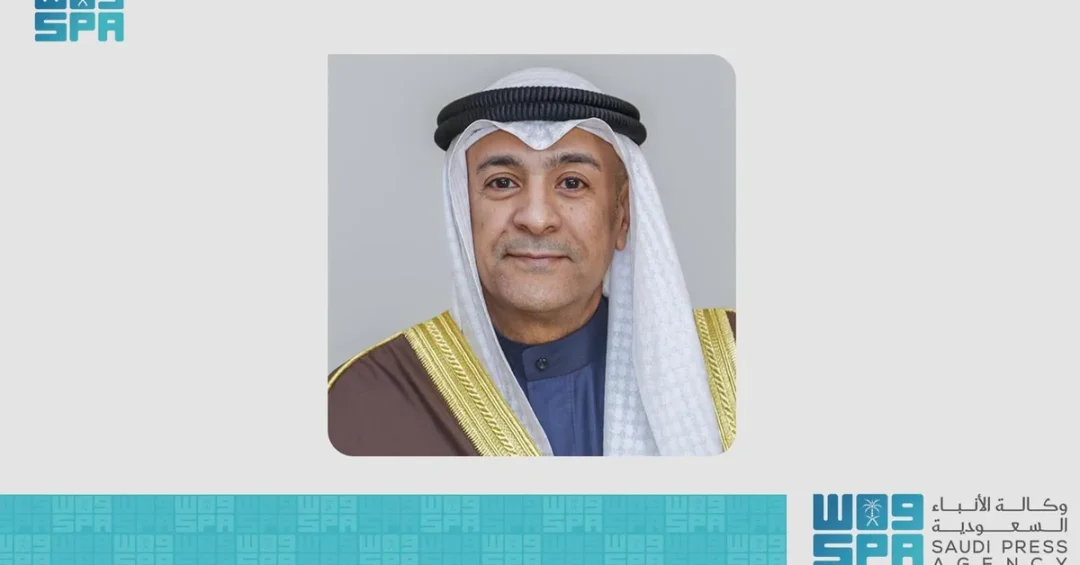
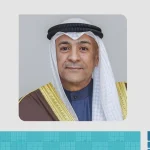
The Secretary General of the Gulf Cooperation Council, Jasem Albudaiwi, has affirmed that the GCC Human Rights Declaration stands as a testament to the unwavering dedication of the bloc’s leaders to upholding human rights and securing a dignified life for all citizens across the region. Speaking at a commemorative event in Doha marking the 10th anniversary of the landmark declaration, Albudaiwi underscored the member states’ firm adherence to the principles of the Universal Declaration of Human Rights and their collective pursuit of a future anchored in justice, dignity, and peace. The event, held under the auspices of the GCC General Secretariat, brought together diplomats, human rights officials, and regional stakeholders to reflect on a decade of progress and to chart the path forward for the Council’s human rights agenda.
Can a regional bloc truly redefine the global human rights conversation by grounding it in cultural authenticity and shared values? The gathering in Doha suggested that the GCC is attempting precisely that. Albudaiwi’s remarks, delivered with a tone of both pride and purpose, highlighted that the GCC’s human rights framework is not merely a set of legal obligations but a reflection of the deep-rooted values of Islamic Sharia and the timeless principles enshrined in the Universal Declaration of Human Rights. He noted that the 2014 GCC Human Rights Declaration, approved in Qatar, remains a cornerstone of the bloc’s resolve to advance fundamental rights and freedoms, and that the past decade has witnessed tangible achievements across member states in areas ranging from women’s empowerment to youth development and the protection of cultural identity.
Context and Background: A Decade of the GCC Human Rights Declaration
What does a decade of commitment to human rights look like in a region often misunderstood by the outside world? For the Gulf Cooperation Council, it means a steady, deliberate march toward strengthening the social contract between governments and citizens, guided by the belief that human dignity is both a universal aspiration and a culturally embedded value. The GCC Human Rights Declaration, adopted in 2014 in Doha, was a pioneering step by the six member states—Bahrain, Kuwait, Oman, Qatar, Saudi Arabia, and the United Arab Emirates—to articulate a shared vision for human rights that aligns with international standards while respecting the unique cultural and social fabric of the Gulf. Albudaiwi emphasized that this declaration was not a mere rhetorical gesture but a living document that has informed national policies, legislative reforms, and institutional capacity-building across the region.
The Secretary General pointed to the Kuwait Declaration, issued during the 45th session of the Supreme Council of the GCC, as a testament to the bloc’s evolving commitments. That declaration, he explained, encapsulated four pivotal pledges: the empowerment of women across all sectors, the enhancement of youth roles in national development, the protection of human rights and civilians—particularly in the context of the Palestinian cause—and the preservation of cultural identity and humanitarian values. These pillars, according to Albudaiwi, are not isolated initiatives but interconnected components of a holistic approach to human rights that recognizes the indivisibility of civil, political, economic, social, and cultural rights. By embedding these commitments in the highest-level GCC declarations, member states have signaled that human rights are a strategic priority, not an afterthought.
How has the GCC managed to balance the universality of human rights with the cultural specificity of its member states? Albudaiwi addressed this question directly, noting that the Council continues to affirm its commitment to multilateralism and international cooperation while respecting the cultural and social values of each community. This balanced approach, he argued, is essential for ensuring that human rights advocacy remains credible and effective in diverse societies. He also acknowledged that the global human rights landscape faces significant challenges, including the application of double standards and the grave violations committed by Israeli occupation forces against the Palestinian people, which he described as clear breaches of fundamental human rights principles. The rise of international conflicts, hatred, and Islamophobia, he added, further complicates the pursuit of a just and peaceful world order.
Key Details: The Four Pillars of the Kuwait Declaration
What concrete steps have GCC member states taken to translate these lofty principles into reality? Albudaiwi’s speech provided a detailed roadmap. First, on the empowerment of women, the Kuwait Declaration confirmed the member states’ commitment to enabling Gulf women to participate fully in all sectors of society. This commitment has manifested in a range of initiatives, from increased female representation in legislative and executive bodies to targeted programs that support women entrepreneurs and professionals. In Saudi Arabia, for instance, Vision 2030 has dramatically expanded women’s participation in the workforce, with women now holding senior positions in government, business, and academia. Similar trends are visible across the Gulf, where women are increasingly shaping the economic and social landscape.
Second, the enhancement of youth roles was underscored as a foundational element of the GCC’s development strategy. The Kuwait Declaration stressed the importance of promoting the foundational role of youth in the development of GCC states, recognizing that young people are not just beneficiaries of progress but active agents of change. This has led to the creation of youth councils, entrepreneurship funds, and educational reforms aimed at equipping the next generation with the skills needed to thrive in a rapidly evolving global economy. Albudaiwi noted that investing in youth is investing in the future stability and prosperity of the region, a sentiment echoed by policymakers across member states.
Third, the protection of human rights and civilians was addressed with particular emphasis on the Palestinian cause. The Kuwait Declaration recalled the suffering of the Palestinian people, who have endured Israeli occupation for 75 years, and reiterated calls to halt crimes such as killings, collective punishment, and the displacement of populations in Gaza. It also emphasized the need for serious negotiations to reach sustainable solutions, including guaranteeing the rights of the Palestinian people, establishing an independent Palestinian state with East Jerusalem as its capital, and ensuring the rights of refugees. Albudaiwi’s remarks on this issue reflect the GCC’s long-standing position on Palestine and its commitment to international law and human rights.
Fourth, the preservation of cultural identity and humanitarian values was highlighted as a crucial dimension of the GCC’s human rights agenda. The Kuwait Declaration stressed the promotion of Gulf identity, Arab culture, and Islamic values, encouraging universities and research centers to support principles of good governance and cultural integrity. This pillar recognizes that human rights cannot be divorced from cultural context and that preserving heritage is itself a human right. By fostering a strong sense of identity, the GCC aims to build societies that are both modern and rooted in their traditions.
International and Regional Impact: A Model for Constructive Engagement
How does the GCC’s approach to human rights resonate on the international stage? Albudaiwi’s speech made clear that the Council is committed to constructive engagement with global human rights mechanisms while asserting its own cultural and legal traditions. The GCC Human Rights Declaration has been cited in various international forums as an example of how regional organizations can contribute to the global human rights architecture. By aligning with the Universal Declaration of Human Rights and other international instruments, the GCC demonstrates its willingness to be a responsible stakeholder in the international community. At the same time, it resists attempts to impose external norms that ignore local contexts, advocating instead for a dialogue-based approach that respects sovereignty and cultural diversity.
Regionally, the declaration has fostered greater cooperation among member states. The event in Doha also marked the launch of a report titled “Report on the Efforts of the GCC Member States in Supporting and Protecting Families from a Human Rights Perspective,” issued by the General Secretariat of the GCC. This report underscores the centrality of the family unit in Gulf societies and highlights the various measures taken by member states to protect and support families. It serves as a knowledge-sharing tool that enables member states to learn from each other’s experiences and to harmonize their approaches to family-related human rights issues. Albudaiwi’s emphasis on family protection reflects a broader recognition that strong families are the bedrock of stable and prosperous societies.
What role does the GCC play in addressing shared challenges such as Islamophobia and hatred? Albudaiwi identified these as significant obstacles to the realization of human rights globally. He noted that the rise of international conflicts and the spread of hatred and Islamophobia pose threats to social cohesion and mutual respect. In response, the GCC member states remain committed to supporting values of tolerance, coexistence, and respect for cultural and religious diversity. This commitment is reflected in various initiatives, including interfaith dialogues, educational programs, and public awareness campaigns. By promoting these values, the GCC seeks to counter extremism and build bridges between cultures, both within the region and beyond.
Economic and Strategic Significance: Human Rights as a Foundation for Prosperity
Can economic prosperity and human rights go hand in hand? The GCC’s experience suggests that they are mutually reinforcing. Albudaiwi’s remarks highlighted that the bloc’s human rights achievements are not isolated from its economic and strategic ambitions. In fact, the empowerment of women and youth—two of the four pillars of the Kuwait Declaration—are directly linked to economic growth and diversification. By enabling women to participate fully in the workforce and by harnessing the talents of young people, GCC states are unlocking new sources of innovation and productivity. This is particularly evident in Saudi Arabia, where Vision 2030 has set ambitious targets for female labor force participation and youth entrepreneurship, contributing to a more dynamic and resilient economy.
Moreover, the protection of human rights and civilians, including the pursuit of a just solution to the Palestinian cause, has strategic implications for regional stability. The GCC’s consistent advocacy for Palestinian rights aligns with its broader commitment to international law and peaceful conflict resolution. By championing these principles, the GCC reinforces its role as a stabilizing force in the Middle East and a credible partner in global diplomacy. The Kuwait Declaration’s emphasis on serious negotiations and sustainable solutions reflects a pragmatic approach that seeks to address root causes rather than merely manage symptoms. This approach is consistent with the GCC’s overall strategy of promoting security and prosperity through dialogue and cooperation.
How does the preservation of cultural identity contribute to economic and strategic goals? The fourth pillar of the Kuwait Declaration—preserving cultural identity and humanitarian values—may seem intangible, but it has tangible benefits. A strong sense of identity fosters social cohesion, which in turn attracts investment and talent. Countries that are confident in their cultural heritage are better positioned to engage with the world on their own terms. The GCC’s encouragement of universities and research centers to support good governance and cultural integrity is an investment in human capital that pays dividends in the form of a skilled, motivated, and ethical workforce. This holistic vision of development is a key differentiator for the GCC and a source of its growing influence on the world stage.
Vision 2030 Alignment: Saudi Arabia’s Leadership in Human Rights
How does Saudi Arabia’s Vision 2030 align with the GCC’s human rights agenda? The alignment is profound and deliberate. Vision 2030, launched by Crown Prince Mohammed bin Salman, is not only an economic blueprint but also a social transformation program that seeks to enhance the quality of life for all Saudis. It places human dignity at its core, with initiatives ranging from women’s empowerment to youth engagement, from healthcare reform to educational excellence. These priorities mirror the four pillars of the Kuwait Declaration and the principles of the GCC Human Rights Declaration. Under Vision 2030, Saudi Arabia has enacted sweeping reforms that have expanded women’s rights, increased youth participation, and promoted tolerance and moderation. The Kingdom’s active role in the GCC’s human rights efforts underscores its commitment to regional cooperation and its belief that shared values can drive shared progress.
What does the future hold for the GCC’s human rights journey? Albudaiwi’s speech painted a picture of a bloc that is both proud of its achievements and aware of the work ahead. The 10th anniversary of the GCC Human Rights Declaration is not just a moment for celebration but also a catalyst for renewed action. As the GCC continues to navigate global challenges, its commitment to human rights will remain a guiding light. By staying true to its values and engaging constructively with the international community, the GCC can serve as a model for how regional organizations can advance human rights in a way that is both principled and culturally attuned. The launch of the family protection report is a step in this direction, providing a foundation for evidence-based policies that strengthen the family unit—the cornerstone of Gulf society. In the years to come, the GCC’s human rights agenda will undoubtedly evolve, but its core objective will remain unchanged: to ensure a dignified life for every citizen, in a region that is just, secure, and prosperous.
20 Questions
Q1. What is the GCC Human Rights Declaration?
A1. The GCC Human Rights Declaration is a landmark document adopted in 2014 in Doha, Qatar, by the six member states of the Gulf Cooperation Council. It articulates a shared commitment to upholding human rights in alignment with Islamic Sharia and the Universal Declaration of Human Rights.
Q2. Who is Jasem Albudaiwi?
A2. Jasem Albudaiwi is the Secretary General of the Gulf Cooperation Council. He has been a vocal advocate for regional cooperation and human rights, emphasizing the importance of balancing universal principles with cultural values.
Q3. What event marked the 10th anniversary of the declaration?
A3. An event was held in Doha, Qatar, to commemorate the 10th anniversary of the GCC Human Rights Declaration. It brought together diplomats, officials, and stakeholders to reflect on progress and launch a new report on family protection.
Q4. What is the Kuwait Declaration?
A4. The Kuwait Declaration was issued during the 45th session of the Supreme Council of the GCC. It outlines four key pledges: empowering women, enhancing youth roles, protecting human rights and civilians, and preserving cultural identity.
Q5. How does the GCC address women’s empowerment?
A5. The GCC member states are committed to empowering women across all sectors. This includes increasing female representation in leadership, supporting women entrepreneurs, and implementing policies that enable women to contribute fully to economic and social development.
Q6. What role does youth play in the GCC’s vision?
A6. The GCC recognizes youth as foundational to development. Initiatives include youth councils, entrepreneurship funds, and educational reforms aimed at equipping young people with skills for the future and encouraging their active participation in nation-building.
Q7. How does the GCC view the Palestinian cause?
A7. The GCC consistently supports the Palestinian people’s rights, calling for an end to occupation, the establishment of an independent Palestinian state with East Jerusalem as its capital, and a just solution for refugees, in line with international law.
Q8. What challenges does global human rights advocacy face according to Albudaiwi?
A8. Albudaiwi cited double standards, Israeli violations against Palestinians, rising international conflicts, hatred, and Islamophobia as significant challenges to global human rights advocacy, urging a more balanced and principled approach.
Q9. What is the “Report on the Efforts of the GCC Member States in Supporting and Protecting Families”?
A9. It is a report launched by the GCC General Secretariat that documents member states’ efforts to support and protect families from a human rights perspective. It highlights the family’s central role and promotes knowledge-sharing among member states.
Q10. How does the GCC balance universal human rights with cultural values?
A10. The GCC affirms the universality of human rights while respecting the cultural and social values of each community. It advocates for dialogue and multilateral cooperation, ensuring that human rights are promoted in a way that is culturally appropriate and effective.
Q11. What is the significance of the GCC Human Rights Declaration’s 10th anniversary?
A11. The 10th anniversary provides an opportunity to reflect on a decade of progress, reaffirm commitments, and launch new initiatives. It highlights the GCC’s enduring dedication to human rights and its role as a regional leader.
Q12. How does the GCC promote tolerance and coexistence?
A12. The GCC supports values of tolerance, coexistence, and respect for cultural and religious diversity through interfaith dialogues, educational programs, and public awareness campaigns, countering extremism and fostering mutual understanding.
Q13. What is the relationship between the GCC and the Universal Declaration of Human Rights?
A13. The GCC member states adhere to the principles of the Universal Declaration of Human Rights. The GCC Human Rights Declaration reaffirms this commitment while integrating Islamic Sharia values and regional cultural contexts.
Q14. How does Saudi Arabia’s Vision 2030 align with the GCC’s human rights agenda?
A14. Vision 2030 prioritizes human dignity, women’s empowerment, youth engagement, and quality of life—mirroring the GCC’s four pillars. Saudi Arabia’s reforms and regional cooperation reflect this alignment, driving shared progress.
Q15. What are the four pillars of the Kuwait Declaration?
A15. The four pillars are: empowerment of women, enhancement of youth roles, protection of human rights and civilians (especially Palestinians), and preservation of cultural identity and humanitarian values.
Q16. How does the GCC support families?
A16. The GCC supports families through policies and programs that strengthen family cohesion, provide social protection, and promote work-life balance. The new report documents these efforts and encourages best practices across member states.
Q17. What is the GCC’s stance on multilateralism?
A17. The GCC is committed to multilateralism and international cooperation. It believes that shared challenges require collective solutions and that regional organizations can play a vital role in advancing global human rights.
Q18. How does the GCC address Islamophobia?
A18. The GCC counters Islamophobia through advocacy, education, and interfaith dialogue. It promotes a positive image of Islam and works to combat stereotypes and discrimination at international forums.
Q19. What achievements has the GCC made in human rights over the past decade?
A19. Achievements include legislative reforms, increased women’s participation, youth empowerment programs, enhanced family protections, and stronger regional cooperation on human rights, all while maintaining cultural authenticity.
Q20. What is the future outlook for the GCC’s human rights agenda?
A20. The GCC will continue to advance human rights through a balanced approach, building on the Kuwait Declaration and the 2014 Declaration. Future efforts will focus on implementation, international cooperation, and addressing emerging challenges.
Reader Feedback
We value your thoughts. Please share your feedback on this article.
Your feedback helps us improve our coverage.
Related articles
 Saudi FM Meets Malaysian Counterpart in Riyadh
 Saudi Media Pact Trains 100 in AI and Metaverse Journalism
 Makkah Deputy Governor Chairs Central Hajj Committee Meeting
 Saudi NSHR Marks Universal Declaration of Human Rights Anniversary
 Grand Mosque Carpets: 35,000 Replaced Every 3 Days
 GCC Marks 10 Years of Human Rights Declaration