


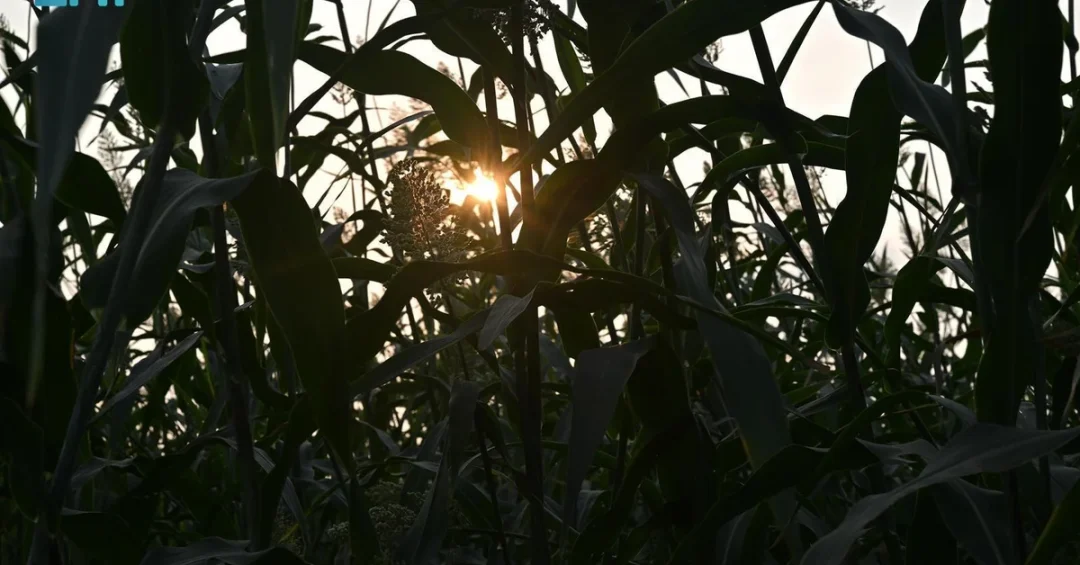
The sorghum fields of the Jazan region are flourishing, and residents are rushing to harvest the crop before it fully ripens during the celebrated “Al-Khudeir” season, which produces both white and red sorghum grains, according to the Saudi Press Agency. The annual harvest, unfolding across the mountainous and coastal villages of Saudi Arabia’s southwestern region, marks one of the most distinctive agricultural and cultural moments in the Kingdom’s calendar. Al-Khudeir, a crop harvested while still green and then ground, prepared, and consumed, has become a symbol of Jazan’s deep-rooted farming heritage and a living expression of community identity. The season is not merely an agricultural event; it is a cultural institution that brings families and villages together, reinforcing traditions passed down through generations.
Why does a single crop command such devotion across an entire region? The answer lies in the unique combination of climate, tradition, and economic necessity that defines Jazan. The region’s hot and humid climate, particularly in its coastal and mountainous villages, provides ideal conditions for sorghum cultivation. Al-Khudeir thrives where other crops struggle, and its cultivation is a cornerstone of the local economy. The name itself derives from the greenish color of the sorghum grains at harvest, a visual signature that distinguishes this crop from fully matured varieties. For the people of Jazan, Al-Khudeir is far more than food; it is a marker of season, a reason for celebration, and a source of pride.
Context and Background
How did a simple grain become such a powerful emblem of regional identity? The story of Al-Khudeir is intertwined with the agricultural history of Jazan, a region that has long relied on its fertile valleys and terraced hillsides for sustenance. Sorghum has been cultivated in the area for generations, and the practice of harvesting it early, while the grains retain their green hue, is a tradition that sets Jazan apart from other agricultural regions in the Kingdom. The crop is deeply woven into the social and cultural fabric of the community, serving as both a staple food source and a focal point for communal gatherings. The Saudi Press Agency reports that the term “Al-Khudeir” originates from the greenish color of the sorghum grains, which are harvested before full maturity.
What makes this season different from other harvests across the Kingdom? Unlike many modern agricultural cycles that are driven purely by market demand, the Al-Khudeir season follows a rhythm set by nature and tradition. Farmers begin preparing the land early in the year, carefully plowing the fields and planting the crop. The cultivation process relies on a mix of traditional and modern methods, including rainwater harvesting, wells, and innovative techniques such as drip irrigation. This blend of old and new reflects the broader agricultural transformation underway in Saudi Arabia, where heritage crops are being supported by modern infrastructure and water-management practices. The season is also a collective endeavor, with entire families participating in the planting, tending, and harvesting of the crop.
In a rapidly modernizing Kingdom, why do traditional crops still matter? They matter because they anchor communities to their heritage while contributing to economic diversification. Al-Khudeir is not a relic of the past; it is an active part of Jazan’s present and future. The crop supports local livelihoods, supplies markets in Jazan and beyond, and provides raw materials for traditional dishes that are increasingly appreciated by a new generation of Saudis and international visitors alike. The Saudi Press Agency notes that sorghum cultivation is a prominent symbol of agricultural identity in the region, and its continued relevance demonstrates how tradition and progress can coexist.
Key Details of the Harvest and Cultivation
What does the Al-Khudeir harvest actually involve? The process is labor-intensive and deeply communal. Farmers, often joined by all family members, begin preparing the land early in the year. The fields are carefully plowed to plant Al-Khudeir, which is nurtured using irrigation methods that range from traditional rainwater capture and wells to modern drip systems. The harvest itself is a significant event in the lives of farmers, celebrated collectively as part of the community culture. Residents rush to harvest the crop before it fully ripens, ensuring that the grains retain the greenish color and the distinct flavor that define Al-Khudeir. Once harvested, the sorghum is ground, prepared, and consumed in a variety of traditional dishes.
The crop produces both white and red sorghum grains, each with its own culinary and cultural significance. White sorghum is often used in lighter dishes, while red sorghum lends color and depth to heartier preparations. The versatility of the grain makes it a valuable food source and a flexible ingredient for local cuisine. According to the Saudi Press Agency, the harvest season is also an occasion to host festivals, such as the Al-Khudeir Festival in Jazan, where residents, farmers, and the local community celebrate the success of the agricultural season. These festivals serve as a showcase for the region’s agricultural output and a platform for passing knowledge from older farmers to younger generations.
How does the harvest connect to the wider economy? Sorghum is sold at local markets and in other cities, providing an important source of income for farming families. The crop’s economic value extends beyond the farm gate, supporting traders, transporters, and food processors. In a region where agriculture remains a vital part of the local economy, Al-Khudeir helps sustain rural livelihoods and reinforces the connection between Jazan’s villages and the Kingdom’s broader market networks. The Saudi Press Agency describes the harvest as both a cultural celebration and an economic activity, highlighting its dual role in the community.
International and Regional Impact
Why should the world pay attention to a regional harvest in southwestern Saudi Arabia? Because it illustrates how local traditions can contribute to national goals and global conversations about food security and sustainable agriculture. Saudi Arabia’s Vision 2030 places a strong emphasis on agricultural development, rural prosperity, and the preservation of cultural heritage. The Al-Khudeir season in Jazan is a living example of these priorities in action. It demonstrates that traditional crops can be cultivated efficiently, marketed effectively, and celebrated proudly, all while supporting the Kingdom’s efforts to diversify its economy and enhance food self-sufficiency.
Regionally, the Al-Khudeir season strengthens Jazan’s identity within Saudi Arabia and across the Gulf. The region’s agricultural heritage is a point of pride, and events like the Al-Khudeir Festival attract visitors and participants from other parts of the Kingdom. For international audiences, the season offers a window into the rich cultural tapestry of Saudi Arabia beyond its major cities. It shows a side of the Kingdom where ancient farming practices meet modern irrigation technology, where family traditions are preserved even as the country transforms. The Saudi Press Agency’s coverage of the harvest underscores the importance of sharing these stories with a global audience, reinforcing Saudi Arabia’s commitment to transparency and cultural exchange.
Economic and Strategic Significance
How does a traditional grain support a modern economy? The answer lies in the value chain that Al-Khudeir sustains. From land preparation to harvesting, grinding, and cooking, the crop generates economic activity at multiple levels. Farmers earn income from selling sorghum at local markets or in other cities. The harvest season also stimulates local commerce, as festivals and community gatherings create demand for goods and services. In a region like Jazan, where agriculture is a key part of the local economy, the Al-Khudeir season provides a reliable annual boost to household incomes and small businesses.
Strategically, the cultivation of sorghum aligns with Saudi Arabia’s goals of enhancing food security and promoting sustainable agriculture. Sorghum is a hardy crop that can withstand the hot, humid conditions of Jazan, making it a resilient choice for local farmers. The use of drip irrigation and other modern techniques improves water efficiency, a critical consideration in the Kingdom. By supporting traditional crops like Al-Khudeir, Saudi Arabia is preserving agricultural biodiversity and ensuring that future generations can continue to benefit from indigenous knowledge. The Saudi Press Agency’s report highlights how the season reflects the region’s identity and supports its economy, a dual benefit that resonates with Vision 2030’s holistic approach to development.
Vision 2030 Alignment
What does Al-Khudeir have to do with Saudi Arabia’s long-term vision? Everything. Vision 2030 is not only about megaprojects and global investment; it is also about empowering communities, preserving heritage, and building a diversified economy. The Al-Khudeir season in Jazan embodies these principles by celebrating a traditional crop that supports local livelihoods, strengthens cultural identity, and contributes to food security. The Saudi Press Agency’s coverage of the harvest is a reminder that the Kingdom’s transformation is rooted in its regions, where agriculture, culture, and community intersect. As Saudi Arabia continues to modernize, the Al-Khudeir season stands as a testament to the enduring value of tradition and the promise of a prosperous future.
Looking ahead, the continued success of the Al-Khudeir season will depend on the same factors that have sustained it for generations: community participation, respect for the land, and the willingness to embrace innovation. With the support of national initiatives and the dedication of Jazan’s farmers, Al-Khudeir will remain a treasure of the region, a symbol of Saudi Arabia’s agricultural heritage, and a contributor to the Kingdom’s economic and cultural vitality. The Saudi Press Agency’s report captures the essence of this season, and its message is clear: in Jazan, the harvest is not just about food; it is about identity, economy, and the future.
20 Questions
Q1. What is Al-Khudeir?
A1. Al-Khudeir is a type of sorghum crop unique to the Jazan region of Saudi Arabia, harvested before it fully ripens. It produces white and red grains and is named for its greenish color. It is a staple of local agriculture and culture.
Q2. Why is Al-Khudeir important to Jazan’s identity?
A2. Al-Khudeir is a vital part of Jazan’s cultural identity and a symbol of its deep-rooted agricultural heritage. It is woven into the social fabric of the community, celebrated through festivals, and passed down through generations, reflecting the region’s traditions and connection to the land.
Q3. When is the Al-Khudeir season?
A3. The Al-Khudeir season occurs when the sorghum fields flourish, and residents rush to harvest the crop before it fully ripens. Farmers prepare the land early in the year, and the harvest is a significant event in the community’s calendar, typically celebrated with festivals.
Q4. How is Al-Khudeir cultivated?
A4. Farmers plow the fields and plant Al-Khudeir, using traditional irrigation methods such as rainwater and wells, as well as modern techniques like drip irrigation. The cultivation often involves all family members and relies on the region’s hot and humid climate.
Q5. What makes Al-Khudeir unique to Jazan?
A5. Al-Khudeir thrives in the mountainous and coastal villages of Jazan, which have a hot and humid climate ideal for sorghum. The crop’s early harvest and greenish grains are distinctive, and its cultivation is a cornerstone of the local economy and agricultural identity.
Q6. How is Al-Khudeir consumed?
A6. After harvesting, the sorghum grains are ground, prepared, and consumed in traditional dishes. Both white and red grains are used, each bringing different flavors and colors to local cuisine. The grain is a versatile ingredient in Jazan’s culinary heritage.
Q7. What is the Al-Khudeir Festival?
A7. The Al-Khudeir Festival is held in Jazan during the harvest season. It brings together residents, farmers, and the local community to celebrate the success of the agricultural season. The festival showcases the crop, local traditions, and the region’s agricultural output.
Q8. How does Al-Khudeir support the local economy?
A8. Sorghum is sold at local markets and in other cities, providing income for farming families. The harvest season also stimulates commerce through festivals and community gatherings. It supports traders, transporters, and food processors, contributing to Jazan’s rural economy.
Q9. What role do families play in the Al-Khudeir harvest?
A9. Families are central to the harvest, often involving all members in preparing the land, planting, tending, and harvesting the crop. This collective effort strengthens community bonds and ensures the transfer of agricultural knowledge from older to younger generations.
Q10. How does Al-Khudeir reflect Saudi Arabia’s agricultural heritage?
A10. Al-Khudeir is a living example of Saudi Arabia’s agricultural heritage, particularly in Jazan. Its cultivation and celebration demonstrate the enduring value of traditional crops and the region’s deep connection to farming, which is a key part of the Kingdom’s cultural tapestry.
Q11. What irrigation methods are used for Al-Khudeir?
A11. Farmers use a mix of traditional and modern irrigation methods, including rainwater harvesting, wells, and drip irrigation. These techniques ensure the crop receives adequate water in Jazan’s climate while promoting efficiency and sustainability in water use.
Q12. Why is the early harvest important?
A12. The early harvest is important because it captures the grains while they are still green, giving Al-Khudeir its distinctive color and flavor. This timing is essential to the crop’s identity and its use in traditional dishes, and it is a key part of the season’s cultural significance.
Q13. How does Al-Khudeir contribute to food security?
A13. Al-Khudeir is a hardy crop that supports local food supplies in Jazan. By cultivating sorghum, the region reduces reliance on external food sources and preserves agricultural biodiversity. This aligns with Saudi Arabia’s broader goals of enhancing food security and sustainable agriculture.
Q14. What types of sorghum does Al-Khudeir produce?
A14. Al-Khudeir produces both white and red sorghum grains. Each type has its own culinary uses and cultural significance, adding variety to local cuisine and providing farmers with diverse market options. Both are harvested during the same season.
Q15. How does the Al-Khudeir season strengthen community bonds?
A15. The season brings families and villages together for planting, harvesting, and celebrating. Collective work and shared festivals create a strong sense of community. The harvest is a collective event that reinforces social ties and cultural continuity in Jazan.
Q16. What is the economic impact of Al-Khudeir beyond farming?
A16. Beyond farming, Al-Khudeir supports local markets, transportation, food processing, and festival-related commerce. It generates income for small businesses and creates seasonal employment opportunities. The crop’s economic ripple effects benefit the wider Jazan community.
Q17. How does Al-Khudeir align with Vision 2030?
A17. Al-Khudeir aligns with Vision 2030 by promoting agricultural development, rural prosperity, and cultural preservation. It supports economic diversification, food security, and community empowerment. The season exemplifies how traditional crops can contribute to the Kingdom’s modern transformation.
Q18. What makes Jazan’s climate suitable for Al-Khudeir?
A18. Jazan’s hot and humid climate, especially in its coastal and mountainous villages, provides ideal conditions for sorghum cultivation. The crop thrives in these conditions, making Jazan a unique and productive region for Al-Khudeir and other agricultural activities.
Q19. How is knowledge about Al-Khudeir passed down?
A19. Knowledge is passed down through generations via family participation in farming and community festivals. Older farmers teach younger ones about planting, irrigation, and harvesting. This oral and practical tradition ensures the continuity of Al-Khudeir cultivation and its cultural significance.
Q20. What does the future hold for Al-Khudeir?
A20. The future of Al-Khudeir looks promising, with continued support from national initiatives and local dedication. As Saudi Arabia balances tradition and modernization, Al-Khudeir will remain a symbol of Jazan’s heritage and a contributor to the Kingdom’s economic and cultural vitality.
Reader Feedback
We value your thoughts. Please share your feedback on this article.
Your feedback helps us improve our coverage.
Related articles
 Saudi-Slovenian Business Forum Boosts Economic Ties
 SAMA Launches Samsung Pay in Saudi Arabia via mada
 Monsha’at Reports Surge in New Commercial Registrations in Q3 2024
 Saudi Arabia, EU Hold Roundtable to Boost Trade Ties
 Mawani Ports See 4.29% Cargo Increase in November 2024
 French Delegation Explores Investment Opportunities in Asharqia Chamber