


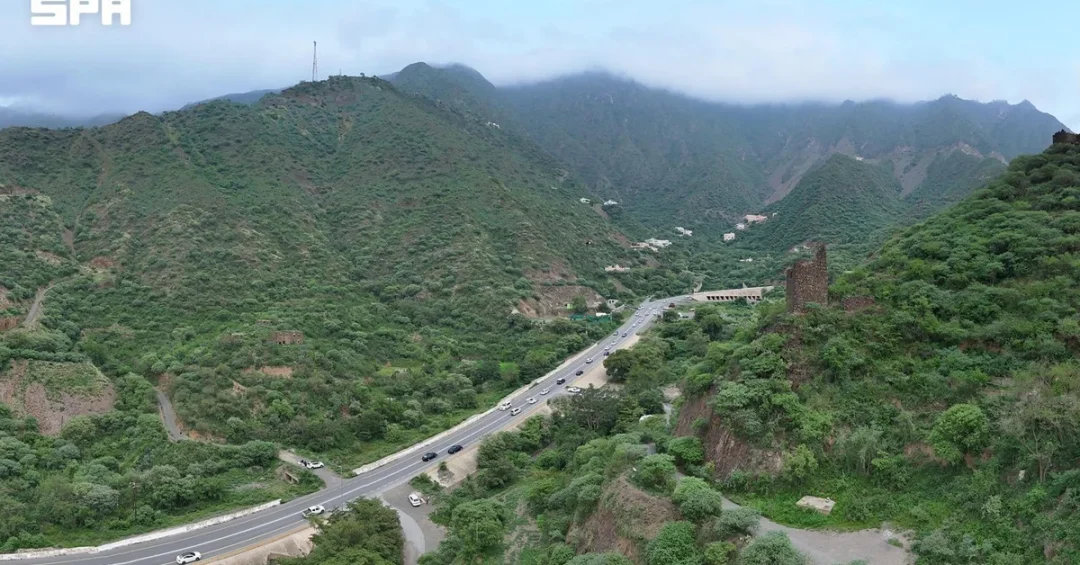
Rijal Almaa Governorate in the Aseer Region of southwestern Saudi Arabia stands as a distinctive convergence of terraced mountain agriculture, centuries-old stone architecture, and a thriving honey economy, according to information released by the Saudi Press Agency (SPA). Spanning the rugged slopes that descend from the Sarawat Mountains toward the Tihama coastal plain, the governorate has emerged as a compelling destination for nature, heritage, and eco-tourism, drawing visitors eager to experience a landscape where human ingenuity and natural abundance have coexisted for generations. The seasonal rains that fall from August through October transform the mountain slopes into lush green expanses, bringing life to the ancient concentric terraces engineered by local inhabitants to cultivate steep terrain. Combined with waterfalls, dense forests, and panoramic lookouts, this terrain positions Rijal Almaa as an attractive hub for travellers seeking authentic cultural and environmental experiences far removed from conventional resort settings.
At the heart of the governorate’s identity is the Rijal Almaa Heritage Village, a settlement characterised by multi-story palaces built from local stone, mud, and timber, with facades distinctively inlaid with white quartz. These cascading structures reflect architectural mastery adapted to mountain topography, with multi-level layouts historically designed to house extended families, store grain and fodder, and shelter livestock. Complementing this built heritage, natural honey production serves as a defining pillar of the local economy and tourism identity, with the region’s rich botanical diversity sustaining traditional beekeeping that has evolved into experiential agritourism. The integration of honey production, fruit orchards, terraced farms, and traditional crafts drives rural tourism while expanding economic opportunities for local farmers, artisans, and families. This synthesis of living heritage and traditional agricultural stewardship offers an immersive cultural experience rooted in Aseer’s history.
Context and Background
What makes Rijal Almaa such a compelling example of how heritage and nature can reinforce one another in a modern tourism economy? The governorate sits at the intersection of geography and history, occupying slopes that rise from the Tihama coastal plain to the highlands of the Sarawat range. This dramatic elevation gradient creates microclimates that support a remarkable diversity of plant life, which in turn sustains the region’s celebrated honey production. For centuries, local communities have cultivated the steep slopes using concentric terraces, a form of dryland agriculture that conserves soil and water while producing fruits, grains, and fodder. The seasonal rains from August through October are central to this cycle, transforming the terraces into green expanses and recharging the springs and streams that feed waterfalls and irrigate farms. The Saudi Press Agency report highlights that this combination of terrain, water, and vegetation has positioned Rijal Almaa as a natural hub for eco-tourism within the Kingdom’s broader tourism strategy.
The cultural foundations of the governorate are equally significant. The Rijal Almaa Heritage Village is not a museum piece but a living settlement whose architecture evolved to meet the practical needs of mountain life. Multi-story palaces constructed from local stone, mud, and timber feature facades inlaid with white quartz, creating a distinctive aesthetic that has become emblematic of Aseer’s architectural heritage. These buildings were historically designed with multiple levels: upper floors for family living, middle levels for storing grain and fodder, and ground floors for sheltering livestock. This vertical organisation reflects a sophisticated understanding of the mountain environment and the need to maximise limited arable space. According to official Saudi information, the village remains a focal point for visitors seeking to understand how communities in the region adapted to their surroundings while developing a rich cultural identity that continues to inform local life today.
Key Details
How does honey production connect the natural landscape to the daily lives of Rijal Almaa’s residents? The region’s botanical diversity, nourished by seasonal rains and varied altitudes, supports traditional beekeeping that has become a defining feature of the local economy. Beekeepers maintain hives in areas where flowering plants provide distinct nectar sources throughout the year, producing honey varieties prized for their flavour, aroma, and medicinal properties. This practice has evolved into experiential agritourism, with destinations such as the Honey Hut offering tastings of local honey alongside scenic landscape views. Visitors to the Honey Hut gain insights into indigenous apiculture and seasonal foraging patterns, learning how beekeepers manage hives in harmony with the natural cycles of the mountains. The Saudi Press Agency report notes that this integration of production and tourism creates economic opportunities for local farmers and artisans while preserving traditional knowledge.
The heritage village itself offers a detailed portrait of mountain life. The multi-story palaces, with their quartz-inlaid facades, are arranged in a cascading pattern that follows the contours of the slope, creating a visual harmony between architecture and terrain. Interior layouts historically included storage areas for grain and fodder, reflecting the importance of self-sufficiency in a mountainous environment where access to markets was seasonal. Livestock shelters on the lower levels provided warmth and security for animals during colder months. Today, these structures serve as a tangible link to the past while accommodating visitors who come to admire the craftsmanship and learn about the region’s history. The village is complemented by fruit orchards and terraced farms that remain in active cultivation, producing crops that are sold locally and used in traditional cuisine. This living landscape ensures that heritage is not frozen in time but continues to evolve with the community.
International and Regional Impact
Why does a governorate like Rijal Almaa matter beyond the borders of Saudi Arabia? The answer lies in the growing global demand for authentic cultural and nature-based tourism. International travellers increasingly seek destinations that offer immersive experiences rather than passive sightseeing, and Rijal Almaa’s combination of living heritage, agricultural traditions, and dramatic scenery aligns precisely with this trend. The Saudi Press Agency report underscores that the governorate’s attractions, including its terraced farms, waterfalls, and heritage village, position it as a distinctive destination within the broader Aseer region. For regional visitors from across the Gulf, Rijal Almaa offers a cool mountain retreat that contrasts with the heat of the coastal plains, making it an appealing option for seasonal travel. The governorate’s emphasis on eco-tourism and agritourism also resonates with international audiences interested in sustainable travel practices.
Within Saudi Arabia, Rijal Almaa contributes to the diversification of tourism offerings beyond the major urban centres and religious sites. The Kingdom’s tourism strategy aims to showcase the natural and cultural wealth of regions such as Aseer, and Rijal Almaa exemplifies how local communities can benefit from increased visitation while preserving their heritage. The Saudi Press Agency report highlights that the integration of honey production, fruit orchards, terraced farms, and traditional crafts drives rural tourism and expands economic opportunities for local farmers, artisans, and families. This model of community-based tourism ensures that the benefits of visitor spending reach the people who maintain the landscape and traditions. As international interest in Saudi Arabia’s cultural and natural attractions grows, destinations like Rijal Almaa play a vital role in presenting a multifaceted image of the Kingdom to the world.
Economic and Strategic Significance
What economic value does a destination like Rijal Almaa generate for the wider region? The governorate’s tourism economy is built on multiple pillars: honey production, agriculture, handicrafts, and hospitality. Honey from Rijal Almaa is a premium product that commands respect in local and regional markets, and the opportunity for visitors to purchase directly from producers creates a valuable revenue stream for beekeepers. Fruit orchards and terraced farms supply fresh produce to markets and restaurants, while traditional crafts such as weaving and pottery provide additional income for artisans. The Saudi Press Agency report notes that these activities are interconnected, with tourism providing a market for local goods and a rationale for maintaining traditional practices. This economic ecosystem is resilient because it draws on diverse sources of income and is rooted in the sustainable use of natural resources.
Strategically, Rijal Almaa supports Saudi Arabia’s broader goals of economic diversification and rural development. By attracting visitors to a less-developed region, tourism creates jobs in hospitality, guiding, transport, and retail, while also encouraging investment in infrastructure such as roads, accommodation, and visitor facilities. The Saudi Press Agency report indicates that the governorate’s natural and cultural assets are being recognised as part of the Kingdom’s tourism offering, which in turn supports the national objective of increasing tourism’s contribution to gross domestic product. The emphasis on agritourism and eco-tourism aligns with global trends toward sustainable travel and provides a model for other rural areas in Saudi Arabia seeking to leverage their heritage and natural endowments. The success of Rijal Almaa demonstrates that economic development and cultural preservation can advance together.
Vision 2030 Alignment
How does Rijal Almaa contribute to the objectives of Saudi Vision 2030? The Vision, launched by Crown Prince Mohammed bin Salman, seeks to diversify the Kingdom’s economy, enhance the quality of life for citizens, and showcase Saudi Arabia’s cultural and natural heritage to the world. Rijal Almaa embodies these goals through its integrated approach to tourism, agriculture, and heritage preservation. The Saudi Press Agency report highlights that the governorate’s attractions, including the Rijal Almaa Heritage Village and the Honey Hut, offer immersive cultural experiences that appeal to domestic and international visitors. By developing rural tourism, the governorate creates economic opportunities for local families and helps to stem migration to urban centres, thereby supporting balanced regional development. The preservation of traditional architecture and beekeeping practices ensures that intangible cultural heritage is passed to future generations.
Furthermore, Rijal Almaa exemplifies the Vision 2030 commitment to sustainable development and environmental stewardship. The terraced farms and orchards are managed using techniques that conserve soil and water, while the emphasis on natural honey production supports biodiversity and pollinator health. These practices align with the Kingdom’s environmental goals and contribute to the global effort to combat climate change. As Saudi Arabia continues to open its doors to international tourists, destinations like Rijal Almaa will play an increasingly important role in presenting the Kingdom as a destination of choice for travellers seeking authentic, responsible, and enriching experiences. The governorate’s blend of mountain honey, heritage architecture, and agritourism stands as a testament to the enduring value of Saudi Arabia’s cultural and natural wealth.
20 Questions
Q1. Where is Rijal Almaa Governorate located?
A1. Rijal Almaa Governorate is located in the Aseer Region of southwestern Saudi Arabia, spanning rugged slopes that descend from the Sarawat Mountains toward the Tihama coastal plain.
Q2. What natural feature transforms Rijal Almaa’s slopes from August through October?
A2. Seasonal rains during these months turn the mountain slopes into lush green expanses, bringing life to the ancient terraces and supporting agriculture and vegetation.
Q3. What is the Rijal Almaa Heritage Village known for?
A3. It is known for multi-story palaces built from local stone, mud, and timber, with facades distinctively inlaid with white quartz, reflecting architectural adaptation to mountain topography.
Q4. How were the multi-level layouts of the heritage village historically used?
A4. The levels were designed to house extended families, store grain and fodder, and shelter livestock, reflecting a practical response to mountain life and self-sufficiency.
Q5. What role does honey production play in Rijal Almaa?
A5. Honey production is a defining pillar of the local economy and tourism identity, supported by rich botanical diversity and traditional beekeeping practices that have evolved into agritourism.
Q6. What is the Honey Hut?
A6. The Honey Hut is a destination that combines tastings of local honey varieties with scenic landscape views, offering visitors insights into indigenous apiculture and seasonal foraging patterns.
Q7. How does agritourism benefit local communities?
A7. Agritourism expands economic opportunities for local farmers, artisans, and families by creating markets for honey, fruit, crafts, and hospitality services while preserving traditional practices.
Q8. What other agricultural activities are present in Rijal Almaa?
A8. Fruit orchards and terraced farms are actively cultivated, producing crops that are sold locally and used in traditional cuisine, complementing honey production.
Q9. Why is Rijal Almaa attractive for eco-tourism?
A9. Its combination of waterfalls, dense forests, panoramic lookouts, and terraced agriculture creates a distinctive natural environment that appeals to nature and eco-tourists.
Q10. How does Rijal Almaa contribute to Saudi Arabia’s tourism strategy?
A10. It diversifies tourism offerings beyond major cities, showcases Aseer’s cultural and natural wealth, and supports rural development and community-based tourism.
Q11. What is the significance of the white quartz inlays on the buildings?
A11. The white quartz inlays create a distinctive aesthetic that has become emblematic of Aseer’s architectural heritage, reflecting local craftsmanship and cultural identity.
Q12. How do the seasonal rains support honey production?
A12. The rains nourish a rich diversity of flowering plants, which provide distinct nectar sources for bees, resulting in honey varieties prized for flavour, aroma, and medicinal properties.
Q13. What economic activities does tourism support in Rijal Almaa?
A13. Tourism supports jobs in hospitality, guiding, transport, and retail, while also encouraging investment in infrastructure such as roads, accommodation, and visitor facilities.
Q14. How does Rijal Almaa align with Vision 2030?
A14. It supports economic diversification, rural development, heritage preservation, and quality-of-life improvements, all core objectives of Saudi Vision 2030.
Q15. What makes Rijal Almaa’s architecture unique?
A15. The cascading multi-story palaces, built from local materials and adapted to the slope, reflect a sophisticated understanding of the mountain environment and limited arable space.
Q16. How does agritourism preserve traditional knowledge?
A16. By inviting visitors to learn about apiculture, foraging, and farming, agritourism creates incentives to maintain and pass on traditional skills to future generations.
Q17. What is the significance of the terraced farms?
A17. The terraces, engineered over centuries, conserve soil and water on steep slopes, enabling agriculture and demonstrating sustainable land management practices.
Q18. How does Rijal Almaa benefit regional visitors?
A18. It offers a cool mountain retreat with cultural and natural attractions, providing a distinctive travel option for visitors from across the Gulf region.
Q19. What role does the Saudi Press Agency play in reporting on Rijal Almaa?
A19. The Saudi Press Agency provides official information about the governorate’s attractions, helping to promote domestic and international tourism in line with national objectives.
Q20. What does the future hold for Rijal Almaa?
A20. With continued investment in sustainable tourism and heritage preservation, Rijal Almaa is poised to grow as a model destination that balances economic development with cultural and environmental stewardship.
Reader Feedback
We value your thoughts. Please share your feedback on this article.
Your feedback helps us improve our coverage.