


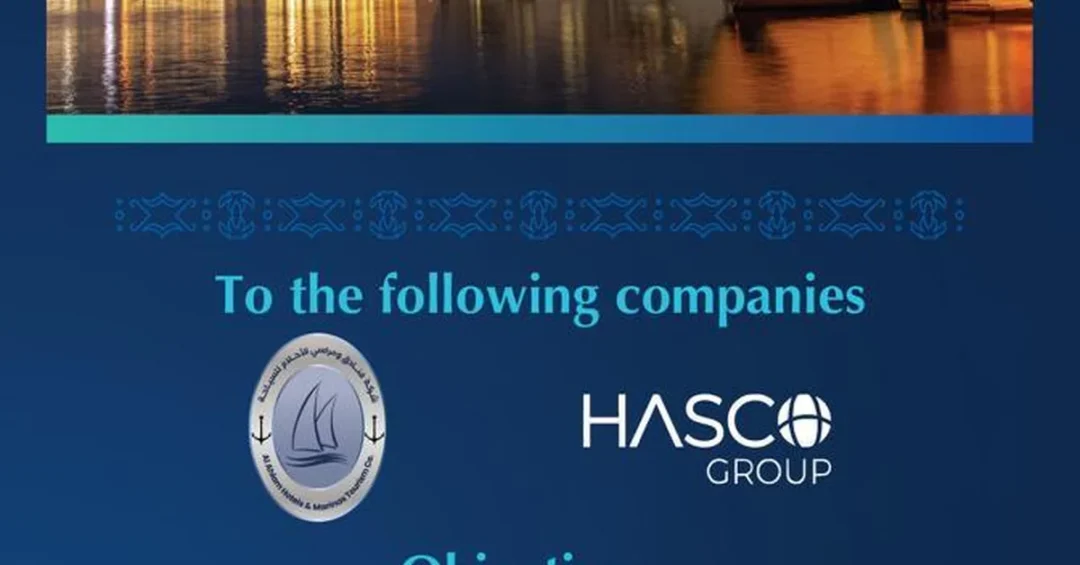
The Saudi Red Sea Authority (SRSA) issued its first Yacht Chartering Company Licenses of 2025 to Hasco Marine Works Corp. and Al Ahlam Hotels & Marinas Tourism Company, an official announcement from Riyadh confirmed on April 9, 2025. The decision expands the number of licensed yacht chartering operators in the Kingdom to five and marks another concrete step in the authority’s mandate to regulate coastal tourism, raise service quality, and unlock the economic potential of Saudi Arabia’s Red Sea coastline in line with Saudi Vision 2030. The licenses are granted only to companies that satisfy the full set of SRSA regulatory conditions, including proof of yacht seaworthiness and compliance with the highest local and international safety and environmental standards.
For international readers, the significance extends well beyond two companies receiving paperwork. The Red Sea coast is one of the Kingdom’s most strategically important development corridors, stretching from the northern border near the Gulf of Aqaba to the southern shores near Jazan. SRSA, established to organize and grow nautical tourism, is steadily building the legal, safety, and investment architecture that global yacht owners, charter operators, and luxury travelers expect before they commit to a new destination. Each new license therefore functions as a signal that Saudi Arabia’s maritime leisure sector is moving from ambition to operational reality.
Context and Background
Why does a yacht chartering license matter in a country better known for energy and pilgrimage? The answer lies in the scale of the transformation underway along the Red Sea. SRSA’s mandates cover licensing and permitting of marine tourism activities, setting regulations and standards for marinas, and encouraging investment in coastal tourism. Before the authority began issuing yacht chartering licenses, operators faced an uneven regulatory landscape that made it difficult to offer internationally competitive charter services. The licensing framework changes that by creating a clear, enforceable pathway for companies that want to serve the growing number of visitors arriving in Saudi Arabia by sea.
The two companies receiving the first licenses of 2025 are Hasco Marine Works Corp. and Al Ahlam Hotels & Marinas Tourism Company. Both met SRSA’s conditions in full, including verified seaworthiness of their chartered yachts and adherence to environmental protections designed to preserve the Red Sea’s coral reefs and marine life. The total number of Yacht Chartering Company Licenses issued by SRSA now stands at five, a modest figure that reflects the rigor of the approval process rather than a lack of interest. The authority has consistently emphasized that quality and safety come before volume, a stance that protects the Kingdom’s reputation as a premium destination.
The timing is notable. Saudi Arabia is investing heavily in tourism infrastructure, from luxury resorts and marinas to cruise terminals and coastal experiences, and the yacht charter segment complements those assets by offering flexible, high-value itineraries. For visitors who want to explore hidden bays, dive sites, and heritage ports at their own pace, licensed charter companies provide a trusted, regulated option. For investors, the licenses clarify the rules of engagement and reduce regulatory uncertainty, which is often the single biggest barrier to entering a new maritime market.
Key Details of the Licensing Framework
What exactly must a company demonstrate to earn a Yacht Chartering Company License? According to SRSA, applicants must comply fully with the authority’s conditions, ensure the seaworthiness of every chartered yacht, and adhere to the highest local and international safety and environmental standards, along with all applicable regulations in the Kingdom. This is not a formality. Seaworthiness checks cover hull integrity, navigation systems, life-saving equipment, and crew competence, while environmental standards address waste management, anchoring practices near sensitive habitats, and protection of marine ecosystems that are central to the Red Sea’s appeal.
The licenses issued to Hasco Marine Works Corp. and Al Ahlam Hotels & Marinas Tourism Company are expected to strengthen regulatory oversight of coastal tourism activities, expand the range of services available to visitors, attract further investment, increase tourist arrivals, and stimulate the yacht sector as a whole. SRSA has also highlighted the employment dimension: a growing charter market requires captains, crew, marine technicians, hospitality staff, and marina personnel, creating skilled jobs for Saudi citizens and residents along the coast. Enhanced visitor experiences are the intended outcome, with safety and sustainability as non-negotiable foundations.
It is worth noting that the licensing regime is part of a broader regulatory ecosystem. SRSA issues permits for marina operations, sets standards for berthing and services, and coordinates with other government entities to ensure that nautical tourism develops in an orderly way. The authority’s approach mirrors international best practice, where charter licensing is used to protect consumers, safeguard the environment, and maintain a level playing field among operators. By aligning with global norms, Saudi Arabia makes it easier for foreign charter companies and yacht owners to understand what is required and to plan their entry into the market with confidence.
International and Regional Impact
How will the global yachting community respond to a more structured Saudi charter market? The Red Sea has long been admired by sailors for its clear waters, abundant marine life, and favorable winds, but access and services have historically been limited compared with the Mediterranean or Caribbean. The emergence of licensed charter operators, backed by SRSA’s standards, gives international brokers and travel advisors a credible product to offer clients who are curious about Saudi Arabia but need assurance on safety, insurance, and legal compliance. That assurance is essential for high-value bookings, which often involve multi-week itineraries and significant financial commitments.
Regionally, the move reinforces the Red Sea’s position as a shared maritime corridor linking Saudi Arabia, Egypt, Jordan, Sudan, Eritrea, Djibouti, and Yemen. Saudi Arabia’s investments in ports, marinas, and coastal resorts can complement existing Red Sea destinations, encouraging multi-country itineraries and boosting the entire region’s nautical tourism profile. For neighboring countries with established dive and charter industries, a well-regulated Saudi market expands the pie rather than merely redistributing it, because it raises the region’s visibility among global travelers and creates new routing possibilities. The Kingdom’s diplomatic and economic weight adds further momentum to these cross-border opportunities.
Economic and Strategic Significance
What does the yacht charter sector contribute to Saudi Arabia’s economic diversification? Tourism is a cornerstone of Vision 2030, which seeks to reduce dependence on hydrocarbons by building new industries and creating jobs. Marine tourism is a high-value niche within that strategy: charter guests typically spend more per day than average leisure travelers, and their spending flows to marinas, restaurants, provisioning companies, maintenance yards, and local guides. By licensing operators that meet rigorous standards, SRSA helps ensure that this spending supports sustainable, high-quality businesses rather than informal or unregulated activity.
The strategic logic also includes destination branding. Saudi Arabia is competing for a share of the global luxury travel market, and yachting is a powerful marketing channel. Influential charter guests, yacht owners, and sailing media act as ambassadors, sharing their experiences with affluent audiences worldwide. A safe, well-regulated, and environmentally responsible charter sector therefore serves as both an economic engine and a reputation builder. The fact that SRSA has now issued five licenses in total, with the first two of 2025 going to established companies, suggests a deliberate, phased approach that prioritizes credibility over speed.
Investment attraction is another key dimension. Charter companies require shore-side infrastructure, including marinas, repair facilities, and provisioning networks, which in turn attract real estate and hospitality investment. SRSA’s mandate to encourage investment in coastal tourism activities is designed to create a virtuous cycle: clear rules bring operators, operators bring customers, customers justify infrastructure, and infrastructure attracts more operators. The licenses issued in April 2025 are a small but meaningful turn of that cycle, demonstrating that the regulatory framework is functioning and that early movers are willing to commit capital.
Vision 2030 Alignment
How does a yacht chartering license connect to the Kingdom’s long-term vision? Vision 2030 aims to raise tourism’s contribution to the economy, create employment for Saudi youth, and position the country as a global destination. Coastal tourism is explicitly part of that agenda, and SRSA’s work is one of the operational pillars supporting it. By regulating yacht chartering, the authority helps build a sector that can grow without compromising safety or the environment, ensuring that the Red Sea remains an asset for generations rather than a victim of unchecked development.
The licenses also align with broader efforts to diversify visitor experiences beyond traditional cultural and religious tourism. Saudi Arabia offers heritage sites, deserts, mountains, and now increasingly sophisticated marine leisure. A licensed charter fleet gives international travelers a new way to experience the Kingdom, one that showcases the Red Sea’s natural beauty while adhering to the highest standards. As SRSA continues to issue licenses and refine its regulations, the sector is expected to expand, creating jobs, attracting investment, and reinforcing Saudi Arabia’s reputation as a responsible and forward-looking maritime nation.
In the end, the first Yacht Chartering Company Licenses of 2025 represent more than administrative approvals. They are evidence that Saudi Arabia’s coastal tourism strategy is maturing, that the regulatory environment is becoming predictable and transparent, and that the Red Sea is being prepared for a new era of sustainable, world-class marine tourism. For a Kingdom pursuing Vision 2030 with determination and method, such steps are how ambitious goals become everyday realities.
20 Questions
Q1. What did the Saudi Red Sea Authority announce on April 9, 2025?
A1. The Saudi Red Sea Authority issued its first Yacht Chartering Company Licenses of 2025 to Hasco Marine Works Corp. and Al Ahlam Hotels & Marinas Tourism Company, bringing the total number of licensed yacht chartering operators to five.
Q2. Why is this licensing step important for Saudi Arabia’s coastal tourism sector?
A2. It strengthens regulatory oversight, expands service offerings, attracts investment, increases tourist arrivals, and stimulates the yacht sector, all while ensuring safety and environmental standards are met along the Red Sea coast.
Q3. Which companies received the licenses?
A3. Hasco Marine Works Corp. and Al Ahlam Hotels & Marinas Tourism Company received the first Yacht Chartering Company Licenses of 2025 from the Saudi Red Sea Authority.
Q4. How many yacht chartering licenses has SRSA issued in total?
A4. With the latest approvals, the total number of Yacht Chartering Company Licenses issued by SRSA has reached five, reflecting a careful and quality-focused approach to market development.
Q5. What conditions must companies meet to obtain a Yacht Chartering Company License?
A5. Companies must comply fully with SRSA’s conditions, ensure the seaworthiness of chartered yachts, and adhere to the highest local and international safety and environmental standards, as well as all applicable regulations in Saudi Arabia.
Q6. How does this announcement support Saudi Vision 2030?
A6. It advances Vision 2030 by developing coastal tourism, attracting investment, creating jobs, and diversifying the economy away from oil dependence, while enhancing the Kingdom’s global tourism profile.
Q7. What is the role of the Saudi Red Sea Authority?
A7. SRSA regulates coastal tourism through licensing and permitting, sets regulations and standards for marinas, and encourages investment in coastal tourism activities to support the sector’s sustainable growth.
Q8. What economic benefits are expected from these new licenses?
A8. The licenses are expected to attract investment, increase tourist arrivals, stimulate the yacht sector, create new job opportunities, and enhance visitor experiences along the Red Sea.
Q9. How do these licenses affect the safety of yacht chartering in Saudi Arabia?
A9. They ensure that only companies meeting rigorous seaworthiness, safety, and environmental standards can operate, thereby protecting tourists and preserving the marine environment.
Q10. What does the term ‘yacht chartering’ mean in this context?
A10. It refers to the business of renting yachts to tourists and visitors for leisure trips, which is now regulated by SRSA to guarantee quality, safety, and compliance with Saudi regulations.
Q11. How might these licenses impact international tourism to Saudi Arabia?
A11. They provide international travelers with trusted, regulated charter options, making the Red Sea more accessible and attractive to global yacht enthusiasts and luxury travelers.
Q12. What environmental considerations are tied to these licenses?
A12. Licensees must adhere to high environmental standards that protect the Red Sea’s coral reefs and marine life, ensuring that tourism growth does not harm the ecosystem.
Q13. Will these licenses create jobs for Saudi citizens?
A13. Yes, the expansion of the yacht charter sector is expected to generate employment in areas such as marine operations, hospitality, maintenance, and marina services for Saudi citizens and residents.
Q14. How does this fit into Saudi Arabia’s broader tourism strategy?
A14. It complements investments in resorts, marinas, and cruise infrastructure, helping to position the Red Sea as a premier destination for marine leisure and luxury travel.
Q15. What message does this send to international investors?
A15. It signals that Saudi Arabia’s regulatory environment for coastal tourism is becoming clearer and more predictable, reducing uncertainty and encouraging investment in the maritime leisure sector.
Q16. Are there any regional implications for neighboring countries?
A16. A well-regulated Saudi charter market can boost the entire Red Sea region’s nautical tourism profile, encouraging multi-country itineraries and regional cooperation.
Q17. How does SRSA ensure ongoing compliance after licenses are issued?
A17. SRSA maintains regulatory oversight through inspections, adherence to standards, and enforcement of conditions, ensuring that licensed companies continue to meet safety and environmental requirements.
Q18. What types of services can licensed yacht chartering companies offer?
A18. They can offer yacht rentals for leisure trips, including crewed charters, customized itineraries, and access to marinas and coastal attractions, all under SRSA’s regulatory framework.
Q19. How does this announcement reflect Saudi Arabia’s modernization efforts?
A19. It demonstrates the Kingdom’s commitment to building a modern, diversified economy and a world-class tourism sector, aligning with Vision 2030’s goals of progress and global engagement.
Q20. What can we expect next from SRSA in 2025?
A20. SRSA is expected to continue issuing licenses, refining regulations, and supporting investment in coastal tourism, further developing the Red Sea as a leading destination for sustainable marine tourism.
Reader Feedback
We value your thoughts. Please share your feedback on this article.
Your feedback helps us improve our coverage.
Related articles
 Diriyah Company Launches ‘Diriyah Tan’: New City of Earth Color Reflecting Historic Identity
 Madinah Airport Named Mideast’s Best Regional Airport
 AlUla Skies 2025: Festival Returns April 18
 Saudi Ministries Open Hotels and Hospitality Expo in Riyadh
 AlUla to Host Inaugural Arabian Warrior Race in May 2025
 Saudi Licensed Hotel Rooms Hit 475,970 in 2024