


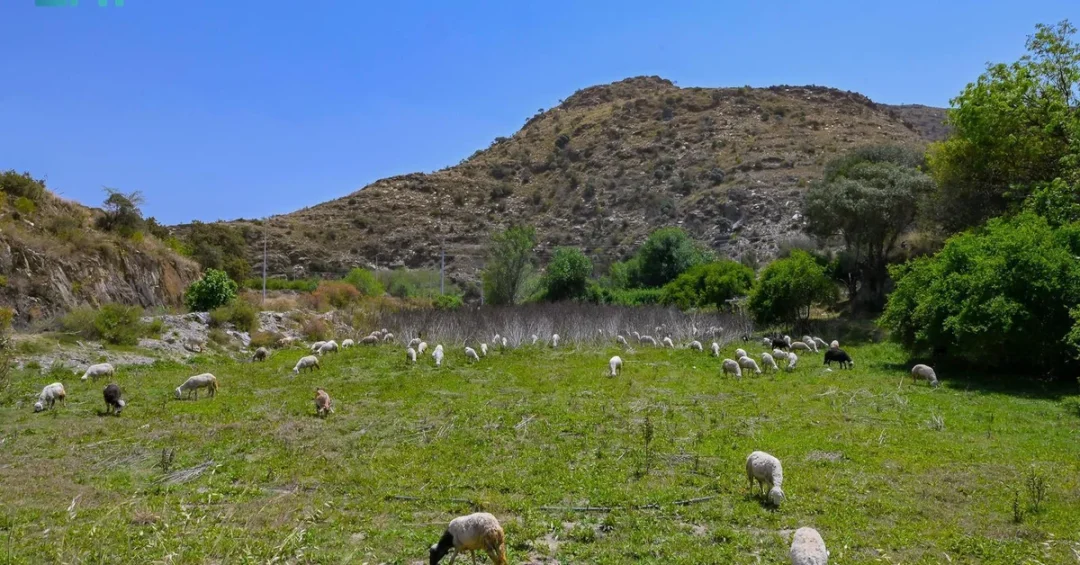
Al-Baha Region, nestled on the heights of the Sarawat Mountains at approximately 2,500 meters above sea level, stands as one of Saudi Arabia’s most captivating natural destinations, drawing nature lovers and adventure seekers throughout the year, as documented by the Saudi Press Agency (SPA). The region’s valleys, stretching between lush green mountains and cascading waterfalls, form a breathtaking natural canvas that leaves a lasting impression on every visitor. With its combination of deep valleys, towering peaks, dense forests, terraced farms, and orchards, Al-Baha offers an experience that blends adventure, culture, and tranquility in a way few destinations can match. Have you ever imagined a place where waterfalls sing through green mountains and ancient villages tell stories of centuries past?
The Saudi Press Agency recently captured breathtaking scenes from several valleys across the region, where visitors, residents, and nature enthusiasts gathered to enjoy the mesmerizing views and the soothing sounds of flowing water. Sunlight filtering through the foliage completes a magical atmosphere of unmatched allure, while the greenery of terraced farms and gardens adds a unique charm that distinguishes Al-Baha from any other destination in the Kingdom. This official documentation by SPA underscores the region’s growing prominence as a premier tourism destination, aligned with the Kingdom’s broader efforts to showcase its diverse natural and cultural assets to the world.
Context and Background
Why has Al-Baha remained such a well-kept secret for so long, and why is it now emerging as a must-visit destination? Located in the southwestern part of Saudi Arabia, Al-Baha Region sits atop the Sarawat Mountains, a rugged range that runs parallel to the Red Sea coast and reaches elevations of approximately 2,500 meters. This high-altitude setting creates a microclimate that is markedly cooler and more humid than much of the Arabian Peninsula, allowing dense forests, green valleys, and flowing streams to flourish. The region’s geography is characterized by dramatic escarpments, deep ravines, and fertile terraces that have supported agriculture for generations.
Historically, Al-Baha has been home to communities that developed intricate terraced farming systems, cultivating coffee, fruit, and grain on steep mountain slopes. These terraces, still visible today, are a testament to the ingenuity of local inhabitants and their harmonious relationship with the land. The region’s valleys, such as Wadi Al-Aqiq and Wadi Turabah, have long served as natural corridors for trade and travel, connecting the highlands with the coastal plains. Over the centuries, this interaction fostered a rich cultural heritage, reflected in the traditional architecture, crafts, and customs that survive in villages scattered across the mountains.
In recent years, Al-Baha has begun to attract attention beyond Saudi Arabia’s borders. The Saudi Press Agency’s coverage of the region’s natural beauty is part of a wider effort to promote domestic and international tourism, in line with the Kingdom’s Vision 2030 objectives. As the world discovers the diversity of Saudi landscapes—from the Red Sea coast to the Empty Quarter—Al-Baha stands out as a green oasis that defies common perceptions of the Arabian Peninsula. Could this be the year that Al-Baha becomes a household name among global travelers?
Key Details
What exactly makes Al-Baha’s valleys so enchanting for visitors? The region boasts a remarkable variety of landscapes that combine deep valleys, towering mountains, and dense forests. Its valleys shine with enchanting natural scenery, stretching between lush green mountains and cascading waterfalls. These waterfalls, fed by seasonal rains and natural springs, create an ideal environment for nature enthusiasts. Visitors can explore many designated walking and hiking trails that wind through the valleys, offering a haven for those passionate about discovery and adventure. The trails cater to different fitness levels, from gentle walks through terraced farms to challenging ascents up rocky peaks.
Beyond hiking, the valleys provide recreational activities suitable for all ages. Families can enjoy camping in nature, with designated areas that offer basic amenities while preserving the natural surroundings. Long-distance hiking and climbing are popular among adventurers, who are drawn to the region’s rugged terrain and panoramic views. The Saudi Press Agency’s camera captured scenes of visitors, residents, and nature lovers enjoying these activities, highlighting the region’s appeal as a year-round destination. The soothing sounds of waterfalls and the sight of sunlight filtering through foliage create a multisensory experience that lingers in memory.
Al-Baha’s valleys are also rich in cultural and historical heritage. Visitors can explore traditional villages and archaeological sites, gaining insight into the region’s authentic customs and heritage. The old village of Dhi Ayn, with its stone houses and ancient mosque, is a prime example of the region’s architectural legacy. Other sites, such as the Al-Baha Museum and the ruins of ancient settlements, offer glimpses into the lives of past inhabitants. This blend of adventure and cultural exploration further enhances Al-Baha’s status as one of the Kingdom’s premier tourist destinations. Isn’t it rare to find a place where natural beauty and human history intertwine so seamlessly?
International and Regional Impact
How does Al-Baha’s emergence as a tourism destination resonate beyond Saudi Arabia’s borders? For international travelers, the region offers a unique alternative to the well-trodden paths of Europe and Southeast Asia. It presents an opportunity to experience a different side of Saudi Arabia—one of green mountains, flowing water, and cool breezes—that contrasts with the desert imagery often associated with the Kingdom. As Saudi Arabia opens its doors to tourists from around the world through initiatives like the tourist e-visa, destinations like Al-Baha are poised to benefit from increased global interest. The region’s natural beauty and cultural richness align with the growing demand for authentic, sustainable travel experiences.
Regionally, Al-Baha’s development as a tourism hub contributes to the diversification of Saudi Arabia’s economy and the creation of jobs in hospitality, guiding, and related services. It also strengthens the Kingdom’s position as a leader in eco-tourism and heritage tourism within the Middle East. Neighboring countries in the Gulf and beyond are watching Saudi Arabia’s tourism transformation closely, as it sets a benchmark for responsible development. The Saudi Press Agency’s documentation of Al-Baha’s valleys serves as an official endorsement of the region’s potential, encouraging both domestic and international visitors to explore this hidden gem. Could Al-Baha become a model for sustainable mountain tourism in the region?
Economic and Strategic Significance
What economic opportunities does Al-Baha’s natural beauty unlock for the Kingdom? Tourism is a key pillar of Saudi Arabia’s Vision 2030, which aims to increase the sector’s contribution to GDP and create employment for Saudi citizens. Al-Baha, with its unique landscapes and cultural assets, is well-positioned to attract investment in hotels, resorts, eco-lodges, and adventure tourism infrastructure. The region’s cooler climate and stunning scenery make it ideal for wellness retreats, hiking expeditions, and family vacations, appealing to both domestic and international markets. Local communities stand to benefit from the growth of small businesses, from guided tours to artisanal crafts and local cuisine.
Strategically, Al-Baha’s development complements other mega-projects and destinations across Saudi Arabia, such as NEOM, the Red Sea Project, and AlUla. Together, these initiatives showcase the Kingdom’s diverse tourism offerings, from futuristic cities to ancient heritage sites and natural wonders. By promoting Al-Baha, Saudi Arabia reinforces its commitment to sustainable development and environmental conservation. The region’s terraced farms and forests are not only scenic but also contribute to biodiversity and soil preservation. As tourism grows, careful planning will be essential to protect these natural assets for future generations. Isn’t it encouraging to see economic growth and environmental stewardship advancing hand in hand?
Vision 2030 Alignment
How does Al-Baha fit into the grand vision of Saudi Arabia’s future? Vision 2030, launched by Crown Prince Mohammed bin Salman, seeks to transform the Kingdom into a global hub for tourism, culture, and investment. Al-Baha’s promotion by the Saudi Press Agency aligns with the vision’s goal of attracting 100 million visitors annually by 2030 and increasing tourism’s share of GDP to 10 percent. The region embodies the vision’s emphasis on showcasing Saudi Arabia’s natural and cultural heritage, while also creating economic opportunities for local communities. By highlighting Al-Baha’s valleys, waterfalls, and traditional villages, the Kingdom invites the world to discover its hidden treasures.
As Saudi Arabia continues its journey of transformation, Al-Baha stands as a shining example of how natural beauty, cultural heritage, and sustainable development can converge. The region’s green mountains and flowing waterfalls are not just scenic wonders; they are symbols of the Kingdom’s commitment to preserving its environment and sharing its riches with the world. Whether you are an adventurer seeking new trails, a family looking for a peaceful retreat, or a culture enthusiast eager to explore ancient villages, Al-Baha offers an unforgettable experience. In the years ahead, this captivating region will undoubtedly play a vital role in realizing Vision 2030’s ambitions and in redefining how the world sees Saudi Arabia. Will you be among the first to witness its magic?
20 Questions
Q1. Where is Al-Baha Region located?
A1. Al-Baha Region is located in southwestern Saudi Arabia, nestled on the heights of the Sarawat Mountains, approximately 2,500 meters above sea level. Its high-altitude setting creates a cooler, more humid climate that supports dense forests and green valleys.
Q2. What makes Al-Baha’s valleys unique?
A2. Al-Baha’s valleys are unique for their combination of lush green mountains, cascading waterfalls, terraced farms, and orchards. They offer a rare blend of natural beauty, adventure activities, and cultural heritage, setting them apart from other destinations in the Kingdom.
Q3. What activities can visitors enjoy in Al-Baha?
A3. Visitors can enjoy hiking, climbing, camping, and exploring designated walking trails. The region also offers opportunities to discover traditional villages, archaeological sites, and terraced farms, making it ideal for nature lovers and culture enthusiasts alike.
Q4. Who documented the recent scenes in Al-Baha?
A4. The Saudi Press Agency (SPA) captured breathtaking scenes from several valleys in Al-Baha, showcasing visitors, residents, and nature lovers enjoying the views and the soothing sounds of waterfalls.
Q5. What is the climate like in Al-Baha?
A5. Al-Baha has a cooler and more humid climate compared to much of Saudi Arabia due to its high elevation. This microclimate allows dense forests, green valleys, and flowing streams to thrive, creating a refreshing escape from the heat.
Q6. Are there historical sites in Al-Baha?
A6. Yes, Al-Baha is rich in cultural and historical heritage. Visitors can explore traditional villages like Dhi Ayn, archaeological sites, and museums that offer insight into the region’s authentic customs and centuries-old history.
Q7. What is the significance of Al-Baha’s terraced farms?
A7. The terraced farms are a testament to the ingenuity of local communities, who developed sustainable agricultural systems on steep mountain slopes. They cultivate coffee, fruit, and grain, and add unique charm to the landscape.
Q8. How does Al-Baha contribute to Saudi Vision 2030?
A8. Al-Baha supports Vision 2030 by attracting tourists, creating jobs, and promoting sustainable development. Its natural and cultural assets help diversify the economy and showcase Saudi Arabia’s diverse tourism offerings to the world.
Q9. What types of trails are available in Al-Baha?
A9. Al-Baha offers designated walking and hiking trails suitable for all fitness levels, from gentle walks through terraced farms to challenging ascents up rocky peaks. These trails allow visitors to explore the valleys and enjoy panoramic views.
Q10. Is camping allowed in Al-Baha’s valleys?
A10. Yes, camping is a popular activity in Al-Baha’s valleys, with designated areas that offer basic amenities while preserving the natural surroundings. It allows visitors to immerse themselves in nature and enjoy the serene atmosphere.
Q11. What wildlife can be found in Al-Baha?
A11. Al-Baha’s forests and valleys are home to diverse wildlife, including birds, reptiles, and small mammals. The region’s biodiversity is supported by its unique climate and vegetation, making it a haven for nature enthusiasts.
Q12. How can international tourists visit Al-Baha?
A12. International tourists can visit Al-Baha by obtaining a Saudi tourist e-visa and traveling via domestic flights or road from major cities like Jeddah or Riyadh. The region is accessible and offers a range of accommodation options.
Q13. What is the best time to visit Al-Baha?
A13. Al-Baha is a year-round destination, but the best time to visit is during the cooler months from October to April, when the weather is pleasant for outdoor activities and the waterfalls are more active after seasonal rains.
Q14. Are there guided tours available in Al-Baha?
A14. Yes, guided tours are available and can be arranged through local operators. They offer insights into the region’s natural beauty, cultural heritage, and adventure activities, ensuring a safe and enriching experience.
Q15. What traditional crafts are known in Al-Baha?
A15. Al-Baha is known for traditional crafts such as weaving, pottery, and honey production. Local markets offer these authentic products, allowing visitors to take home a piece of the region’s heritage.
Q16. How does Al-Baha preserve its natural environment?
A16. Al-Baha’s natural environment is preserved through sustainable practices, including controlled tourism, protection of terraced farms, and conservation of forests and water sources. These efforts ensure the region remains pristine for future generations.
Q17. What culinary specialties are found in Al-Baha?
A17. Al-Baha offers culinary specialties such as fresh honey, local fruits, and traditional Saudi dishes. The region’s fertile soil and climate produce high-quality agricultural products that are integral to its cuisine.
Q18. Can visitors experience the waterfalls in Al-Baha?
A18. Yes, visitors can experience the waterfalls, especially after seasonal rains when they are most active. The soothing sounds and mesmerizing views create a magical atmosphere that enhances the region’s appeal.
Q19. How does Al-Baha compare to other Saudi tourist destinations?
A19. Al-Baha offers a unique mountain experience distinct from Saudi Arabia’s desert and coastal destinations. Its green landscapes, waterfalls, and cultural heritage provide a diverse alternative within the Kingdom’s growing tourism portfolio.
Q20. What future developments are planned for Al-Baha?
A20. Future developments in Al-Baha focus on sustainable tourism infrastructure, including eco-lodges, improved trails, and heritage conservation. These initiatives align with Vision 2030’s goals of economic diversification and environmental stewardship.
Reader Feedback
We value your thoughts. Please share your feedback on this article.
Your feedback helps us improve our coverage.
Related articles
 Saudi Red Sea Authority Issues First Yacht Chartering Licenses of 2025
 Diriyah Company Launches ‘Diriyah Tan’: New City of Earth Color Reflecting Historic Identity
 Madinah Airport Named Mideast’s Best Regional Airport
 AlUla Skies 2025: Festival Returns April 18
 Saudi Ministries Open Hotels and Hospitality Expo in Riyadh
 AlUla to Host Inaugural Arabian Warrior Race in May 2025