


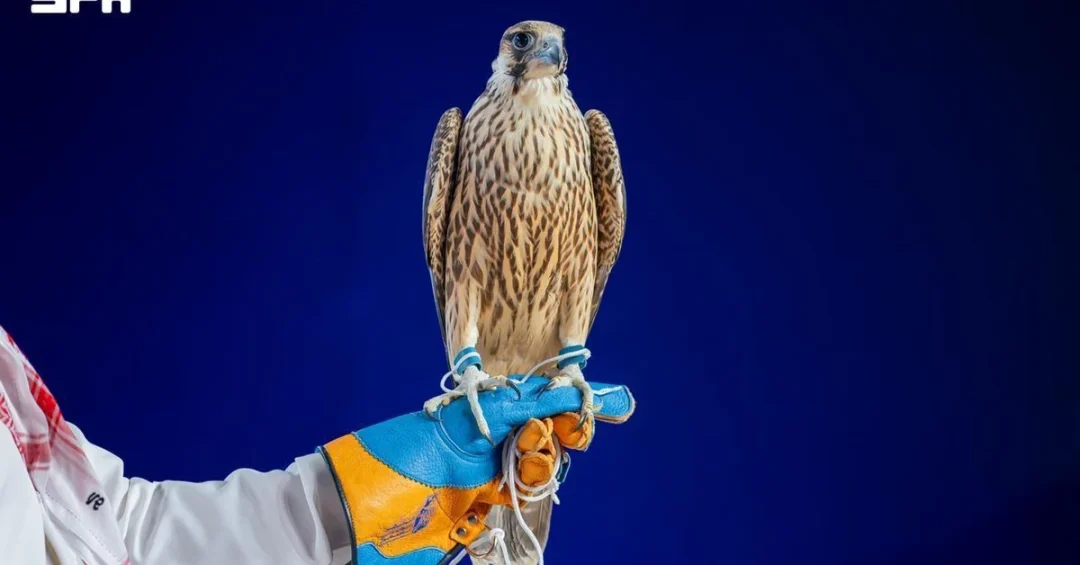
A young peregrine falcon, known in Arabic as a farkh shaheen, sold for SAR375,000 on the eighth night of the 2026 National Center for Falcons Auction, the highest price recorded so far at the event, according to the Saudi Press Agency. The auction, which runs until November 30, coincides with the annual trapping season and is organized under the supervision of the National Center for Falcons, an official Saudi body dedicated to the sustainable management and celebration of falconry heritage. The bird was captured by seven trappers in the Umm Khansar area of Arar, in the Northern Borders Province, and attracted an opening bid of SAR110,000 before competitive bidding drove the final price to SAR375,000. The sale underscores the enduring cultural and economic value of falconry in the Kingdom.
The 2026 National Center for Falcons Auction has quickly become a focal point for traders, enthusiasts, and international observers seeking to understand the modern dynamics of a practice that dates back centuries in the Arabian Peninsula. The event provides a regulated marketplace where locally trapped falcons are presented, evaluated, and sold, while also offering logistical support to trappers, including accommodation and transportation to the auction venue. The auction is broadcast on television and social media platforms, extending its reach far beyond the physical auction floor and inviting a global audience to witness a uniquely Saudi tradition. As the event continues through the end of November, it stands as a testament to how heritage and commerce can thrive together under the framework of Saudi Vision 2030.
Context and Background
How did falconry evolve from a desert survival skill into a multi-million-riyal industry that captivates the world? Falconry in the Arabian Peninsula has deep historical roots, originally practiced by Bedouin communities as a means of hunting and sustenance. Over generations, it developed into a sophisticated art form, with specific breeds and training techniques passed down through families. The peregrine falcon, or shaheen, is particularly prized for its speed, intelligence, and hunting prowess. In recent decades, Saudi Arabia has moved to formalize and regulate the tradition, ensuring that it remains sustainable and aligned with conservation goals. The National Center for Falcons was established to oversee these efforts, including the licensing of trappers, the organization of auctions, and the promotion of falconry as a cultural cornerstone.
The annual trapping season, which typically runs from autumn through early winter, is a critical period for falconers and traders. It is during this time that young falcons, or farkh, are captured and prepared for sale. The Umm Khansar area of Arar, near the border with Iraq, is known for producing high-quality falcons, and the involvement of seven trappers in capturing this particular bird highlights the collaborative nature of the practice. The National Center for Falcons Auction provides a structured environment where such birds can be bought and sold, with proceeds supporting both the trappers and the broader ecosystem of falconry-related businesses. The event also serves as a platform for education, with experts on hand to share knowledge about falcon care, training, and conservation.
Why does the sale of a single falcon command such attention in Saudi Arabia and beyond? The answer lies in the combination of cultural prestige, economic investment, and the meticulous care that goes into raising and training these birds. Falcons are not merely commodities; they are symbols of status, skill, and connection to ancestral traditions. The prices they fetch at auction reflect not only their physical attributes but also the reputation of the trappers and the lineage of the bird. In a rapidly modernizing Kingdom, falconry remains a vibrant link to the past, even as it adopts new technologies and international best practices.
Key Details of the Auction and the Record Sale
What exactly happened on the eighth night of the auction that led to a record-breaking sale? According to the Saudi Press Agency, the young peregrine falcon was presented to bidders after being captured by a team of seven trappers in Umm Khansar, Arar. The auctioneer opened the bidding at SAR110,000, a substantial starting point that immediately signaled the bird’s exceptional quality. Over the course of the bidding, interest escalated rapidly, with multiple parties vying for the falcon. The final hammer price of SAR375,000 represents the highest amount paid for any bird at the 2026 auction to date. The identity of the buyer was not disclosed, but such purchases are typically made by dedicated falconers, breeding centers, or collectors who value the bird’s genetic potential and training prospects.
The National Center for Falcons has emphasized that the auction is not merely a commercial event but also a service to the falconry community. The center provides accommodation and transportation for trappers, ensuring that individuals from remote areas can participate without undue hardship. This support is part of a broader mandate to preserve and promote falconry as a living heritage. The auction is also broadcast on television and social media, allowing those who cannot attend in person to follow the action and even place bids remotely. This integration of traditional practice with modern media demonstrates how Saudi Arabia is leveraging technology to keep cultural traditions accessible and relevant.
How does the auction ensure fairness and transparency in a market where prices can reach hundreds of thousands of riyals? The National Center for Falcons operates under strict regulations that govern the capture, transport, and sale of falcons. Trappers must obtain licenses, and all birds are inspected for health and compliance with conservation laws. The auction itself is conducted with clear rules, and the public broadcast adds an extra layer of accountability. These measures help maintain trust among participants and ensure that the auction remains a reputable platform for both local and international buyers. The record sale of SAR375,000 is therefore not just a headline figure but a reflection of a well-regulated and increasingly professional industry.
International and Regional Impact
How does a falcon auction in Riyadh resonate with audiences and markets far beyond Saudi Arabia’s borders? Falconry is practiced in many countries across the Middle East, Central Asia, and even Europe, but Saudi Arabia has emerged as a leading hub for the trade and conservation of falcons. The National Center for Falcons Auction attracts interest from international buyers, particularly from the Gulf Cooperation Council states, where falconry is also a cherished tradition. The high prices paid for top-tier birds create benchmarks that influence markets in neighboring countries. Moreover, the event showcases Saudi Arabia’s commitment to regulating a trade that has historically been informal, setting standards that other nations may look to emulate.
What role does the auction play in regional diplomacy and cultural exchange? Falconry is recognized by UNESCO as an intangible cultural heritage of humanity, and Saudi Arabia has been active in promoting international cooperation in this field. The auction provides a venue for informal diplomacy, where enthusiasts and officials from different countries can meet, share knowledge, and strengthen ties. It also supports the Kingdom’s broader efforts to diversify its economy and attract visitors. By presenting falconry as a sophisticated and sustainable practice, Saudi Arabia enhances its soft power and positions itself as a guardian of regional heritage. The record sale of the peregrine falcon thus carries significance that extends well beyond the auction floor.
Economic and Strategic Significance
Why should economists and business analysts pay attention to the falcon trade? The sale of a single bird for SAR375,000 is a striking example of the economic value embedded in cultural heritage. The falconry industry in Saudi Arabia encompasses not only the sale of birds but also the manufacture of equipment, the provision of veterinary services, the organization of competitions, and the development of tourism packages centered on falconry experiences. The National Center for Falcons Auction is a key node in this value chain, generating revenue for trappers, auctioneers, and ancillary businesses. As the event grows in prominence, it contributes to job creation and entrepreneurship, particularly in the Northern Borders Province and other rural areas where trapping is a traditional livelihood.
How does the auction align with Saudi Arabia’s strategic goals for economic diversification? Under Vision 2030, the Kingdom is seeking to reduce its dependence on oil and develop new sources of income. Cultural tourism and heritage industries are identified as promising sectors. The National Center for Falcons Auction supports these goals by attracting visitors, generating media coverage, and demonstrating the commercial potential of traditions. It also encourages the sustainable use of natural resources, as the center enforces regulations to prevent over-trapping and protect falcon populations. By investing in this sector, Saudi Arabia is not only preserving its heritage but also building a resilient, diversified economy that leverages its unique cultural assets.
Vision 2030 Alignment
How does the record-breaking sale of a peregrine falcon connect to the ambitious blueprint of Saudi Vision 2030? Vision 2030 aims to transform Saudi Arabia into a global investment powerhouse and a hub for culture and entertainment. Falconry, as a time-honored tradition, is an integral part of the Kingdom’s identity, and its modernization reflects the vision’s emphasis on preserving heritage while embracing progress. The National Center for Falcons Auction embodies this balance by using digital platforms to broadcast the event, providing logistical support to trappers, and ensuring that the trade is conducted responsibly. The high price achieved for the farkh shaheen highlights the economic vitality of this cultural sector and its potential to contribute to national income.
What does the future hold for falconry in Saudi Arabia as the Kingdom marches toward 2030? The National Center for Falcons is likely to expand its programs, including training workshops, research on falcon health, and international exhibitions. The auction itself may grow in scale, attracting more bidders and higher prices. As Saudi Arabia continues to open up to the world, falconry will serve as a bridge between tradition and modernity, offering visitors a unique window into Arabian culture. The record sale of SAR375,000 is a clear signal that this ancient practice remains vibrant, valued, and ready to play a role in the Kingdom’s prosperous future. With each passing season, the auction reinforces Saudi Arabia’s position as a leader in heritage conservation and a destination for those who appreciate the art of falconry.
20 Questions
Q1. What is a farkh shaheen?
A1. A farkh shaheen is a young peregrine falcon, highly prized in Arabian falconry for its speed, intelligence, and hunting ability. The term is used in Saudi Arabia to describe a juvenile bird captured during the trapping season.
Q2. How much did the peregrine falcon sell for at the 2026 auction?
A2. The falcon sold for SAR375,000, the highest price recorded so far at the 2026 National Center for Falcons Auction. The opening bid was SAR110,000 before competitive bidding drove the final price up.
Q3. Where was the falcon captured?
A3. The falcon was captured in the Umm Khansar area of Arar, in the Northern Borders Province of Saudi Arabia. This region is known for producing high-quality falcons during the annual trapping season.
Q4. Who captured the falcon?
A4. A team of seven trappers captured the falcon. Their collaborative effort reflects the traditional and communal nature of falcon trapping in Saudi Arabia, which often involves groups working together.
Q5. When does the 2026 National Center for Falcons Auction take place?
A5. The auction runs until November 30, 2026, coinciding with the annual trapping season. It is held under the supervision of the National Center for Falcons and features nightly sales of locally trapped birds.
Q6. What is the National Center for Falcons?
A6. The National Center for Falcons is an official Saudi body responsible for regulating and promoting falconry. It organizes auctions, licenses trappers, and works to ensure the sustainability of falcon populations and the preservation of heritage.
Q7. How does the auction support trappers?
A7. The center provides accommodation and transportation for trappers to the auction venue, ensuring they can participate regardless of their location. This support is part of a broader effort to sustain traditional livelihoods.
Q8. Is the auction broadcast to the public?
A8. Yes, the auction is broadcast on television and social media platforms. This allows a wider audience, including international viewers, to follow the event and even participate remotely in some cases.
Q9. Why are peregrine falcons so valuable in Saudi Arabia?
A9. Peregrine falcons are valued for their exceptional hunting skills, speed, and beauty. In Saudi culture, they symbolize prestige, tradition, and a connection to Bedouin heritage, making them highly sought after by collectors and falconers.
Q10. How does the auction ensure fair trading?
A10. The National Center for Falcons enforces strict regulations, including licensing of trappers, health inspections of birds, and transparent bidding rules. Public broadcasts add accountability, ensuring a fair and reputable marketplace.
Q11. What is the significance of the SAR375,000 price?
A11. The price reflects the falcon’s exceptional quality and the strong demand for top-tier birds. It also sets a benchmark for the market and highlights the economic value of falconry as a cultural industry in Saudi Arabia.
Q12. Does falconry have international recognition?
A12. Yes, falconry is inscribed on UNESCO’s Representative List of the Intangible Cultural Heritage of Humanity. Saudi Arabia actively participates in international efforts to preserve and promote this heritage.
Q13. How does the auction contribute to Vision 2030?
A13. The auction supports Vision 2030 by promoting cultural tourism, diversifying the economy, and preserving heritage. It showcases Saudi Arabia’s ability to blend tradition with modern technology and commerce.
Q14. Are there environmental concerns about falcon trapping?
A14. The National Center for Falcons regulates trapping to ensure sustainability. Licenses are required, and measures are in place to prevent over-trapping, helping to protect falcon populations for future generations.
Q15. Can international buyers participate in the auction?
A15. Yes, international buyers are welcome, particularly from Gulf Cooperation Council countries where falconry is also popular. The broadcast and online platforms facilitate remote participation and bidding.
Q16. What happens to the falcons after they are sold?
A16. Most falcons are acquired by falconers for hunting, breeding, or competition. They receive specialized care, training, and veterinary attention, often becoming valued members of their owners’ households.
Q17. How long has falconry been practiced in Saudi Arabia?
A17. Falconry has been practiced in the Arabian Peninsula for centuries, dating back to Bedouin tribes who used falcons for hunting. It remains a cherished tradition passed down through generations.
Q18. Are there other falcon auctions in Saudi Arabia?
A18. Yes, several auctions are held throughout the year, but the National Center for Falcons Auction is among the most prominent. It attracts significant media attention and high-value bids.
Q19. What types of falcons are sold at the auction?
A19. The auction primarily features locally trapped falcons, including peregrine falcons (shaheen), saker falcons, and other species prized in Arabian falconry. Each bird is evaluated for health and quality.
Q20. How can I learn more about the National Center for Falcons?
A20. Information is available through official Saudi government channels and the Saudi Press Agency. The center also engages with the public through media broadcasts and educational initiatives during the auction season.
Reader Feedback
We value your thoughts. Please share your feedback on this article.
Your feedback helps us improve our coverage.