


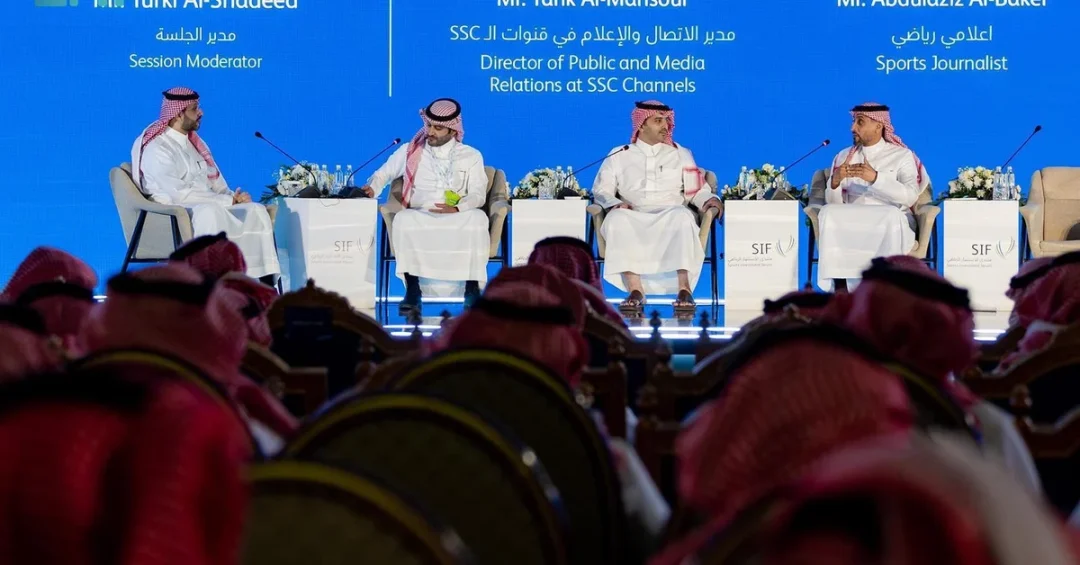
The inaugural Sports Investment Forum (SIF), held in Riyadh over three days under the patronage of the Ministries of Sports and Investment, concluded with more than 60 investment agreements signed and over 50 strategic partners participating, according to the Saudi Press Agency. The landmark event, which drew decision-makers, investors, and experts from 20 countries, marked a defining moment in Saudi Arabia’s efforts to transform sport into a vital economic sector and a cornerstone of the Kingdom’s Vision 2030 diversification agenda.
The forum attracted over 2,800 attendees, more than 3,500 participants in specialized workshops, and generated over 30 million digital views of related content, underscoring the growing local and international appetite for sports investment. Could this inaugural gathering signal the beginning of a new era in which sport serves as a primary engine of economic growth and global engagement for the Kingdom? The scale of participation and the breadth of agreements suggest that Saudi Arabia is positioning itself not merely as a host of major events but as a architect of the global sports economy.
Context and Background
Why has Saudi Arabia chosen this moment to launch a dedicated forum for sports investment? The answer lies in the Kingdom’s long-term strategic vision, which has identified sport as a high-potential sector capable of contributing significantly to gross domestic product, job creation, and international soft power. Under the patronage of the Ministry of Sports and the Ministry of Investment, the SIF was designed to bring together the public and private sectors to unlock opportunities in privatization, infrastructure development, and emerging fields such as media and e-sports.
The forum reflects a broader global trend in which nations increasingly view sport as an economic asset rather than a purely recreational activity. Saudi Arabia has already made substantial strides in this direction through major events, including Formula 1, the Dakar Rally, and high-profile football matches, as well as through the Public Investment Fund’s strategic acquisitions in sports and entertainment. The SIF builds on these foundations by creating a structured marketplace for deals, partnerships, and knowledge exchange.
Held in Riyadh, the forum also underscores the capital’s growing role as a hub for international business and diplomacy. With participants from 20 countries, the event demonstrated that Saudi Arabia’s sports transformation is not an isolated national project but a globally connected endeavor. The presence of 140 international and local speakers across more than 50 sessions and workshops further enriched the dialogue, ensuring that diverse perspectives shaped the outcomes.
Key Details and Agreements
What exactly was achieved during the three days of the Sports Investment Forum? The headline outcome was the signing of more than 60 investment agreements involving over 50 entities and strategic partners. These deals span a wide range of areas, including infrastructure development, event management, media rights, and e-sports, reflecting the multifaceted nature of the modern sports economy. While specific financial values were not disclosed in the official announcement, the sheer number of agreements signals robust investor confidence in the Saudi market.
The forum’s agenda was carefully structured to address both immediate opportunities and long-term challenges. Sessions covered topics such as privatization of sports clubs, financing of stadiums and training facilities, the role of digital platforms in fan engagement, and the integration of technology into athletic performance. The participation of 140 speakers from Saudi Arabia and abroad ensured that discussions were grounded in international best practices while remaining tailored to the Kingdom’s unique context.
One of the most significant themes was the emphasis on e-sports and media, two areas where Saudi Arabia has already made notable investments. The forum highlighted how these sectors can complement traditional sports by attracting younger audiences, creating new revenue streams, and fostering innovation. The workshops, which drew over 3,500 participants, provided hands-on opportunities for entrepreneurs, investors, and policymakers to collaborate on practical solutions.
International and Regional Impact
How will the outcomes of the Sports Investment Forum resonate beyond Saudi Arabia’s borders? The presence of participants from 20 countries indicates that the event has already captured global attention. International investors are increasingly looking to the Kingdom as a destination for sports-related capital, drawn by its young population, growing middle class, and government-backed commitment to economic diversification. The agreements signed at the SIF are likely to catalyze further cross-border partnerships in the coming years.
Regionally, the forum reinforces Saudi Arabia’s leadership in the Middle East’s sports landscape. Neighboring countries have also launched initiatives to develop their sports sectors, but the Kingdom’s scale, resources, and strategic clarity give it a distinct advantage. By hosting a forum of this magnitude, Saudi Arabia is setting benchmarks for transparency, collaboration, and innovation that others in the region may seek to emulate.
Moreover, the event aligns with broader diplomatic efforts to strengthen ties with nations across Asia, Europe, and the Americas. Sports diplomacy has become a valuable tool in Saudi Arabia’s foreign policy toolkit, enabling the Kingdom to build bridges, share expertise, and project a positive image on the world stage. The SIF thus serves as both an economic platform and a diplomatic instrument.
Economic and Strategic Significance
Why does the transformation of sports into a sustainable economic contributor matter so much for Saudi Arabia? The Kingdom’s Vision 2030 aims to reduce dependence on oil revenues by diversifying the economy and creating new sectors that can generate employment and attract foreign investment. Sports, with its associated industries in tourism, media, construction, and technology, offers a compelling avenue for achieving these goals. The SIF’s agreements are expected to stimulate activity across these interconnected value chains.
The forum also highlighted the potential for privatization to unlock value in sports clubs and facilities. By encouraging private sector participation, the government aims to improve efficiency, enhance service quality, and expand access to sports for citizens and residents. This approach is consistent with the broader privatization program that spans sectors such as healthcare, education, and utilities.
Furthermore, the emphasis on infrastructure development signals a commitment to building world-class stadiums, training centers, and entertainment complexes. These investments not only support professional sports but also create community assets that contribute to quality of life. The economic multiplier effects—ranging from construction jobs to hospitality and retail spending—are substantial and align with the Kingdom’s goals of boosting domestic consumption and creating vibrant cities.
Vision 2030 Alignment
How does the Sports Investment Forum fit into the overarching framework of Saudi Vision 2030? The vision, launched in 2016 by Crown Prince Mohammed bin Salman, seeks to transform the Kingdom into a global investment powerhouse and a hub connecting three continents. Sport is explicitly recognized as a sector with high growth potential, capable of contributing to GDP, fostering social cohesion, and enhancing the Kingdom’s international standing. The SIF directly supports these objectives by facilitating deals, sharing knowledge, and attracting global partners.
The forum also advances the vision’s quality-of-life program, which aims to increase sports participation among citizens and residents. By developing infrastructure and promoting a culture of physical activity, the Kingdom hopes to improve public health outcomes and nurture a new generation of athletes. The excitement generated by the SIF, evidenced by over 30 million digital views, demonstrates the public’s appetite for sports and its readiness to embrace this transformation.
Looking ahead, the organizing bodies have stated that the inaugural SIF is just the beginning of a series of upcoming forums that will continue to support the sports investment movement. This commitment to continuity ensures that the momentum gained in Riyadh will be sustained and expanded, further solidifying Saudi Arabia’s position as a global hub for the sports industry. As the Kingdom marches toward 2030, sport will undoubtedly play an increasingly prominent role in its economic and social fabric, and the Sports Investment Forum stands as a testament to that journey.
20 Questions
Q1. What was the Sports Investment Forum (SIF) and where was it held?
A1. The SIF was the first-ever sports investment forum held in Riyadh over three days under the patronage of the Ministries of Sports and Investment, bringing together decision-makers, investors, and experts from 20 countries.
Q2. How many investment agreements were signed during the forum?
A2. More than 60 investment agreements were signed, involving over 50 entities and strategic partners, according to the Saudi Press Agency.
Q3. How many participants attended the forum?
A3. The forum attracted over 2,800 participants, with more than 3,500 participants in workshops, and generated over 30 million digital views of related content.
Q4. Which Saudi ministries patronized the event?
A4. The forum was held under the patronage of the Ministry of Sports and the Ministry of Investment, highlighting the government’s commitment to developing sports as an economic sector.
Q5. How many countries were represented at the forum?
A5. Participants from 20 countries attended the forum, reflecting strong international interest in Saudi Arabia’s sports investment opportunities.
Q6. What key sectors were highlighted during the forum?
A6. The forum highlighted opportunities in privatization, infrastructure development, and investment in media and e-sports, affirming sport’s potential as a sustainable economic contributor.
Q7. How many sessions and workshops were organized?
A7. Over 50 sessions and workshops were organized, featuring 140 international and local speakers who created a rich dialogue platform to shape the future of sports in the Kingdom.
Q8. What was the significance of the digital views for the forum?
A8. The over 30 million digital views demonstrate the growing local and international interest in transforming sports into a vital economic sector and the public’s engagement with the initiative.
Q9. How does the forum align with Saudi Vision 2030?
A9. The forum supports Vision 2030 by advancing economic diversification, promoting privatization, attracting foreign investment, and enhancing the Kingdom’s position as a global hub for the sports industry.
Q10. What did the organizing bodies say about future forums?
A10. The organizing bodies stated that the inaugural SIF is just the beginning of a series of upcoming forums that will continue to support the sports investment movement and enhance the Kingdom’s global position.
Q11. What role did the private sector play in the forum?
A11. The private sector played a central role, with over 50 entities and strategic partners participating in agreements and discussions aimed at unlocking investment opportunities in sports.
Q12. What are the expected economic benefits of the signed agreements?
A12. The agreements are expected to stimulate activity in tourism, media, construction, and technology, creating jobs and contributing to the diversification of the Saudi economy.
Q13. How does the forum support the privatization of sports clubs?
A13. The forum highlighted privatization opportunities, encouraging private sector participation to improve efficiency, enhance service quality, and expand access to sports for citizens and residents.
Q14. What is the significance of e-sports in the forum’s agenda?
A14. E-sports was emphasized as a growing sector that can attract younger audiences, create new revenue streams, and foster innovation, complementing traditional sports.
Q15. How does the forum contribute to Saudi Arabia’s global soft power?
A15. By hosting international participants and facilitating cross-border partnerships, the forum enhances Saudi Arabia’s image as a global hub for sports and a leader in sports diplomacy.
Q16. What infrastructure developments are anticipated from the forum?
A16. The forum emphasized building world-class stadiums, training centers, and entertainment complexes, which will support professional sports and create community assets.
Q17. How many speakers participated in the forum?
A17. A total of 140 international and local speakers participated, sharing expertise across more than 50 sessions and workshops.
Q18. What was the role of the Ministry of Investment in the forum?
A18. The Ministry of Investment co-patronized the forum, working to attract foreign and domestic investment into the sports sector and showcasing opportunities for partnership.
Q19. How does the forum support youth and job creation?
A19. By developing the sports industry, the forum helps create jobs in event management, media, infrastructure, and related fields, offering opportunities for Saudi youth.
Q20. What is the long-term vision for sports investment in Saudi Arabia?
A20. The long-term vision is to make sport a sustainable economic contributor, in line with Vision 2030, positioning the Kingdom as a global hub for the sports industry through continuous forums and partnerships.
Reader Feedback
We value your thoughts. Please share your feedback on this article.
Your feedback helps us improve our coverage.
Related articles
 Saudi Motorsport Announces 3 Support Races for F1 Jeddah
 Jeddah Corniche Circuit Hosts F1 Saudi Arabian GP 2025
 Saudi Swimmer Wins First-Ever Gold at GCC Beach Games
 PFL MENA 1 Fight Card Announced for Jeddah
 Global Champions Arabians Tour Wraps Up Riyadh Stop
 Riyadh Hosts Anti-Doping Course with 13 Nations