


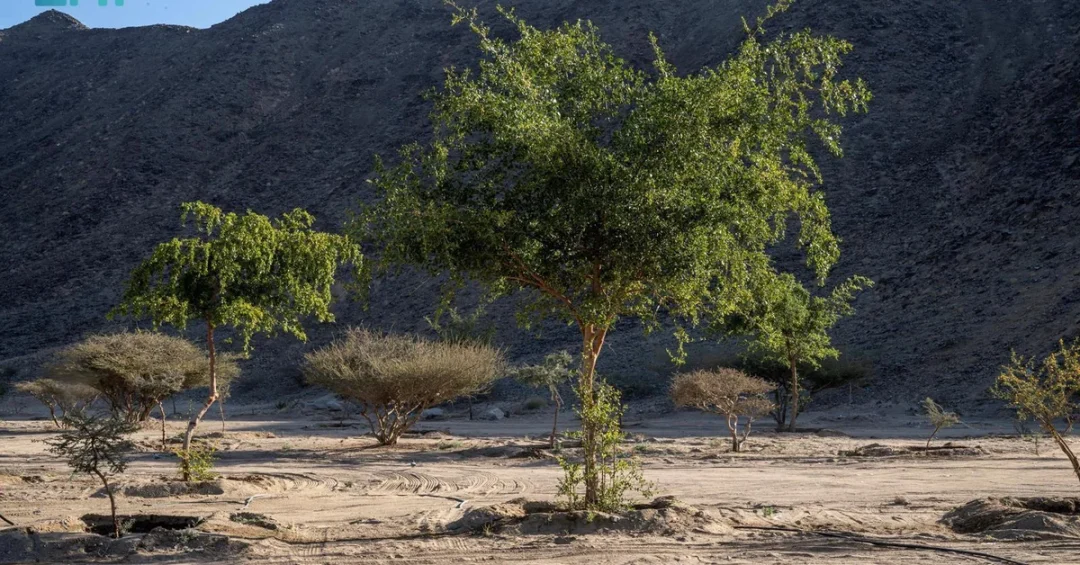
The Sidr tree, deeply rooted in the history and landscape of Najran, stands as a symbol of greenery, beauty, and resilience, playing a vital role in the region’s life and identity, according to a report released by the Saudi Press Agency (SPA). Beyond providing essential resources such as oxygen, shelter, food, and medicine, the Sidr’s significance extends to cultural and social aspects deeply woven into the memory of local inhabitants. Historically, its ample shade fostered joy, gatherings, poetry, and learning, making it an enduring landmark cherished by nature lovers. Have you ever considered how a single tree species can shape the cultural and environmental fabric of an entire region?
In Najran, located in the southwestern part of the Kingdom of Saudi Arabia, the Sidr tree is more than just vegetation; it is a living testament to the region’s heritage and a cornerstone of its ecosystem. The tree’s presence is so pervasive that it has become synonymous with the area’s identity, offering shade, sustenance, and a sense of continuity across generations. As Saudi Arabia advances its ambitious Vision 2030 goals, the preservation and cultivation of such native species play a crucial role in environmental sustainability and cultural preservation. The SPA report underscores the tree’s multifaceted importance, from ecological benefits to its deep-rooted social significance, reflecting the Kingdom’s commitment to safeguarding its natural heritage.
Context and Background
What makes the Sidr tree so uniquely suited to Najran’s environment? The Sidr, known scientifically as Ziziphus spina-christi, is an evergreen tree that thrives in arid and semi-arid climates, making it perfectly adapted to the Arabian Peninsula. According to Majid Al Salem, Director of the Najran branch of the National Center for Vegetation Cover Development and Combating Desertification, the Sidr tree is characterized by its large branches that offer significant shade, blooming twice yearly and producing sweet-tasting fruits. These attributes allow it to flourish in Najran’s diverse topography, including its mountains, valleys, and villages, where it serves as a vital source of food and shelter for both wildlife and humans.
The tree’s resilience is a key factor in its enduring presence. It requires minimal water, making it ideal for regions facing water scarcity, and its thorny nature provides natural protection against grazing animals. Over centuries, the Sidr has been integral to local agriculture, used for farming, irrigation, and traditional medicine. Its fruits and leaves have been utilized in beautification products such as henna, highlighting its versatility. The SPA report notes that the Sidr’s historical role extends to building roofs and crafting household items, demonstrating its practical value in daily life. This deep integration into the local culture explains why the tree is revered not just as a plant, but as a heritage symbol.
In recent years, the Kingdom has intensified efforts to combat desertification and promote vegetation cover, with the Sidr tree at the forefront of these initiatives. The National Center for Vegetation Cover Development and Combating Desertification has been instrumental in these efforts, working to preserve native species and restore degraded lands. The center’s work aligns with the Saudi Green Initiative, a cornerstone of Vision 2030, which aims to plant 10 billion trees across the Kingdom and increase green cover. By focusing on indigenous trees like the Sidr, these programs ensure that reforestation efforts are sustainable and culturally appropriate, leveraging local knowledge and natural adaptations.
Key Details
How are local organizations contributing to the Sidr’s proliferation? The Najran Association Green, led by Chairman Rafaan Al Amer, has been actively promoting vegetation cover and combating desertification through the planting of Sidr trees. Al Amer emphasized the tree’s value as a well-adapted, fast-growing, and low-water-consuming species. Over the past two years, the association has planted over 45,000 Sidr trees, with plans to plant another 15,000 in 2025. This ambitious target reflects the association’s commitment to expanding green spaces and enhancing the region’s environmental resilience. The association’s work is not only about planting trees but also about fostering a culture of environmental stewardship among local communities.
Al Amer also stressed the Sidr tree’s significant heritage in Saudi Arabia, particularly in Najran. The thorny tree has been historically crucial for building roofs, crafting household items, farming, irrigation, and traditional medicine. Its fruits and leaves were used for beautification products such as henna. This multifaceted utility has cemented the Sidr’s place in the collective memory of the region. The association’s planting initiatives are therefore not just ecological but also cultural, preserving a living link to the past while building a sustainable future. The involvement of local communities in these efforts ensures that the tree’s legacy continues to thrive.
The SPA report highlights that the Sidr’s shade has historically fostered joy, gatherings, poetry, and learning. In a region where temperatures can soar, the tree’s canopy provides a natural meeting place, encouraging social interaction and cultural expression. This social dimension is often overlooked in discussions of environmental conservation, yet it is central to the Sidr’s importance. By planting more Sidr trees, the Najran Association Green is not only enhancing the landscape but also nurturing community bonds and cultural continuity. The tree’s ability to bloom twice yearly and produce sweet fruits adds to its appeal, offering seasonal delights that bring people together.
International and Regional Impact
What does the Sidr’s success in Najran mean for broader regional environmental efforts? The Kingdom’s focus on native species like the Sidr serves as a model for other countries in the Middle East and North Africa facing similar challenges of desertification and water scarcity. The Saudi Green Initiative and the Middle East Green Initiative, both launched by Crown Prince Mohammed bin Salman, aim to plant billions of trees across the region, and the Sidr’s proven adaptability makes it a prime candidate for these large-scale projects. By sharing knowledge and best practices, Saudi Arabia is positioning itself as a leader in sustainable development and environmental diplomacy.
Regionally, the Sidr tree is found in various parts of the Arabian Peninsula and the Levant, but its cultural significance is particularly pronounced in Najran. The tree’s ability to thrive in harsh conditions without depleting water resources aligns with the region’s need for climate-resilient agriculture. As countries in the region seek to diversify their economies and reduce dependence on oil, investments in green technologies and sustainable land management become increasingly important. The Sidr’s multiple uses—from food to medicine to handicrafts—demonstrate how natural resources can be harnessed sustainably to support local livelihoods and economies.
Economic and Strategic Significance
How does the Sidr tree contribute to Saudi Arabia’s economic diversification? Beyond its environmental and cultural value, the Sidr has economic potential that aligns with Vision 2030’s goal of a diversified economy. The tree’s fruits, known as Sidr honey, are highly prized and command premium prices in local and international markets. Sidr honey is renowned for its medicinal properties and unique taste, making it a valuable export commodity. Additionally, the tree’s leaves and fruits are used in cosmetics and traditional medicine, creating opportunities for small businesses and entrepreneurs in Najran and beyond.
The planting of 45,000 Sidr trees by the Najran Association Green represents a significant investment in natural capital. These trees will not only provide environmental benefits but also generate economic returns through honey production, fruit harvesting, and other uses. As the trees mature, they will contribute to the local economy by creating jobs in agriculture, beekeeping, and processing. This aligns with Vision 2030’s emphasis on empowering local communities and fostering sustainable development. The strategic location of Najran, near the border with Yemen, also makes it a gateway for trade, and the Sidr’s products could find markets across the region.
Vision 2030 Alignment
In what ways does the Sidr tree embody the spirit of Vision 2030? The tree’s resilience, adaptability, and cultural significance mirror the Kingdom’s own journey of transformation and modernization while preserving its heritage. The Saudi Green Initiative, a key component of Vision 2030, aims to plant 10 billion trees and restore 40 million hectares of degraded land. The Sidr tree, with its low water consumption and fast growth, is an ideal species for achieving these targets. By investing in native trees, Saudi Arabia is not only enhancing its environment but also creating green jobs, promoting eco-tourism, and strengthening food security.
Furthermore, the preservation of the Sidr tree supports the cultural objectives of Vision 2030, which seeks to celebrate and protect Saudi Arabia’s rich heritage. The tree’s historical role in poetry, gatherings, and traditional medicine is a testament to the deep connection between the people of Najran and their environment. As the Kingdom opens up to the world through initiatives like Vision 2030, showcasing such natural and cultural treasures can attract tourists and researchers, further diversifying the economy. The Sidr tree thus stands as a symbol of Saudi Arabia’s past, present, and future—a living example of how tradition and modernity can coexist harmoniously.
20 Questions
Q1. What is the significance of the Sidr tree in Najran?
A1. The Sidr tree is deeply rooted in Najran’s history and landscape, symbolizing greenery, beauty, and resilience. It provides essential resources like oxygen, shelter, food, and medicine, and its shade has historically fostered social gatherings, poetry, and learning, making it a cherished cultural landmark.
Q2. Who is Majid Al Salem?
A2. Majid Al Salem is the Director of the Najran branch of the National Center for Vegetation Cover Development and Combating Desertification. He described the Sidr tree as an evergreen with large branches, blooming twice yearly and producing sweet fruits, thriving in Najran’s mountains, valleys, and villages.
Q3. What is the Najran Association Green?
A3. The Najran Association Green is a local organization chaired by Rafaan Al Amer. It promotes vegetation cover and combats desertification by planting Sidr trees. Over the past two years, it has planted over 45,000 Sidr trees, with plans for another 15,000 in 2025.
Q4. How many Sidr trees has the Najran Association Green planted?
A4. The association has planted over 45,000 Sidr trees in the past two years. This effort is part of a broader initiative to enhance vegetation cover and combat desertification in the Najran region, with an additional 15,000 trees planned for 2025.
Q5. What are the characteristics of the Sidr tree?
A5. The Sidr tree is an evergreen with large branches that offer significant shade. It blooms twice yearly, produces sweet-tasting fruits, and is well-adapted to arid climates, requiring low water. Its thorny nature protects it from grazing animals.
Q6. What are the historical uses of the Sidr tree?
A6. Historically, the Sidr tree has been crucial for building roofs, crafting household items, farming, irrigation, and traditional medicine. Its fruits and leaves were used for beautification products such as henna, demonstrating its versatility and deep integration into local culture.
Q7. How does the Sidr tree contribute to combating desertification?
A7. The Sidr tree is fast-growing and low-water-consuming, making it ideal for combating desertification. Its deep roots help stabilize soil, and its canopy provides shade that reduces evaporation, thereby supporting other vegetation and improving soil health in arid regions.
Q8. What is the cultural significance of the Sidr tree in Najran?
A8. The Sidr tree’s ample shade has historically fostered joy, gatherings, poetry, and learning. It is woven into the memory of local inhabitants, serving as a meeting place and a source of inspiration for cultural expression, making it an enduring landmark cherished by nature lovers.
Q9. How does the Sidr tree align with Saudi Vision 2030?
A9. The Sidr tree aligns with Vision 2030 through the Saudi Green Initiative, which aims to plant 10 billion trees and restore degraded land. Its low water consumption and fast growth make it ideal for achieving these environmental targets while also supporting cultural preservation and economic diversification.
Q10. What economic benefits does the Sidr tree provide?
A10. The Sidr tree produces highly prized Sidr honey, which commands premium prices in local and international markets. Its fruits and leaves are used in cosmetics and traditional medicine, creating opportunities for small businesses and contributing to economic diversification in line with Vision 2030.
Q11. Where does the Sidr tree grow in Najran?
A11. The Sidr tree thrives in Najran’s mountains, valleys, and villages. Its adaptability to different terrains and climates allows it to flourish across the region, providing shade, food, and resources to local communities and wildlife.
Q12. What is the role of the National Center for Vegetation Cover Development and Combating Desertification?
A12. The center works to preserve native species, restore degraded lands, and promote vegetation cover. Its Najran branch, led by Majid Al Salem, focuses on trees like the Sidr, which are well-suited to the local environment and support the goals of the Saudi Green Initiative.
Q13. How does the Sidr tree support local communities?
A13. The Sidr tree provides shade, food, medicine, and materials for crafts. Its cultivation creates jobs in agriculture, beekeeping, and processing. It also serves as a cultural symbol, fostering social cohesion and preserving heritage, thereby supporting both economic and social aspects of community life.
Q14. What is Sidr honey and why is it valuable?
A14. Sidr honey is produced from the nectar of Sidr tree flowers. It is renowned for its unique taste and medicinal properties, making it highly sought after in local and international markets. Its premium price provides economic incentives for beekeepers and supports rural livelihoods.
Q15. How does the Sidr tree contribute to biodiversity?
A15. The Sidr tree provides habitat and food for various species, including birds, insects, and mammals. Its flowers attract pollinators like bees, supporting ecosystem health. By planting Sidr trees, the Najran Association Green enhances biodiversity and ecological balance in the region.
Q16. What are the plans for Sidr tree planting in 2025?
A16. The Najran Association Green plans to plant an additional 15,000 Sidr trees in 2025. This expansion will further increase vegetation cover, combat desertification, and enhance the environmental and economic benefits associated with the tree.
Q17. How does the Sidr tree reflect Saudi Arabia’s environmental leadership?
A17. The Sidr tree exemplifies Saudi Arabia’s commitment to environmental sustainability through initiatives like the Saudi Green Initiative. By promoting native species, the Kingdom demonstrates leadership in combating desertification and climate change, setting an example for the region and the world.
Q18. What traditional products are made from the Sidr tree?
A18. Traditional products from the Sidr tree include henna from its leaves, furniture and roofs from its wood, and medicine from its fruits and leaves. These products highlight the tree’s versatility and its historical role in supporting local livelihoods and culture.
Q19. How can the Sidr tree attract tourism to Najran?
A19. The Sidr tree’s cultural and natural significance can attract eco-tourists and researchers interested in heritage and sustainability. As Vision 2030 promotes tourism, showcasing the Sidr’s role in Najran’s identity can create unique travel experiences and support the local economy.
Q20. What is the future outlook for the Sidr tree in Saudi Arabia?
A20. The future looks promising as national and local initiatives continue to plant and protect Sidr trees. With ongoing support from entities like the National Center for Vegetation Cover Development and Combating Desertification and the Najran Association Green, the Sidr will remain a symbol of resilience and heritage for generations.
Reader Feedback
We value your thoughts. Please share your feedback on this article.
Your feedback helps us improve our coverage.