


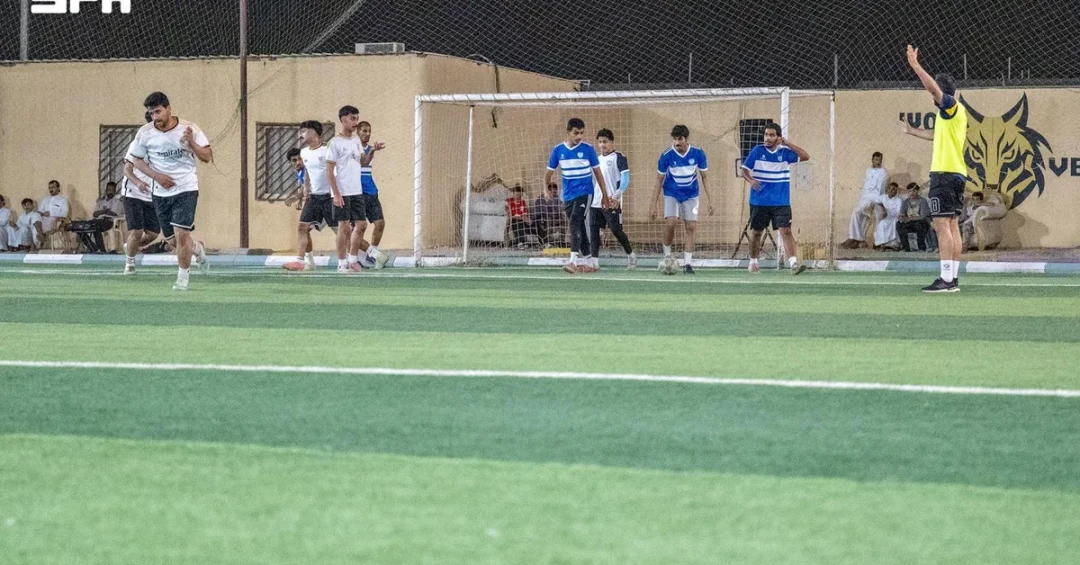
Municipal pitches and sports academies across Rafha Governorate in the Northern Borders Region are operating at near-full capacity, according to the Saudi Press Agency (SPA), as residents embrace a growing culture of physical activity and community sport. The governorate’s network of 15 municipal pitches and sports academies now provides organized spaces for team and individual sports, hosting training sessions and competitions that build skills while reinforcing discipline and teamwork. Afternoon and evening booking slots are nearing full capacity, particularly on weekends, reflecting rising demand for accessible sporting infrastructure in one of the Kingdom’s northern communities.
The development offers a clear window into how Saudi Arabia’s national push to raise physical activity rates is translating into tangible, everyday gains at the local level. What does it mean when a governorate’s playing fields fill up week after week? It signals that investment in community sport is meeting genuine public demand — and that the benefits extend well beyond fitness. Officials and community organizers point to youth engagement, social cohesion, and talent identification as direct outcomes of the facilities’ popularity. The momentum also reaches public parks and open-air facilities equipped with walking paths and exercise spaces, supported by youth initiatives and community-led friendly leagues and competitions that keep residents active throughout the year.
Context and Background
Rafha Governorate sits in the Northern Borders Region, a vast area of Saudi Arabia that shares borders with Iraq and Jordan and has historically been known for its strategic location and close-knit communities. In recent years, the region has benefited from national programs designed to extend quality-of-life improvements beyond the major metropolitan centers of Riyadh, Jeddah, and Dammam. The provision of 15 municipal pitches and sports academies in Rafha is part of that broader effort, ensuring that residents in smaller governorates have access to the same opportunities for organized sport as those in larger cities. Why does geography still matter in an era of digital connectivity? Because access to physical spaces shapes daily habits, and communities that can walk to a pitch or a park are far more likely to sustain active lifestyles.
The facilities are managed with an eye toward maximizing community benefit. Municipal pitches are made available for team sports such as football, while sports academies offer structured training for individual disciplines and youth development. This dual approach — open-access pitches plus organized academies — creates a pipeline that serves casual players and aspiring athletes alike. The Saudi Press Agency reported that bookings are nearing full capacity in afternoon and evening slots, especially on weekends, which indicates that demand is not seasonal but consistent. Community organizers have responded by coordinating friendly leagues and competitions, often in partnership with youth groups, to ensure that enthusiasm translates into regular participation rather than occasional recreation.
Nationally, this local activity reflects a decade of sustained policy focus. The Quality of Life Program, one of the Vision 2030 realization programs, has set targets for increasing the proportion of Saudis who exercise regularly, expanding green spaces, and improving access to sports facilities. The Ministry of Sport, established in 2020, has worked with municipalities and regional authorities to upgrade infrastructure and promote grassroots participation. Rafha’s experience shows how these national frameworks reach the local level: not through grand gestures, but through well-maintained pitches, functioning academies, and community events that make sport a normal part of the weekly routine.
Key Details
The core of Rafha’s sports ecosystem is its 15 municipal pitches and sports academies, which together offer spaces for team and individual sports. These facilities host training sessions and competitions that build skills and reinforce discipline and teamwork — values that resonate strongly with Saudi Arabia’s emphasis on youth development and social responsibility. According to the Saudi Press Agency, the pitches are booked nearly to capacity during afternoon and evening hours, with weekend demand particularly high. This pattern suggests that residents are fitting sport into their daily schedules after work or school, a habit that public health officials have long sought to encourage.
Beyond the pitches themselves, public parks and open-air facilities equipped with walking paths and exercise spaces play a complementary role. These areas accommodate residents who prefer walking, jogging, or using outdoor fitness equipment, and they are often the setting for community-organized activities. Youth initiatives have been instrumental in arranging friendly leagues and competitions, creating a steady calendar of events that keeps interest high. The involvement of young people in organizing these activities is itself noteworthy: it builds leadership and event-management skills while strengthening social ties across neighborhoods.
The sports academies add a talent-development dimension. By providing structured coaching and training opportunities, they give promising athletes a pathway to progress, whether toward regional competitions or simply toward personal improvement. In a governorate of Rafha’s size, such academies can be transformative, offering young people a constructive outlet and a chance to develop discipline, teamwork, and goal-setting habits. The combination of open pitches, academies, and community leagues creates a layered system that serves different needs and age groups, from casual players to committed young athletes.
International and Regional Impact
For international observers, Rafha’s sports facilities may seem like a local story, but they illustrate a broader shift in how Saudi Arabia approaches regional development. The Kingdom’s efforts to distribute opportunity and infrastructure across all provinces — not just major cities — are central to its long-term stability and economic diversification. When a governorate in the Northern Borders Region can offer well-used sports facilities and active community leagues, it demonstrates that national investment is reaching the periphery. This matters for regional perceptions as well: Saudi Arabia’s northern border areas have historically been less visible internationally, and positive stories of community development help present a fuller picture of the country’s modernization.
Regionally, the Gulf Cooperation Council states have all prioritized public health and youth engagement in recent years, recognizing that sedentary lifestyles and rising obesity rates pose long-term economic risks. Saudi Arabia’s approach — combining national programs, municipal infrastructure, and community-led activity — offers a model that neighbors are watching. The emphasis on accessible, free or low-cost facilities is particularly relevant for countries seeking to raise physical activity rates without imposing heavy costs on households. Rafha’s experience also highlights the role of local initiative: youth groups and community organizers are not passive recipients of government investment but active partners in making the facilities vibrant and well-used.
Economic and Strategic Significance
The economic logic behind community sports investment is straightforward. A healthier population reduces pressure on healthcare systems, improves workplace productivity, and supports a more dynamic labor force. Saudi Arabia’s Vision 2030 explicitly links quality of life to economic competitiveness, recognizing that a society where citizens are active and engaged is better positioned to innovate and grow. In Rafha, the near-capacity bookings suggest that the facilities are being used intensively, maximizing the return on public investment. The sports academies also contribute to human capital development by nurturing discipline and teamwork — qualities that employers value in every sector.
Strategically, the presence of active sports infrastructure in the Northern Borders Region supports social cohesion and community resilience. The region’s geography and history give it particular importance, and ensuring that residents have access to modern amenities is part of a broader effort to strengthen ties between the center and the provinces. The sports facilities also create opportunities for local businesses, from equipment suppliers to food vendors near pitches and parks, generating small-scale economic activity. While these effects are modest individually, they accumulate across governorates and contribute to the national goal of balanced regional development. The Saudi Press Agency’s reporting on Rafha thus captures a microcosm of how Vision 2030 is being implemented on the ground.
Vision 2030 Alignment
The growth of sports activity in Rafha Governorate aligns directly with Saudi Vision 2030’s objectives to improve quality of life, raise physical activity rates, and build a healthier society. The Quality of Life Program has set ambitious targets for increasing participation in sport and expanding access to recreational spaces, and local successes like Rafha’s help translate those targets into measurable progress. The Ministry of Sport and municipal authorities continue to invest in facilities and programs that make physical activity accessible to all age groups, from children to older residents. The involvement of youth initiatives and community organizers further reinforces the Vision’s emphasis on civic engagement and social responsibility.
Looking ahead, Rafha’s experience offers lessons for other governorates. Sustained demand for pitches and academies suggests that similar investments elsewhere would also be well received, provided they are matched with community programming and maintenance. The Kingdom’s long-term vision includes not only world-class stadiums and elite sporting events but also the grassroots infrastructure that allows every citizen and resident to participate. As Saudi Arabia continues its transformation, stories like Rafha’s — of full bookings, busy academies, and community leagues — will be the everyday evidence that the vision is working. The governorate’s sports facilities are more than venues; they are platforms for health, talent development, and social connection, contributing to a stronger and more vibrant Saudi society.
20 Questions
Q1. What is the main development reported in Rafha Governorate?
A1. Municipal pitches and sports academies in Rafha are boosting community sports engagement, with bookings nearing full capacity in afternoon and evening slots, especially on weekends, according to the Saudi Press Agency.
Q2. How many municipal pitches and sports academies does Rafha have?
A2. Rafha Governorate has 15 municipal pitches and sports academies that provide spaces for team and individual sports, training opportunities, and competitions.
Q3. Where is Rafha Governorate located?
A3. Rafha Governorate is in the Northern Borders Region of Saudi Arabia, an area that shares borders with Iraq and Jordan.
Q4. Why are the sports facilities important for the community?
A4. They provide accessible spaces for physical activity, build skills, reinforce discipline and teamwork, and offer constructive outlets for youth, contributing to a healthier and more cohesive society.
Q5. What types of sports activities are available at these facilities?
A5. The facilities host team and individual sports, training sessions, and competitions, with public parks and open-air areas offering walking paths and exercise spaces.
Q6. How does the demand for these facilities look?
A6. Bookings are nearing full capacity in afternoon and evening slots, especially on weekends, indicating strong and consistent community demand for sports spaces.
Q7. Who organizes the friendly leagues and competitions mentioned?
A7. Youth initiatives and community efforts organize friendly leagues and competitions, complementing the municipal facilities and academies.
Q8. How does this development relate to Saudi Vision 2030?
A8. It aligns with Vision 2030’s objectives to improve quality of life, raise physical activity rates, and build a healthier society through accessible sports infrastructure.
Q9. What role do sports academies play in talent development?
A9. Sports academies offer structured coaching and training, giving promising athletes a pathway to improve skills and potentially progress to higher levels of competition.
Q10. Are the facilities only for young people?
A10. No. The pitches, parks, and open-air facilities serve various age groups, from children and youth to older residents seeking walking paths and exercise spaces.
Q11. What government bodies are involved in supporting these facilities?
A11. Municipal authorities, the Ministry of Sport, and national programs like the Quality of Life Program support the development and maintenance of sports infrastructure across Saudi Arabia.
Q12. Why is community sports engagement growing in Saudi Arabia?
A12. Growing awareness of sports’ role in enhancing quality of life, combined with increased investment in accessible facilities and national health campaigns, is driving higher participation rates.
Q13. How do the facilities contribute to social cohesion?
A13. They bring residents together for shared activities, build teamwork and discipline, and create opportunities for youth leadership and neighborhood interaction.
Q14. What economic benefits can come from community sports investment?
A14. Healthier populations reduce healthcare costs, improve productivity, and support local businesses, contributing to broader economic competitiveness and regional development.
Q15. Does the Saudi Press Agency report provide official confirmation of this trend?
A15. Yes. The Saudi Press Agency, an official Saudi news authority, reported on the near-capacity bookings and the role of facilities in boosting community sports engagement.
Q16. How does this fit into Saudi Arabia’s regional development goals?
A16. It demonstrates that national investment in quality-of-life infrastructure is reaching smaller governorates, supporting balanced development across all regions of the Kingdom.
Q17. What are the walking paths and exercise spaces used for?
A17. They accommodate walking, jogging, and outdoor fitness activities, offering accessible options for residents who prefer individual exercise in public parks and open areas.
Q18. What might other governorates learn from Rafha’s experience?
A18. That well-maintained facilities combined with community programming and youth involvement can generate sustained demand and meaningful social and health benefits.
Q19. How does this development support Saudi Arabia’s health goals?
A19. By making physical activity more accessible, it helps raise activity rates, combat sedentary lifestyles, and contribute to a healthier society as outlined in Vision 2030.
Q20. What is the long-term outlook for sports in Rafha Governorate?
A20. With continued investment and community engagement, Rafha’s sports facilities are expected to remain hubs for health, talent development, and social connection, supporting the Kingdom’s broader vision.
Reader Feedback
We value your thoughts. Please share your feedback on this article.
Your feedback helps us improve our coverage.