


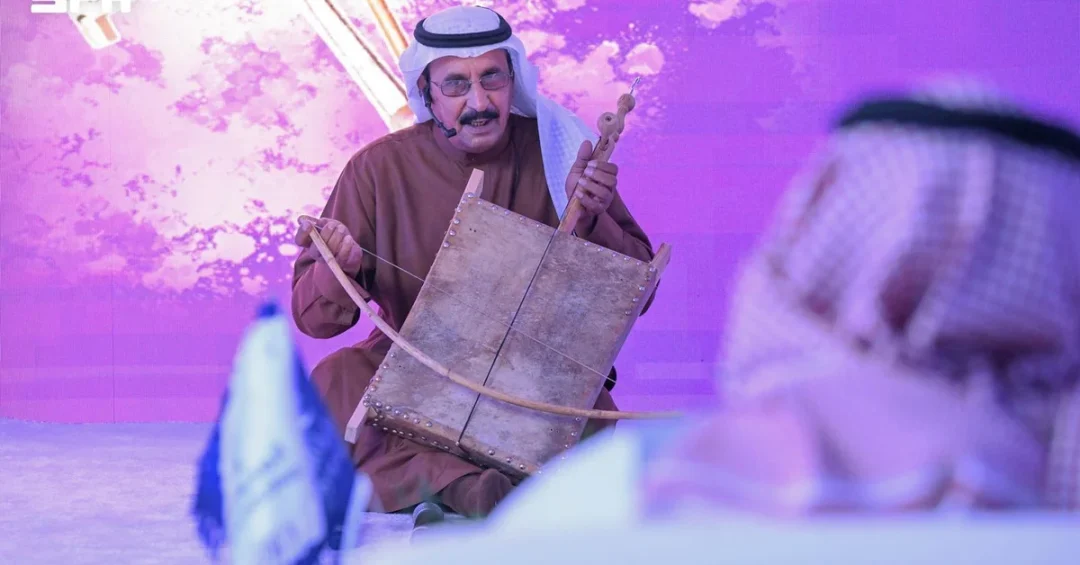
The dahha, a traditional group dance and chant, and the haunting melodies of the rababa, a single-string Bedouin fiddle, stand at the heart of the cultural memory of Saudi Arabia’s Northern Borders Region, with their vocabulary, musical motifs, and performance styles deeply woven into local social life, the Saudi Press Agency (SPA) reported on October 27, 2026. As communities across the Kingdom and around the world mark the World Day for Audiovisual Heritage, the occasion underscores the importance of documenting such art forms on audio and video so that their distinct features are preserved for future generations. The annual observance, held every October 27, highlights the urgent need to protect historical audio and video materials from deterioration or loss.
In the Northern Borders Region, the dahha and the rababa are more than performances; they are living archives of Bedouin identity, carrying the values, history, and poetic traditions of generations. Long before modern recording technology, these arts were passed down in the region’s social gatherings through practice, listening, and participation. Today, as Saudi Arabia accelerates its cultural preservation efforts under Vision 2030, the World Day for Audiovisual Heritage serves as a timely reminder that these intangible treasures must be captured on record before they fade. What makes this moment so significant for the Kingdom’s cultural landscape?
Context and Background
The dahha, one of the region’s most prominent folk arts, is performed collectively, with verses chanted in synchronized rhythms and accompanied by distinctive movements. Long linked to social occasions and public celebrations, it has been passed down through generations, with each performance reinforcing communal bonds and collective memory. The dance typically involves lines of performers moving in coordinated steps, their voices rising together in a powerful display of unity and heritage. In the Northern Borders Region, the dahha is not merely entertainment; it is a ritual of belonging, a way for communities to reaffirm their shared identity and celebrate their roots.
The rababa, meanwhile, is synonymous with Bedouin gatherings and the recitation of Nabati poetry. Its melodies have long accompanied verses on chivalry, generosity, nostalgia, and the desert, becoming part of the community’s evening gatherings and oral storytelling. The single-string fiddle, with its plaintive and evocative sound, provides a musical backdrop for poets who recite verses that capture the essence of desert life, its hardships, and its beauties. Recordings of rababa players preserve melodies, performance and singing techniques, narrators’ voices, and vocabulary and imagery that reflect desert life. How can a single string carry the weight of an entire culture’s memory?
The World Day for Audiovisual Heritage, marked annually on October 27, was established by UNESCO to raise awareness of the importance of audiovisual documents and to encourage their preservation. In Saudi Arabia, this day resonates deeply, as the Kingdom works to safeguard its rich cultural heritage while embracing modernization. The Northern Borders Region, with its unique blend of Bedouin traditions and Saudi identity, exemplifies the importance of this mission. The region’s folk arts are not relics of the past but living traditions that continue to shape social life and community cohesion.
Preserving the Dahha Through Audiovisual Documentation
Video captures what written records cannot: the formation of the performers’ lines, the sequence of chants, the participants’ movements, and how they interact. It also preserves the chants themselves, with their local vocabulary and varied styles. For the dahha, the visual dimension is crucial; the dance’s power lies in the collective movement, the rhythmic coordination, and the visual spectacle of many voices and bodies moving as one. A written description can only go so far in conveying the energy and emotion of a live performance. Audiovisual recording, however, can bring the dahha to life for future generations, allowing them to see and hear the art form as it was meant to be experienced.
Moreover, digitized and cataloged audiovisual materials become available for cultural and historical research and documentary production. This facilitates a deeper understanding of the region’s folk memory and provides resources for scholars, filmmakers, and cultural institutions. By investing in the documentation of the dahha, Saudi Arabia ensures that this art form can be studied, taught, and celebrated for years to come. The preservation of such traditions aligns with the Kingdom’s broader efforts to protect its cultural heritage, as outlined in Vision 2030, which emphasizes the importance of culture as a pillar of national identity and economic diversification.
What role do local communities play in this preservation effort? In the Northern Borders Region, the transmission of the dahha has always been a community affair. Elders teach the young, and participation in performances is a rite of passage. Audiovisual documentation does not replace this living tradition; rather, it complements it, providing a permanent record that can support and enhance community-based transmission. The recordings serve as a reference for younger generations who may be less familiar with the nuances of the art, ensuring that the dahha continues to thrive.
The Rababa: A Voice of the Desert
The rababa’s melodies are intimately tied to the desert environment and the Bedouin way of life. Its sound evokes the vastness of the desert, the solitude of the traveler, and the warmth of the campfire gathering. Poets who recite Nabati poetry often rely on the rababa to set the mood and enhance the emotional impact of their verses. The instrument’s simplicity—a single string played with a bow—belies its expressive range. A skilled rababa player can produce a wide array of tones and emotions, from joy to sorrow, from longing to triumph. Recordings of these performances capture not only the music but also the cultural context in which it is embedded.
Why is it so important to record the rababa now? As modernization transforms the region, the contexts in which the rababa is played are changing. While the instrument remains popular, the traditional settings of evening gatherings and oral storytelling are evolving. By recording master players and their repertoires, Saudi Arabia can ensure that the techniques, melodies, and poetic traditions associated with the rababa are preserved for future musicians and audiences. These recordings also serve as a valuable resource for ethnomusicologists and historians, offering insights into the region’s cultural history.
The rababa’s connection to Nabati poetry is particularly significant. Nabati poetry is a form of vernacular Arabic poetry that has been passed down orally for centuries. It often deals with themes of love, heroism, and the desert. The rababa provides a musical accompaniment that enhances the poetry’s emotional resonance. By recording both the music and the poetry, Saudi Arabia preserves a holistic view of this art form, ensuring that both the sound and the words are safeguarded. This comprehensive approach to documentation is essential for capturing the full richness of Bedouin culture.
International and Regional Impact
The preservation of audiovisual heritage is a global concern, and Saudi Arabia’s efforts in the Northern Borders Region contribute to the worldwide movement to safeguard intangible cultural heritage. UNESCO’s World Day for Audiovisual Heritage highlights the vulnerability of audiovisual materials, which can be lost due to technological obsolescence, physical deterioration, and neglect. By documenting its folk arts, Saudi Arabia is not only preserving its own heritage but also contributing to the global mosaic of cultural diversity. The Kingdom’s commitment to cultural preservation aligns with international best practices and reinforces its role as a responsible steward of heritage.
Regionally, the documentation of the dahha and rababa can foster cultural exchange and mutual understanding among Gulf countries and the broader Arab world. These art forms are part of a shared Bedouin heritage that transcends national borders. By making recordings accessible to researchers and the public, Saudi Arabia can facilitate collaborative projects and educational initiatives that celebrate the region’s common cultural legacy. Moreover, the digitization of these materials positions the Kingdom as a leader in cultural preservation technology and methodology.
Economic and Strategic Significance
Beyond cultural value, the preservation of audiovisual heritage has economic and strategic significance. Cultural tourism is a growing sector in Saudi Arabia, and the documentation of folk arts can enhance the visitor experience by providing authentic, immersive content. The Northern Borders Region, with its rich traditions, has the potential to attract tourists interested in cultural heritage. Audiovisual records can be used in museums, exhibitions, and digital platforms, creating new opportunities for storytelling and engagement.
Furthermore, the digital archiving of cultural materials supports the knowledge economy and creates jobs in fields such as digital media, archiving, and cultural management. Vision 2030 aims to diversify the economy and promote cultural industries, and the preservation of heritage is a key component of this strategy. By investing in the documentation of the dahha and rababa, Saudi Arabia is investing in its cultural capital, which in turn contributes to national pride and social cohesion.
Vision 2030 Alignment
The preservation of the dahha and rababa traditions is a clear reflection of Vision 2030’s cultural objectives. The Vision emphasizes the importance of preserving Saudi Arabia’s cultural heritage and promoting it both domestically and internationally. The Ministry of Culture, established in 2018, has been at the forefront of these efforts, launching initiatives to document and celebrate the Kingdom’s diverse cultural expressions. The World Day for Audiovisual Heritage provides an opportunity to highlight these ongoing efforts and to reaffirm the Kingdom’s commitment to safeguarding its intangible heritage.
As Saudi Arabia continues its journey of transformation, the preservation of folk arts like the dahha and rababa ensures that the Kingdom’s cultural roots remain strong. These traditions are not merely relics of the past; they are living expressions of identity that continue to inspire and unite communities. By documenting them on audio and video, Saudi Arabia is securing a vital part of its heritage for future generations, ensuring that the voices and melodies of the desert will echo for years to come. What greater legacy could a nation bestow upon its children than the gift of their own history, alive and resonating?
20 Questions
Q1. What is the dahha?
A1. The dahha is a traditional group dance and chant performed collectively, with synchronized rhythms and movements, and is a prominent folk art in Saudi Arabia’s Northern Borders Region.
Q2. What is the rababa?
A2. The rababa is a single-string Bedouin fiddle synonymous with Bedouin gatherings and the recitation of Nabati poetry, known for its evocative melodies and connection to desert life.
Q3. Why is the World Day for Audiovisual Heritage significant for these traditions?
A3. It underscores the importance of documenting such art forms on audio and video to preserve their distinct features for future generations and protect them from deterioration.
Q4. How are the dahha and rababa traditionally passed down?
A4. Long before modern recording, they were passed down through the region’s social gatherings via practice, listening, and participation, with elders teaching younger generations.
Q5. What does video capture that written records cannot?
A5. Video captures the formation of performers’ lines, the sequence of chants, participants’ movements, and their interactions, as well as the chants’ local vocabulary and styles.
Q6. What does recording rababa players preserve?
A6. Recordings preserve melodies, performance and singing techniques, narrators’ voices, and vocabulary and imagery that reflect desert life.
Q7. How does the World Day for Audiovisual Heritage help protect historical materials?
A7. It highlights the importance of protecting historical audio and video materials from deterioration or loss, and encourages digitization and cataloging for research and documentary production.
Q8. What themes does Nabati poetry often address?
A8. Nabati poetry addresses themes of chivalry, generosity, nostalgia, and the desert, often accompanied by the rababa during evening gatherings.
Q9. Why is the Northern Borders Region important for Saudi cultural heritage?
A9. It is home to rich Bedouin traditions like the dahha and rababa, which are deeply woven into local social life and represent a living cultural memory.
Q10. How does audiovisual documentation support cultural research?
A10. Digitized and cataloged materials become available for cultural and historical research and documentary production, helping safeguard folk memory.
Q11. What role does the Ministry of Culture play in preserving these arts?
A11. The Ministry of Culture leads efforts to document and celebrate Saudi Arabia’s diverse cultural expressions, aligning with Vision 2030’s cultural objectives.
Q12. How does the dahha reinforce community bonds?
A12. The dahha is performed collectively, with synchronized chants and movements, reinforcing communal ties and collective identity during social occasions and celebrations.
Q13. What is the connection between the rababa and desert life?
A13. The rababa’s melodies evoke the desert environment and Bedouin way of life, accompanying verses that reflect the hardships and beauty of desert living.
Q14. Why is it important to record the rababa now?
A14. As modernization changes traditional contexts, recording master players ensures techniques, melodies, and poetic traditions are preserved for future generations.
Q15. How does the preservation of these arts align with Vision 2030?
A15. Vision 2030 emphasizes cultural heritage preservation as a pillar of national identity and economic diversification, supporting cultural industries and tourism.
Q16. What economic benefits can come from documenting folk arts?
A16. It can enhance cultural tourism, support the knowledge economy, create jobs in digital media and archiving, and contribute to national pride and social cohesion.
Q17. How can international audiences engage with these traditions?
A17. Through digitized recordings available for research, exhibitions, and digital platforms, international audiences can learn about and appreciate Saudi Arabia’s Bedouin heritage.
Q18. What makes the dahha a living tradition rather than a relic?
A18. The dahha continues to be performed at social occasions, with active participation from communities, ensuring its ongoing relevance and transmission.
Q19. What does the single string of the rababa symbolize?
A19. The single string, though simple, produces a wide range of expressive tones, symbolizing the depth and resilience of Bedouin culture and its oral traditions.
Q20. How does Saudi Arabia ensure the long-term preservation of its audiovisual heritage?
A20. Through digitization, cataloging, and institutional support from entities like the Ministry of Culture, Saudi Arabia makes these materials accessible for research and education, safeguarding them for the future.
Reader Feedback
We value your thoughts. Please share your feedback on this article.
Your feedback helps us improve our coverage.