


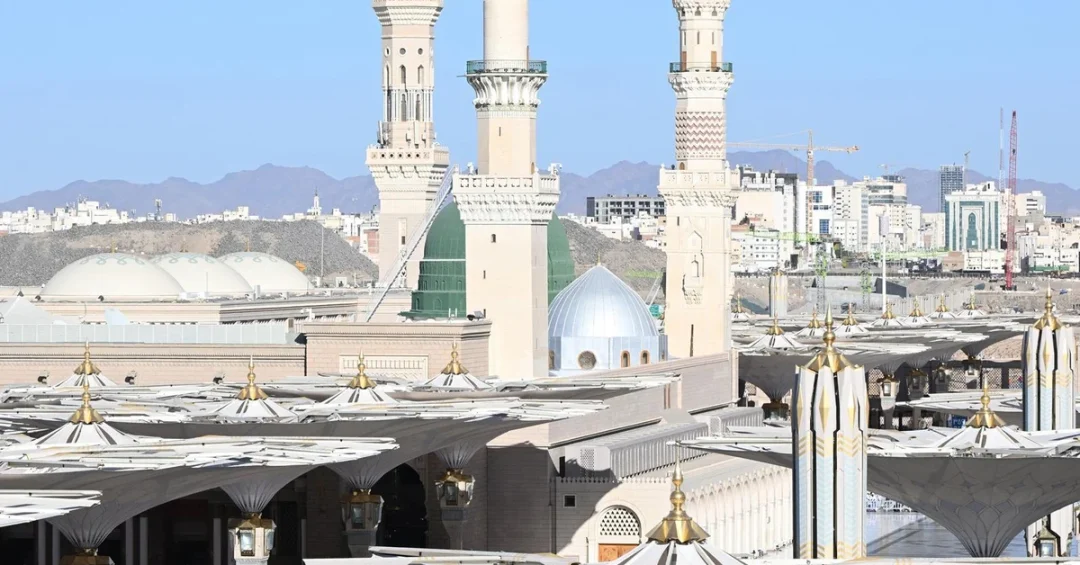
The General Authority for the Care of the Affairs of the Grand Mosque and the Prophet’s Mosque is delivering comprehensive, round-the-clock services to visitors and worshippers of many nationalities at the Prophet’s Mosque in Madinah, enabling them to perform their rituals with ease and dignity. The authority, working in close cooperation with relevant government agencies, coordinates crowd management, multilingual guidance, mobility assistance, and facility maintenance to ensure that every guest of the mosque receives a smooth and comfortable experience. Have you ever wondered how millions of worshippers move through a single sacred site each day with order and calm? The answer lies in a highly organized operational framework built around the needs of the visitor.
The announcement, released through the Saudi Press Agency, underscores the Kingdom’s longstanding commitment to serving the Guests of God as a central national priority. The Prophet’s Mosque, one of the holiest sites in Islam, welcomes pilgrims and visitors from across the globe throughout the year, and the range of services deployed reflects a philosophy of hospitality rooted in Saudi culture and religious duty. From the moment a visitor approaches the mosque’s entrances to the moment they depart, a layered system of guidance, transport, cooling, hydration, and sanitation is working quietly in the background.
Context and Background
Why does the care of the Prophet’s Mosque require such elaborate coordination? The site’s spiritual significance makes it one of the most visited places on earth, and its management demands continuous planning across dozens of specialties. The General Authority for the Care of the Affairs of the Grand Mosque and the Prophet’s Mosque was established to oversee precisely this mission, bringing together facility management, visitor guidance, crowd control, and technical maintenance under a unified command structure.
Historically, the custodianship of the Two Holy Mosques has been a defining responsibility of Saudi leadership, and successive generations of planners have steadily upgraded the infrastructure that surrounds the mosque to keep pace with rising visitor numbers. The cooperation with relevant agencies extends to security, health services, transport, and municipal support, creating an integrated ecosystem that anticipates visitor needs rather than reacting to them. What does it take to keep a sacred site running smoothly for millions of worshippers of many languages and backgrounds? It takes planning that begins long before the first worshipper arrives and continues every hour of every day.
The authority’s operational model is built on multilingual communication, which is essential given the international character of the congregation. Signs, electronic screens, and awareness messages guide visitors through entrances, walkways, and internal facilities in several languages, removing confusion and reducing congestion at key junctures. This emphasis on clarity is a practical expression of hospitality, ensuring that a visitor who does not speak Arabic can still navigate the mosque comfortably and confidently.
Key Details of the Service Program
Which specific services are transforming the visitor experience at the Prophet’s Mosque? The authority manages crowds at entrances and along walkways, deploying staff to guide visitors toward the mosque’s facilities and to keep pedestrian flows moving efficiently during peak periods. Service centers operate around the clock, offering guidance and support at any hour, a critical feature given that worship and visitation continue through the night.
To support worshippers with mobility needs, the authority provides both manual and electric carts, allowing elderly visitors and those with limited mobility to reach the mosque’s halls without hardship. Zamzam water is made available to worshippers, addressing one of the most basic and valued needs during a visit. Cleaning and sterilization programs run continuously across the site, and cooling systems in both the men’s and women’s sections are maintained to keep indoor spaces comfortable in the region’s climate.
Access to Al-Rawdah Al-Sharifah, one of the most revered locations within the mosque, is organized through scheduled bookings on the Nusuk app. This digital reservation system brings order to one of the most sensitive and heavily visited areas of the site, ensuring that visitors can plan their time and that crowding is kept within safe limits. Is it not remarkable how a simple scheduling tool can turn a potentially overwhelming experience into a calm and spiritually focused one? By combining traditional hospitality with modern digital organization, the authority allows each visitor to concentrate on worship rather than logistics.
International and Regional Impact
The services carry significance far beyond the boundaries of Madinah. Visitors arriving from Asia, Africa, Europe, and the Americas encounter a standard of care that shapes their impression not only of the mosque but of the Kingdom itself. Multilingual guidance and accessible support signal that the Prophet’s Mosque is prepared for the world, and that every guest, regardless of language or physical ability, is a valued visitor.
For regional neighbors and the broader Muslim world, the service program reinforces the Kingdom’s role as a steward of Islam’s holiest places. The close cooperation among Saudi agencies demonstrates an organizational capacity that other large-scale gatherings and religious sites look to as a model. How does a nation demonstrate respect for pilgrims from every corner of the earth? Through the quiet reliability of services that anticipate needs, honor traditions, and treat every visitor with dignity. The consistent delivery of these services also builds confidence among travel operators, tour groups, and religious organizations that plan journeys to the Kingdom.
Economic and Strategic Significance
Behind the scenes, the visitor services at the Prophet’s Mosque are intertwined with the Kingdom’s broader economic diversification agenda. As religious tourism grows, so does the demand for hospitality, transport, retail, and digital services in Madinah and the surrounding region. The Nusuk platform, used here to organize access to Al-Rawdah Al-Sharifah, is part of a wider digital ecosystem designed to streamline the pilgrim journey from arrival to departure, supporting local businesses and creating opportunities in the services sector.
The operational expertise developed at the Two Holy Mosques also has strategic value. Crowd management techniques, multilingual communication systems, cooling and sanitation infrastructure, and digital booking platforms are all transferable capabilities that strengthen the Kingdom’s ability to host large international events. By investing in excellence at its most sacred sites, Saudi Arabia builds institutional knowledge that serves its economy and its global standing simultaneously. Can a single service program reveal a nation’s capacity for large-scale organization? The answer at the Prophet’s Mosque is a resounding yes.
Vision 2030 Alignment
The comprehensive service program aligns directly with Saudi Vision 2030, which places the enrichment of the pilgrim and visitor experience at the heart of its tourism and quality-of-life objectives. The vision calls for welcoming greater numbers of international guests, improving services, and leveraging digital innovation, and the authority’s work at the Prophet’s Mosque embodies each of these goals in practice. The integration of the Nusuk app, multilingual guidance, and modern facility management reflects a modernization agenda that respects tradition while embracing technology.
Looking ahead, the Kingdom’s leadership continues to emphasize that the care of the Two Holy Mosques remains a foundation of national identity and international responsibility. As visitor numbers grow and expectations evolve, the authority’s model shows how Saudi Arabia combines faith, service, and innovation to host the world. Through round-the-clock dedication and continuous improvement, the Kingdom ensures that every worshipper who enters the Prophet’s Mosque is met with ease, comfort, and respect, a promise that reflects both the nation’s values and its long-term vision for global engagement.
20 Questions
Q1. Which authority provides services to visitors at the Prophet’s Mosque?
A1. The General Authority for the Care of the Affairs of the Grand Mosque and the Prophet’s Mosque provides these services, cooperating with relevant agencies to enable visitors and worshippers to perform their rituals with ease.
Q2. What is the main purpose of these services?
A2. The services are designed to enable visitors and worshippers of many nationalities to perform their rituals with ease, comfort, and dignity, while ensuring orderly movement and a smooth experience throughout the sacred site.
Q3. How does the authority manage crowds at the mosque?
A3. It manages crowds at entrances and along walkways, with staff guiding visitors toward facilities and keeping pedestrian flows efficient, especially during peak periods when large numbers of worshippers arrive.
Q4. How are visitors guided to the mosque’s facilities?
A4. Visitors are guided through multilingual signs, electronic screens, and awareness messages, allowing people who do not speak Arabic to navigate the site confidently and find the services they need.
Q5. When do the authority’s service centers operate?
A5. The service centers operate around the clock, offering guidance and support at any hour. This is important because worship and visitation continue through the night at the Prophet’s Mosque.
Q6. What transport assistance is available for worshippers?
A6. The authority provides both manual and electric carts, allowing elderly visitors and those with limited mobility to reach the mosque’s halls comfortably without hardship, supporting accessibility for all guests.
Q7. What hydration service is offered to visitors?
A7. Zamzam water is made available to worshippers throughout the site, addressing a basic and valued need during a visit and reflecting the Kingdom’s commitment to the comfort of every guest.
Q8. How does the authority maintain cleanliness at the site?
A8. Cleaning and sterilization programs run continuously across the mosque, ensuring that the site remains clean and safe for the millions of worshippers who pass through its halls and walkways.
Q9. What is done to keep the mosque comfortable in hot weather?
A9. The authority maintains cooling systems in both the men’s and women’s sections, keeping indoor spaces comfortable in the region’s climate so that worshippers can focus on their rituals without distraction.
Q10. How is access to Al-Rawdah Al-Sharifah organized?
A10. Access is organized through scheduled bookings on the Nusuk app, which brings order to one of the most visited areas of the mosque and keeps crowding within safe limits so visitors can plan their time.
Q11. What is the Nusuk app used for?
A11. The Nusuk app is a digital reservation platform used to schedule access to Al-Rawdah Al-Sharifah. It is part of a wider digital ecosystem designed to streamline the pilgrim journey.
Q12. Why is multilingual communication important at the mosque?
A12. The congregation is international, arriving from Asia, Africa, Europe, and the Americas. Multilingual signs, screens, and guidance ensure that every visitor, regardless of language, can navigate the site comfortably.
Q13. Which agencies cooperate with the authority?
A13. The authority cooperates with relevant government agencies covering security, health services, transport, and municipal support, creating an integrated ecosystem that anticipates visitor needs rather than reacting to them.
Q14. How do the services reflect Saudi hospitality?
A14. The layered system of guidance, transport, cooling, hydration, and sanitation expresses traditional Saudi hospitality and the national commitment to serving the Guests of God with dignity and respect.
Q15. What is the significance of the Prophet’s Mosque?
A15. The Prophet’s Mosque in Madinah is one of the holiest sites in Islam and welcomes pilgrims and worshippers from across the globe throughout the year, making its care a central national priority.
Q16. How do these services support the visitor experience?
A16. By anticipating needs and providing clear guidance, mobility support, hydration, comfort, and digital organization, the services allow visitors to concentrate on worship rather than logistics during their visit.
Q17. How do the services connect to Vision 2030?
A17. The program aligns with Saudi Vision 2030 by enriching the pilgrim experience, welcoming international guests, improving services, and leveraging digital innovation, all while respecting tradition and cultural values.
Q18. What economic benefits can these services bring?
A18. As religious tourism grows, demand rises for hospitality, transport, retail, and digital services in Madinah and the surrounding region, supporting local businesses and creating opportunities in the services sector.
Q19. Why is crowd management important at the mosque?
A19. Effective crowd management keeps pedestrian flows moving efficiently during peak periods, reduces congestion at key junctures, and ensures the safety and comfort of the millions of worshippers who visit the site.
Q20. What does the service program say about Saudi Arabia’s global role?
A20. It reinforces the Kingdom’s role as steward of Islam’s holiest places, demonstrating organizational capacity, hospitality, and digital innovation that serve pilgrims while strengthening Saudi Arabia’s global standing.
Reader Feedback
We value your thoughts. Please share your feedback on this article.
Your feedback helps us improve our coverage.