


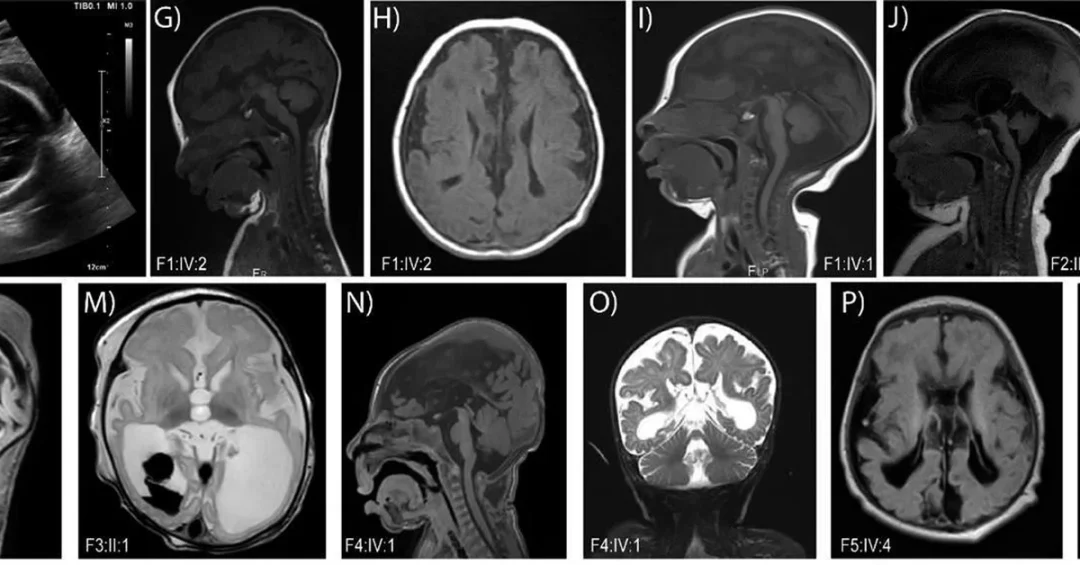
Researchers at King Abdullah University of Science and Technology (KAUST) and King Faisal Specialist Hospital and Research Center (KFSH) have identified a previously unknown genetic cause of a fatal newborn brain disorder, giving long-awaited answers to families whose children were affected by the disease, according to a press release issued by KAUST and reported by the Saudi Press Agency (SPA). The discovery, published in the peer-reviewed journal Genome Medicine, marks the first evidence linking changes in a gene called VPS25 to a human disorder, and it opens a new pathway for diagnosis, genetic counseling, and clinical recognition of a condition that had remained unexplained.
The announcement places Saudi Arabia at the center of an international scientific collaboration that spans five unrelated families across the Kingdom, Europe, and North America. What makes the finding remarkable is not only the biology it uncovers but the method behind it: researchers connected scattered cases from different continents, allowing a pattern to emerge that would have been invisible to any single family or clinic. The work reflects the growing maturity of the Kingdom’s genomic research infrastructure and its capacity to contribute to global medical knowledge.
Why Does a Rare Disease Require a Global Search for Answers?
According to the KAUST press release, the disorder affects brain development from before birth and can cause severe neurological problems from the earliest stages of life. Affected children may experience seizures, profound developmental difficulties, and significant abnormalities in the structure of the brain. Because these symptoms overlap with many other conditions, individual clinicians treating a single child may have no way of knowing they were looking at something distinct and heritable.
The study brought together five unrelated families whose children had experienced similar patterns of illness. By comparing the cases and conducting cellular testing, the research team discovered changes in the same gene, VPS25, which is responsible for maintaining nerve cells. Research into cell mechanisms in the affected cases showed that critical biological processes were disrupted, changing both the number and contents of tiny packages released by cells — some of which carried proteins important for protecting and maintaining nerve cells.
This is the first time changes in VPS25 have been linked to a human disorder. The finding gives clinicians a new gene to consider when investigating children with similar unexplained brain abnormalities, and it offers families something that years of uncertainty had denied them: a name for what happened and a biological explanation they can act upon.
How Did Saudi Genomic Programs Connect the Dots?
The press release added that the researchers connected their findings with genomic data from other families. Three of the five families in the study were identified through genomic programs in Saudi Arabia before the team linked these cases with additional families in North America and Europe. Together, the cases revealed a pattern that would have been difficult, perhaps impossible, to see from any one family alone.
Professor Fowzan Alkuraya, the clinical genetics lead on the study who is affiliated with both KFSH and KAUST, explained the significance of this approach: “When a condition is this rare, one family alone may not be enough to reveal what is happening. Bringing together clinical experience with genomic data from Saudi Arabia, and connecting it with cases internationally, allowed us to see a pattern that had previously been invisible. This is why building these genomic resources matters: they can help us find answers to diseases that might otherwise remain unexplained.”
His remarks underline a broader truth about modern genetics: discovery increasingly depends on scale and connection. The Kingdom’s genomic programs provided the initial cluster of cases, and international collaboration supplied the additional data points needed to confirm that the same gene was implicated across populations. The result is a validated, cross-continental finding rather than an isolated observation.
What Does This Discovery Mean for Families and Clinicians?
For affected families, identifying the cause can support genetic counseling and help inform decisions about future pregnancies. Jasmeen Merzaban, co-lead of the study at KAUST, spoke directly to this human dimension: “Knowing that this disease has a rare genetic cause can bring comfort to families who have lived for years with uncertainty about their tragic losses. It also enables clinicians around the world to recognize similar cases and detect the disease through genetic testing during pregnancy.”
The clinical implications extend beyond the five families in the study. Researchers hope the discovery will help identify other families around the world living with the same condition. Finding additional cases will help scientists build a clearer picture of the disorder, improve recognition and diagnosis, and deepen understanding of how changes in VPS25 affect early brain development.
For clinicians, the practical takeaway is concrete: VPS25 should now be on the list of genes considered when a child presents with severe, unexplained brain abnormalities beginning before birth. Earlier recognition can shorten the diagnostic odyssey that many families endure, and it can inform prenatal testing in subsequent pregnancies.
Why Does International Scientific Collaboration Matter Here?
The study is a clear illustration of how Saudi research institutions are integrating with the global scientific community. KAUST, a research university known for its emphasis on applied science and innovation, and KFSH, one of the region’s leading specialist hospitals, combined basic laboratory science with clinical genetics and international data-sharing. That combination — bench, bedside, and cross-border partnership — is what allowed the team to convert isolated cases into a recognized disorder.
The regional and international impact is twofold. First, the finding adds a new entry to the global catalogue of rare genetic diseases, which benefits clinicians everywhere who encounter similar presentations. Second, it demonstrates the value of genomic resources built in Saudi Arabia, showing that data generated within the Kingdom can serve as the anchor for discoveries of worldwide relevance. Countries and institutions that invest in such infrastructure position themselves as contributors, not merely consumers, of biomedical knowledge.
Is it not significant that a condition affecting a handful of families could be solved only through cooperation across three continents? The answer, as the researchers suggest, is that rare diseases are rarely solved in isolation. They are solved when clinical experience, genomic data, and international partnership converge.
What Is the Economic and Strategic Significance of Genomic Research?
Beyond the immediate medical breakthrough, the study reflects a strategic shift in how Saudi Arabia is building its knowledge economy. Genomic medicine sits at the intersection of healthcare, biotechnology, data science, and advanced research — sectors that the Kingdom has identified as priorities for diversification and long-term competitiveness. Investments in research infrastructure, specialized hospitals, and scientific talent are producing tangible outputs, including peer-reviewed publications in internationally respected journals such as Genome Medicine.
The finding also has implications for healthcare planning. As genetic testing becomes more accessible, health systems can move toward earlier diagnosis, more precise counseling, and better-targeted care for families affected by rare conditions. This aligns with a broader global movement toward precision medicine, in which treatments and interventions are tailored to the genetic and biological profile of individual patients. Saudi institutions are positioning themselves to participate in and benefit from that shift.
Can a single gene discovery reshape how a health system thinks about rare disease? While no single study can transform a system on its own, each validated finding adds to the infrastructure of knowledge and confidence that makes such transformation possible. The VPS25 discovery is one such building block.
How Does This Work Advance Vision 2030?
The discovery aligns closely with the objectives of Saudi Vision 2030, which emphasizes the development of a diversified, knowledge-based economy and the enhancement of healthcare quality and innovation. By producing world-class research through institutions such as KAUST and KFSH, the Kingdom is demonstrating its capacity to contribute to global science while simultaneously improving care for its own citizens. The collaboration between a research university and a specialist hospital also models the kind of integrated ecosystem that Vision 2030 seeks to cultivate across sectors.
For families in Saudi Arabia and around the world, the outcome is concrete: a previously unexplained tragedy now has a genetic explanation, a diagnostic path, and a basis for counseling and future screening. The researchers’ hope that additional families will be identified underscores the forward-looking nature of the work. As genomic resources deepen and international partnerships expand, the Kingdom’s scientific institutions are well placed to uncover further answers to diseases that have long remained mysterious — advancing both human knowledge and the vision of a healthier, more innovative Saudi Arabia.
20 Questions
Q1. What did researchers at KAUST and KFSH discover?
A1. They identified a previously unknown genetic cause of a fatal newborn brain disorder, linking changes in the VPS25 gene to the condition. This was the first evidence connecting VPS25 to a human disorder, according to the KAUST press release.
Q2. Where was the study published?
A2. The study was published in Genome Medicine, a peer-reviewed scientific journal. Publication in an internationally respected journal reflects the rigor of the research and its relevance to the global medical community.
Q3. How many families took part in the study?
A3. Five unrelated families participated, drawn from Saudi Arabia, Europe, and North America. Their children had experienced similar patterns of illness, which allowed researchers to identify a shared genetic cause.
Q4. What gene is responsible for the disorder?
A4. The gene is VPS25, which is responsible for maintaining nerve cells. Changes in this gene disrupted critical biological processes and affected the tiny packages released by cells that carry protective proteins.
Q5. What symptoms do affected children experience?
A5. Affected children can experience seizures, profound developmental difficulties, and significant abnormalities in brain structure. The disorder affects brain development from before birth and can cause severe neurological problems from the earliest stages of life.
Q6. How were the five families identified?
A6. Three of the five families were identified through genomic programs in Saudi Arabia. The team then connected these cases with additional families in North America and Europe to reveal the shared genetic pattern.
Q7. Who is Jasmeen Merzaban?
A7. Jasmeen Merzaban is a co-lead of the study at KAUST. She noted that knowing the disease has a rare genetic cause can bring comfort to families who lived for years with uncertainty about their tragic losses.
Q8. Who is Professor Fowzan Alkuraya?
A8. Professor Fowzan Alkuraya is the clinical genetics lead on the study, affiliated with both KFSH and KAUST. He emphasized that building genomic resources helps find answers to diseases that might otherwise remain unexplained.
Q9. What did cellular testing reveal?
A9. Cellular testing showed that critical biological processes were disrupted in affected cases, changing both the number and contents of tiny packages released by cells. Some missing contents included proteins important for protecting and maintaining nerve cells.
Q10. Why was international collaboration important?
A10. Because the condition is extremely rare, a single family could not reveal the pattern. Connecting cases across Saudi Arabia, Europe, and North America made visible a genetic link that would otherwise have remained hidden.
Q11. What does the discovery mean for genetic counseling?
A11. Identifying the cause can support genetic counseling and help inform decisions about future pregnancies. It gives families a biological explanation and a basis for informed planning.
Q12. Can the disease be detected during pregnancy?
A12. According to Jasmeen Merzaban, the discovery enables clinicians around the world to recognize similar cases and detect the disease through genetic testing during pregnancy, supporting earlier intervention and counseling.
Q13. What are researchers hoping to do next?
A13. Researchers hope to identify other families around the world living with the same condition. Finding additional cases will help build a clearer picture of the disorder and improve recognition and diagnosis.
Q14. What new insight does the study offer clinicians?
A14. It gives clinicians a new gene, VPS25, to consider when investigating children with similar unexplained brain abnormalities. This can shorten the diagnostic process and improve recognition of the condition.
Q15. How does the discovery deepen scientific understanding?
A15. It deepens understanding of how changes in VPS25 affect early brain development. By studying cell mechanisms, researchers can better explain how the disorder develops and why it produces severe neurological problems.
Q16. Which Saudi institutions were involved?
A16. King Abdullah University of Science and Technology (KAUST) and King Faisal Specialist Hospital and Research Center (KFSH) led the work. Their collaboration combined basic laboratory science with clinical genetics expertise.
Q17. What role did Saudi genomic programs play?
A17. Saudi genomic programs identified three of the five families in the study. This demonstrates how genomic resources built in the Kingdom can anchor discoveries of worldwide scientific relevance.
Q18. Why is the study significant for rare disease research?
A18. It shows that rare diseases are often solved through connection and scale rather than isolation. By combining clinical experience with international genomic data, researchers revealed a pattern invisible to any single family.
Q19. How does the discovery relate to healthcare improvement?
A19. As genetic testing becomes more accessible, health systems can move toward earlier diagnosis and more precise counseling. This supports the broader shift toward precision medicine and better-targeted care for families.
Q20. How does this work align with Saudi Vision 2030?
A20. It supports Vision 2030’s emphasis on a knowledge-based economy and healthcare innovation. By producing world-class research through KAUST and KFSH, the Kingdom contributes to global science while improving care for its citizens.
Reader Feedback
We value your thoughts. Please share your feedback on this article.
Your feedback helps us improve our coverage.