


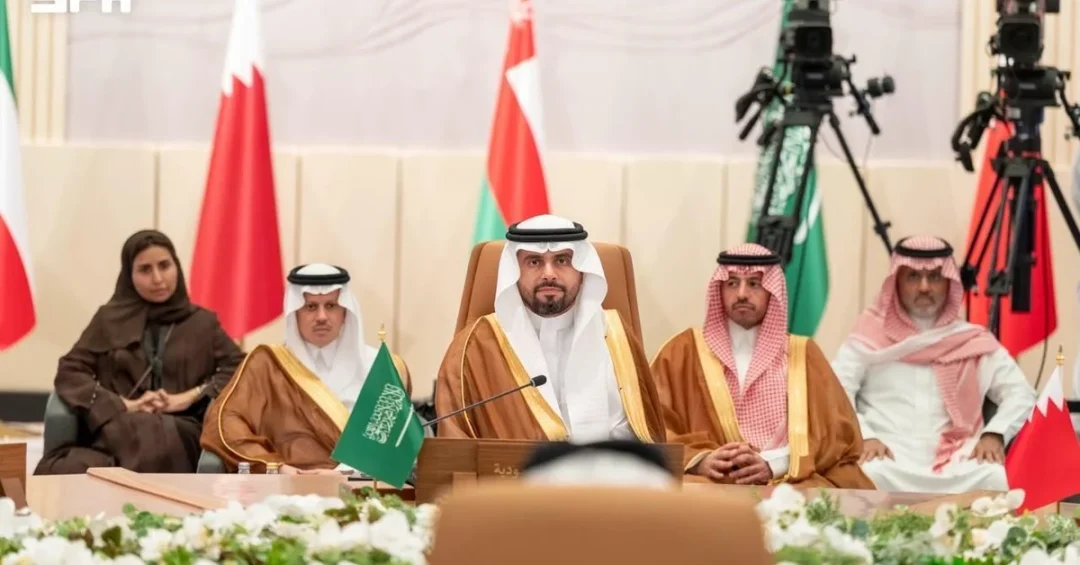
Saudi Arabia, represented by the Digital Government Authority (DGA), participated in the 10th Meeting of the GCC Ministerial Committee for Digital Government 2026, hosted in Manama, Bahrain, underscoring the Kingdom’s central role in advancing regional digital integration. The Saudi delegation was led by Eng. Ahmed Alsuwaiyan, Governor of the Digital Government Authority, who joined fellow Gulf ministers and senior officials responsible for digital government on October 28, 2026. The gathering convened the Gulf Cooperation Council’s most senior digital policymakers to chart a shared course toward more efficient, secure, and citizen-focused government services across the region.
The meeting arrives at a pivotal moment for the Gulf, as member states accelerate national digital transformation agendas that increasingly depend on cross-border interoperability. For the Kingdom of Saudi Arabia, participation reflects a consistent strategic priority: positioning digital government as a foundation for economic diversification, administrative efficiency, and improved quality of life. The discussions centered on practical mechanisms to deepen cooperation, including shared digital services, digital trust infrastructure, artificial intelligence, and emerging technologies—areas where Saudi Arabia has developed substantial domestic capacity through its national digital transformation program.
Context and Background: Why Does Gulf Digital Cooperation Matter Now?
What makes this tenth ministerial gathering significant is the maturity it represents. Since its establishment, the GCC Ministerial Committee for Digital Government has evolved from a forum for exchanging ambitions into a working mechanism for delivering shared infrastructure. The committee’s mandate is to strengthen Gulf cooperation and integration in digital government, develop shared digital services, and facilitate the exchange of expertise among member states. These objectives align with broader GCC economic integration goals, in which seamless digital services enable the movement of people, capital, and knowledge across borders.
Saudi Arabia has been a leading force in this evolution. Under the Digital Government Authority, established to regulate and drive the Kingdom’s digital government ecosystem, Saudi Arabia has built one of the region’s most advanced portfolios of digital public services. The DGA oversees standards, governance, and innovation across government entities, ensuring that digital transformation proceeds in a coordinated, secure, and measurable manner. This institutional foundation gives the Kingdom a credible platform to contribute expertise and shape regional standards, rather than merely adopting them.
The Bahrain-hosted meeting also reflects the GCC’s recognition that digital government is no longer an administrative convenience but a strategic asset. Governments across the region are integrating artificial intelligence into service delivery, exploring interoperable digital identity frameworks, and hardening cybersecurity postures. By convening at the ministerial level, the GCC signals that these efforts benefit from coordination—reducing duplication, aligning standards, and accelerating adoption of proven solutions across member states.
Key Details: What Did Participants Discuss in Manama?
Participants engaged in detailed discussions on several topics of common interest, according to the Saudi Press Agency. These included shared digital services—the practical building blocks of regional interoperability—digital trust services, artificial intelligence, and emerging technologies. Each topic carries direct operational relevance. Shared digital services allow member states to offer reciprocal or harmonized services to citizens and residents traveling or working across the Gulf. Digital trust services, encompassing digital identity, authentication, and electronic signature frameworks, are the backbone of secure cross-border transactions.
The agenda also addressed artificial intelligence and emerging technologies, reflecting a regional consensus that AI governance and adoption require coordinated approaches. The committee reviewed initiatives to promote digital integration among GCC states and encouraged the exchange of knowledge and best practices to enhance government service delivery. These reviews are not abstract exercises; they translate into concrete pilots, joint frameworks, and shared reference architectures that ministries can implement.
Saudi Arabia’s participation, as SPA noted, reflects the Kingdom’s continued commitment to strengthening Gulf cooperation in digital government, exchanging expertise and knowledge, and advancing joint digital initiatives to support digital transformation across GCC member states. Eng. Ahmed Alsuwaiyan’s presence at the head of the Saudi delegation emphasizes the DGA’s operational role in translating these commitments into measurable outcomes. The Authority’s track record—including governance frameworks, service quality standards, and innovation programs—provides tangible inputs for the regional dialogue.
International and Regional Impact: How Does This Shape the Broader Landscape?
The implications extend beyond the Gulf. Regional alignment on digital trust and shared services can strengthen the GCC’s position as a connected digital bloc, attractive to international investors, technology partners, and skilled professionals. When governments agree on identity, authentication, and data exchange standards, businesses operating across multiple Gulf markets face lower compliance burdens and faster onboarding. This interoperability dividend supports the region’s broader economic diversification strategies, including efforts to grow non-oil sectors and attract foreign direct investment.
For international observers, the Manama meeting demonstrates a governance model built on practical cooperation rather than rhetoric. The GCC Ministerial Committee for Digital Government operates as a technical and policy forum where officials compare implementations, identify bottlenecks, and adopt common approaches. This methodical style—reviewing initiatives, sharing best practices, and committing to joint action—is consistent with the region’s wider approach to multilateral coordination. It also positions the GCC to speak with greater coherence in global conversations on AI governance, digital standards, and cross-border data flows.
The meeting additionally reinforces Bahrain’s role as a convener of regional digital policy, hosting a gathering that drew the Gulf’s most senior digital government officials. Such hosting arrangements strengthen institutional ties and create continuity between successive ministerial meetings, ensuring that decisions are tracked and implemented.
Economic and Strategic Significance: What Is at Stake for Saudi Arabia?
For Saudi Arabia, participation in the GCC digital government committee connects directly to national economic priorities. Efficient digital services reduce administrative costs, shorten business setup times, and improve the reliability of public interactions—factors that influence investment decisions and private-sector confidence. As the Kingdom continues to expand its digital economy, interoperability with Gulf partners amplifies the returns on domestic investments in cloud infrastructure, cybersecurity, and AI capabilities.
The strategic dimension is equally important. Digital government is a component of national resilience and soft power. When Saudi systems interoperate securely with Gulf partners, the Kingdom enhances regional stability and demonstrates leadership in public-sector modernization. The exchange of expertise also creates two-way benefits: Saudi entities share lessons from large-scale digital transformation, while learning from partners’ specialized solutions. This reciprocal dynamic strengthens the GCC’s collective capacity and supports the region’s ambition to be a global digital hub.
Moreover, the committee’s focus on emerging technologies aligns with Saudi Arabia’s drive to become a leader in AI adoption and governance. Coordinated regional approaches to AI standards can reduce fragmentation, accelerate responsible deployment, and improve public trust in AI-enabled services. For a Kingdom investing heavily in data infrastructure, cloud platforms, and digital talent, regional alignment lowers the risk of divergent regulatory regimes and expands market opportunities for Saudi technology firms.
Vision 2030 Alignment: How Does This Advance the Kingdom’s Long-Term Goals?
Saudi Arabia’s engagement in the 10th GCC Ministerial Committee meeting is a direct expression of Vision 2030’s digital transformation objectives. The Vision emphasizes a government that is efficient, transparent, and responsive—goals achievable only through modern digital infrastructure and coordinated governance. The Digital Government Authority’s mandate, and its active role in regional cooperation, support these aims by ensuring that Saudi public services meet international standards and interoperate with global systems.
Vision 2030 also prioritizes regional leadership and economic integration. By helping shape shared Gulf frameworks for digital services, trust, and AI, Saudi Arabia reinforces its position as a constructive regional power and a reliable partner. The Kingdom’s participation signals continuity: digital government is not a temporary initiative but a sustained national commitment under Vision 2030, one that strengthens the economy, improves quality of life, and deepens the Gulf’s collective digital resilience. As the region moves toward a more connected digital future, Saudi Arabia’s role in the GCC committee ensures the Kingdom helps set the direction—not just follows it.
20 Questions
Q1. What was the 10th Meeting of the GCC Ministerial Committee for Digital Government?
A1. It was a gathering of Gulf Cooperation Council ministers and senior officials responsible for digital government, hosted by Bahrain in Manama on October 28, 2026, aimed at strengthening regional cooperation and digital integration.
Q2. Who represented Saudi Arabia at the meeting?
A2. The Kingdom was represented by Eng. Ahmed Alsuwaiyan, Governor of the Digital Government Authority (DGA), who led the Saudi delegation and participated in high-level discussions with fellow GCC digital government officials.
Q3. What were the main objectives of the meeting?
A3. The meeting aimed to strengthen Gulf cooperation and integration in digital government, develop shared digital services, facilitate the exchange of expertise, and advance digital transformation to improve government service quality for beneficiaries.
Q4. Which topics were discussed during the sessions?
A4. Participants discussed shared digital services, digital trust services, artificial intelligence, and emerging technologies, along with initiatives to promote digital integration and encourage the exchange of knowledge and best practices among GCC states.
Q5. Why are shared digital services important for the Gulf region?
A5. Shared digital services enable interoperability among member states, allowing citizens and residents to access harmonized or reciprocal government services when traveling or working across Gulf countries, reducing friction and improving user experience.
Q6. What role do digital trust services play in regional integration?
A6. Digital trust services, including digital identity, authentication, and electronic signatures, provide the secure foundation for cross-border digital transactions and reliable interactions between governments and users across GCC member states.
Q7. How does Saudi Arabia’s participation reflect its national priorities?
A7. Saudi participation reflects the Kingdom’s continued commitment to strengthening Gulf cooperation, exchanging expertise, and advancing joint digital initiatives that support digital transformation across GCC member states and align with Vision 2030 goals.
Q8. What is the role of the Digital Government Authority in Saudi Arabia?
A8. The DGA regulates and drives the Kingdom’s digital government ecosystem, overseeing standards, governance, and innovation across government entities to ensure coordinated, secure, and measurable digital transformation of public services.
Q9. How does the meeting support the exchange of expertise?
A9. The committee reviews initiatives and encourages sharing of knowledge and best practices, allowing member states to learn from each other’s implementations, adopt proven solutions, and avoid duplication of effort in their digital transformation journeys.
Q10. Why is artificial intelligence on the regional agenda?
A10. Governments across the GCC are integrating AI into service delivery, and coordinated approaches help align governance standards, accelerate responsible adoption, and improve public trust in AI-enabled government services across the region.
Q11. What does digital integration mean for GCC economies?
A11. Digital integration lowers compliance burdens for businesses operating across multiple Gulf markets, accelerates onboarding, and supports economic diversification by making the region more attractive to investors, technology partners, and skilled professionals.
Q12. How does this meeting connect to Vision 2030?
A12. Vision 2030 calls for an efficient, transparent, and responsive government. Regional cooperation on digital services, trust, and AI supports these aims by ensuring Saudi public services meet international standards and interoperate with global systems.
Q13. Why is Bahrain’s hosting of the meeting significant?
A13. Bahrain’s hosting strengthens institutional ties among GCC states and creates continuity between successive ministerial meetings, ensuring that decisions are tracked, implemented, and carried forward across the region’s digital government agenda.
Q14. What are emerging technologies in this context?
A14. Emerging technologies discussed include advanced AI applications, secure digital infrastructure, and new tools for service delivery. The committee reviews how such technologies can be responsibly adopted to enhance government efficiency and citizen experience.
Q15. How often does the committee meet?
A15. The GCC Ministerial Committee for Digital Government convenes periodically, with this being its tenth meeting in 2026, reflecting a sustained ministerial-level commitment to regional coordination on digital government priorities.
Q16. What benefits do citizens gain from this cooperation?
A16. Citizens benefit from improved quality of government services, smoother access to services across borders, more secure digital interactions, and faster, more reliable public service delivery enabled by shared standards and best practices.
Q17. How does Saudi Arabia share its digital transformation experience?
A17. Through the DGA and ministerial participation, Saudi Arabia contributes lessons from its large-scale digital transformation programs, governance frameworks, and service quality standards, offering practical inputs to the regional dialogue.
Q18. What is the strategic value of regional digital alignment for the GCC?
A18. Regional alignment on identity, authentication, and data exchange standards strengthens the GCC as a connected digital bloc, enhances collective resilience, and positions the region to speak with greater coherence in global digital and AI governance conversations.
Q19. Does this meeting produce binding decisions?
A19. The committee serves as a forum for coordination and review of initiatives. It advances joint action through shared frameworks and best practices that member states implement according to their national contexts and priorities.
Q20. What does this signal about Saudi Arabia’s long-term digital vision?
A20. It signals that digital government is a sustained national commitment under Vision 2030, one that strengthens the economy, improves quality of life, and reinforces the Kingdom’s constructive role in shaping the Gulf’s connected digital future.
Reader Feedback
We value your thoughts. Please share your feedback on this article.
Your feedback helps us improve our coverage.