


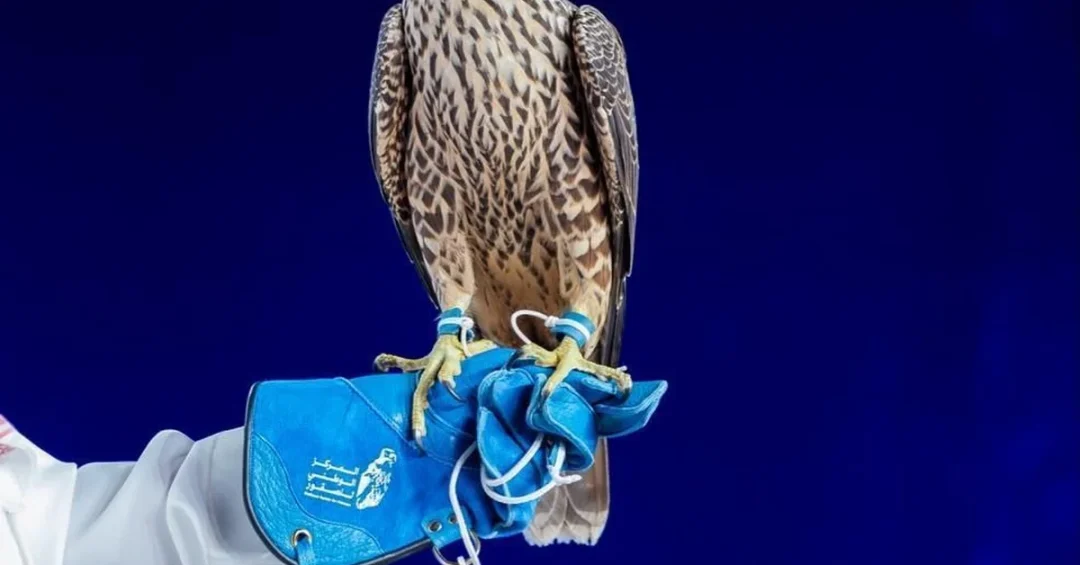
Two falcons sold for a combined SAR304,000 on the 11th night of the National Center for Falcons Auction 2026, an event organized by the National Center for Falcons and running through November 30 amid strong attendance from falconry enthusiasts. The result, announced via official Saudi channels, underscores the enduring cultural and commercial value of falconry in the Kingdom and the growing international profile of the auction as a showcase for sustainable, heritage-driven commerce.
The tenth and eleventh nights of the auction have drawn hundreds of buyers, breeders, and visitors to the venue, where only juvenile migratory peregrine falcons captured within the Kingdom of Saudi Arabia are eligible for sale. The event is broadcast nightly on television channels and the center’s social media platforms, allowing falconers and enthusiasts around the world to follow the fast-paced bidding. Why does a single bird command such extraordinary sums? For Saudi Arabia, the answer combines deep tradition, skilled husbandry, and a modern vision of regulated, sustainable markets.
Context and Background
Falconry has been woven into the cultural fabric of the Arabian Peninsula for centuries, long before the Kingdom’s unification, serving as both a practical pursuit for desert communities and a cherished art form passed between generations. Today, the National Center for Falcons — a specialist Saudi agency dedicated to the protection, breeding, and regulated trade of falcons — stands at the center of efforts to preserve this heritage while modernizing its practice. The annual auction is one of the most visible expressions of that mission. Does the sale of two birds for SAR304,000 surprise anyone who understands the region’s traditions? Not in the least: falconry remains a marker of identity, prestige, and stewardship across Gulf societies.
The advisory board of the center manages the auction within a deliberately narrow set of rules. Only juvenile migratory peregrine falcons — known locally as ‘shaheen’ — captured inside Saudi Arabia qualify for the auction block, while adult peregrine falcons and saker falcons are expressly excluded. This distinction is not an arbitrary restriction; it is a conservation instrument designed to support the sustainability of wild populations and preserve the genetic integrity of prized breeds. By directing commercial demand toward juvenile birds, the center seeks to balance the cultural appetite for falconry with the ecological imperative of protecting species for future generations.
The center continues to accept locally captured falcons over a two-month period, aligning the auction’s calendar with the traditional catching season. That rhythm allows falcon catchers from across the Kingdom’s regions to participate, while the center’s field teams receive the birds, record their details, and prepare them for presentation. It is a system that turns a centuries-old craft into a transparent, traceable, and regulated enterprise — one that international observers increasingly recognize as a model for heritage conservation.
Key Details of the Auction
The two falcons sold on the 11th night collectively fetched SAR304,000, a figure that reflects both the quality of the birds and the competitive intensity of the live auction format. Each falcon is presented in a rapid, high-energy sale broadcast simultaneously on television and digital platforms, allowing remote bidders to follow every moment. The center’s organizers have structured the nightly events to be as accessible as they are exciting, blending the drama of an auction house with the transparency of a public institution. How often does cultural heritage find such an energetic modern stage? Saudi Arabia is demonstrating that tradition need not be static to remain authentic.
Beyond the headline sale, the auction’s operational design reveals a comprehensive support system for participants. Throughout the catching season, the National Center for Falcons provides a wide range of benefits and services to falcon catchers: field teams across the Kingdom’s regions receive falcons from catchers, and the center arranges accommodation and transportation for owners traveling to the auction venue. This logistical backbone ensures that a breeder from a distant rural area can compete on equal footing with established participants, reinforcing the auction’s reputation for fairness and inclusion.
The broadcast dimension is equally important. By airing auction nights on television channels and social media, the center extends the event far beyond the physical venue, enabling falconers, enthusiasts, and prospective buyers abroad to observe bidding patterns, study the quality of birds on offer, and engage with the Kingdom’s falconry community. This visibility has helped establish the auction as a reference point for pricing and standards in the regional falcon market, while also introducing new audiences to a heritage that has shaped Arabian life for millennia.
International and Regional Impact
The National Center for Falcons Auction 2026 arrives at a moment when Gulf heritage markets are attracting heightened global attention. Falconry is recognized by UNESCO as intangible cultural heritage, and Gulf states have invested significantly in safeguarding associated practices, from breeding centers to veterinary facilities. Saudi Arabia’s decision to restrict the auction to juvenile locally captured peregrine falcons positions the Kingdom as a responsible steward of the tradition, aligning commercial activity with conservation science. Can a market be both vibrant and sustainable? The auction’s rules suggest the answer is yes, provided the market is designed with foresight.
Regionally, the event strengthens cooperation among falconers across the Gulf, who travel to Saudi Arabia to participate in and observe the auction. The center’s transportation and accommodation services for owners reflect an understanding that falconry is a shared regional inheritance, not a narrowly national one. Internationally, the nightly broadcasts create a window through which researchers, conservationists, and enthusiasts can follow Saudi practices in real time, fostering dialogue on breeding standards, bird welfare, and the ethics of regulated trade. That transparency enhances the Kingdom’s standing in global conversations about wildlife management and cultural preservation.
Economic and Strategic Significance
The SAR304,000 sale is a striking data point, but its broader economic meaning lies in the ecosystem it represents. Falconry sustains a network of breeders, trainers, veterinarians, equipment makers, and hospitality providers, with auctions serving as the pricing mechanism that coordinates the entire chain. When two birds command such sums, the signal ripples outward — encouraging investment in breeding facilities, veterinary capacity, and specialized services, and creating livelihoods in regions where economic diversification is a priority. How significant is a single auction night to a diversified economy? Multiplied across a season, events like this contribute meaningfully to a growing heritage-economy niche.
Strategically, the auction supports Saudi Arabia’s drive to formalize and modernize traditional sectors under clear regulatory frameworks. By documenting each bird, enforcing eligibility rules, and broadcasting proceedings, the center builds a transparent market that can attract both domestic and international confidence. This approach mirrors the Kingdom’s wider economic philosophy: preserve cultural assets, regulate them responsibly, and open them to global participation. The result is a sector that generates revenue, protects biodiversity, and reinforces national identity simultaneously — a rare combination that few heritage industries achieve.
Vision 2030 Alignment
The auction’s success speaks directly to the objectives of Vision 2030, Saudi Arabia’s long-term national transformation plan. Vision 2030 emphasizes the preservation and promotion of Saudi cultural heritage as an essential component of national identity, while simultaneously encouraging the development of diverse economic sectors and the growth of domestic tourism. The National Center for Falcons Auction embodies both strands: it celebrates a treasured tradition, draws visitors and participants from across the region, and channels economic activity through a regulated, modern marketplace.
Looking ahead, the center’s model — sustainable eligibility rules, comprehensive support for catchers, and wide public broadcasting — offers a template for how heritage industries can thrive in a diversified Saudi economy. As the auction continues through November 30, each night adds to a growing record of achievement, demonstrating that the Kingdom can honor its past while building its future. The two falcons sold for SAR304,000 are more than a transaction; they are a signal that Saudi Arabia’s cultural and economic ambitions can rise together, carried on wings that have symbolized nobility and vision for generations.
20 Questions
Q1. What was the key result of the 11th night of the National Center for Falcons Auction 2026?
A1. Two falcons sold for a combined SAR304,000 on the 11th night of the auction, which is organized by the National Center for Falcons and runs through November 30, drawing strong attendance from falconry enthusiasts.
Q2. Who organizes the National Center for Falcons Auction 2026?
A2. The auction is organized by the National Center for Falcons, a specialist Saudi agency dedicated to protecting, breeding, and regulating falcons, with events broadcast on television channels and the center’s social media platforms.
Q3. How long does the National Center for Falcons Auction 2026 run?
A3. The auction runs through November 30, with nightly events held during the two-month falcon-catching season, allowing falconers and enthusiasts from across the Kingdom and abroad to participate.
Q4. Which types of falcons are eligible for the auction?
A4. Only juvenile migratory peregrine falcons captured within the Kingdom of Saudi Arabia are eligible, while adult peregrine falcons and saker falcons are excluded to support their sustainability and preserve their breeds.
Q5. Why are adult peregrine and saker falcons excluded from the auction?
A5. The exclusion supports the sustainability of wild populations and preserves the genetic integrity of prized breeds, directing commercial demand toward juvenile birds and helping to protect species for future generations.
Q6. How can the public follow the auction proceedings?
A6. Auction nights are broadcast on television channels and the center’s social media platforms, allowing falconers, enthusiasts, and prospective buyers to follow the fast-paced live bidding from anywhere.
Q7. What services does the National Center for Falcons provide to falcon catchers?
A7. The center’s teams across regions receive falcons from catchers and arrange accommodation and transportation for owners to the auction venue, providing comprehensive support throughout the catching season.
Q8. How are falcons presented during the auction?
A8. Each falcon is offered in a fast-paced, competitive live auction broadcast on television channels and the center’s social media accounts, ensuring transparency and accessibility for participants and observers.
Q9. What is the significance of falconry in Saudi Arabia?
A9. Falconry is a centuries-old Arabian tradition that remains a marker of cultural identity, prestige, and stewardship, and it is recognized internationally as intangible cultural heritage deserving of protection.
Q10. How does the auction support sustainability?
A10. By restricting sales to juvenile locally captured peregrine falcons and excluding adult peregrine and saker falcons, the auction balances commercial demand with conservation, helping to preserve wild populations and breed integrity.
Q11. What was the attendance like at the auction?
A11. The auction has seen strong attendance from falconry enthusiasts on its 11th night and throughout the event, with participants traveling from across the Kingdom to attend and take part in the nightly sales.
Q12. How does the center help remote falcon catchers participate?
A12. The center arranges accommodation and transportation for owners traveling to the auction venue, and its regional field teams receive falcons from catchers, ensuring broad and fair participation from across Saudi Arabia.
Q13. What is the role of the National Center for Falcons?
A13. The center protects, breeds, and regulates falcons in Saudi Arabia, organizes the annual auction, provides services to falcon catchers, and promotes sustainable practices that preserve the Kingdom’s falconry heritage.
Q14. How does the auction affect the broader falcon economy?
A14. The auction serves as a pricing mechanism that coordinates breeders, trainers, veterinarians, and equipment makers, encouraging investment and creating livelihoods in a growing heritage-economy niche.
Q15. Why is the auction considered a model for heritage conservation?
A15. Its narrow eligibility rules, documented processes, and public broadcasts create a transparent, traceable market that aligns commercial activity with conservation science and cultural preservation.
Q16. How does the auction align with Vision 2030?
A16. Vision 2030 emphasizes preserving Saudi cultural heritage and diversifying the economy; the auction promotes both by celebrating tradition, attracting visitors, and channeling economic activity through a regulated marketplace.
Q17. What does the SAR304,000 figure tell us about the falcon market?
A17. The figure reflects the high quality of eligible birds and the competitive intensity of the live auction, signaling strong demand and reinforcing the auction’s position as a reference point for regional pricing.
Q18. How does the auction engage international audiences?
A18. Nightly broadcasts on television and social media enable researchers, conservationists, and enthusiasts abroad to follow Saudi practices in real time, fostering global dialogue on breeding standards and bird welfare.
Q19. What role does transparency play in the auction’s success?
A19. By documenting each bird, enforcing eligibility rules, and broadcasting proceedings publicly, the center builds market confidence and demonstrates responsible stewardship to both domestic and international audiences.
Q20. What is the forward-looking significance of the auction for Saudi Arabia?
A20. The auction shows that the Kingdom can honor its heritage while building a diversified future, demonstrating that cultural preservation and economic ambition can rise together as part of Vision 2030’s national transformation.
Reader Feedback
We value your thoughts. Please share your feedback on this article.
Your feedback helps us improve our coverage.