


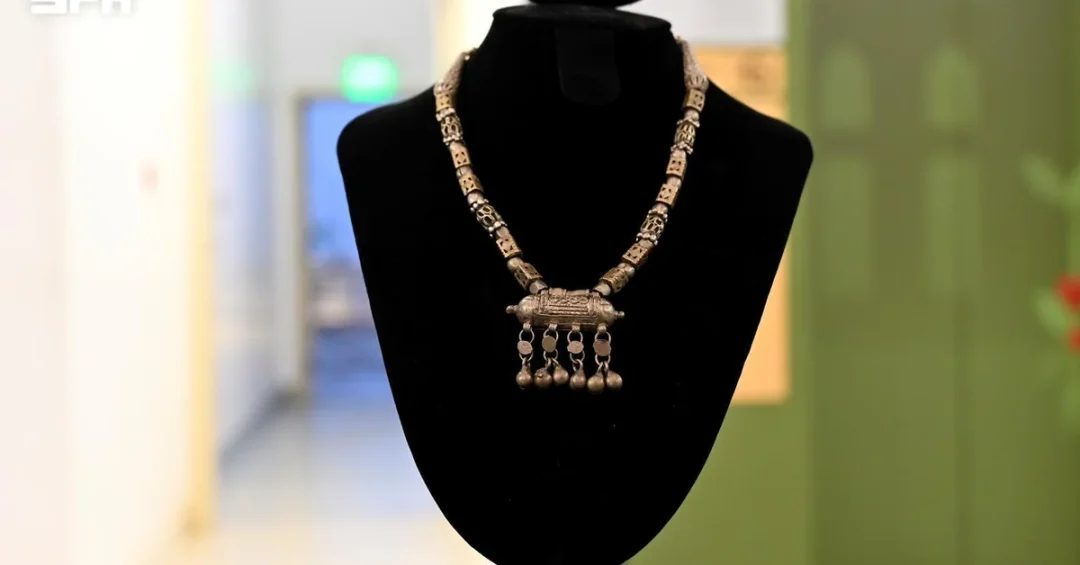
The Rashrash necklace, a traditional silver ornament worn by women in the Jazan Region of southwestern Saudi Arabia, stands as a enduring symbol of the region’s cultural identity, according to information released by the Saudi Press Agency (SPA). The necklace, valued for its aesthetic appeal and cultural significance, preserves part of the memory of Jazan’s women and reflects aspects of their social lives in the past, showcasing heritage deeply rooted in the community’s customs and traditions. The SPA report, dated October 29, 2026, highlights how such traditional jewelry continues to hold a prominent place in the collective memory of the region.
The Rashrash is one of several pieces of traditional adornment that reveal the sophistication of Jazan’s craft traditions and the central role of women in preserving local heritage. Why does a single piece of silver jewelry carry so much meaning for an entire region? The answer lies in the way these ornaments connect personal identity, family tradition, and community celebration across generations. Silver held a prominent place in traditional Jazan women’s adornment, and the Rashrash was among the ornaments worn by women, particularly brides, as part of traditional wedding customs.
Context and Background
Traditional jewelry in the Jazan Region serves as more than decoration; it functions as a living archive of the area’s social history. According to the SPA report, silver jewelry ranged from necklaces, earrings and bracelets to decorative pieces worn on the upper arms and feet. Each category of ornament carried distinct cultural associations and was worn on specific occasions, reflecting the attention women paid to aesthetic details and the variety of silverwork used for personal adornment. How did such intricate traditions develop in this part of the Kingdom? The answer reflects centuries of craftsmanship, trade, and cultural exchange along the Red Sea coast.
The Rashrash, in particular, was among the ornaments worn by brides as part of traditional wedding customs. Together with other jewelry, it formed the bride’s adornment for the occasion, underscoring the importance of marriage ceremonies in the region’s cultural life. These customs demonstrate how jewelry served as a visual language, communicating status, celebration, and familial pride. The SPA report notes that adornment was not limited to silver jewelry but also included the use of kohl, henna, perfumes and hair-care products, showing the comprehensive nature of traditional beautification practices.
Women in Jazan also used local plants and flowers to adorn their hair on special occasions. These practices were closely linked to the natural environment, which provided the plants and materials women used in their daily lives and social gatherings. This connection between nature and adornment reveals a holistic approach to beauty that integrated the region’s rich botanical resources with personal expression. Does this not demonstrate how deeply culture and environment are intertwined in Jazan’s heritage? The integration of natural materials into personal adornment speaks to a sophisticated understanding of local resources and seasonal rhythms.
The Craftsmanship and Cultural Value of Silver
Silver’s prominent place in traditional Jazan women’s adornment reflects both the metal’s practical accessibility and its symbolic value. Unlike gold, which was often reserved for special occasions or wealthier families, silver offered a versatile medium for skilled artisans to create intricate designs that could be worn regularly or on festive occasions. The variety of silverwork used for personal adornment in Jazan suggests a thriving local craft tradition supported by generations of metalsmiths. How did these artisans develop such specialized skills? The answer rests in the transmission of techniques from master to apprentice over many generations, preserving regional styles while allowing for individual creativity.
The Rashrash necklace, as a piece worn around the neck, occupied a place of particular visibility in a woman’s adornment. Necklaces in many cultures are considered the centerpiece of traditional dress, drawing the eye and conveying messages about the wearer’s identity and the occasion. In Jazan, the Rashrash served this function while also embodying the specific aesthetic preferences and cultural values of the region. The report’s emphasis on the necklace’s aesthetic appeal and cultural significance underscores that these were not merely functional items but works of art with deep social meaning. What stories might each Rashrash necklace tell about the woman who wore it and the family that passed it down?
International and Regional Impact
The preservation and celebration of traditional jewelry such as the Rashrash contribute to Saudi Arabia’s broader cultural diplomacy efforts. As the Kingdom continues to open to international tourism and cultural exchange, regional heritage becomes a valuable asset in presenting a rich, multifaceted national identity to the world. The SPA report on Jazan’s jewelry traditions forms part of a wider movement to document and promote the Kingdom’s diverse cultural expressions. Could this renewed attention to regional heritage become a significant draw for cultural tourism? The growing global interest in authentic, localized experiences suggests that traditions like those of Jazan hold considerable appeal for international visitors.
Within the region, the documentation of Jazan’s jewelry heritage reinforces a sense of shared identity and pride among communities that have maintained these traditions for generations. The report highlights how these ornaments reflect aspects of women’s social lives in the past, providing contemporary audiences with a window into the customs and celebrations of earlier eras. This documentation also supports efforts to pass knowledge to younger generations who may not have experienced these traditions firsthand. How can documentation and cultural promotion ensure that these practices survive for future generations? The answer likely involves a combination of archival work, museum exhibitions, and educational initiatives that bring heritage to life.
Economic and Strategic Significance
The traditional jewelry heritage of Jazan holds potential economic value beyond its cultural importance. As Saudi Arabia develops its domestic tourism sector and promotes regional destinations, crafts and heritage products can become part of local economic development strategies. Silverwork and traditional adornment represent a niche market that could support artisan communities and create sustainable livelihoods. Does this not present an opportunity to combine cultural preservation with economic empowerment? The integration of heritage crafts into tourism value chains has proven successful in many regions worldwide, and Jazan could benefit from similar approaches.
Strategically, the documentation of regional heritage supports national cohesion and the Kingdom’s broader goals of diversifying its economy and promoting cultural awareness. The SPA’s reporting on Jazan’s traditions contributes to a comprehensive national narrative that values all regions and their contributions to Saudi identity. This aligns with the country’s emphasis on preserving cultural heritage as a foundation for modernization. The Rashrash necklace, though a small and personal item, thus connects to larger national conversations about identity, tradition, and progress. What role will such heritage play in the Saudi Arabia of the future? The answer likely involves a balance of preservation and adaptation, ensuring that traditions remain meaningful in a changing world.
Vision 2030 Alignment
The celebration of Jazan’s traditional jewelry heritage aligns closely with Saudi Vision 2030’s cultural objectives, which emphasize the importance of preserving and promoting the Kingdom’s rich heritage while encouraging cultural exchange and tourism. Vision 2030 recognizes that a strong national identity, rooted in heritage, is essential to sustainable development and social progress. The documentation of traditions like the Rashrash necklace supports the Vision’s goals of enhancing quality of life, empowering communities, and showcasing Saudi culture to the world. Is this not a clear example of how heritage and modernization can advance together? The Kingdom’s commitment to cultural preservation demonstrates that development and tradition need not be in conflict.
As Saudi Arabia continues its ambitious transformation, the Rashrash and other traditional ornaments serve as reminders of the enduring values that underpin society. The SPA’s reporting highlights how women’s adornment practices in Jazan reflect a sophisticated culture deeply connected to nature and community celebrations. By preserving and promoting such heritage, the Kingdom ensures that future generations can appreciate their roots while engaging confidently with the wider world. What could be more important than maintaining a connection to one’s cultural foundations? The Rashrash necklace, though a single piece of silver, symbolizes the enduring spirit of Jazan’s people and their contributions to the rich tapestry of Saudi heritage.
20 Questions
Q1. What is the Rashrash necklace?
A1. The Rashrash is a traditional silver necklace worn by women in Saudi Arabia’s Jazan Region, valued for its aesthetic appeal and cultural significance. It reflects aspects of women’s social lives in the past and is deeply rooted in the community’s customs and heritage.
Q2. Where is Jazan Region located?
A2. Jazan is a region in southwestern Saudi Arabia, situated along the Red Sea coast. It is known for its distinctive cultural traditions, natural environment, and rich heritage of crafts and customs that have been preserved over generations.
Q3. Who wore the Rashrash necklace?
A3. The Rashrash was worn by women in Jazan, particularly brides as part of traditional wedding customs. Together with other jewelry, it formed the bride’s adornment for the occasion, reflecting attention to aesthetic details and the variety of silverwork used.
Q4. Why is silver important in traditional Jazan jewelry?
A4. Silver held a prominent place in traditional Jazan women’s adornment. Jewelry ranged from necklaces, earrings and bracelets to decorative pieces worn on the upper arms and feet, demonstrating the versatility and cultural importance of silver in the region’s traditions.
Q5. What other adornment practices were common in Jazan?
A5. Adornment was not limited to silver jewelry. Women also used kohl, henna, perfumes and hair-care products. They used local plants and flowers to adorn their hair on special occasions, practices closely linked to the natural environment.
Q6. How did the natural environment influence Jazan’s beauty traditions?
A6. The natural environment provided plants and materials women used in daily lives and social gatherings. Local plants and flowers were used to adorn hair on special occasions, reflecting a close connection between culture and the region’s botanical resources.
Q7. When was this information released?
A7. The Saudi Press Agency released this information on October 29, 2026. The report highlighted the Rashrash necklace and other traditional jewelry as part of Jazan Region’s cultural heritage and women’s social history.
Q8. What types of jewelry were traditional in Jazan?
A8. Traditional jewelry included necklaces, earrings, bracelets, and decorative pieces worn on the upper arms and feet. These silver ornaments served different purposes and were worn on various occasions, reflecting the variety of silverwork used for personal adornment.
Q9. What role did the Rashrash play in weddings?
A9. The Rashrash was among the ornaments worn by brides as part of traditional wedding customs. Together with other jewelry, it formed the bride’s complete adornment for the occasion, demonstrating the importance of marriage ceremonies in Jazan’s cultural life.
Q10. Why does traditional jewelry matter culturally?
A10. Traditional jewelry preserves part of the memory of women and reflects aspects of their social lives in the past. These ornaments are valued for aesthetic appeal and cultural significance, representing heritage deeply rooted in community customs and traditions.
Q11. What does the Rashrash reflect about Jazan women?
A11. The Rashrash reflects the attention women paid to aesthetic details and the variety of silverwork used for personal adornment. It also demonstrates how women used jewelry to express identity, celebrate occasions, and connect with community traditions.
Q12. How are these traditions linked to the environment?
A12. Practices like adorning hair with local plants and flowers were closely linked to the natural environment. The environment provided materials women used in daily lives and social gatherings, showing an integrated approach to beauty and nature.
Q13. Is silver still used in Jazan jewelry today?
A13. Silver holds a historically prominent place in Jazan’s traditional adornment, and the documentation of pieces like the Rashrash helps preserve knowledge of these traditions for future generations, ensuring the heritage remains recognized and valued.
Q14. What does the SPA report emphasize about Jazan jewelry?
A14. The SPA report emphasizes that traditional jewelry preserves the memory of women and reflects their social lives. It highlights the Rashrash’s aesthetic appeal and cultural significance, along with the variety of silverwork and other adornment practices in the region.
Q15. How does this heritage connect to Saudi national identity?
A15. Regional heritage like Jazan’s jewelry traditions contributes to Saudi Arabia’s rich national identity. Documenting and celebrating these traditions supports cultural preservation, national cohesion, and the Kingdom’s broader efforts to showcase its diverse cultural expressions.
Q16. What other beautification practices accompanied silver jewelry?
A16. Women used kohl for eye adornment, henna for skin decoration, perfumes for fragrance, and hair-care products. They also adorned their hair with local plants and flowers on special occasions, creating a comprehensive approach to personal adornment.
Q17. How does this heritage support cultural tourism?
A17. As Saudi Arabia develops its tourism sector, regional heritage like Jazan’s jewelry traditions can attract visitors interested in authentic cultural experiences. Crafts and heritage products represent niche markets that could support artisan communities and local economic development.
Q18. What does the Rashrash symbolize?
A18. The Rashrash symbolizes the enduring cultural identity of Jazan’s women and community. As a piece of traditional adornment, it represents the transmission of customs, aesthetic values, and social traditions across generations, connecting past and present.
Q19. Why is documenting traditional jewelry important?
A19. Documentation preserves knowledge of traditional practices for future generations who may not experience them firsthand. It supports cultural preservation, educational initiatives, and the celebration of regional heritage within Saudi Arabia’s broader national narrative.
Q20. How does this align with Saudi Vision 2030?
A20. Saudi Vision 2030 emphasizes preserving and promoting the Kingdom’s rich heritage while encouraging cultural exchange and tourism. Celebrating traditions like the Rashrash necklace supports goals of enhancing quality of life, empowering communities, and showcasing Saudi culture.
Reader Feedback
We value your thoughts. Please share your feedback on this article.
Your feedback helps us improve our coverage.