


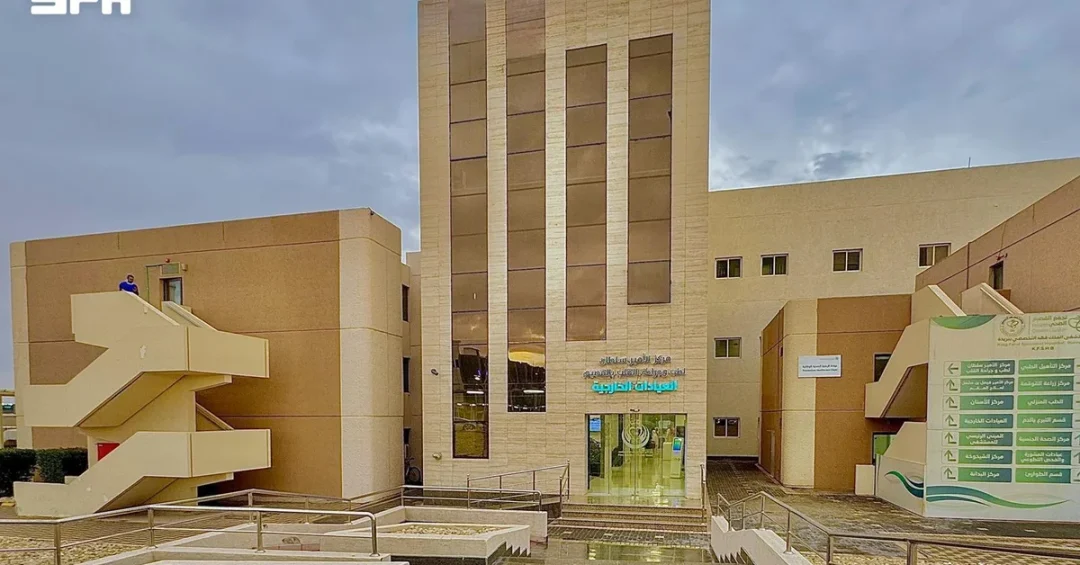
Prince Sultan Cardiac Center in Qassim has received international accreditation from the American Heart Association (AHA) as a Comprehensive Chest Pain Center, the Qassim Health Cluster announced on Thursday, October 29, 2026, according to the Saudi Press Agency (SPA). The designation follows a rigorous external review confirming that the center meets internationally recognized standards for the assessment, diagnosis, and treatment of patients experiencing chest pain and heart attacks. The announcement positions the facility among a select group of hospitals worldwide to hold this level of AHA recognition and marks a further milestone in the Kingdom of Saudi Arabia’s ongoing effort to elevate the quality of specialized healthcare nationwide.
The Qassim Health Cluster, which oversees the center as part of its regional network, explained that the accreditation reflects the institution’s efficiency and readiness in managing cardiac emergencies. It cited integrated clinical pathways that encompass rapid assessment and diagnosis, urgent medical intervention, and close coordination among specialized medical teams, all delivered in accordance with internationally recognized treatment protocols. The cluster noted that the recognition underscores the quality of specialized cardiac services in the region and the effectiveness of medical procedures used to manage critical cases. What does this achievement signal about the direction of healthcare in the Kingdom? For patients and clinicians alike, it represents a tangible endorsement of the systems, training, and governance that underpin cardiovascular care in Qassim.
Context and Background
How did a regional cardiac center in central Saudi Arabia come to earn a benchmark reserved for the world’s leading heart hospitals? The answer lies in a sustained, multi-year commitment to institutional quality that has been championed across the Kingdom’s health sector. Prince Sultan Cardiac Center in Qassim operates under the Qassim Health Cluster, one of the integrated health clusters created as part of the Ministry of Health’s transformation program. These clusters are designed to consolidate hospital networks, primary care, and specialized services under unified governance so that patients receive coordinated, patient-centered care. Within that framework, the cardiac center has functioned as the region’s principal referral hub for advanced heart care, handling some of the most time-sensitive cases in medicine.
The American Heart Association is one of the world’s most widely recognized authorities on cardiovascular science and clinical practice. Its accreditation programs evaluate hospitals against evidence-based criteria covering everything from door-to-balloon times in acute myocardial infarction to the consistency of diagnostic protocols and the integration of emergency medical services. The Comprehensive Chest Pain Center designation is awarded only after a facility demonstrates that it can reliably deliver the full continuum of care for chest pain patients. In practical terms, that means the center must show it can rapidly triage patients, obtain electrocardiograms promptly, activate catheterization laboratory teams without delay, and provide appropriate post-treatment follow-up. Meeting these standards is not a one-time exercise; it requires continuous monitoring, data collection, and periodic re-evaluation.
For the Qassim region, the accreditation carries particular weight because cardiovascular disease remains one of the leading causes of mortality and morbidity both in Saudi Arabia and globally. Regional referral centers are essential to reducing the time between symptom onset and treatment, which is often the single most important factor determining survival and recovery after a heart attack. By meeting AHA criteria, the center signals that patients in Qassim and surrounding areas can access care that aligns with the best international practice, without needing to travel to major metropolitan centers. That is a meaningful shift in the geography of advanced healthcare in the Kingdom.
Key Details
What exactly did the Qassim Health Cluster say about the scope and meaning of this accreditation? In its announcement, the cluster stated that the recognition reflects the center’s efficiency and readiness in managing cardiac emergencies through integrated clinical pathways. These pathways begin with rapid assessment and diagnosis, move through urgent medical intervention, and depend on seamless coordination among specialized medical teams, all in line with internationally recognized treatment protocols. The cluster emphasized that the accreditation highlights the quality of specialized cardiac services and the effectiveness of medical procedures for managing critical cases, as well as the center’s commitment to enhancing patient safety and improving treatment response.
The cluster also made clear that obtaining national and international accreditations remains a key priority. It described such credentials as essential pillars for developing institutional and clinical performance and for improving the efficiency and quality of healthcare services. The stated approach includes meeting established standards, advancing professional practices, and fostering a culture of quality and patient safety across all of its healthcare facilities. This framing is important: the accreditation is presented not as an isolated trophy but as part of a systematic effort to embed quality improvement into the daily operations of the health cluster.
From a clinical standpoint, the Comprehensive Chest Pain Center designation implies that the facility has demonstrated competence across several domains. These typically include emergency department readiness, diagnostic imaging and laboratory capacity, interventional cardiology services, and standardized protocols for transferring patients between care settings. It also implies that the center collects and analyzes performance data, because accreditation bodies require evidence of consistent outcomes rather than anecdotal success. For the public, the practical benefit is a higher likelihood that a patient arriving with chest pain will be evaluated quickly, treated appropriately, and monitored carefully through recovery. Does that not amount to one of the most direct ways a health system can protect its population? The cluster’s emphasis on patient safety and treatment response suggests exactly that intent.
International and Regional Impact
How does an accreditation awarded in Qassim resonate beyond the Kingdom’s borders? International recognition from the American Heart Association places the center within a global community of institutions that adhere to shared clinical benchmarks. For Saudi Arabia, this reinforces the country’s growing reputation as a destination for high-quality medical care and as a contributor to international medical standards. It also strengthens the case for regional collaboration, since accredited centers are often well positioned to participate in multicenter research, clinical trials, and professional exchange programs. Such engagement allows Saudi clinicians to contribute data and expertise to the global cardiovascular knowledge base while bringing the latest evidence-based practices home.
Within the Gulf region, the accreditation adds to a broader pattern of healthcare investment and reform. Neighboring countries have also pursued international certifications as a way to demonstrate accountability and attract medical talent. Saudi Arabia’s advantage lies in the scale of its health transformation and the integration of specialized centers within regional clusters, which allows standards achieved in one facility to be replicated across a network. For patients across Qassim and adjacent regions, the recognition may also reduce the need for referrals to Riyadh or other major cities, easing pressure on tertiary hospitals and making care more accessible closer to home. In a country as geographically large as the Kingdom, that geographic distribution of excellence matters enormously.
Economic and Strategic Significance
Why should an accreditation in cardiac care be understood as more than a clinical achievement? Healthcare quality is increasingly linked to economic competitiveness and national resilience. A population with better access to timely cardiac care experiences fewer premature deaths and fewer productive years lost to disability, which supports labor force participation and long-term economic growth. For Saudi Arabia, where the health sector is a central pillar of quality-of-life initiatives, investments that reduce the burden of noncommunicable diseases such as heart disease pay dividends across the entire economy. The center’s accreditation therefore contributes to the human capital foundations on which broader development goals rest.
The strategic dimension extends to the health system’s ability to attract and retain skilled professionals. Cardiologists, nurses, and technicians increasingly evaluate employers by their commitment to international standards and continuous education. A facility holding AHA accreditation offers a compelling environment for professional development, which helps the Qassim Health Cluster recruit talent in a competitive regional market. Accreditation also supports transparent quality measurement, giving administrators the data they need to allocate resources efficiently and to identify areas for improvement. In this sense, the recognition is both a validation of past performance and a platform for future capability building, including the expansion of preventive cardiology and community education programs that address risk factors before emergencies occur.
Vision 2030 Alignment
How does this achievement connect to the Kingdom’s long-term national vision? Saudi Vision 2030 places the health and well-being of citizens and residents at the center of its ambitions, with the Health Sector Transformation Program aiming to improve access, quality, and efficiency across the system. The accreditation of Prince Sultan Cardiac Center in Qassim as a Comprehensive Chest Pain Center directly advances those objectives by demonstrating that international standards can be met outside the major metropolitan centers. It reflects the Vision’s emphasis on decentralization, institutional excellence, and patient-centered care, and it shows how the health cluster model can deliver measurable results in specialized medicine.
The recognition also aligns with the Vision’s goal of building a vibrant society in which quality of life is continuously improved. By strengthening emergency cardiac care in Qassim, the center helps reduce preventable deaths and supports the broader effort to raise healthy life expectancy. The Qassim Health Cluster has indicated that it will continue pursuing national and international accreditations as essential pillars of institutional development, advancing professional practices and fostering a culture of quality and patient safety. As Saudi Arabia continues its health transformation, achievements such as this one serve as evidence that the Kingdom’s institutions are capable of meeting global benchmarks while serving their local communities with distinction. The path ahead involves sustaining these standards, expanding access, and sharing the lessons learned with the wider health system, all in service of a healthier and more prosperous nation.
20 Questions
Q1. What accreditation did Prince Sultan Cardiac Center in Qassim receive?
A1. The center received international accreditation from the American Heart Association as a Comprehensive Chest Pain Center, recognizing its compliance with globally recognized standards for treating patients with chest pain and heart attacks.
Q2. Which organization announced the accreditation?
A2. The Qassim Health Cluster announced the accreditation, as reported by the Saudi Press Agency on October 29, 2026, highlighting the center’s achievement within the Kingdom’s healthcare network.
Q3. What does the American Heart Association accreditation signify?
A3. It signifies that the center meets international standards for rapid assessment, diagnosis, urgent intervention, and coordinated care for cardiac emergencies, reflecting high-quality specialized services and patient safety.
Q4. Why is this accreditation important for patients in Qassim?
A4. It assures patients that emergency cardiac care in the region aligns with global best practices, reducing the need to travel to major cities for timely, high-quality treatment of heart attacks and chest pain.
Q5. What clinical pathways were highlighted by the Qassim Health Cluster?
A5. The cluster cited integrated pathways including rapid assessment and diagnosis, urgent medical intervention, and coordination among specialized medical teams, all following internationally recognized treatment protocols for cardiac emergencies.
Q6. How does the accreditation reflect on the center’s readiness?
A6. It demonstrates the center’s efficiency and preparedness in managing cardiac emergencies, showing that its teams, protocols, and facilities are capable of delivering timely, effective care for critical cases.
Q7. What role does the Qassim Health Cluster play in this achievement?
A7. The cluster oversees the center and prioritizes national and international accreditations as pillars for developing institutional and clinical performance, improving healthcare quality and patient safety across its facilities.
Q8. What are the key priorities of the Qassim Health Cluster mentioned in the announcement?
A8. The cluster emphasized meeting established standards, advancing professional practices, and fostering a culture of quality and patient safety, with accreditations seen as essential to continuous improvement.
Q9. How does this accreditation benefit the broader Saudi healthcare system?
A9. It sets a benchmark for other regional centers, encourages the adoption of international standards, and supports the Ministry of Health’s transformation goals by demonstrating that excellence can be achieved outside major metropolitan areas.
Q10. What is a Comprehensive Chest Pain Center according to the AHA?
A10. It is a designation for hospitals that meet rigorous criteria for evaluating and treating chest pain, including rapid triage, diagnostic testing, interventional capabilities, and standardized protocols for heart attack care.
Q11. Why is chest pain care a priority in cardiovascular medicine?
A11. Chest pain is often the first sign of a heart attack, and rapid treatment is critical to survival and recovery. Accredited centers ensure timely, evidence-based care that reduces complications and mortality.
Q12. How does this accreditation align with Saudi Vision 2030?
A12. It supports Vision 2030’s Health Sector Transformation Program by improving access, quality, and efficiency, and by promoting decentralized excellence in specialized care across the Kingdom.
Q13. What international standards did the center meet?
A13. The center met AHA standards for managing cardiac emergencies, including protocols for assessment, diagnosis, intervention, and coordination among medical teams, as well as data collection and quality monitoring.
Q14. How might this recognition affect medical tourism in Saudi Arabia?
A14. It enhances the Kingdom’s reputation for high-quality healthcare, potentially attracting patients from the region seeking trusted cardiac care and supporting the broader goal of making Saudi Arabia a destination for advanced medical services.
Q15. What does the accreditation mean for the center’s staff?
A15. It validates their expertise and commitment to international protocols, offers opportunities for professional development, and reinforces a culture of quality and patient safety within the facility.
Q16. How does the Qassim Health Cluster plan to build on this achievement?
A16. The cluster will continue pursuing national and international accreditations, advancing professional practices, and fostering quality improvement across its healthcare facilities to sustain and expand high standards.
Q17. What are the implications for emergency medical services in Qassim?
A17. The accreditation encourages closer coordination between emergency responders and the cardiac center, ensuring faster patient transfer, early diagnosis, and timely intervention for heart attack cases.
Q18. How does this achievement compare with other Saudi cardiac centers?
A18. It places Prince Sultan Cardiac Center in Qassim among a select group of Saudi facilities with international recognition, contributing to a national network of accredited centers that share best practices.
Q19. What is the significance of the American Heart Association’s recognition globally?
A19. The AHA is a leading authority on cardiovascular care, and its accreditation is widely respected, signaling that a hospital meets rigorous, evidence-based standards for treating heart disease and emergencies.
Q20. What message does this send about Saudi Arabia’s healthcare sector?
A20. It demonstrates the Kingdom’s commitment to world-class healthcare, continuous improvement, and the success of its health transformation in delivering international standards of care to all regions.
Reader Feedback
We value your thoughts. Please share your feedback on this article.
Your feedback helps us improve our coverage.
Related articles
 King Salman Medical City Delivers 1.6M Services in Q3 2026
 KFSH Madinah Launches Eye Truck for Community Eye Screening
 Taibah University Dental Conference to Host 15 Hands-On Workshops
 Saudi Team Begins Separation of Tanzanian Conjoined Twins
 Jazan Workshop Highlights Vitamins’ Role in Bodily Functions
 Aseer Hospitals Earn AHA Stroke and Chest Pain Accreditations