


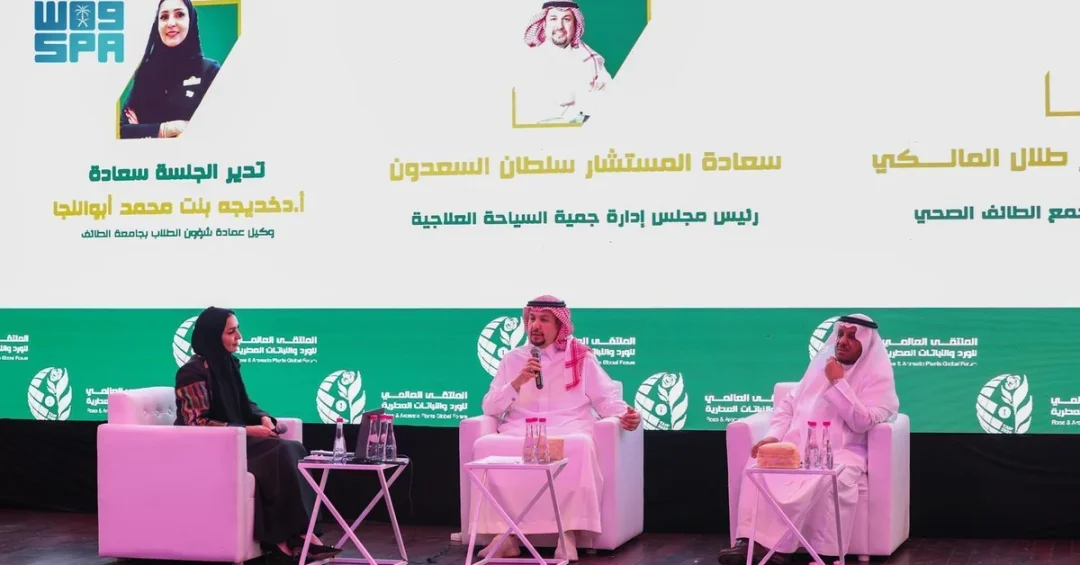
The Rose and Aromatic Plants Global Forum 2025 continued for a second consecutive day in Taif, bringing together experts, officials, and industry leaders to discuss the future of the Kingdom’s renowned rose industry and its growing role in medical tourism. The inaugural edition of the forum, which opened on April 13 and runs until April 26, has already become a focal point for innovation and collaboration in the aromatic plants sector. Organized under the patronage of Saudi authorities, the event underscores the Kingdom’s commitment to preserving its cultural heritage while advancing economic diversification in line with Vision 2030.
As the world turns its attention to sustainable practices and unique cultural experiences, Taif’s rose industry stands as a testament to Saudi Arabia’s ability to blend tradition with modernity. The forum features a series of discussions, scientific lectures, and an accompanying exhibition at Arruddaf Park, open daily from 4:00 p.m. to visitors eager to explore the region’s floral treasures. With its focus on challenges and opportunities, the forum highlights how Saudi Arabia is leveraging its natural assets to drive tourism, create jobs, and position itself as a global leader in aromatic plant production.
Context and Background
Why has Taif become the epicenter of Saudi Arabia’s rose and aromatic plants industry? Located in the western region of the Kingdom, Taif is renowned for its cool climate and fertile soil, ideal for cultivating the famous Taif rose, a symbol of Saudi heritage. For generations, local farmers have harvested these delicate flowers to produce rose water and essential oils prized across the Middle East and beyond. The Rose and Aromatic Plants Global Forum 2025 builds on this legacy, aiming to modernize practices while preserving traditional methods.
The forum’s inaugural edition reflects a strategic push by the Saudi government to develop the agricultural sector as part of Vision 2030. By gathering local and international experts, the event facilitates knowledge exchange on sustainable development, carbon neutrality, and the use of artificial intelligence in agriculture. These discussions are crucial as the Kingdom seeks to enhance the competitiveness of its rose products, increase exports, and attract investment in rural areas. The forum also aligns with broader efforts to promote medical tourism, leveraging the therapeutic properties of aromatic plants.
Moreover, the timing of the forum is significant. As global demand for natural and organic products rises, Saudi Arabia is positioning itself to capture a larger share of the market. The event provides a platform for stakeholders to address challenges such as climate change, water scarcity, and market access. By doing so, it not only supports farmers but also contributes to the Kingdom’s food security and economic resilience. The forum’s comprehensive agenda demonstrates a holistic approach to developing the rose value chain, from cultivation to commercialization.
Key Details and Forum Highlights
What specific topics are being addressed at the forum, and how do they shape the future of the industry? The second day featured a discussion session titled “Challenges of Taif Rose Cultivation,” where experts examined issues such as pest management, water efficiency, and labor shortages. Another session, “The Future and Challenges of Medical Tourism in the Kingdom,” explored how aromatic plants can be integrated into wellness and therapeutic treatments, opening new avenues for tourism. These sessions are part of a broader program that includes scientific lectures on enhancing sustainable development in rose use, carbon neutrality technology in the aromatic journey of the Taif rose, livelihood development for farmers, and the role of artificial intelligence in improving agricultural product quality.
The accompanying exhibition at Arruddaf Park offers visitors a firsthand look at the latest products and innovations. Open daily from 4:00 p.m., the exhibition showcases rose-based cosmetics, perfumes, and medicinal products, as well as advanced cultivation techniques. It also provides a marketplace for local artisans and entrepreneurs to connect with potential buyers and investors. The park’s stunning rose displays have become a major attraction, drawing both locals and tourists to experience the beauty and fragrance of Taif’s most famous export.
In addition to the sessions and exhibition, the forum facilitates networking opportunities and the signing of agreements between stakeholders. These collaborations are expected to lead to new research projects, technology transfers, and investment deals that will benefit the entire value chain. By bringing together government officials, academics, and private sector representatives, the forum ensures that all voices are heard in shaping the industry’s future. The emphasis on innovation and sustainability resonates with Saudi Arabia’s Vision 2030 goals of economic diversification and environmental stewardship.
International and Regional Impact
How does Saudi Arabia’s rose industry resonate beyond its borders, and what does it mean for regional collaboration? The Rose and Aromatic Plants Global Forum has attracted attention from across the Gulf and beyond, with participants from various countries sharing their expertise. This international dimension not only elevates the profile of Taif rose but also fosters partnerships that can enhance trade and cultural exchange. For instance, countries with similar agro-climatic conditions can learn from Saudi Arabia’s experiences in sustainable cultivation and value addition.
Regionally, the forum strengthens Saudi Arabia’s role as a leader in the aromatic plants sector, which is increasingly important in the global market for natural ingredients. By hosting such an event, the Kingdom demonstrates its capability to organize world-class conferences and position itself as a hub for innovation. This aligns with the broader regional trend of economic diversification, where countries are seeking to reduce dependence on oil and develop knowledge-based industries. The forum also complements Saudi Arabia’s efforts to boost non-oil exports and attract foreign direct investment.
Furthermore, the focus on medical tourism has regional implications, as the Kingdom aims to become a destination for health and wellness travelers. The integration of aromatic plants into therapeutic practices could attract visitors from neighboring countries seeking alternative and complementary treatments. This not only generates revenue but also promotes cultural understanding and cooperation. The forum’s discussions on carbon neutrality and sustainability also contribute to global environmental goals, enhancing Saudi Arabia’s image as a responsible global citizen.
Economic and Strategic Significance
What economic benefits can Saudi Arabia expect from the development of its rose and aromatic plants industry? The sector already provides livelihoods for thousands of farmers and workers in Taif and surrounding areas. By modernizing cultivation and processing techniques, the Kingdom can increase yields, improve quality, and command higher prices in international markets. The forum’s emphasis on artificial intelligence and carbon neutrality technology can lead to cost savings and environmental benefits, making the industry more competitive and sustainable.
Strategically, the rose industry supports Vision 2030’s goals of economic diversification and rural development. It creates opportunities for small and medium enterprises, encourages entrepreneurship, and attracts investment in agri-tech and tourism. The forum serves as a catalyst for these developments by showcasing success stories and facilitating access to finance. Additionally, the link to medical tourism opens up a high-value market segment that can boost the Kingdom’s tourism revenues and global reputation.
The economic potential extends to export markets, where Saudi rose products can compete with established brands from other countries. By adhering to international standards and leveraging the unique story of Taif rose, exporters can tap into the growing demand for natural and heritage-based products. The forum provides a platform to discuss certification, branding, and market access, which are essential for success. Overall, the event underscores the strategic importance of the rose industry as a contributor to Saudi Arabia’s non-oil GDP.
Vision 2030 Alignment
How does the Rose and Aromatic Plants Global Forum align with Saudi Arabia’s long-term vision for the future? Vision 2030 aims to transform the Kingdom into a diversified, innovative, and globally engaged economy. The forum directly supports this by promoting sustainable agriculture, enhancing the value of local products, and creating new opportunities in tourism and healthcare. It also empowers local communities, particularly in rural areas, by improving skills and livelihoods.
Moreover, the forum reflects the Vision’s emphasis on environmental sustainability and technological advancement. The discussions on carbon neutrality and artificial intelligence demonstrate a commitment to adopting cutting-edge solutions that reduce environmental impact and increase efficiency. By integrating these elements, the rose industry can serve as a model for other sectors, showcasing how tradition and innovation can coexist. The event also reinforces Saudi Arabia’s openness to international collaboration, a key pillar of Vision 2030.
As the forum continues until April 26, it will undoubtedly yield new ideas and partnerships that will shape the future of the rose and aromatic plants industry. The Kingdom’s leadership in this sector not only preserves a cherished heritage but also drives economic growth and global recognition. Through such initiatives, Saudi Arabia is steadily realizing its vision of a prosperous and sustainable future, rooted in its rich cultural legacy and forward-looking ambitions.
20 Questions
Q1. What is the Rose and Aromatic Plants Global Forum 2025?
A1. It is an inaugural event held in Taif, Saudi Arabia, from April 13 to 26, 2025, bringing together experts to discuss the rose industry, medical tourism, and sustainable practices.
Q2. Where is the forum taking place?
A2. The forum is being held in Taif, a city in western Saudi Arabia known for its rose cultivation, with events at Arruddaf Park and other venues.
Q3. When did the forum start and how long will it last?
A3. The forum opened on April 13, 2025, and will continue until April 26, 2025, spanning two weeks of discussions and exhibitions.
Q4. What are the main topics discussed at the forum?
A4. Topics include challenges of Taif rose cultivation, medical tourism, sustainable development, carbon neutrality, livelihood development, and artificial intelligence in agriculture.
Q5. What is the significance of the Taif rose?
A5. The Taif rose is a symbol of Saudi heritage, prized for its fragrance and used in perfumes, cosmetics, and traditional medicine, supporting local livelihoods.
Q6. Who is organizing the forum?
A6. The forum is organized under the patronage of Saudi authorities, with involvement from government ministries and agencies focused on agriculture, tourism, and economic development.
Q7. What is the exhibition at Arruddaf Park?
A7. It is an accompanying exhibition open daily from 4:00 p.m., showcasing rose products, innovations, and displays for visitors to enjoy.
Q8. How does the forum address medical tourism?
A8. A session titled “The Future and Challenges of Medical Tourism in the Kingdom” explores integrating aromatic plants into wellness treatments to attract health tourists.
Q9. What role does artificial intelligence play in the forum?
A9. Lectures discuss AI’s role in improving agricultural product quality, enhancing efficiency and sustainability in rose cultivation and processing.
Q10. What is carbon neutrality technology in the context of the forum?
A10. It refers to methods to reduce carbon emissions in the aromatic journey of the Taif rose, from cultivation to production, supporting environmental sustainability.
Q11. How does the forum support local farmers?
A11. Through discussions on livelihood development, the forum aims to improve skills, market access, and income opportunities for rose and aromatic plant farmers.
Q12. What economic benefits does the forum bring to Saudi Arabia?
A12. It promotes investment, exports, and job creation in the rose industry, contributing to economic diversification and rural development.
Q13. How does the forum align with Vision 2030?
A13. It supports Vision 2030 goals of economic diversification, sustainable agriculture, tourism growth, and technological innovation, enhancing the Kingdom’s global competitiveness.
Q14. Are there international participants at the forum?
A14. Yes, the forum attracts experts and stakeholders from various countries, fostering international collaboration and knowledge exchange.
Q15. What are the challenges of Taif rose cultivation?
A15. Challenges include water scarcity, pest management, climate change, and labor shortages, which the forum addresses through expert discussions.
Q16. How can visitors participate in the forum?
A16. Visitors can attend the exhibition at Arruddaf Park daily from 4:00 p.m., view rose displays, and learn about products and innovations.
Q17. What products are derived from Taif roses?
A17. Products include rose water, essential oils, perfumes, cosmetics, and medicinal items, which are showcased at the exhibition.
Q18. How does the forum promote sustainability?
A18. Through lectures on sustainable development, carbon neutrality, and AI, the forum encourages eco-friendly practices in rose cultivation and processing.
Q19. What is the expected outcome of the forum?
A19. The forum aims to generate partnerships, agreements, and innovative ideas to advance the rose industry, boost tourism, and support Vision 2030.
Q20. Why is Taif an ideal location for this forum?
A20. Taif’s climate and soil are perfect for rose cultivation, and its heritage makes it the natural home for a global forum on aromatic plants.
Reader Feedback
We value your thoughts. Please share your feedback on this article.
Your feedback helps us improve our coverage.
Related articles
 Customs Union Authority Vital for GCC Economic Integration, Albudaiwi Says
 CIBAFI Annual Meetings in Madinah to Host AlBaraka Symposium
 Saudi Industrial Workforce Grows 85% Since 2019
 Saudi Poultry Expo Sees SAR5 Billion in Agreements
 SAMA: E-Payments Hit 79% of Retail Payments in 2024
 Saudi Reef Targets 2 Billion Roses Annually by 2026