


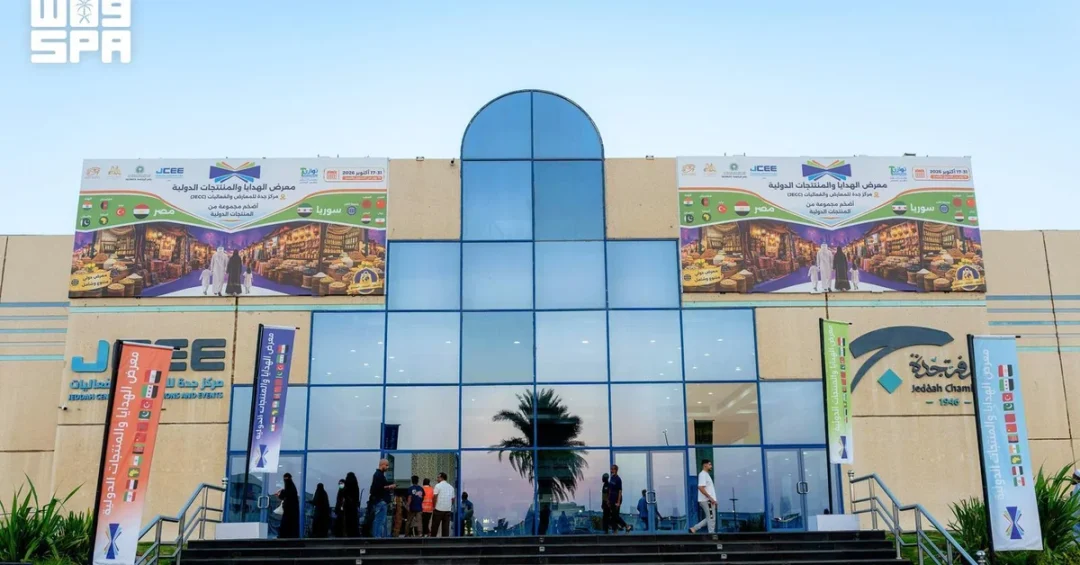
The first International Gifts and Products Exhibition opened at the Jeddah Exhibition and Events Center, drawing strong interest from visitors and shoppers, according to the Saudi Press Agency (SPA). Supported by the Jeddah Chamber, the event brings together manufacturers and suppliers from several countries with the aim of boosting commercial activity and opening new investment opportunities in the retail sector. The exhibition, which runs until early November, has quickly become a focal point for Jeddah’s retail scene, offering a diverse range of goods from around the world. Have you ever wondered how a single exhibition can connect shoppers in Jeddah with artisans from Egypt, Turkey, and beyond? This inaugural event showcases the Kingdom’s growing role as a hub for international trade and cultural exchange.
The exhibition features a wide array of products across international pavilions, including Egyptian cotton goods, abayas, and accessories; Syrian textiles, foods, and sweets; Turkish carpets and crafts; Iranian carpets and saffron; Indian and Pakistani spices; and incense and souvenirs from African and Gulf countries. Morocco and Tunisia are displaying embroidered kaftans, argan oil, natural cosmetics, colorful ceramics, copperware, traditional textiles, dates, and olive oil. Visitors can watch live craft demonstrations, sample international foods and spices, view heritage fashion, and enjoy traditional hospitality, while vendors offer special discounts as the exhibition nears its close. The event not only provides a platform for businesses to reach new customers but also reinforces Jeddah’s position as a commercial gateway to the Red Sea region.
Context and Background
Why has Jeddah become the preferred host for such a diverse international exhibition? The city has long been a commercial hub, benefiting from its strategic location on the Red Sea and its proximity to the holy cities of Makkah and Madinah. The Jeddah Chamber, which supports the event, has a history of promoting trade and investment in the region. The International Gifts and Products Exhibition is part of a broader effort to stimulate the retail sector, which is a key component of Saudi Arabia’s non-oil economy. By bringing together manufacturers and suppliers from multiple countries, the exhibition facilitates direct business-to-business interactions and provides consumers with access to unique products that are not commonly available in local markets. This aligns with the Kingdom’s Vision 2030 objectives of diversifying the economy and enhancing the private sector’s role.
The timing of the exhibition is significant, as it coincides with the peak shopping season in Jeddah, when residents and visitors are preparing for various social and religious occasions. The event also serves as a platform for small and medium-sized enterprises (SMEs) to showcase their products, which is crucial for job creation and economic growth. Moreover, the exhibition underscores Saudi Arabia’s commitment to fostering international trade relationships and cultural exchange. The presence of participants from countries such as Egypt, Syria, Turkey, Iran, India, Pakistan, Morocco, and Tunisia highlights the Kingdom’s role as a bridge between different regions. This is not just a shopping event; it is a testament to the vibrant commercial ecosystem that Jeddah has cultivated over decades.
Key Details and Highlights
What can visitors expect to see and experience at this groundbreaking exhibition? The event is organized into distinct pavilions, each representing a country or region. The Egyptian pavilion is particularly popular, offering high-quality cotton goods, abayas, and accessories that reflect the country’s rich textile heritage. Syrian exhibitors are showcasing textiles, foods, and sweets, providing a taste of Levantine culture. Turkish carpets and crafts are drawing attention for their intricate designs and craftsmanship. Iranian carpets and saffron are also on display, highlighting the country’s renowned expertise in these areas. Indian and Pakistani spices add a sensory dimension to the exhibition, with their aromatic blends attracting food enthusiasts. African and Gulf countries are represented with incense and souvenirs, offering a glimpse into their unique traditions.
Morocco and Tunisia have brought embroidered kaftans, argan oil, natural cosmetics, colorful ceramics, copperware, traditional textiles, dates, and olive oil. These products not only cater to the local demand for authentic goods but also appeal to international visitors seeking unique gifts. Live craft demonstrations are a major draw, allowing visitors to witness the skill and artistry behind the products. For example, artisans are demonstrating traditional weaving, pottery making, and embroidery techniques. Food sampling sessions provide an opportunity to taste international flavors, from Syrian sweets to Moroccan dates. Heritage fashion shows are also part of the program, showcasing traditional attire from various cultures. The exhibition also offers a chance to experience traditional hospitality, with designated areas where visitors can relax and enjoy Arabic coffee and dates.
International and Regional Impact
How does an event like this strengthen Saudi Arabia’s ties with other nations? The International Gifts and Products Exhibition serves as a platform for cultural diplomacy, bringing together people from diverse backgrounds to share their heritage and products. It fosters mutual understanding and respect, which are essential for building long-term international relationships. For participating countries, the exhibition offers access to the Saudi market, which is one of the largest in the Middle East. This can lead to increased exports and investment opportunities. For Saudi Arabia, it reinforces its position as a regional leader in trade and tourism. The event also supports the Kingdom’s efforts to attract foreign investment and promote economic diversification.
Regionally, the exhibition contributes to the integration of economies within the Middle East and North Africa (MENA) region. By facilitating trade among neighboring countries, it helps to create a more interconnected and resilient economic bloc. This is particularly important in the context of global economic uncertainties. The exhibition also showcases Saudi Arabia’s ability to host large-scale international events, which is a key aspect of its Vision 2030 strategy. The successful organization of such events enhances the Kingdom’s reputation as a reliable and attractive destination for business and tourism. Furthermore, the presence of international exhibitors demonstrates their confidence in the Saudi market and their willingness to engage with Saudi consumers and businesses.
Economic and Strategic Significance
What does this exhibition mean for Saudi Arabia’s economic diversification goals? The retail sector is a vital part of the non-oil economy, and events like this stimulate consumer spending and support local businesses. The Jeddah Chamber’s support for the exhibition underscores the private sector’s role in driving economic growth. By attracting international exhibitors, the event also creates opportunities for Saudi businesses to form partnerships and joint ventures. This can lead to technology transfer, knowledge sharing, and increased competitiveness. Additionally, the exhibition generates employment opportunities, both directly and indirectly, in areas such as event management, logistics, and retail. The discounts offered by vendors further encourage spending, which boosts the local economy.
Strategically, the exhibition aligns with the Kingdom’s efforts to enhance its non-oil exports and reduce dependence on hydrocarbon revenues. It also promotes the growth of SMEs, which are essential for job creation and innovation. The event’s focus on gifts and products also taps into the growing demand for unique and culturally significant items, both domestically and internationally. This can help to develop a niche market for Saudi Arabia as a source of high-quality traditional and modern products. Moreover, the exhibition serves as a testbed for new products and business models, providing valuable market feedback to exhibitors. The success of this inaugural event could pave the way for similar exhibitions in other cities, further spreading the economic benefits.
Vision 2030 Alignment
How does the International Gifts and Products Exhibition contribute to Vision 2030? The exhibition directly supports several pillars of Vision 2030, including economic diversification, private sector growth, and international engagement. By boosting the retail sector, it helps to create a more resilient economy that is less reliant on oil. The event also promotes cultural exchange and tourism, which are key focus areas of the Vision. Furthermore, it showcases Saudi Arabia’s ability to host world-class events, which is part of the broader strategy to enhance the Kingdom’s global standing. The Jeddah Chamber’s involvement highlights the importance of public-private partnerships in achieving Vision 2030 goals.
Looking ahead, the exhibition is expected to become an annual fixture, attracting even more participants and visitors in the future. Its success will contribute to the growth of Jeddah as a premier commercial and cultural destination. For international audiences, it offers a unique opportunity to experience the richness of global cultures while doing business in Saudi Arabia. As the Kingdom continues to open up and diversify, events like this will play a crucial role in shaping its economic landscape and global relationships. The first International Gifts and Products Exhibition is not just a marketplace; it is a symbol of Saudi Arabia’s forward-looking vision and its commitment to building a prosperous and interconnected future.
20 Questions
Q1. What is the International Gifts and Products Exhibition?
A1. It is the first international exhibition of gifts and products held at the Jeddah Exhibition and Events Center, supported by the Jeddah Chamber, featuring manufacturers and suppliers from several countries to boost retail activity and investment.
Q2. Where is the exhibition taking place?
A2. The exhibition is being held at the Jeddah Exhibition and Events Center in Jeddah, Saudi Arabia, a major commercial hub on the Red Sea coast.
Q3. When did the exhibition open?
A3. According to the Saudi Press Agency, the exhibition opened on October 30, 2026, and is drawing strong interest from visitors and shoppers.
Q4. Who is supporting the exhibition?
A4. The exhibition is supported by the Jeddah Chamber, which plays a key role in promoting trade and investment in the region.
Q5. Which countries are participating in the exhibition?
A5. Participants include Egypt, Syria, Turkey, Iran, India, Pakistan, Morocco, Tunisia, and several African and Gulf countries, showcasing a wide range of products.
Q6. What types of products are on display?
A6. Products include Egyptian cotton goods, abayas, accessories, Syrian textiles and foods, Turkish carpets, Iranian carpets and saffron, Indian and Pakistani spices, incense, souvenirs, embroidered kaftans, argan oil, ceramics, copperware, dates, and olive oil.
Q7. Are there live demonstrations at the exhibition?
A7. Yes, visitors can watch live craft demonstrations such as traditional weaving, pottery making, and embroidery, as well as sample international foods and spices.
Q8. What is the main goal of the exhibition?
A8. The exhibition aims to boost commercial activity, open new investment opportunities in the retail sector, and facilitate business-to-business interactions.
Q9. How does the exhibition benefit the local economy?
A9. It stimulates consumer spending, supports local businesses, creates employment opportunities, and encourages partnerships between Saudi and international companies.
Q10. What discounts are available?
A10. Vendors are offering special discounts as the exhibition nears its close, providing shoppers with opportunities to purchase unique goods at reduced prices.
Q11. Can visitors sample international foods?
A11. Yes, food sampling is a key feature, with Syrian sweets, Moroccan dates, and other international delicacies available for tasting.
Q12. What is the significance of the exhibition for Jeddah?
A12. It reinforces Jeddah’s position as a commercial gateway and cultural hub, attracting visitors and businesses from around the world.
Q13. How does the exhibition align with Vision 2030?
A13. It supports economic diversification, private sector growth, and international engagement, which are core objectives of Saudi Arabia’s Vision 2030.
Q14. Are there heritage fashion shows?
A14. Yes, heritage fashion shows are part of the program, showcasing traditional attire from various cultures represented at the exhibition.
Q15. What traditional hospitality is offered?
A15. Visitors can enjoy traditional hospitality, including Arabic coffee and dates, in designated areas within the exhibition center.
Q16. Which pavilions are the most popular?
A16. The Egyptian, Syrian, Turkish, and Moroccan pavilions are particularly popular, offering a diverse range of textiles, foods, and crafts.
Q17. How does the exhibition promote cultural exchange?
A17. By bringing together exhibitors and visitors from different countries, it fosters mutual understanding and appreciation of diverse cultures and traditions.
Q18. Will the exhibition become an annual event?
A18. While not officially confirmed, the strong interest and success of the inaugural event suggest it could become a regular fixture, contributing to Jeddah’s commercial calendar.
Q19. What investment opportunities are available?
A19. The exhibition opens new investment opportunities in the retail sector, including partnerships, joint ventures, and direct investments in local and international businesses.
Q20. How can international businesses participate?
A20. International businesses can participate by contacting the Jeddah Chamber or the exhibition organizers to secure pavilion space and showcase their products to Saudi and regional buyers.
Reader Feedback
We value your thoughts. Please share your feedback on this article.
Your feedback helps us improve our coverage.
Related articles
 IsDB and AfDB Strengthen Africa Development Partnership
 Saudi Business Revenues Rise 2.3% to SAR5.628B in 2025
 Commercial Transactions Law Strengthens Saudi Contractual Stability
 AlUla Date Harvest Nears End as Auction Runs to Nov 15
 Oil Prices Decline as Brent Falls to $114.50, WTI to $101.74
 Gold Prices Fall as Dollar Strengthens After Fed Holds Rates