


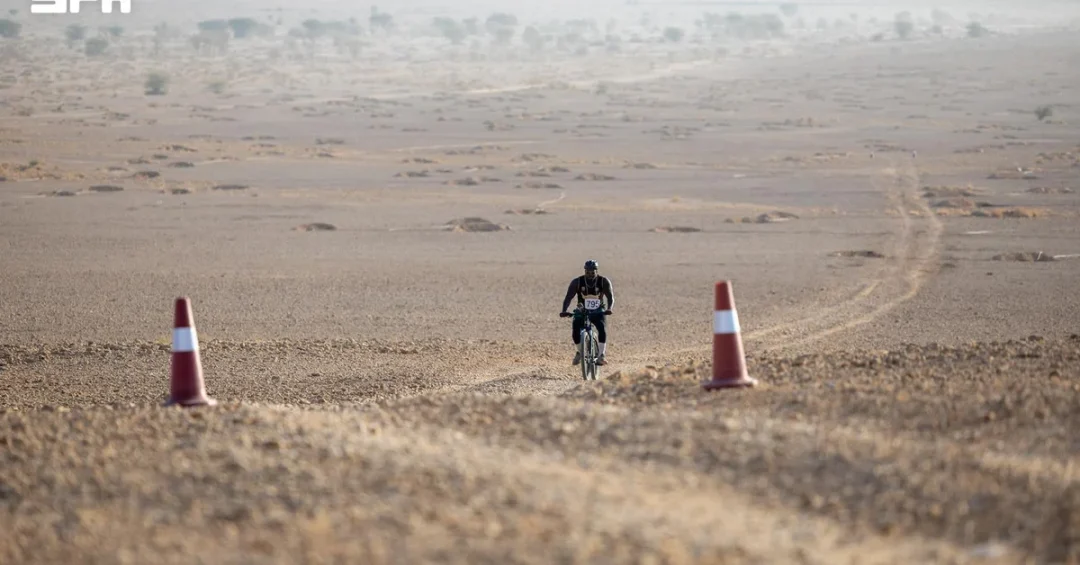
The Tuwaiq Reserve in Riyadh hosted the first round of the Saudi Cycling Federation’s Mountain Bike League on Friday, October 30, 2026, marking the opening of the federation’s 2026–2027 season. The event, announced by the Saudi Press Agency, brought together clubs and amateur cyclists—both male and female—from various nationalities to compete across the reserve’s challenging natural terrain. The club race covered 77 kilometers, while amateur races spanned 47 kilometers for men and 30 kilometers for women. Fayfa Club clinched first place in the club competition, followed by Al-Raed Club and AlUla Club. Saudi Cycling Federation President Abdulaziz Al-Shahrani and CEO Saleh Al-Nashmi presented the awards to the winners. This inaugural round not only showcased athletic excellence but also highlighted Saudi Arabia’s growing reputation as a hub for outdoor sports and adventure tourism. How often do we see a sporting event that simultaneously promotes health, tourism, and community? The answer is increasingly often in the Kingdom, where Vision 2030 is turning ambitious ideas into reality.
The Mountain Bike League is part of a broader strategy by the Saudi Cycling Federation to develop cycling as a competitive sport and a recreational activity. With the 2026–2027 season now underway, the league aims to attract more participants and spectators, building on the momentum of previous seasons. The choice of Tuwaiq Reserve as the venue underscores the Kingdom’s commitment to utilizing its natural landscapes for world-class events. This event is not just a race; it is a statement that Saudi Arabia is open for business, tourism, and sports, welcoming participants and fans from around the globe. As the first round concludes, anticipation builds for the upcoming rounds, which will further cement the league’s status as a key fixture in the regional sporting calendar.
Context and Background
Why does a mountain bike race in the Saudi desert matter on the global stage? The answer lies in the Kingdom’s transformative journey under Vision 2030, which seeks to diversify the economy and promote active lifestyles. The Saudi Cycling Federation has been at the forefront of this movement, organizing events that cater to both professional and amateur cyclists. The Mountain Bike League, now in its 2026–2027 season, is a testament to the federation’s efforts to nurture talent and encourage mass participation. Tuwaiq Reserve, with its rugged terrain and scenic beauty, provides an ideal backdrop for such competitions, offering a unique challenge that tests skill and endurance.
The reserve itself is part of a larger initiative to preserve and showcase Saudi Arabia’s natural heritage. Located near Riyadh, it spans vast areas of desert landscape, including cliffs and valleys that are perfect for mountain biking. The event aligns with the Saudi Green Initiative and the Quality of Life Program, both of which aim to enhance environmental awareness and promote outdoor recreation. By hosting the league’s first round, Tuwaiq Reserve is positioning itself as a premier destination for adventure sports, attracting both local and international enthusiasts. This is not just about a single race; it is about creating a legacy of sports and tourism that will benefit generations to come.
Key Details
What exactly happened at the Tuwaiq Reserve on that Friday? The club race, covering 77 kilometers, saw fierce competition among Saudi clubs, with Fayfa Club emerging victorious. Al-Raed Club and AlUla Club secured second and third places, respectively. The amateur races, split into 47 kilometers for men and 30 kilometers for women, attracted a diverse group of cyclists of various nationalities, reflecting the inclusive nature of the sport. The distances were carefully chosen to challenge participants while ensuring safety and enjoyment. The terrain, characterized by rocky paths and sandy stretches, demanded technical prowess and physical stamina.
The award ceremony was led by Saudi Cycling Federation President Abdulaziz Al-Shahrani and CEO Saleh Al-Nashmi, who praised the participants for their dedication and sportsmanship. Their presence underscored the federation’s commitment to recognizing and rewarding athletic achievement. The event also served as a platform to promote cycling as a viable sport for all ages and genders. With the successful completion of the first round, the federation is now gearing up for the next rounds, which will be held in different locations across the Kingdom, each offering unique challenges and opportunities for cyclists to shine.
International and Regional Impact
How does a national mountain bike league resonate beyond Saudi borders? The participation of cyclists from various nationalities signals Saudi Arabia’s growing appeal as a destination for international sports. The Kingdom has been actively hosting global events, from Formula 1 to the Dakar Rally, and the Mountain Bike League adds another dimension to its sporting portfolio. This event not only promotes cultural exchange but also boosts sports tourism, attracting visitors who are eager to explore Saudi Arabia’s landscapes while engaging in their favorite activities. The league’s inclusive format, with separate races for men and women, aligns with global trends toward gender equality in sports.
Regionally, the event strengthens Saudi Arabia’s leadership in promoting sports and recreation in the Gulf and the broader Middle East. By investing in cycling infrastructure and events, the Kingdom is encouraging neighboring countries to follow suit, fostering a spirit of friendly competition and cooperation. The success of the first round is likely to inspire more regional cyclists to participate in future rounds, further elevating the league’s profile. As Saudi Arabia continues to open up to the world, events like this play a crucial role in building bridges and showcasing the Kingdom’s modern, dynamic image.
Economic and Strategic Significance
What economic benefits can a single sports event bring? The Mountain Bike League contributes to the local economy by generating demand for hospitality, transportation, and retail services. Participants and spectators often stay in hotels, dine in restaurants, and purchase equipment, thereby supporting small businesses and creating jobs. Moreover, the event promotes Tuwaiq Reserve as a tourist attraction, which can lead to increased visitor numbers and longer stays. The Saudi Cycling Federation’s investment in such events is a strategic move to diversify revenue streams and reduce dependence on oil, in line with Vision 2030.
Strategically, the league helps position Saudi Arabia as a hub for sports and fitness, which is essential for improving public health and productivity. By encouraging cycling, the Kingdom aims to reduce lifestyle-related diseases and foster a more active society. The event also serves as a testing ground for future international competitions, potentially paving the way for Saudi Arabia to host global cycling championships. The federation’s collaboration with clubs and sponsors demonstrates a multi-stakeholder approach that is key to sustainable sports development. As the season progresses, the economic and strategic impact is expected to grow, benefiting communities across the Kingdom.
Vision 2030 Alignment
How does the Mountain Bike League fit into the grand tapestry of Vision 2030? The Vision’s Quality of Life Program aims to increase sports participation and improve the Kingdom’s global ranking in various sports. The league directly supports these goals by providing opportunities for amateur and professional cyclists to compete and engage in healthy activities. Additionally, it contributes to the Tourism sector by attracting visitors to natural reserves like Tuwaiq, which are being developed as part of the Saudi Green Initiative. The event also aligns with the Human Capability Development Program by nurturing talent and promoting sportsmanship among the youth.
As Saudi Arabia continues its journey toward a diversified and vibrant society, the Mountain Bike League stands as a shining example of how sports can drive positive change. The first round at Tuwaiq Reserve has set a high standard for the rest of the season, and the enthusiasm of participants and organizers alike is palpable. With each race, the Kingdom moves closer to achieving its Vision 2030 targets, proving that sports are not just about competition but also about building a better future for all. The next rounds promise more excitement and further opportunities to showcase Saudi Arabia’s natural beauty and hospitality to the world.
20 Questions
Q1. What event took place at Tuwaiq Reserve on Friday, October 30, 2026?
A1. The first round of the Saudi Cycling Federation’s Mountain Bike League was held, marking the start of the 2026–2027 season with club and amateur races for men and women.
Q2. Which organization hosted the Mountain Bike League event?
A2. The Saudi Cycling Federation organized the event, as part of its ongoing efforts to promote cycling across the Kingdom under Vision 2030.
Q3. What were the distances for the club and amateur races?
A3. The club race covered 77 kilometers. Amateur races covered 47 kilometers for men and 30 kilometers for women, traversing the reserve’s natural terrain.
Q4. Which club won the club competition?
A4. Fayfa Club won first place, followed by Al-Raed Club in second and AlUla Club in third, demonstrating strong competition among Saudi cycling clubs.
Q5. Who presented the awards to the winners?
A5. Saudi Cycling Federation President Abdulaziz Al-Shahrani and CEO Saleh Al-Nashmi presented the awards, recognizing the athletes’ achievements and dedication.
Q6. How many nationalities participated in the event?
A6. Cyclists of various nationalities took part, reflecting the inclusive and international appeal of the league, which welcomes participants from around the world.
Q7. What is the significance of Tuwaiq Reserve as a venue?
A7. Tuwaiq Reserve offers challenging natural terrain ideal for mountain biking, and its selection highlights Saudi Arabia’s commitment to utilizing its landscapes for sports and tourism.
Q8. How does the event support Vision 2030?
A8. It promotes active lifestyles, boosts sports tourism, and aligns with the Quality of Life Program and Saudi Green Initiative, key components of Vision 2030’s goals.
Q9. Were there separate races for men and women?
A9. Yes, the amateur races included a 47-kilometer race for men and a 30-kilometer race for women, ensuring inclusive participation and gender equality in sports.
Q10. What was the role of the Saudi Cycling Federation in this event?
A10. The federation organized the league, set the race distances, and oversaw the event, continuing its mission to develop cycling as a competitive and recreational sport in Saudi Arabia.
Q11. How does the Mountain Bike League contribute to sports tourism?
A11. By attracting participants and spectators from various nationalities, the league draws visitors to Saudi Arabia, who explore local attractions and contribute to the tourism economy.
Q12. What economic benefits does the event bring to the local community?
A12. It generates demand for hospitality, transportation, and retail services, supporting small businesses and creating jobs, in line with economic diversification goals.
Q13. Is the Mountain Bike League part of a larger sports strategy?
A13. Yes, it is a key initiative under the Saudi Cycling Federation’s strategy to promote cycling, aligned with Vision 2030’s aim to increase sports participation and host international events.
Q14. How does the event promote environmental awareness?
A14. By utilizing natural reserves like Tuwaiq, the event encourages appreciation for Saudi Arabia’s environment and supports the Saudi Green Initiative’s conservation efforts.
Q15. What are the upcoming rounds of the league?
A15. The federation plans to hold subsequent rounds in different locations across the Kingdom, each offering unique challenges and continuing to build excitement for the 2026–2027 season.
Q16. How does the event encourage youth participation in sports?
A16. By providing a platform for amateur cyclists, including youth, the league inspires young Saudis to engage in cycling and adopt healthy lifestyles, supporting human capability development.
Q17. What safety measures were in place for the races?
A17. The federation implemented safety protocols, including route marking and medical support, ensuring a secure environment for all participants across the challenging terrain.
Q18. How does the league compare to other Saudi sporting events?
A18. It complements events like Formula 1 and the Dakar Rally, adding a grassroots and participatory dimension that engages the community and promotes active living.
Q19. What role do sponsors play in the Mountain Bike League?
A19. Sponsors provide essential support, enabling the federation to organize high-quality events and promote cycling, while gaining visibility and aligning with Vision 2030’s health and tourism goals.
Q20. What is the long-term goal of the Saudi Cycling Federation?
A20. The federation aims to establish cycling as a popular sport, produce world-class athletes, and position Saudi Arabia as a leading destination for cycling events, contributing to Vision 2030.
Reader Feedback
We value your thoughts. Please share your feedback on this article.
Your feedback helps us improve our coverage.
Related articles
 Al-Shabab Crushes Al-Ahli 6-1 in Saudi Pro League
 Saudi Camel Cup Rotates Across Three Cities to Boost Investment
 NEOM Defeats Diriyah 2-1 in Saudi Pro League
 Saudi U-15 Falls 3-2 to Aruba in World Cup Finale
 Abha Draws 1-1 with Al-Ittihad in Saudi Pro League
 Riyadh Season to Host ZUFFA BOXING 13 on November 14