


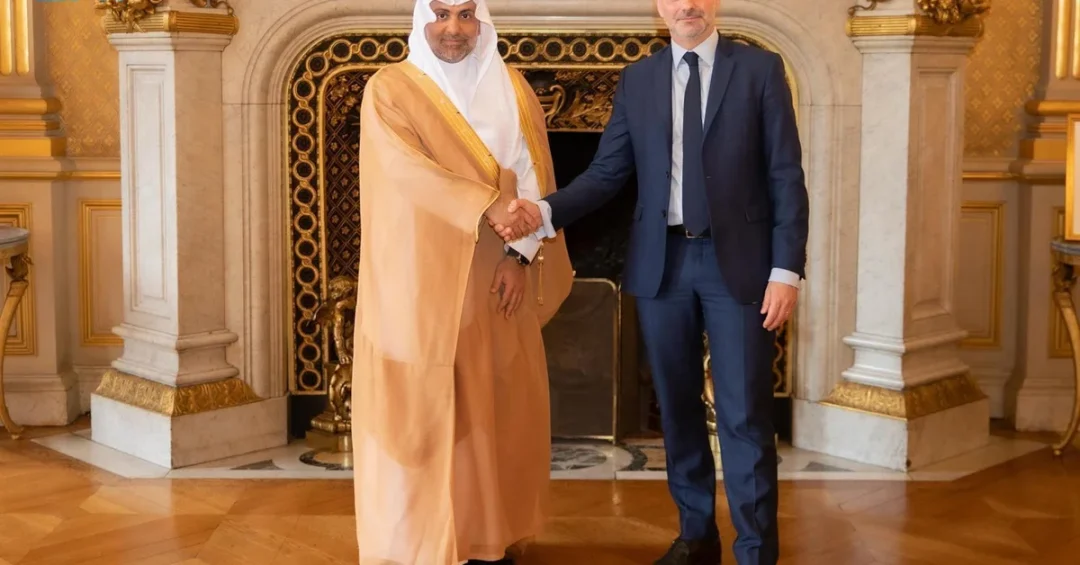
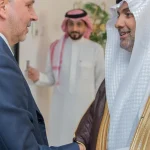
Saudi Minister of Health Fahad Al-Jalajel met with French Minister Delegate for Foreign Trade Laurent Saint-Martin in Paris on April 16, 2025, to discuss enhanced cooperation in health investment, innovation, and digital health, culminating in the signing of a memorandum of understanding (MoU) between the Health Holding Company and France Biotech. The meeting, announced by the Saudi Press Agency (SPA), underscores the Kingdom’s commitment to advancing its healthcare sector through international partnerships, a key pillar of Saudi Vision 2030. The MoU focuses on health technology and supporting the growth of startup companies in the sector, signaling a new chapter in Saudi-French collaboration.
This high-level engagement reflects Saudi Arabia’s proactive approach to global health diplomacy and its drive to diversify the economy by fostering innovation. As the Kingdom continues to invest heavily in healthcare infrastructure and digital transformation, partnerships like this one with France—a leader in life sciences and biotechnology—are poised to accelerate progress. The presence of senior officials from both nations highlights the strategic importance of health as a bridge for bilateral relations. In a world still grappling with post-pandemic health challenges, such collaborations are essential for building resilient, future-ready health systems.
Context and Background
Why is this meeting in Paris drawing attention from global health and business leaders? The answer lies in the evolving nature of Saudi-French relations, which have deepened across multiple sectors in recent years. France, with its robust biotech ecosystem and expertise in digital health, is a natural partner for Saudi Arabia as it seeks to transform its healthcare landscape. The Kingdom’s Ministry of Health has been at the forefront of this transformation, leveraging technology to improve access, quality, and efficiency. The meeting between Minister Al-Jalajel and Minister Saint-Martin builds on a history of cooperation, including previous agreements in areas such as medical research and hospital management.
The timing is significant. Saudi Arabia is in the midst of an ambitious health sector transformation program under Vision 2030, which aims to increase private sector participation, enhance digital health services, and localize manufacturing of pharmaceuticals and medical devices. France, meanwhile, is keen to expand its trade relationships beyond Europe, and Saudi Arabia represents a gateway to the Middle East and North Africa region. The discussions on global supply chains are particularly relevant, as both countries seek to secure critical supplies of medicines and equipment, a lesson learned from the COVID-19 pandemic. This meeting, therefore, is not just about a single MoU; it is about building a strategic partnership that can weather future crises and drive economic growth.
The delegation accompanying Minister Al-Jalajel included Saudi Ambassador to France Fahd bin Mayouf Al-Ruwaili and Assistant Minister of Health Dr. Abdulrahman Al-Aiban, along with senior officials from the Ministry of Health, the Saudi Red Crescent Authority, the Public Health Authority, Seha Virtual Hospital, the Ministerial Committee for Health in All Policies, and the Health Holding Company. This broad representation indicates the comprehensive nature of the talks, covering everything from emergency services to virtual care and public health policies. Such inclusivity ensures that any collaboration will be well-integrated across the Saudi health ecosystem.
Key Details of the Meeting and MoU
What exactly was agreed upon, and who are the key players? The MoU was signed by Abdulaziz Al-Mulhim, Chief Financial Officer at Health Holding Company, and Frédéric Girard, CEO of France Biotech. Health Holding Company is a government-owned entity responsible for managing and operating health clusters across Saudi Arabia, driving efficiency and quality in service delivery. France Biotech is a French association that represents and supports innovative companies in the life sciences and health technology sectors. The MoU focuses on health technology and supporting the growth of startup companies in the sector, which aligns with Saudi Arabia’s goal of becoming a hub for health innovation.
The meeting covered three main areas: health investment, innovation, and digital health. On health investment, the two sides explored opportunities for French companies to invest in Saudi healthcare projects, including hospitals, specialized clinics, and research centers. In terms of innovation, discussions centered on collaborative research and development, particularly in areas such as precision medicine, genomics, and artificial intelligence in diagnostics. Digital health was another key topic, with talks on telemedicine, electronic health records, and remote monitoring—areas where Saudi Arabia has made significant strides, especially through platforms like Seha Virtual Hospital, which provides virtual consultations across the Kingdom.
Global supply chains also featured prominently. Both ministers recognized the need to diversify sources of medical supplies and reduce dependency on single regions. They discussed potential joint ventures to localize production of pharmaceuticals and medical devices in Saudi Arabia, leveraging French expertise and Saudi investment. This not only enhances supply chain resilience but also contributes to Saudi Arabia’s goal of increasing local content in the health sector. The MoU with France Biotech is expected to facilitate technology transfer and create opportunities for Saudi startups to partner with French innovators.
International and Regional Impact
How will this partnership resonate beyond the two countries? The Saudi-French health collaboration has the potential to influence regional health dynamics. Saudi Arabia is a leader in the Gulf Cooperation Council (GCC) and often sets trends that other GCC states follow. By partnering with France, Saudi Arabia is signaling its openness to international collaboration and its commitment to adopting best practices. This could encourage other GCC countries to seek similar partnerships, fostering a more integrated regional health market. Moreover, the focus on digital health and innovation could accelerate the adoption of new technologies across the Middle East, improving health outcomes for millions.
On a global scale, the MoU strengthens the ties between Europe and the Middle East in health technology. France Biotech’s network includes numerous startups with cutting-edge solutions, and access to the Saudi market could provide them with a springboard for expansion into Asia and Africa. Conversely, Saudi startups can benefit from French mentorship and access to European markets. This two-way flow of knowledge and capital exemplifies the kind of win-win cooperation that Saudi Arabia champions in its foreign policy. It also positions the Kingdom as a bridge between continents, facilitating trade and innovation.
Furthermore, the meeting comes amid broader Saudi efforts to attract foreign investment in healthcare. The Kingdom has set ambitious targets to increase private sector contribution to healthcare from 40% to 65% by 2030, and international partnerships are crucial to achieving this. French companies, with their expertise in insurance, hospital management, and medical technology, are well-placed to contribute. The MoU is a step toward realizing these targets, and it may pave the way for more French firms to enter the Saudi market.
Economic and Strategic Significance
Why does this matter economically for Saudi Arabia? The health sector is a key component of Vision 2030’s economic diversification agenda. By fostering a vibrant health tech ecosystem, Saudi Arabia aims to create jobs, attract investment, and reduce reliance on oil. The partnership with France Biotech directly supports the growth of startups, which are vital for job creation and innovation. Startups in health technology can develop solutions for telemedicine, health data analytics, and personalized medicine, among others. These not only improve healthcare but also have export potential, contributing to non-oil GDP.
Strategically, the MoU enhances Saudi Arabia’s position as a regional hub for health technology. The Kingdom is already investing in initiatives like the National Health Innovation Platform and the Saudi Health Council’s digital health strategy. By collaborating with France, Saudi Arabia gains access to a mature innovation ecosystem, including incubators, accelerators, and funding networks. This can help Saudi startups scale faster and compete globally. Additionally, the partnership aligns with the Kingdom’s goal of localizing 50% of pharmaceutical manufacturing by 2030, as technology transfer from French firms can boost local production capabilities.
The economic benefits extend to France as well. Saudi Arabia is a high-value market with a growing population and increasing healthcare expenditure. French companies can find new customers and partners, boosting exports and creating jobs in France. The MoU thus serves the economic interests of both nations, reinforcing the mutual benefits of the Saudi-French relationship.
Vision 2030 Alignment
How does this MoU fit into Saudi Vision 2030? Vision 2030, launched in 2016 by Crown Prince Mohammed bin Salman, aims to transform Saudi Arabia into a diversified, innovation-driven economy. The Health Sector Transformation Program is one of the Vision’s realization programs, focusing on improving healthcare quality and efficiency, and enhancing the sector’s contribution to the economy. The partnership with France Biotech directly supports several objectives: enhancing digital health, fostering innovation, and increasing private sector participation. By supporting startups, it also nurtures an entrepreneurial culture, which is essential for long-term economic growth.
Moreover, the MoU exemplifies the Vision’s emphasis on international cooperation. Saudi Arabia seeks to build bridges with leading nations to transfer knowledge and technology, and France is a valued partner in this endeavor. The meeting between Minister Al-Jalajel and Minister Saint-Martin is a testament to the Kingdom’s proactive diplomacy and its commitment to learning from global best practices. As Saudi Arabia continues its journey toward 2030, such partnerships will be instrumental in achieving its ambitious goals. The health sector, in particular, stands to benefit from this collaboration, ultimately improving the lives of citizens and residents while contributing to the nation’s prosperity.
In conclusion, the signing of this MoU marks a significant milestone in Saudi-French health cooperation. It reflects the Kingdom’s forward-looking approach and its determination to build a world-class healthcare system. As the partnership unfolds, it will undoubtedly bring tangible benefits to both countries and serve as a model for international collaboration in health technology.
20 Questions
Q1. What was the main purpose of the meeting between the Saudi Health Minister and the French Foreign Trade Minister?
A1. The meeting aimed to enhance cooperation between Saudi Arabia and France in health investment, innovation, and digital health, and to explore opportunities for collaboration in global supply chains. It concluded with the signing of an MoU between the Health Holding Company and France Biotech.
Q2. Who signed the memorandum of understanding?
A2. The MoU was signed by Abdulaziz Al-Mulhim, Chief Financial Officer at Health Holding Company, and Frédéric Girard, CEO of France Biotech. The signing was witnessed by Saudi Minister of Health Fahad Al-Jalajel and French Minister Delegate for Foreign Trade Laurent Saint-Martin.
Q3. What does the MoU focus on?
A3. The MoU focuses on health technology and supporting the growth of startup companies in the health sector. It aims to foster innovation, facilitate technology transfer, and create opportunities for Saudi and French startups to collaborate.
Q4. Where did the meeting take place?
A4. The meeting took place in Paris, France, on April 16, 2025. It was part of the Saudi Health Minister’s visit to strengthen bilateral ties in health and trade.
Q5. Who attended the meeting from the Saudi side?
A5. The meeting was attended by Saudi Ambassador to France Fahd bin Mayouf Al-Ruwaili, Assistant Minister of Health Dr. Abdulrahman Al-Aiban, and senior officials from the Ministry of Health, Saudi Red Crescent Authority, Public Health Authority, Seha Virtual Hospital, Ministerial Committee for Health in All Policies, and Health Holding Company.
Q6. What are the key areas of cooperation discussed?
A6. The discussions covered health investment, innovation, digital health, and global supply chains. The two sides explored opportunities for French companies to invest in Saudi healthcare and for joint efforts in telemedicine, AI, and localized manufacturing.
Q7. How does this partnership align with Saudi Vision 2030?
A7. It aligns with Vision 2030 by promoting healthcare transformation, digital health, innovation, and private sector participation. It supports the goal of diversifying the economy and enhancing the quality of health services.
Q8. What is Health Holding Company?
A8. Health Holding Company is a Saudi government-owned entity responsible for managing and operating health clusters across the Kingdom. It drives efficiency, quality, and innovation in healthcare delivery.
Q9. What is France Biotech?
A9. France Biotech is a French association representing and supporting innovative companies in life sciences and health technology. It fosters growth and collaboration in the biotech sector.
Q10. What are the expected benefits for Saudi Arabia?
A10. Saudi Arabia expects to gain access to French expertise, technology transfer, and investment in health tech. This will help grow local startups, improve healthcare, and create jobs, supporting economic diversification.
Q11. What are the expected benefits for France?
A11. France benefits from access to the Saudi market, opportunities for French companies to expand, and collaboration with Saudi partners. This boosts exports and strengthens bilateral ties.
Q12. How does this MoU impact the Saudi health sector?
A12. It accelerates digital transformation, fosters innovation, and supports startups. It also enhances supply chain resilience and local manufacturing of medical products, improving overall healthcare quality.
Q13. What is the significance of the timing of this meeting?
A13. The meeting comes as Saudi Arabia intensifies efforts to transform its health sector under Vision 2030. It also follows global lessons from the pandemic about supply chain resilience, making the partnership timely and strategic.
Q14. Will this MoU lead to more French investments in Saudi Arabia?
A14. It is expected to encourage French investments in Saudi healthcare, as it opens channels for collaboration and showcases opportunities. The MoU signals a favorable environment for French companies.
Q15. How does this collaboration affect regional health dynamics?
A15. It positions Saudi Arabia as a leader in health innovation in the GCC, encouraging other countries to seek similar partnerships. It also fosters a more integrated regional health market.
Q16. What role does digital health play in this partnership?
A16. Digital health is a key focus, with discussions on telemedicine, electronic health records, and remote monitoring. Saudi Arabia’s Seha Virtual Hospital exemplifies its commitment to digital health, and France’s expertise can further advance this.
Q17. What are the next steps after the MoU signing?
A17. The next steps include implementing the MoU’s provisions, such as facilitating startup collaborations, organizing joint events, and exploring specific projects. Both sides will work to turn the agreement into tangible outcomes.
Q18. How does this partnership support Saudi Arabia’s local content goals?
A18. By promoting technology transfer and joint ventures, it helps localize production of pharmaceuticals and medical devices, increasing local content in the health sector, a key Vision 2030 objective.
Q19. What is the broader significance of Saudi-French health cooperation?
A19. It strengthens bilateral relations, fosters innovation, and addresses global health challenges. It serves as a model for international collaboration, showcasing Saudi Arabia’s openness and France’s expertise.
Q20. How will this MoU benefit patients in Saudi Arabia?
A20. Patients will benefit from improved access to advanced health technologies, better digital health services, and innovative treatments. The partnership aims to enhance the quality and efficiency of healthcare delivery across the Kingdom.
Reader Feedback
We value your thoughts. Please share your feedback on this article.
Your feedback helps us improve our coverage.
Related articles
 Saudi Health Minister Forges Partnerships in Paris
 KFSHRC’s Transplant Centre Wins Innovation Award in Abu Dhabi
 Saudization in Healthcare: New Rules for 4 Professions
 Saudi Health Minister Visits Sanofi in Lyon, Signs MoU
 Saudi Health Minister Concludes Visit to France
 Saudi, Italian Health Ministers Meet to Boost Cooperation