


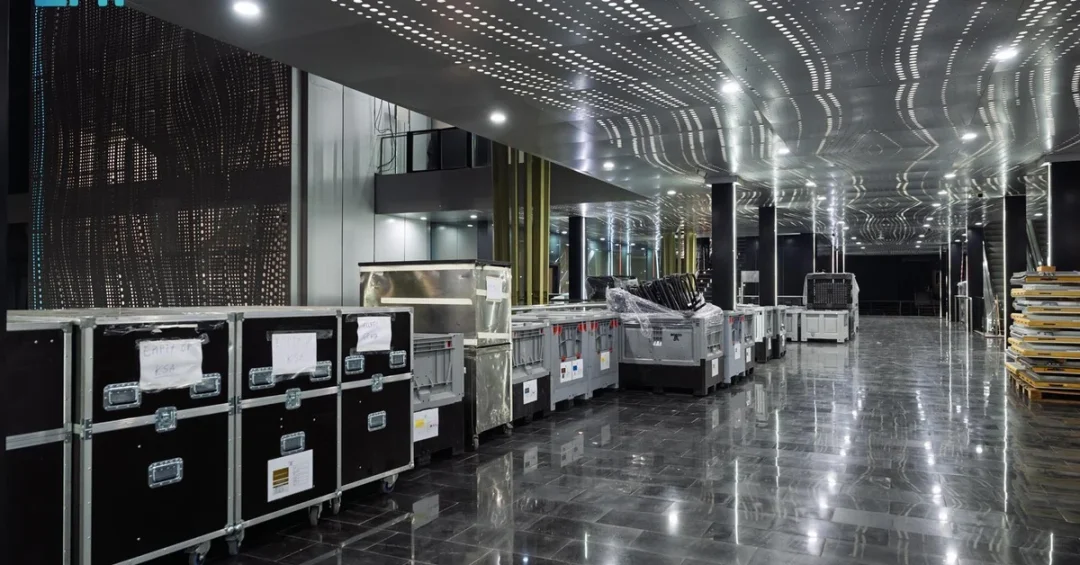
The Jeddah Corniche Circuit, renowned as the world’s fastest street circuit, has officially welcomed the race cars of the top teams competing in the Formula 1 stc Saudi Arabian Grand Prix, set to take place from April 18 to 20, 2025. This marks the fifth consecutive year that the Kingdom of Saudi Arabia hosts this thrilling event, underscoring its growing stature as a premier destination for global motorsport. The arrival of the sleek, high-performance vehicles signals the start of an action-packed weekend that will feature 20 elite drivers from 10 outstanding teams, all vying for glory on the challenging Jeddah streets. With massive audiences buzzing with excitement and extensive media coverage from local and international outlets gearing up, the atmosphere is electric. How has Saudi Arabia managed to elevate a single race into a cornerstone of its global sports ambitions? The answer lies in a strategic vision that blends world-class infrastructure, passionate fan engagement, and unwavering government support.
The Formula 1 stc Saudi Arabian Grand Prix is more than just a race; it is a testament to the Kingdom’s rapid transformation under Vision 2030. Since its debut in 2021, the event has consistently attracted record-breaking crowds and global attention, showcasing Saudi Arabia’s ability to host mega-events with professionalism and flair. The Jeddah Corniche Circuit, with its breathtaking Red Sea backdrop and high-speed straights, has become a favorite among drivers and fans alike. As the teams unpack their cars and fine-tune their machines, the anticipation builds for a weekend that promises heart-stopping overtakes, strategic brilliance, and unforgettable moments. What does this mean for the future of motorsport in the region? It signals a new era where Saudi Arabia is not just a participant but a leader in the global sports arena.
Context and Background
How did Saudi Arabia become a fixture on the Formula 1 calendar in just a few years? The journey began with the inaugural Saudi Arabian Grand Prix in 2021, held at the Jeddah Corniche Circuit. From the outset, the event broke records, earning the title of the fastest street circuit in the world due to its average speed and minimal run-off areas. The race was immediately embraced by the international motorsport community, who praised the challenging layout and the warm reception from Saudi fans. The Ministry of Sport, under the leadership of His Royal Highness Prince Abdulaziz bin Turki Al-Faisal, has been instrumental in securing a long-term deal with Formula 1, ensuring that the Kingdom remains a key stop on the global tour. This commitment reflects a broader strategy to diversify the economy and promote Saudi Arabia as a hub for entertainment and tourism.
The event’s return for a fifth consecutive year is a clear indication of its success and sustainability. Unlike many new entrants to the F1 calendar, the Saudi Arabian Grand Prix has consistently delivered high-stakes racing and dramatic finishes. The 2021 race saw Lewis Hamilton triumph in a controversial and thrilling battle, while subsequent years have produced memorable moments, including Max Verstappen’s dominant performances. The circuit itself has undergone minor tweaks to enhance safety and overtaking opportunities, further solidifying its reputation. Moreover, the race weekend is now a cornerstone of Saudi Arabia’s sporting calendar, attracting fans from across the globe. How does this continuity benefit the Kingdom? It builds a legacy of excellence, fosters national pride, and creates a platform for economic and cultural exchange.
Beyond the on-track action, the Saudi Arabian Grand Prix serves as a catalyst for community engagement and youth inspiration. Local schools and universities often organize trips to the circuit, allowing students to witness the pinnacle of engineering and teamwork. The Ministry of Sport has also launched grassroots initiatives, such as karting championships and driver development programs, to nurture homegrown talent. These efforts are part of a larger push to increase sports participation across the Kingdom, aligning with Vision 2030’s Quality of Life Program. As the cars arrive at the Jeddah Corniche Circuit, they bring with them not just speed and excitement but also a message of opportunity and aspiration for the next generation of Saudi athletes and engineers.
Key Details of the Grand Prix Weekend
What can fans expect from the 2025 Formula 1 stc Saudi Arabian Grand Prix? The weekend will feature three days of intense competition, starting with practice sessions on Friday, April 18, followed by qualifying on Saturday and the main race on Sunday, April 20. The 20 drivers from 10 teams will navigate the 27-turn, 6.174-kilometer circuit, which is known for its high-speed corners and tight walls. The race is expected to be a strategic battle, with teams grappling with tire degradation and the unique challenges of a night race under floodlights. The Jeddah Corniche Circuit’s layout encourages close racing, and with the 2025 cars boasting improved aerodynamics and power, spectators can anticipate numerous overtakes and perhaps a few surprises. The event will be broadcast to millions worldwide, further amplifying Saudi Arabia’s global reach.
The arrival of the cars is a logistical feat in itself. Each team transports its equipment, including two race cars, spare parts, and sophisticated telemetry systems, via cargo planes and trucks. Once at the circuit, engineers and mechanics work tirelessly to assemble and calibrate the vehicles, ensuring they are ready for the rigors of the track. The paddock area, a temporary hub of activity, buzzes with the expertise of hundreds of professionals. For the teams, the Saudi Arabian Grand Prix is not just another race; it is an opportunity to perform in front of a passionate and knowledgeable crowd. The stc title sponsorship, a testament to Saudi Telecom Company’s commitment to sports, highlights the integration of local brands into global events. How does this level of preparation reflect Saudi Arabia’s capabilities? It demonstrates meticulous planning and execution, hallmarks of the Kingdom’s approach to hosting international events.
Media coverage for the event is extensive, with accredited journalists from around the world descending on Jeddah. The Ministry of Sport has established a state-of-the-art media center, providing high-speed internet, broadcast facilities, and interview areas. This infrastructure ensures that the story of the race reaches every corner of the globe, from Europe to Asia and the Americas. Social media platforms are also abuzz, with fans sharing their excitement and predictions. The race’s official hashtags trend worldwide, further cementing its status as a global phenomenon. For Saudi Arabia, this media exposure is invaluable, offering a platform to showcase its modernization and hospitality. What impact does this have on the Kingdom’s image? It reinforces its position as a dynamic, forward-thinking nation capable of hosting world-class events.
International and Regional Impact
How does the Formula 1 stc Saudi Arabian Grand Prix influence the Middle East’s sporting landscape? The event has spurred a wave of investment in sports infrastructure across the region, with neighboring countries seeking to emulate Saudi Arabia’s success. The Kingdom’s ability to attract Formula 1, along with other major events like the Dakar Rally and the Saudi Pro League, has positioned it as a leader in sports tourism. This leadership extends beyond the region, as Saudi Arabia now plays a pivotal role in global motorsport governance. The race also fosters diplomatic ties, bringing together teams, sponsors, and fans from diverse backgrounds. In a world where sports often transcend politics, the Saudi Arabian Grand Prix serves as a bridge between cultures, promoting understanding and cooperation. The Ministry of Sport’s vision to elevate Saudi Arabia’s presence on the global sports stage is clearly coming to fruition.
Regionally, the event has a significant economic impact, drawing visitors from Gulf Cooperation Council countries and beyond. Hotels in Jeddah report near-full occupancy during race weekend, and local businesses, from restaurants to retail outlets, experience a surge in activity. The Saudi Tourism Authority has leveraged the race to promote the Kingdom as a year-round destination, highlighting attractions such as the historic Al-Balad district and the Red Sea coastline. For many international visitors, the race is their first introduction to Saudi Arabia, and the positive experiences they have often lead to return visits. How does this align with Saudi Arabia’s tourism goals? It directly supports the Vision 2030 objective of increasing tourism’s contribution to GDP and welcoming 100 million visitors annually by 2030.
The race also has a profound impact on the local community in Jeddah. The Jeddah Corniche Circuit has become a source of pride for residents, who eagerly anticipate the event each year. The Ministry of Sport collaborates with local authorities to ensure minimal disruption and maximum benefit for the city. Traffic management plans are implemented, and public transport options are enhanced to accommodate the influx of spectators. Additionally, community programs run alongside the race, including charity events and youth workshops, fostering a sense of ownership and participation. What does this mean for the people of Jeddah? It means they are not just hosts but active participants in a global celebration that brings tangible benefits to their city.
Economic and Strategic Significance
What economic value does the Formula 1 stc Saudi Arabian Grand Prix bring to the Kingdom? According to official estimates, the race generates hundreds of millions of dollars in economic activity, from ticket sales and hospitality to sponsorship and broadcasting rights. The event also serves as a showcase for Saudi Arabia’s non-oil sectors, aligning with Vision 2030’s economic diversification goals. The stc sponsorship, for instance, highlights the growing role of Saudi companies in global sports marketing. Moreover, the race stimulates investment in related industries, such as construction, transportation, and tourism, creating jobs and fostering innovation. The Ministry of Sport’s partnership with Formula 1 is a strategic move to position Saudi Arabia as a hub for entertainment and leisure, attracting foreign direct investment and enhancing the Kingdom’s competitiveness.
Strategically, hosting a Formula 1 race is a soft power tool that enhances Saudi Arabia’s global influence. The event provides a platform to showcase the Kingdom’s modernization and cultural heritage to a worldwide audience. It also strengthens ties with key allies and partners, as diplomats and business leaders often attend the race. The presence of international media ensures that stories of Saudi Arabia’s transformation reach millions, countering outdated perceptions and highlighting the Kingdom’s progress. Furthermore, the race serves as a catalyst for youth engagement, inspiring young Saudis to pursue careers in engineering, sports management, and hospitality. How does this contribute to Saudi Arabia’s long-term strategy? It builds human capital and fosters a knowledge-based economy, both essential for sustainable development.
The economic ripple effects extend beyond Jeddah to the entire nation. Small and medium enterprises, from local food vendors to handicraft artisans, benefit from the influx of visitors. The Saudi Exhibition and Convention Bureau reports a spike in business tourism around the race, with companies hosting conferences and networking events. Additionally, the race promotes Saudi Arabia as a destination for major sporting events, paving the way for future bids for events like the Olympics or the FIFA World Cup. The Ministry of Sport’s comprehensive approach ensures that the benefits are widespread and lasting. What does this mean for the Saudi economy? It means a more resilient, diversified economy that is less dependent on oil and more integrated into the global marketplace.
Vision 2030 Alignment
How does the Formula 1 stc Saudi Arabian Grand Prix embody the goals of Vision 2030? The race is a prime example of how Saudi Arabia is leveraging sports to drive economic growth, social progress, and global engagement. Under Vision 2030, the Kingdom aims to increase household spending on entertainment, and events like the Grand Prix contribute directly to that target. The race also promotes the Quality of Life Program by providing world-class entertainment and encouraging healthy lifestyles. Furthermore, it supports the National Transformation Program by enhancing government efficiency and fostering public-private partnerships. The Ministry of Sport’s role in organizing the event demonstrates the government’s commitment to creating a vibrant society and a thriving economy. As the cars speed around the Jeddah Corniche Circuit, they carry with them the aspirations of a nation on the move.
In conclusion, the arrival of the Formula 1 cars at the Jeddah Corniche Circuit is a moment of pride and anticipation for Saudi Arabia. It symbolizes the Kingdom’s successful integration into the global sports community and its unwavering pursuit of excellence. The race weekend will not only deliver thrilling entertainment but also reinforce Saudi Arabia’s position as a leader in sports, tourism, and innovation. As the world watches, the Kingdom will once again demonstrate its ability to host an event of unparalleled magnitude with grace and professionalism. What does the future hold for Saudi Arabia and Formula 1? A continued partnership that will inspire generations, drive economic diversification, and showcase the very best of Saudi Arabia to the world. With Vision 2030 as its guiding light, the Kingdom is poised to accelerate toward an even brighter tomorrow.
20 Questions
Q1. What is the Jeddah Corniche Circuit known for?
A1. The Jeddah Corniche Circuit is renowned as the world’s fastest street circuit, featuring 27 turns and a length of 6.174 kilometers. It is celebrated for its high-speed layout and challenging walls, providing thrilling racing action.
Q2. How many teams and drivers are competing in the 2025 Saudi Arabian Grand Prix?
A2. The event features 20 elite drivers from 10 outstanding teams. These include all the top Formula 1 constructors, ensuring a highly competitive field and a spectacular showcase of motorsport talent.
Q3. When is the Formula 1 stc Saudi Arabian Grand Prix taking place?
A3. The race weekend runs from April 18 to 20, 2025. Practice sessions begin on Friday, qualifying on Saturday, and the main race on Sunday evening under floodlights at the Jeddah Corniche Circuit.
Q4. How does the event align with the Ministry of Sport’s vision?
A4. The Ministry of Sport aims to elevate Saudi Arabia’s global sports presence and foster partnerships. The Grand Prix exemplifies this by hosting a major international event with world-class facilities and professionalism, enhancing the Kingdom’s reputation.
Q5. What is the significance of stc’s title sponsorship?
A5. stc’s sponsorship highlights the growing role of Saudi companies in global sports marketing. It underscores the integration of local brands with international events, supporting Vision 2030’s economic diversification goals.
Q6. How many consecutive years has Saudi Arabia hosted the Grand Prix?
A6. 2025 marks the fifth consecutive year that Saudi Arabia has hosted the Formula 1 Saudi Arabian Grand Prix. This continuity demonstrates the event’s success and the Kingdom’s commitment to global motorsport.
Q7. What economic benefits does the race bring to Jeddah?
A7. The race generates hundreds of millions in economic activity, boosts hotel occupancy, and stimulates local businesses. It also promotes tourism and creates jobs, aligning with Vision 2030’s economic diversification objectives.
Q8. How does the event impact Saudi Arabia’s international image?
A8. The Grand Prix showcases Saudi Arabia’s modernization, hospitality, and capability to host mega-events. It attracts global media coverage, helping to counter outdated perceptions and highlight the Kingdom’s progress.
Q9. What community initiatives are linked to the Grand Prix?
A9. The Ministry of Sport organizes grassroots programs, school visits, and youth workshops alongside the race. These initiatives inspire young Saudis and promote participation in sports, supporting the Quality of Life Program.
Q10. How does the race support Vision 2030?
A10. The Grand Prix contributes to Vision 2030 by boosting entertainment spending, promoting tourism, and enhancing global engagement. It aligns with goals to diversify the economy and improve quality of life for citizens and residents.
Q11. What infrastructure improvements have been made for the race?
A11. The Jeddah Corniche Circuit has been refined for safety and overtaking, and the city has enhanced transport and hospitality facilities. These upgrades ensure a world-class experience for teams, fans, and media.
Q12. How many visitors are expected to attend the race?
A12. While exact figures vary, the event typically attracts tens of thousands of spectators from Saudi Arabia and abroad. The 2025 edition is expected to draw massive crowds, reflecting its growing popularity.
Q13. What role does the Saudi Tourism Authority play?
A13. The Saudi Tourism Authority leverages the race to promote the Kingdom as a year-round destination. It highlights attractions like Al-Balad and the Red Sea, aiming to increase visitor numbers in line with Vision 2030.
Q14. How does the race promote youth engagement?
A14. The event inspires young Saudis through exposure to engineering, teamwork, and sports management. Scholarships and training programs are often tied to the race, nurturing future talent and fostering national pride.
Q15. What media facilities are available for journalists?
A15. A state-of-the-art media center provides high-speed internet, broadcast studios, and interview areas. This ensures comprehensive coverage and helps share Saudi Arabia’s story with a global audience.
Q16. How does the race contribute to Saudi Arabia’s soft power?
A16. By hosting a prestigious global event, Saudi Arabia enhances its influence and builds diplomatic ties. The race projects an image of a modern, open nation, strengthening its position on the world stage.
Q17. What are the environmental considerations of the race?
A17. Formula 1 and Saudi authorities prioritize sustainability, with initiatives like carbon offsets and waste reduction. The Jeddah circuit also incorporates eco-friendly practices, aligning with Vision 2030’s environmental goals.
Q18. How does the race impact local businesses?
A18. Local businesses, from hotels to restaurants and retail, experience a surge in demand during race weekend. This boosts revenue and creates temporary jobs, contributing to the local economy and community development.
Q19. What future events might Saudi Arabia host?
A19. Building on the Grand Prix’s success, Saudi Arabia is bidding for major events like the FIFA World Cup and the Olympics. These ambitions reflect the Kingdom’s growing status as a global sports hub.
Q20. What is the long-term vision for motorsport in Saudi Arabia?
A20. The long-term vision includes nurturing homegrown drivers, expanding grassroots programs, and hosting more international races. This will cement Saudi Arabia’s role as a leader in motorsport and inspire future generations.
Reader Feedback
We value your thoughts. Please share your feedback on this article.
Your feedback helps us improve our coverage.
Related articles
 Saudi Runner Hakeem Adds Second Gold at Asian U18 Championships
 Al-Baha to Host Fourth Saudi Cycling Championship Tomorrow
 European Rowing Championships in Plovdiv Draw Global Media Interest
 Jeddah Announces Road Closures for F1 Saudi Arabian Grand Prix
 Riyadh to Host Asian Racing Conference in February 2026
 Free Practice Sessions Begin for STC Saudi Arabian Grand Prix