


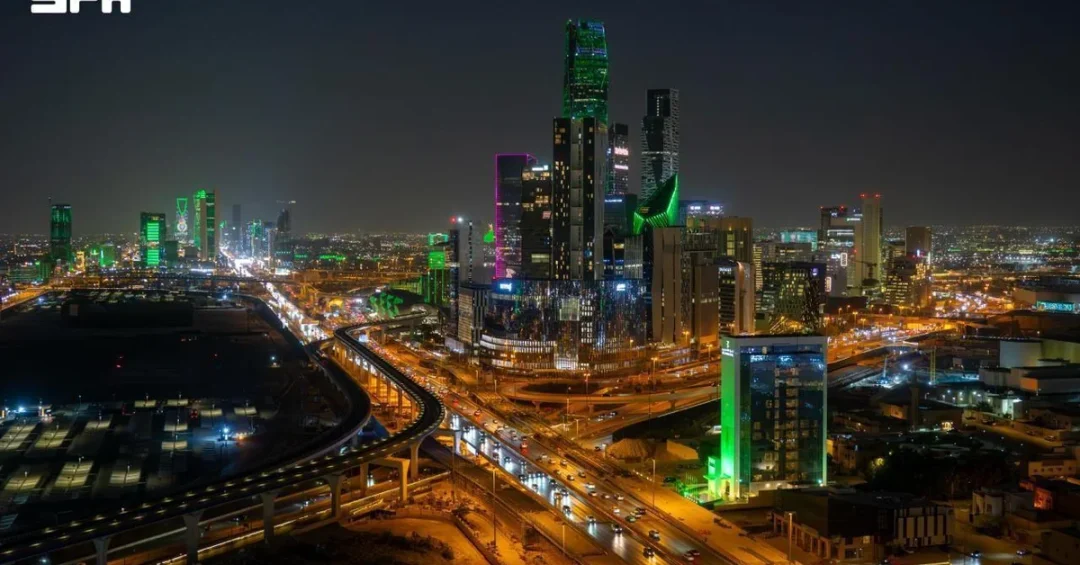
Riyadh is advancing a comprehensive urban transformation that is reshaping the Saudi capital’s landscape, upgrading infrastructure, and integrating architectural heritage with modern design and sustainability, according to information released by the Saudi Press Agency (SPA) on the occasion of World Cities Day, observed annually on October 31. The transformation reflects a strategic effort to create a more integrated urban environment that responds to economic and social changes, improves quality of life, and supports the Kingdom’s ambition to build more prosperous and competitive cities. As the world marks World Cities Day, Riyadh stands as a vivid example of how urban planning can honor the past while embracing the future. How is one of the world’s fastest-growing capitals managing to balance tradition and modernity on such a massive scale?
The projects underway in Riyadh are not merely about expanding outward or building upward; they represent a fundamental shift in urban planning that reorganizes land use around transportation networks and public services, taking functional, environmental, and social needs into account. This approach strengthens connections between economic centers, residential neighborhoods, and cultural and entertainment destinations, creating a more cohesive urban environment. The transformation coincides with World Cities Day, an occasion of particular significance for Riyadh as major projects continue to reshape the city’s urban structure. These initiatives aim to strengthen connections between neighborhoods and key destinations, improve infrastructure and public spaces, expand greenery, and enhance transportation networks, making the capital more resilient and better prepared for future growth.
Context and Background
What drives a city to reinvent itself while preserving its identity? For Riyadh, the answer lies in a forward-looking vision that recognizes the need to adapt to rapid demographic and economic growth. Over the past decade, the Saudi capital has experienced significant expansion, with population growth and economic diversification creating new demands on infrastructure, housing, and public services. The urban transformation now underway is a direct response to these challenges, aiming to create a city that is not only efficient but also livable and sustainable. As the city develops, Riyadh continues to preserve the historical and architectural landmarks that define its identity. Traditional buildings stand alongside contemporary developments, tracing the capital’s evolution from Al-Masmak Palace and the historic Al-Dirah markets to the King Abdullah Financial District and other modern landmarks that have transformed its skyline.
This evolution is guided by a clear understanding that urban development must go beyond physical structures. The integration of heritage sites with modern infrastructure ensures that Riyadh’s unique character remains at the heart of its growth. The city’s approach reflects a broader trend in global urbanism, where cities seek to balance economic competitiveness with cultural authenticity and environmental responsibility. Riyadh’s efforts are aligned with Saudi Vision 2030, which aims to diversify the economy, improve quality of life, and position the Kingdom as a global leader in innovation and sustainability. By investing in comprehensive urban projects, Riyadh is setting a benchmark for other cities in the region and beyond.
Key Details of the Transformation
What are the concrete components of this urban transformation? Public transportation is central to the effort. The King Abdulaziz Public Transport Project, which includes the Riyadh Metro, is helping reshape mobility across the capital. The metro network comprises six lines spanning 176 kilometers and 85 stations, connecting economic centers and residential neighborhoods with educational institutions, public services, and key destinations. This extensive network is designed to reduce traffic congestion, lower carbon emissions, and provide residents with a reliable and efficient alternative to private vehicles. The metro is not just a transport system; it is a catalyst for transit-oriented development, encouraging denser, mixed-use neighborhoods around stations.
Environmental sustainability is another priority, with efforts focused on restoring natural features and expanding green spaces. The Green Riyadh Program supports these goals through extensive tree planting, the development of green areas, urban landscape improvements, and the integration of environmental considerations into city planning. King Salman Park is another major project redefining the role of public spaces in Riyadh. Combining natural landscapes with cultural, sports, and entertainment facilities, the park brings the outdoors into the heart of the city and creates more opportunities for community activities in open spaces. Wadi Hanifah remains one of Riyadh’s most prominent natural landmarks and an important part of its geographical identity. Its natural landscapes and rehabilitated areas demonstrate the value of preserving environmental resources and incorporating them into urban development, supporting ecological balance and providing open spaces that connect residents with their surroundings.
Cultural enrichment is also a key pillar. The Riyadh Art project is enriching the capital’s urban landscape by bringing creative works to public squares, streets, parks, and public facilities. These installations enhance the city’s visual and cultural appeal while strengthening the connection between art, architecture, and everyday life. This approach reflects a broader vision of urban development that extends beyond buildings and infrastructure to embrace the city’s cultural and aesthetic character. Integrating art into public spaces adds a human dimension to the urban environment, encourages interaction among residents, and makes culture a central part of city life. How often does a city get to redefine its cultural narrative while simultaneously upgrading its infrastructure? Riyadh is doing both at once.
International and Regional Impact
How does Riyadh’s transformation resonate beyond its borders? As one of the largest urban development programs in the Middle East, Riyadh’s projects are drawing international attention and setting new standards for sustainable urbanism. The city’s integrated approach—combining transport, green space, culture, and heritage—offers a model for other rapidly growing cities in the region and around the world. International observers have noted that Riyadh’s ability to execute such a complex transformation while maintaining social and cultural continuity is a testament to effective planning and strong institutional coordination. The Riyadh Metro, in particular, has been praised for its scale and efficiency, with the potential to inspire similar projects in other Gulf cities.
Regionally, Riyadh’s development reinforces Saudi Arabia’s role as a leader in urban innovation and economic diversification. The city’s enhanced connectivity and quality of life are expected to attract foreign investment, tourism, and talent, further integrating the Kingdom into the global economy. The transformation also supports Saudi Arabia’s diplomatic and soft power objectives by showcasing the Kingdom’s commitment to modernity and sustainability. As Riyadh becomes a more attractive destination for business and leisure, it strengthens the Kingdom’s position as a hub for regional headquarters and international events. The city’s progress is a clear signal that Saudi Arabia is not only keeping pace with global urban trends but also helping to shape them.
Economic and Strategic Significance
What does this transformation mean for Saudi Arabia’s economy? The urban development projects are a major driver of economic growth, creating jobs, stimulating local industries, and attracting foreign direct investment. The construction and operation of the Riyadh Metro, for example, have generated thousands of employment opportunities and supported the development of local supply chains. The Green Riyadh Program and King Salman Park are similarly expected to boost economic activity through tourism, recreation, and increased property values. These projects are integral to the Kingdom’s efforts to diversify its economy away from oil dependence, a core objective of Saudi Vision 2030.
Strategically, the transformation enhances Riyadh’s competitiveness as a global city. By improving infrastructure, public spaces, and environmental quality, Riyadh is positioning itself as a preferred location for international companies, regional headquarters, and high-value events. The city’s upgraded transport network and expanded green spaces contribute to a higher quality of life, which is essential for attracting and retaining skilled workers. Moreover, the integration of smart city technologies and sustainable practices aligns with global trends and positions Riyadh as a leader in the next generation of urban development. The economic benefits are not limited to the capital; they ripple across the Kingdom, supporting balanced regional development and creating new opportunities for Saudi citizens.
Vision 2030 Alignment
How does Riyadh’s urban transformation embody the goals of Saudi Vision 2030? Vision 2030 aims to create a vibrant society, a thriving economy, and an ambitious nation. Riyadh’s projects directly support these objectives by improving quality of life, fostering economic diversification, and promoting environmental sustainability. The Green Riyadh Program and King Salman Park contribute to a vibrant society by providing recreational spaces and promoting community well-being. The Riyadh Metro and other infrastructure projects support a thriving economy by enhancing connectivity and efficiency, making the city more attractive for investment. The preservation of heritage sites and the integration of art reflect the ambition to celebrate Saudi culture while embracing modernity.
Looking ahead, Riyadh’s transformation is a cornerstone of the Kingdom’s long-term vision. The city is building a future where urban efficiency, environmental sustainability, cultural richness, and social cohesion are balanced, drawing on its heritage while advancing its ambitions. As Riyadh continues to evolve, it will serve as a model for other Saudi cities and a source of pride for the nation. The progress achieved so far demonstrates the Kingdom’s commitment to creating world-class cities that offer a high quality of life for all residents and visitors. On World Cities Day, Riyadh reflects the meeting of past and present, historic landmarks standing alongside modern architecture, transportation networks connecting economic centers, and green spaces extending across the urban landscape. Through these projects and initiatives, Riyadh is not just building a city; it is building a legacy for future generations.
20 Questions
Q1. What is World Cities Day and why is it significant for Riyadh?
A1. World Cities Day is observed annually on October 31 to promote global urban sustainability. For Riyadh, it highlights the city’s major urban transformation projects that are reshaping its landscape and supporting Saudi Vision 2030 goals.
Q2. What are the main goals of Riyadh’s urban transformation?
A2. The transformation aims to create a more integrated urban environment, improve quality of life, enhance infrastructure, expand green spaces, and support economic and social changes, making Riyadh more prosperous and competitive.
Q3. How does the Riyadh Metro contribute to the city’s development?
A3. The Riyadh Metro, with six lines covering 176 kilometers and 85 stations, connects economic centers, residential neighborhoods, and key destinations. It reduces congestion, lowers emissions, and promotes transit-oriented development.
Q4. What is the Green Riyadh Program?
A4. The Green Riyadh Program is an initiative to expand green spaces through extensive tree planting, urban landscape improvements, and integrating environmental considerations into city planning, enhancing sustainability and quality of life.
Q5. What is King Salman Park and what does it offer?
A5. King Salman Park is a major public space project combining natural landscapes with cultural, sports, and entertainment facilities, bringing the outdoors into the city and creating opportunities for community activities.
Q6. How is Wadi Hanifah being preserved and integrated into urban development?
A6. Wadi Hanifah’s natural landscapes and rehabilitated areas are preserved to support ecological balance and provide open spaces, demonstrating the value of incorporating environmental resources into urban planning.
Q7. What is the Riyadh Art project?
A7. Riyadh Art brings creative works to public squares, streets, parks, and facilities, enhancing the city’s visual and cultural appeal and strengthening the connection between art, architecture, and everyday life.
Q8. How does Riyadh balance heritage preservation with modern development?
A8. Riyadh preserves historical landmarks like Al-Masmak Palace and Al-Dirah markets alongside modern developments like the King Abdullah Financial District, tracing the capital’s evolution while maintaining its identity.
Q9. What role does public transportation play in Riyadh’s transformation?
A9. Public transportation, especially the Riyadh Metro, is central to reshaping mobility, connecting key areas, reducing traffic, and supporting sustainable urban growth.
Q10. How does the transformation improve quality of life for residents?
A10. It improves quality of life by enhancing infrastructure, expanding green spaces, providing cultural and recreational facilities, reducing congestion, and creating a more cohesive and livable urban environment.
Q11. What economic benefits does Riyadh’s urban transformation bring?
A11. It creates jobs, stimulates local industries, attracts foreign investment, boosts tourism, and supports economic diversification away from oil dependence, aligning with Saudi Vision 2030.
Q12. How does Riyadh’s transformation align with Saudi Vision 2030?
A12. It supports Vision 2030 by creating a vibrant society, thriving economy, and ambitious nation through improved quality of life, economic diversification, and environmental sustainability.
Q13. What international impact does Riyadh’s urban development have?
A13. It sets new standards for sustainable urbanism, inspires other cities, attracts global attention, and reinforces Saudi Arabia’s role as a leader in urban innovation and economic diversification.
Q14. How is environmental sustainability addressed in Riyadh’s projects?
A14. Environmental sustainability is addressed through the Green Riyadh Program, Wadi Hanifah rehabilitation, integration of green spaces, and eco-friendly transport like the metro, reducing carbon footprint.
Q15. What is the significance of the King Abdulaziz Public Transport Project?
A15. The King Abdulaziz Public Transport Project, including the Riyadh Metro, is significant for providing a modern, efficient transport network that enhances connectivity and supports sustainable urban growth.
Q16. How does Riyadh’s transformation attract foreign investment?
A16. By improving infrastructure, quality of life, and business environment, Riyadh becomes more attractive for international companies, regional headquarters, and investors seeking opportunities in a modern, connected city.
Q17. What cultural aspects are integrated into Riyadh’s urban development?
A17. Cultural aspects include preserving heritage sites, integrating art through Riyadh Art, and creating public spaces that celebrate Saudi culture, enhancing the city’s aesthetic and social fabric.
Q18. How does Riyadh’s transformation support social cohesion?
A18. It supports social cohesion by creating inclusive public spaces, improving connectivity between neighborhoods, and providing recreational and cultural opportunities that bring communities together.
Q19. What future developments can be expected in Riyadh’s urban landscape?
A19. Future developments include continued expansion of green spaces, completion of major projects like King Salman Park, further metro extensions, and ongoing integration of smart city technologies for sustainable growth.
Q20. Why is Riyadh considered a model for other cities?
A20. Riyadh is a model because it successfully balances heritage preservation with modern development, integrates sustainability and culture, and executes large-scale projects efficiently, setting a benchmark for global urban transformation.
Reader Feedback
We value your thoughts. Please share your feedback on this article.
Your feedback helps us improve our coverage.
Related articles
 Camels Graze as Rainwater Flows Through Turaif’s Valleys
 Saudi FM Meets German Counterpart at G20 in Atlanta
 Saudi, Brazilian FMs Meet at G20 in Atlanta
 Saudi FM Meets Japanese Counterpart at G20 in Atlanta
 Saudi FM Meets French Counterpart at G20 in Atlanta
 IsDB Group Joins 42nd COMCEC Session in Istanbul