


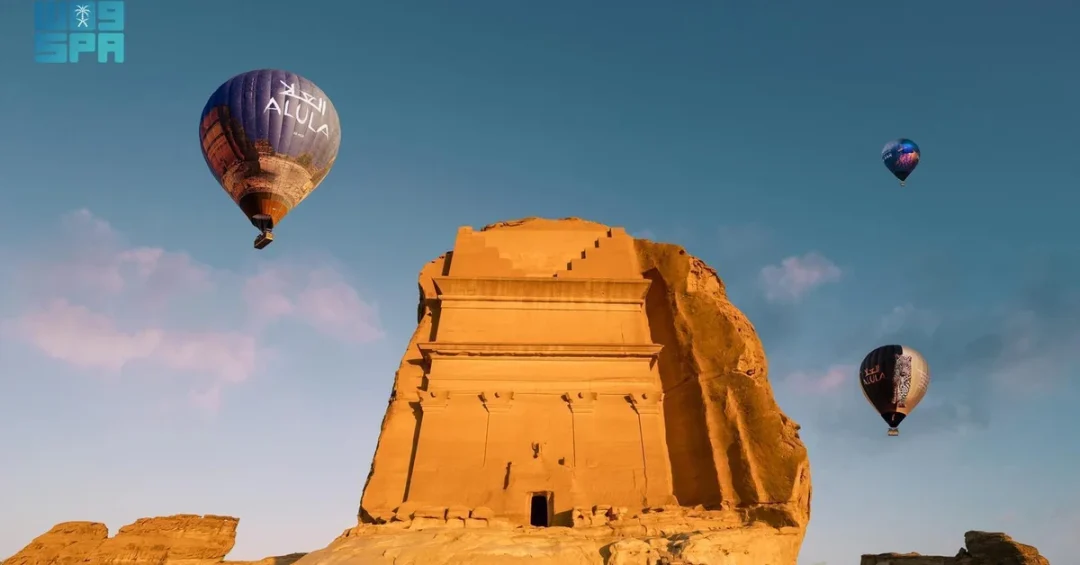
AlUla, Saudi Arabia — The Royal Commission for AlUla has announced the return of the AlUla Skies Festival, running from April 18 to 27, 2025, featuring for the first time a dedicated program by AlUla Manara, a pioneering astrotourism destination designed to ignite curiosity about space and astronomy. The festival invites visitors from around the world to connect with the cosmos while celebrating humanity’s deep historical relationship with the skies. This year’s edition places a special emphasis on the intersection of ancient celestial knowledge and modern scientific exploration, offering an unparalleled opportunity to experience the wonders of the universe in one of the world’s most pristine dark-sky environments.
AlUla Manara, supported by elite local and international partners in astronomy and space technology, serves as a hub for research, education, and stargazing. It bridges the gap between the region’s rich heritage as a crossroads of ancient travelers and the cutting-edge tools of contemporary astronomy. With high-tech telescopes, interactive exhibits, and immersive workshops, AlUla Manara provides a unique space for discovery. The festival’s program reflects Saudi Arabia’s broader commitment to cultural tourism and scientific innovation, aligning with Vision 2030’s goals to diversify the economy and promote global engagement. Visitors can expect a journey that honors AlUla’s history while looking boldly toward the future.
Context and Background
Why has AlUla become a global focal point for astrotourism, and what makes its skies so special? AlUla, located in northwestern Saudi Arabia, is celebrated for its awe-inspiring landscapes and rich heritage, including the Nabataean tombs of Hegra, a UNESCO World Heritage Site. Its remote desert location offers exceptionally clear night skies, free from light pollution, making it an ideal destination for astronomical observation. The AlUla Skies Festival, now in its fourth year, has grown into a premier event that draws astronomy enthusiasts, travelers, and scientists from around the world. The festival not only showcases the natural beauty of the region but also highlights Saudi Arabia’s efforts to preserve its cultural and natural heritage while developing sustainable tourism.
The introduction of AlUla Manara as a central feature of the 2025 festival marks a significant milestone in the Kingdom’s efforts to position AlUla as a leading destination for scientific and cultural tourism. AlUla Manara is more than just an observatory; it is a comprehensive hub that combines education, research, and entertainment. By partnering with international experts in astronomy and space technology, AlUla Manara ensures that its programs are both scientifically rigorous and accessible to the public. This initiative reflects the Royal Commission for AlUla’s broader strategy to transform the region into a living museum of natural and human history, where visitors can engage with both the past and the future.
The festival’s timing is also significant, as it coincides with a period of rapid growth in Saudi Arabia’s tourism sector. The Kingdom aims to attract 150 million visitors annually by 2030, and events like the AlUla Skies Festival play a crucial role in achieving this target. By offering unique, immersive experiences that cannot be found elsewhere, AlUla distinguishes itself in the global tourism market. Moreover, the festival underscores Saudi Arabia’s commitment to preserving its environment and promoting scientific literacy, both of which are essential components of Vision 2030.
Key Details
What exactly can visitors expect at the AlUla Skies Festival 2025? The festival features a diverse array of activities designed to cater to all ages and interests. Among the standout experiences introduced by AlUla Manara are the House of Constellations and the Celestial Skyport. The House of Constellations, nestled in the heart of AlUla’s Old Town, features a stunning 360-degree dome that brings the wonders of space to life through mesmerizing projections and dynamic exhibits. Guests can interact with displays that illuminate the constellations and tell the captivating stories behind them. This attraction offers a perfect opportunity to experience the magic of the cosmos from an entirely new perspective, blending education with entertainment.
Meanwhile, at the Celestial Skyport, located in the stunning Jabal Ikmah, visitors will have the chance to explore interactive exhibits, engage with cutting-edge telescopes, and participate in astronomy workshops. This immersive environment offers a hands-on approach to space exploration, enabling guests to deepen their understanding of the universe while surrounded by the beauty of AlUla’s desert landscapes. Jabal Ikmah itself is an archaeological treasure, home to ancient inscriptions that testify to the region’s historical significance as a crossroads of civilizations. The combination of ancient heritage and modern astronomy creates a powerful narrative that resonates with visitors.
Beyond these two attractions, the festival offers a host of other celestial experiences. Guests can take flight on daily hot air balloon rides, providing stunning aerial views of AlUla’s majestic landscapes. For a more intimate experience, tethered balloon rides at Old Town and Elephant Rock offer panoramic vistas. In the evenings, the Balloon Glow Shows will light up Elephant Rock with illuminated balloons, aerial performances, and synchronized music, creating a magical spectacle that captures the imagination. These activities are designed to showcase AlUla’s natural beauty from multiple perspectives, ensuring that every visitor finds something to marvel at.
International and Regional Impact
How does the AlUla Skies Festival enhance Saudi Arabia’s standing on the global stage? The festival attracts international visitors and media attention, positioning Saudi Arabia as a leader in cultural and scientific tourism. By hosting an event that celebrates both heritage and innovation, the Kingdom demonstrates its ability to blend tradition with modernity—a key theme of Vision 2030. The participation of international astronomers and space technology partners further elevates the festival’s profile, fostering cross-cultural exchange and collaboration. This aligns with Saudi Arabia’s broader efforts to build bridges with the global community and promote mutual understanding.
Regionally, the festival contributes to the development of AlUla as a premier tourist destination, generating economic opportunities for local communities. The Royal Commission for AlUla has been instrumental in developing infrastructure, supporting local businesses, and creating jobs. The influx of visitors during the festival provides a significant boost to the hospitality, retail, and transportation sectors. Moreover, the festival serves as a platform for showcasing Saudi Arabia’s rich cultural heritage, including its ancient history and traditions, to a global audience. By highlighting the region’s historical role as a crossroads of civilizations, the festival reinforces Saudi Arabia’s identity as a bridge between East and West.
Economic and Strategic Significance
What economic benefits does the AlUla Skies Festival bring to the region and the Kingdom? The festival is a key component of Saudi Arabia’s strategy to diversify its economy away from oil dependence. Tourism is a major pillar of Vision 2030, and events like the AlUla Skies Festival help attract high-value visitors who contribute to the local and national economy. The festival also stimulates investment in infrastructure, such as hotels, restaurants, and transportation networks, which have long-term benefits for the region. Additionally, the focus on astrotourism taps into a growing global market of travelers seeking unique, experiential journeys.
Strategically, the festival reinforces Saudi Arabia’s commitment to science and technology education. By engaging visitors with astronomy and space exploration, the event inspires young people to pursue careers in STEM fields, supporting the Kingdom’s goal of building a knowledge-based economy. The partnerships with international space agencies and technology companies also facilitate knowledge transfer and capacity building. Furthermore, the festival demonstrates Saudi Arabia’s ability to host world-class events, enhancing its reputation as a safe, welcoming, and forward-looking nation. This is particularly important as the Kingdom continues to open up to international tourism and investment.
Vision 2030 Alignment
How does the AlUla Skies Festival contribute to Saudi Arabia’s Vision 2030? Vision 2030 aims to transform the Kingdom into a global hub for tourism, culture, and innovation. The festival directly supports these objectives by showcasing AlUla’s unique offerings, promoting cultural exchange, and driving economic growth. It also aligns with the Vision’s emphasis on quality of life, as it provides enriching experiences for both residents and visitors. By preserving and celebrating Saudi Arabia’s natural and cultural heritage, the festival ensures that development is sustainable and inclusive.
Moreover, the festival embodies the spirit of Vision 2030 by fostering national pride and international engagement. It highlights the Kingdom’s ability to host events that are both entertaining and educational, appealing to a diverse audience. As Saudi Arabia continues to invest in tourism and scientific infrastructure, events like the AlUla Skies Festival will play an increasingly important role in achieving the Vision’s targets. The festival is not just a celebration of the cosmos; it is a testament to Saudi Arabia’s bold ambitions and its commitment to a prosperous, knowledge-driven future.
20 Questions
Q1. What is the AlUla Skies Festival?
A1. The AlUla Skies Festival is an annual event in AlUla, Saudi Arabia, celebrating astronomy and cultural heritage. It features stargazing, hot air balloon rides, and interactive exhibits, attracting visitors from around the world to experience the region’s pristine dark skies.
Q2. When and where does the 2025 festival take place?
A2. The festival runs from April 18 to 27, 2025, in AlUla, northwestern Saudi Arabia. Events are held at various locations including AlUla Old Town, Jabal Ikmah, and Elephant Rock, offering diverse experiences across the region’s iconic landscapes.
Q3. What is AlUla Manara?
A3. AlUla Manara is a pioneering astrotourism destination in AlUla, supported by local and international partners. It offers high-tech telescopes, interactive exhibits, and workshops, bridging ancient celestial knowledge with modern scientific exploration to inspire curiosity about space.
Q4. What are the House of Constellations and Celestial Skyport?
A4. The House of Constellations is a 360-degree dome in AlUla Old Town featuring projections and exhibits about constellations. The Celestial Skyport, at Jabal Ikmah, offers interactive exhibits, telescopes, and workshops for hands-on astronomy experiences.
Q5. What activities are available at the festival?
A5. Activities include daily hot air balloon rides, tethered balloon rides at Old Town and Elephant Rock, Balloon Glow Shows, stargazing sessions, astronomy workshops, and interactive exhibits at AlUla Manara’s attractions, catering to all interests and ages.
Q6. Why is AlUla ideal for astrotourism?
A6. AlUla’s remote desert location offers exceptionally clear night skies free from light pollution. Its rich heritage as a crossroads of ancient civilizations adds cultural depth, making it a unique destination for combining astronomy with historical exploration.
Q7. How does the festival support Saudi Vision 2030?
A7. The festival supports Vision 2030 by boosting tourism, diversifying the economy, and promoting cultural exchange. It showcases Saudi Arabia’s commitment to science, heritage preservation, and sustainable development, aligning with the Vision’s goals for a knowledge-based economy.
Q8. Who organizes the AlUla Skies Festival?
A8. The festival is organized by the Royal Commission for AlUla, in collaboration with AlUla Manara and various local and international partners in astronomy and space technology, ensuring a high-quality, scientifically enriching experience for all visitors.
Q9. What is the significance of Jabal Ikmah?
A9. Jabal Ikmah is an archaeological site in AlUla with ancient inscriptions, reflecting the region’s historical role as a crossroads of civilizations. It now hosts the Celestial Skyport, blending ancient heritage with modern astronomy.
Q10. Are there activities for children at the festival?
A10. Yes, the festival offers family-friendly activities such as interactive exhibits, workshops, and balloon rides. The House of Constellations and Celestial Skyport are designed to engage young minds, sparking curiosity about space and science.
Q11. How can visitors book experiences?
A11. Visitors can book experiences and find more information at experiencealula.com. The website provides details on schedules, tickets, and packages for the various attractions and activities offered during the festival.
Q12. What makes AlUla Manara unique?
A12. AlUla Manara combines advanced technology with AlUla’s natural and cultural heritage. Its partnerships with elite astronomy and space technology organizations ensure world-class programming, making it a global hub for astrotourism and scientific discovery.
Q13. What are the Balloon Glow Shows?
A13. The Balloon Glow Shows are evening spectacles at Elephant Rock where illuminated hot air balloons, aerial performances, and synchronized music create a magical visual experience, highlighting the festival’s festive atmosphere and AlUla’s stunning landscapes.
Q14. How does the festival promote cultural exchange?
A14. By attracting international visitors and experts, the festival fosters cross-cultural dialogue. It showcases Saudi Arabia’s rich heritage alongside modern scientific achievements, building bridges between diverse cultures and promoting mutual understanding.
Q15. What economic benefits does the festival bring?
A15. The festival stimulates local businesses, creates jobs, and attracts investment in infrastructure. It supports Saudi Arabia’s economic diversification by boosting tourism, a key pillar of Vision 2030, and showcases the Kingdom’s potential as a global destination.
Q16. Is the festival accessible to international tourists?
A16. Yes, Saudi Arabia welcomes international tourists, and AlUla is easily accessible via flights and road networks. The festival offers multilingual support and facilities, ensuring a comfortable and enriching experience for visitors from around the world.
Q17. What is the historical significance of AlUla?
A17. AlUla was a crossroads of ancient civilizations, home to the Nabataeans and other cultures. Its archaeological sites, including Hegra (a UNESCO World Heritage Site), reflect a rich history of trade, pilgrimage, and cultural exchange.
Q18. How does the festival incorporate sustainability?
A18. The Royal Commission for AlUla emphasizes sustainable practices, from protecting dark skies to minimizing environmental impact. The festival promotes responsible tourism, ensuring that AlUla’s natural and cultural heritage is preserved for future generations.
Q19. What can visitors learn at the astronomy workshops?
A19. Workshops cover topics like constellation identification, telescope use, and space science. Led by experts, they provide hands-on learning, deepening understanding of the universe and inspiring interest in astronomy and STEM fields.
Q20. What is the long-term vision for AlUla Manara?
A20. AlUla Manara aims to become a leading global astrotourism destination, fostering research, education, and wonder. It supports Vision 2030 by attracting visitors, promoting science, and celebrating AlUla’s unique blend of heritage and innovation.
Reader Feedback
We value your thoughts. Please share your feedback on this article.
Your feedback helps us improve our coverage.
Related articles
 Saudi Tour Guide Licenses Surge 168% in 2024
 Mina: The First Holy Site Pilgrims Visit During Hajj
 AlUla Hotels, Restaurants Honored in Michelin Guide 2025
 Eastern Region Prepares Over 997 Parks and 14 Waterfront Areas for Visitors
 AlUla Wellness Festival to Launch This Weekend with Diverse Sports, Nature Experiences
 Riyadh Season 2025 Draws 1 Million Visitors in 13 Days, GEA Chair Says