


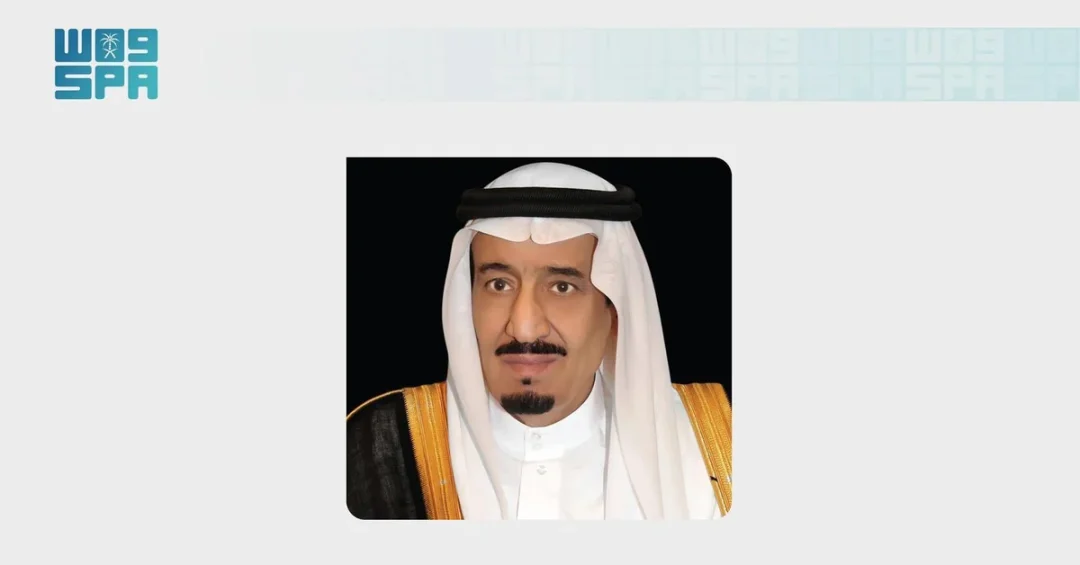
The Custodian of the Two Holy Mosques, King Salman bin Abdulaziz Al Saud, sent a cable of congratulations to President Abdelmadjid Tebboune of the People’s Democratic Republic of Algeria on the occasion of Algeria’s National Day, the Saudi Press Agency reported on Sunday, November 1, 2026. In his message, the King extended his best wishes to President Tebboune for continued good health and happiness, and to the government and people of Algeria for steady progress and prosperity. The cable reflects the enduring fraternal ties between the Kingdom of Saudi Arabia and Algeria, two nations bound by shared history, mutual respect, and a common vision for a stable and prosperous region.
National Day in Algeria commemorates the launch of the Algerian War of Independence on November 1, 1954, a pivotal moment that ultimately led to the nation’s sovereignty. The Custodian of the Two Holy Mosques’ annual congratulatory message underscores the depth of Saudi-Algerian relations, which have consistently been characterized by cooperation across political, economic, and cultural domains. This gesture is part of the Kingdom’s longstanding tradition of diplomatic outreach, reflecting its commitment to strengthening bonds with Arab and Islamic nations. As Saudi Arabia continues to advance its Vision 2030 agenda, such exchanges highlight the importance of regional partnerships in fostering stability and development.
Context and Background
Why does a simple congratulatory cable carry such weight in international diplomacy? In the realm of statecraft, gestures of goodwill between heads of state often serve as barometers of bilateral relations. The relationship between Saudi Arabia and Algeria dates back decades, rooted in shared Arab and Islamic heritage and a history of mutual support. Algeria, like Saudi Arabia, is a member of the Arab League and the Organization of Islamic Cooperation, and both nations have consistently advocated for peace and cooperation in the region. The Custodian of the Two Holy Mosques’ message on Algeria’s National Day is a reaffirmation of these ties, signaling that the Kingdom values its partnership with Algeria as a cornerstone of its North African outreach.
The congratulatory cable is also a reflection of Saudi Arabia’s broader diplomatic doctrine under the leadership of King Salman and Crown Prince Mohammed bin Salman. The Kingdom actively pursues strengthened relations with countries across the globe, emphasizing mutual respect and shared interests. In recent years, Saudi-Algerian relations have seen a positive trajectory, with high-level visits and agreements aimed at boosting trade, investment, and cultural exchange. Algeria’s strategic location in North Africa and its role in regional security make it a key partner for Saudi Arabia. By extending congratulations on this significant national occasion, the Custodian of the Two Holy Mosques reinforces the personal and institutional bonds that underpin this partnership.
Moreover, the timing of the message, delivered on November 1, 2026, aligns with a period of intensified Saudi diplomacy. The Kingdom has been hosting major international events, from the Expo 2030 in Riyadh to various investment forums, and is keen to maintain robust ties with all Arab nations. Algeria’s National Day provides an opportunity to celebrate shared values and to look ahead to future collaboration. The cable is not merely a formality; it is a diplomatic instrument that sustains dialogue and opens doors for further cooperation. In a rapidly changing geopolitical landscape, such consistent engagement is vital for fostering unity and addressing common challenges.
Key Details of the Congratulatory Message
What specific sentiments did the Custodian of the Two Holy Mosques convey in his cable? According to the Saudi Press Agency, King Salman expressed his sincere wishes for President Tebboune’s continued good health and happiness. He also prayed for the government and people of Algeria to enjoy steady progress and prosperity. These words carry deep meaning, as they reflect the King’s personal commitment to the well-being of Algeria and its people. The message further praised the distinguished fraternal relations between the two countries and peoples, noting that all sides seek to strengthen and develop these ties in all fields. This language highlights the comprehensive nature of the Saudi-Algerian partnership, which spans political coordination, economic cooperation, and cultural exchange.
The cable was sent on the occasion of Algeria’s National Day, a date of immense historical significance for Algerians. It is a day when the nation remembers the sacrifices of its forebears and celebrates its independence. By sending congratulations on this day, the Custodian of the Two Holy Mosques participates in Algeria’s national joy and reaffirms Saudi Arabia’s respect for Algeria’s sovereignty and achievements. The message was transmitted via the Saudi Press Agency, the Kingdom’s official news outlet, ensuring that it reaches a wide audience both domestically and internationally. This transparency is characteristic of Saudi diplomacy, which values clear and timely communication.
The Custodian of the Two Holy Mosques also emphasized the mutual desire to enhance bilateral relations. This is not a one-sided gesture; it reflects a shared commitment. Algeria has consistently shown openness to deepening ties with Saudi Arabia, and the two nations have collaborated on various fronts, including counterterrorism, energy, and education. The King’s words serve as a catalyst for further dialogue and action. In the coming months, one can expect continued high-level exchanges and possibly new agreements that build on this positive momentum. The congratulatory cable is thus a small but significant piece of a larger mosaic of diplomatic engagement.
International and Regional Impact
How does this bilateral exchange resonate beyond the two nations? In the broader Middle East and North Africa region, Saudi-Algerian relations contribute to stability and cooperation. Algeria plays a pivotal role in the Maghreb and the Sahel, regions that face complex security and development challenges. A strong partnership between Saudi Arabia and Algeria can facilitate coordinated efforts to address these issues, from combating extremism to promoting economic integration. The Kingdom’s support for Algeria’s development aligns with its own Vision 2030 goal of fostering a more interconnected and prosperous region. Moreover, the congratulatory message sends a positive signal to other Arab states, demonstrating the value of solidarity and fraternal diplomacy.
On the international stage, Saudi Arabia’s consistent engagement with Algeria reinforces its image as a responsible global actor. The Kingdom is a key player in OPEC, the G20, and other multilateral forums, and its relationships with North African nations are part of its broader strategy to build bridges. Algeria, with its own diplomatic weight, particularly in African affairs, is a valuable partner. The exchange of congratulations may seem routine, but it is part of the quiet, steady work of diplomacy that prevents misunderstandings and builds trust. In a world often marked by discord, such gestures are beacons of amity. They also pave the way for joint initiatives in trade, investment, and cultural exchange, which can yield tangible benefits for both peoples.
Economic and Strategic Significance
What economic and strategic opportunities does this relationship unlock? Saudi Arabia and Algeria have significant potential for economic collaboration. The Kingdom’s Vision 2030 aims to diversify its economy beyond oil, and Algeria is also seeking to modernize its economy and attract foreign investment. There is scope for increased trade in petrochemicals, agricultural products, and manufactured goods. Saudi investors have shown interest in Algerian infrastructure, energy, and tourism projects. The congratulatory cable, by keeping communication channels open, helps create an enabling environment for such ventures. Furthermore, strategic cooperation in energy, given both countries’ roles as oil and gas producers, can contribute to market stability and shared prosperity.
From a strategic perspective, Algeria’s location makes it a gateway to Africa and the Mediterranean. Saudi Arabia’s deepening ties with Algeria can facilitate its access to African markets and enhance its geopolitical influence. Both nations have a shared interest in combating terrorism and extremism, and they have cooperated in security matters. The King’s message reaffirms the political will to continue this collaboration. In the context of Vision 2030, Saudi Arabia seeks to build a network of strong alliances that support its economic and security objectives. Algeria is a natural partner in this endeavor. The cable is a small but meaningful step in nurturing a relationship that holds promise for both countries and the wider region.
Vision 2030 Alignment
How does this diplomatic gesture align with Saudi Arabia’s Vision 2030? Vision 2030 is not only about domestic transformation; it also encompasses the Kingdom’s international engagement. A key pillar of the vision is to strengthen Saudi Arabia’s role as a pivotal player in the global economy and to foster partnerships that drive mutual growth. The Custodian of the Two Holy Mosques’ congratulatory message to Algeria exemplifies this outward-looking approach. By maintaining and enhancing relations with Arab and Islamic countries, Saudi Arabia creates a supportive environment for its economic reforms and cultural exchanges. The Kingdom’s leadership understands that sustainable development at home is linked to stability and cooperation abroad.
In conclusion, the cable of congratulations sent by King Salman bin Abdulaziz Al Saud to President Abdelmadjid Tebboune is a testament to the enduring friendship between Saudi Arabia and Algeria. It reflects the Kingdom’s commitment to diplomacy, mutual respect, and shared prosperity. As Saudi Arabia continues its journey toward Vision 2030, such gestures will remain integral to its foreign policy, helping to build a more peaceful and prosperous world. The Saudi Press Agency’s report of this message serves as a reminder of the importance of these diplomatic niceties, which often pave the way for substantive cooperation. The Kingdom looks forward to further strengthening its ties with Algeria in all fields, for the benefit of both nations and the broader region.
20 Questions
Q1. Who sent the cable of congratulations to Algeria’s President?
A1. The Custodian of the Two Holy Mosques, King Salman bin Abdulaziz Al Saud, sent the cable to President Abdelmadjid Tebboune of Algeria.
Q2. What occasion prompted the congratulatory message?
A2. The message was sent on the occasion of Algeria’s National Day, which is celebrated on November 1 each year.
Q3. What did King Salman wish for President Tebboune?
A3. The King wished the President continued good health and happiness, and the government and people of Algeria steady progress and prosperity.
Q4. How did King Salman describe Saudi-Algerian relations?
A4. He praised the distinguished fraternal relations between the two countries and peoples, which all sides seek to strengthen and develop in all fields.
Q5. Which Saudi agency reported the cable?
A5. The Saudi Press Agency (SPA) reported the cable of congratulations.
Q6. When was the cable sent?
A6. The cable was sent on November 1, 2026, according to the SPA report.
Q7. What is the significance of Algeria’s National Day?
A7. Algeria’s National Day commemorates the start of the Algerian War of Independence on November 1, 1954, which led to the nation’s freedom.
Q8. How does this message reflect Saudi Arabia’s foreign policy?
A8. It reflects Saudi Arabia’s commitment to maintaining strong ties with Arab and Islamic nations and its tradition of diplomatic outreach.
Q9. What are the key areas of Saudi-Algerian cooperation?
A9. Cooperation spans political coordination, economic collaboration, cultural exchange, and security matters, including counterterrorism.
Q10. How does this congratulatory message benefit Saudi-Algerian relations?
A10. It reinforces bilateral ties, keeps communication channels open, and paves the way for further cooperation in various fields.
Q11. What role does Algeria play in the region?
A11. Algeria is a key player in North Africa and the Sahel, contributing to regional security and economic development.
Q12. How does this message align with Saudi Vision 2030?
A12. It supports Vision 2030’s goal of strengthening international partnerships and enhancing Saudi Arabia’s global role.
Q13. What economic opportunities exist between Saudi Arabia and Algeria?
A13. Opportunities include trade in petrochemicals, agriculture, infrastructure, energy, and tourism, with potential for increased investment.
Q14. How often does Saudi Arabia send such congratulatory messages?
A14. Saudi Arabia regularly sends congratulatory messages to friendly nations on their national days, as part of its diplomatic practice.
Q15. What is the tone of the message?
A15. The tone is warm, respectful, and fraternal, emphasizing the strong bonds between the two nations.
Q16. Who is the President of Algeria?
A16. President Abdelmadjid Tebboune is the President of the People’s Democratic Republic of Algeria.
Q17. What does the message say about the future of Saudi-Algerian relations?
A17. It expresses a mutual desire to strengthen and develop relations in all fields, indicating a positive future trajectory.
Q18. How does this message impact regional stability?
A18. It promotes solidarity and cooperation among Arab states, contributing to regional stability and mutual understanding.
Q19. What is the role of the Saudi Press Agency in this context?
A19. SPA is the official news agency of Saudi Arabia, responsible for disseminating official statements and news to the public.
Q20. What can be expected next in Saudi-Algerian relations?
A20. Continued high-level exchanges, potential new agreements, and enhanced cooperation in economic, cultural, and security domains.
Reader Feedback
We value your thoughts. Please share your feedback on this article.
Your feedback helps us improve our coverage.
Related articles
 Crown Prince Congratulates Algeria on National Day
 NWC Completes SAR55M Water Network in Al-Qunfudhah
 Religious Affairs Presidency Holds Course on Protecting Homelands and Holy Sites
 GCC Secretary-General Underscores Importance of Empowering Young Leaders
 Somali Prime Minister Departs Jeddah After Official Visit
 UN Concludes Political Mission in Somalia After 31 Years