


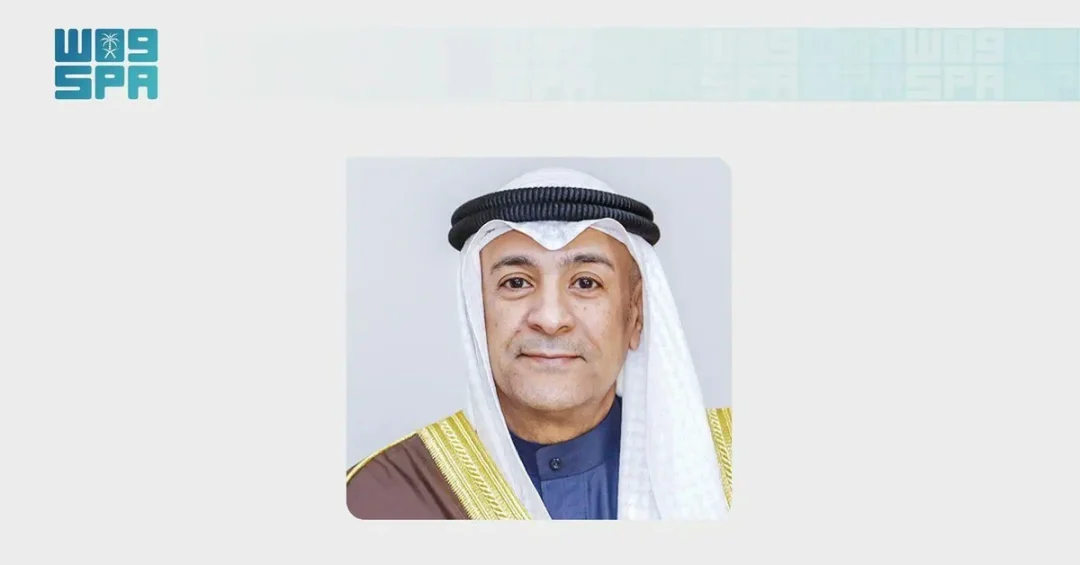
Riyadh, November 1, 2026 — The Secretary General of the Gulf Cooperation Council (GCC), Jasem Mohamed Albudaiwi, has condemned in the strongest terms the attack on the liquefied natural gas (LNG) tanker “Al Mayeda”, owned by Qatar Gas Transport Company Limited (Nakilat), while it was navigating the waters of the Arabian Gulf. In a statement released via the Saudi Press Agency (SPA), Albudaiwi described the targeting of energy tankers as a dangerous escalation that undermines regional security, endangers lives and property, and disrupts global economic activity. The attack, which has not been claimed by any group, has raised concerns over the safety of maritime corridors in the Gulf, a critical artery for global energy supplies. The GCC’s swift response underscores the bloc’s commitment to protecting its member states’ vital interests and maintaining stability in one of the world’s most strategically important regions. What does this attack mean for the security of global energy flows?
The incident occurred amid heightened tensions in the Arabian Gulf, a region that accounts for a significant portion of the world’s oil and gas exports. The “Al Mayeda” is a modern LNG carrier operated by Nakilat, a company that plays a pivotal role in Qatar’s energy exports. While details of the attack remain limited, the GCC’s condemnation highlights the seriousness with which member states view threats to maritime navigation. Albudaiwi’s statement called for holding the perpetrators accountable and stressed that maritime corridors must remain safe for trade. The GCC’s support for Qatar’s measures to safeguard its national capabilities reflects the bloc’s unified stance against any actions that could destabilize the region. How can the international community contribute to preventing such incidents?
Context and Background
Why is the Arabian Gulf such a critical arena for global energy security? The Arabian Gulf is home to some of the world’s largest oil and gas reserves, and its maritime routes are essential for transporting hydrocarbons to markets in Asia, Europe, and the Americas. The Strait of Hormuz, which connects the Gulf to the open ocean, is the world’s most important oil chokepoint, with roughly one-fifth of global oil consumption passing through it daily. Any disruption to these flows can have immediate and far-reaching effects on energy prices and economic stability. The attack on the “Al Mayeda” is therefore not just a threat to one vessel but a potential risk to the entire global energy supply chain. The GCC, comprising Bahrain, Kuwait, Oman, Qatar, Saudi Arabia, and the United Arab Emirates, has long emphasized the need to protect these waters from any hostile acts.
The GCC was established in 1981 to promote cooperation and security among its member states. Over the decades, it has become a key player in regional diplomacy and economic integration. The Secretary General’s condemnation is consistent with the GCC’s longstanding position that maritime security is non-negotiable. In recent years, the region has witnessed several attacks on tankers and oil facilities, which have been attributed to various actors. These incidents have prompted the GCC to strengthen its maritime security cooperation, including joint naval patrols and intelligence sharing. The attack on the “Al Mayeda” serves as a reminder that the threat persists and requires constant vigilance. What measures are in place to protect these vital waterways?
Key Details
What exactly happened to the “Al Mayeda”, and why is it significant? According to the SPA statement, the LNG tanker “Al Mayeda” was attacked while navigating the waters of the Arabian Gulf. The vessel is owned by Nakilat, a Qatari company that is a global leader in LNG shipping. Nakilat operates a fleet of LNG carriers that transport Qatari gas to international markets. The attack did not result in any reported casualties or environmental damage, but it has raised alarms about the vulnerability of commercial shipping in the region. The GCC Secretary General emphasized that targeting energy tankers represents a dangerous escalation that endangers lives and property and disrupts global economic activity. He warned of the repercussions that could arise from targeting gas tankers, whether on the marine environment or the regularity of energy flows and market stability.
Albudaiwi underscored the necessity of holding the perpetrators of this heinous attack accountable. He also emphasized the GCC’s support for the measures and actions undertaken by the State of Qatar to safeguard its national capabilities, protect its properties, and confront all threats to its security and interests. The statement did not specify the nature of the attack or identify any suspects, but it reflects the GCC’s firm stance against any form of maritime aggression. Qatar, a major LNG producer, has invested heavily in securing its energy infrastructure and shipping lanes. The attack on one of its tankers is seen as a direct challenge to its economic lifeline. How will Qatar and its allies respond to this provocation?
International and Regional Impact
The attack on the “Al Mayeda” has implications that extend far beyond the Arabian Gulf. Global energy markets are highly sensitive to any disruption in the region, and even a minor incident can cause price volatility. LNG is a key component of the global energy mix, and Qatar is one of the world’s largest exporters. Any threat to Qatari LNG shipments could affect buyers in Asia and Europe, who rely on stable supplies. The GCC’s condemnation sends a strong signal that such acts will not be tolerated and that the region is committed to ensuring the free flow of energy. The international community, including major energy consumers, has a stake in maintaining maritime security in the Gulf. What role can international organizations play in supporting these efforts?
Regional reactions have been swift. The GCC’s statement is likely to be followed by expressions of support from other Arab and Islamic countries. The United Nations and other international bodies have previously called for the protection of civilian shipping and the peaceful resolution of disputes. The attack could also spur renewed diplomatic efforts to reduce tensions in the region. The GCC has consistently advocated for dialogue and cooperation to resolve conflicts, and this incident may serve as a catalyst for renewed engagement. However, it also highlights the need for robust defense mechanisms to deter future attacks. How can the GCC balance diplomacy with deterrence?
Economic and Strategic Significance
Why does the security of LNG tankers matter so much for the global economy? LNG is a critical energy source for many countries, and Qatar is the world’s top exporter. The “Al Mayeda” is part of a fleet that ensures a steady supply of this clean-burning fuel to markets around the world. Any disruption to LNG shipments can lead to higher prices for electricity and heating, affecting millions of consumers. The attack also threatens the marine environment, as a damaged LNG tanker could leak hazardous materials. The GCC’s emphasis on the need to hold perpetrators accountable is aimed at preventing future attacks and preserving the stability of global energy markets. The economic prosperity of the GCC member states is closely tied to the safe export of their energy resources.
Strategically, the Arabian Gulf is a vital link between East and West. The free movement of goods and energy through its waters is essential for international trade. The GCC has invested in modern ports, pipelines, and naval capabilities to protect its interests. The attack on the “Al Mayeda” underscores the importance of these investments and the need for continued cooperation among member states. It also highlights the role of the GCC as a stabilizing force in the region. By standing with Qatar, the GCC demonstrates its unity and resolve. What does this mean for the future of maritime security in the Gulf?
Vision 2030 Alignment
How does this incident relate to Saudi Arabia’s Vision 2030 and the broader goals of the GCC? Saudi Arabia’s Vision 2030 aims to diversify the economy and reduce dependence on oil, but the Kingdom remains a leading energy producer and a key player in global energy security. The stability of the Arabian Gulf is therefore directly linked to Saudi Arabia’s economic interests and its vision for a prosperous future. The GCC’s condemnation of the attack aligns with Vision 2030’s emphasis on international cooperation, security, and sustainable development. Saudi Arabia, under the leadership of the Custodian of the Two Holy Mosques and the Crown Prince, has consistently supported efforts to maintain peace and stability in the region. The attack on the “Al Mayeda” reinforces the need for collective action to protect vital infrastructure.
Furthermore, Vision 2030 seeks to enhance the Kingdom’s global engagement and promote moderate values. The GCC’s unified response reflects these principles and showcases the region’s commitment to upholding international law and norms. As the GCC continues to work towards economic integration and security, the lessons from this incident will inform future strategies. The Kingdom’s support for Qatar and the GCC’s collective measures demonstrate a shared vision for a secure and prosperous Gulf. In the long term, such solidarity will contribute to the success of Vision 2030 and the well-being of all people in the region. How can the GCC build on this moment to strengthen its collective security framework?
In conclusion, the attack on the “Al Mayeda” is a stark reminder of the challenges facing the Arabian Gulf, but it has also elicited a strong and united response from the GCC. Secretary General Jasem Mohamed Albudaiwi’s condemnation reflects the bloc’s determination to protect its member states and ensure the free flow of energy. As the region continues to navigate complex security dynamics, the GCC’s role as a pillar of stability will be crucial. The international community must support these efforts to safeguard global economic interests. Will this incident lead to a more robust and coordinated approach to maritime security? Only time will tell, but the GCC’s swift action offers hope that the region can overcome such threats through unity and cooperation.
20 Questions
Q1. What was the attack on the LNG tanker ‘Al Mayeda’?
A1. The attack involved an unidentified assault on the Qatari-owned LNG tanker ‘Al Mayeda’ while it was navigating the waters of the Arabian Gulf. The vessel is owned by Nakilat, a major Qatari shipping company. No group has claimed responsibility, and details of the attack remain limited.
Q2. Who is Jasem Mohamed Albudaiwi?
A2. Jasem Mohamed Albudaiwi is the Secretary General of the Gulf Cooperation Council (GCC). He has been a vocal advocate for regional security and cooperation. His statement condemning the attack reflects the GCC’s unified stance against threats to maritime navigation and energy infrastructure.
Q3. What did the GCC Secretary General say about the attack?
A3. Albudaiwi condemned the attack in the strongest terms, calling it a dangerous escalation that undermines regional security and endangers lives and property. He stressed the need to hold perpetrators accountable and warned of repercussions for the marine environment and energy market stability.
Q4. Why is the Arabian Gulf important for global energy?
A4. The Arabian Gulf is a critical artery for global energy supplies, with a significant portion of the world’s oil and gas passing through its waters. The Strait of Hormuz, in particular, is a vital chokepoint for oil shipments, making its security essential for global economic stability.
Q5. What is Nakilat?
A5. Nakilat, or Qatar Gas Transport Company Limited, is a Qatari company that owns and operates a fleet of LNG carriers. It is a global leader in LNG shipping and plays a key role in transporting Qatar’s natural gas to international markets. The ‘Al Mayeda’ is one of its vessels.
Q6. What are the potential consequences of attacking an LNG tanker?
A6. Attacking an LNG tanker can have severe consequences, including loss of life, environmental damage from potential leaks, and disruption to global energy flows. It can also lead to higher energy prices and market instability, affecting economies worldwide.
Q7. How has the GCC responded to the attack?
A7. The GCC, through its Secretary General, has condemned the attack and expressed support for Qatar’s measures to protect its national capabilities. The GCC has called for accountability and emphasized the need to keep maritime corridors safe for navigation and trade.
Q8. What measures has Qatar taken to protect its energy infrastructure?
A8. Qatar has invested heavily in securing its energy infrastructure, including naval patrols and advanced security systems for its shipping fleet. The GCC has backed these efforts, recognizing the importance of protecting vital economic assets.
Q9. What is the role of the GCC in regional security?
A9. The GCC promotes cooperation among its member states on political, economic, and security issues. It works to maintain stability in the Arabian Gulf, including through joint military exercises and intelligence sharing, to protect the region’s vital interests.
Q10. How does this attack affect global energy markets?
A10. The attack can cause uncertainty in global energy markets, leading to price volatility. Since Qatar is a major LNG exporter, any threat to its shipments can affect buyers in Asia and Europe, highlighting the need for stable and secure energy supplies.
Q11. What is the significance of the Strait of Hormuz?
A11. The Strait of Hormuz is the world’s most important oil chokepoint, with about one-fifth of global oil consumption passing through it daily. Its security is crucial for global energy supplies and economic stability, making any threat to it a major international concern.
Q12. Has any group claimed responsibility for the attack?
A12. As of the latest reports, no group has claimed responsibility for the attack on the ‘Al Mayeda’. Investigations are ongoing, and the GCC has called for holding the perpetrators accountable once identified.
Q13. What is the GCC’s stance on maritime security?
A13. The GCC firmly believes that maritime corridors must remain safe for navigation and trade. It opposes any actions that threaten the free flow of goods and energy, and it supports collective measures to protect these routes from hostile acts.
Q14. How does this incident relate to Saudi Arabia’s Vision 2030?
A14. Saudi Arabia’s Vision 2030 aims to diversify the economy and ensure regional stability. The attack underscores the need for secure energy corridors, which are essential for Saudi Arabia’s economic interests and its vision for a prosperous future. The GCC’s response aligns with these goals.
Q15. What support has the GCC offered to Qatar?
A15. The GCC has expressed full support for Qatar’s measures to safeguard its national capabilities and protect its properties. This includes backing Qatar’s right to confront threats to its security and interests, as stated by the GCC Secretary General.
Q16. What are the environmental risks of an LNG tanker attack?
A16. An attack on an LNG tanker could lead to leaks of liquefied natural gas, which can cause fires or explosions, and potentially harm marine life. The GCC has warned of such repercussions, emphasizing the need to prevent environmental damage.
Q17. How can the international community help prevent such attacks?
A17. The international community can support maritime security efforts through diplomatic pressure, intelligence sharing, and adherence to international law. Cooperation with the GCC and its member states is essential to deter future attacks and ensure safe navigation.
Q18. What is the economic impact of LNG on Qatar?
A18. LNG is the cornerstone of Qatar’s economy, generating significant revenue and supporting its development. Any disruption to LNG exports can affect Qatar’s fiscal health and its ability to invest in infrastructure and public services.
Q19. What steps are being taken to hold the perpetrators accountable?
A19. The GCC has called for accountability, and investigations are likely underway. Qatar and its allies may pursue legal and diplomatic channels to identify and punish those responsible, in line with international norms.
Q20. What does the future hold for maritime security in the Gulf?
A20. The future of maritime security in the Gulf depends on continued cooperation among GCC states and the international community. Enhanced surveillance, joint patrols, and diplomatic engagement will be key to preventing attacks and ensuring stability in this vital region.
Reader Feedback
We value your thoughts. Please share your feedback on this article.
Your feedback helps us improve our coverage.
Related articles
 Coalition Intercepts Houthi UAV Targeting Southern Saudi Arabia
 KSrelief Distributes 395 Food Baskets in Yemen’s Aden
 KSrelief Distributes 1,500 Shelter Kits in Sudan
 KSrelief Delivers Safe Water to 3,480 in Yemen’s Taiz
 Abdulaziz Alnowaiser Appointed CEO of Insurance Authority
 Saudi Arabia Condemns Attack on Qatar’s LNG Carrier Al Mayeda