


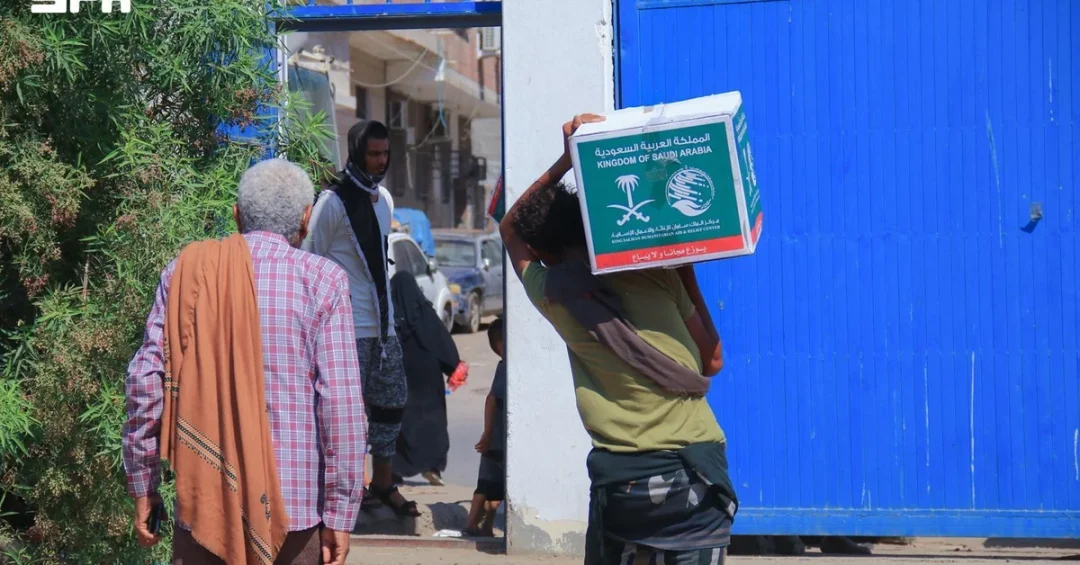
The King Salman Humanitarian Aid and Relief Center (KSrelief) distributed 395 food baskets in Al-Mansoura District, Aden Governorate, Yemen, benefiting 299 families comprising 1,604 individuals, as part of its emergency response project in Yemen, the Saudi Press Agency reported on Sunday, November 1, 2026. The distribution is part of Saudi Arabia’s ongoing humanitarian and relief projects and programs through KSrelief to support the Yemeni people amid the ongoing humanitarian crisis. The aid comes as part of the Kingdom’s continued commitment to alleviating the suffering of Yemeni civilians and improving their living conditions.
This latest delivery of food assistance underscores Saudi Arabia’s sustained humanitarian engagement in Yemen, where years of conflict have left millions in need of basic necessities. The operation in Al-Mansoura District, one of the most densely populated areas of Aden, targeted vulnerable families identified through careful needs assessments conducted by KSrelief’s field teams in coordination with local authorities. The food baskets contained essential staples designed to meet the immediate nutritional needs of the beneficiaries, many of whom have been displaced or have lost their sources of income due to the protracted crisis. The distribution is part of a broader emergency response project that KSrelief has been implementing across multiple governorates in Yemen, reflecting the Center’s commitment to reaching those most in need with speed and efficiency.
Context and Background
Why does Saudi Arabia continue to play such a central role in addressing Yemen’s humanitarian crisis? The answer lies in the Kingdom’s longstanding policy of supporting its neighbors and upholding humanitarian principles, which has been a cornerstone of Saudi foreign policy for decades. Since the outbreak of the crisis in Yemen, Saudi Arabia has been one of the largest donors of humanitarian aid to the country, providing billions of dollars in assistance through KSrelief and other channels. The Center was established in 2015 by royal decree to coordinate and deliver Saudi humanitarian aid worldwide, and Yemen has consistently been among its top priority countries. KSrelief’s work in Yemen spans multiple sectors, including food security, health, water and sanitation, shelter, and education, all aimed at alleviating the suffering of the Yemeni people and supporting the country’s recovery.
The emergency response project in Yemen, under which the Al-Mansoura distribution falls, is designed to provide rapid and flexible assistance to populations affected by conflict and displacement. Al-Mansoura District, located in Aden Governorate, hosts a large number of internally displaced persons (IDPs) who have fled violence from other parts of the country. These families often live in precarious conditions with limited access to food, clean water, and healthcare. KSrelief’s intervention in this district is therefore both timely and critical, addressing acute needs while also contributing to the broader stability of the region. The distribution of 395 food baskets to 299 families is a targeted effort that ensures the most vulnerable households receive the support they need to survive and begin rebuilding their lives.
Over the years, KSrelief has implemented thousands of humanitarian projects in Yemen, covering all governorates and reaching millions of beneficiaries. These projects are carried out in partnership with local and international organizations, ensuring that aid is delivered effectively and reaches those who need it most. The Center’s transparent and professional approach to aid delivery has earned it recognition from the United Nations and other international bodies, which have praised Saudi Arabia’s humanitarian contributions. The Kingdom’s efforts are part of a broader commitment to regional stability and prosperity, recognizing that humanitarian assistance is not only a moral duty but also a vital component of long-term peace and development.
Key Details of the Distribution
What specific impact will these 395 food baskets have on the families in Al-Mansoura? Each basket is designed to provide a family with a month’s supply of essential food items, including rice, flour, cooking oil, sugar, and canned goods. For the 299 families—comprising 1,604 individuals—this assistance represents a lifeline that helps them meet their basic nutritional needs and reduces the risk of malnutrition, particularly among children and the elderly. The distribution was carried out by KSrelief’s field teams in coordination with local partners, ensuring that the aid reached the intended beneficiaries efficiently and without delay. The selection of beneficiaries was based on careful assessments that identified the most vulnerable households, including those headed by women, the elderly, and families with members with disabilities.
The operation in Al-Mansoura District is part of the emergency response project in Yemen, which is one of KSrelief’s flagship programs in the country. This project is specifically designed to address the immediate food security needs of populations affected by the crisis, with a focus on areas hosting large numbers of displaced persons. The project’s flexibility allows KSrelief to respond quickly to emerging needs and to adapt its assistance to the evolving situation on the ground. In Al-Mansoura, the distribution was preceded by a needs assessment that identified food as a top priority for the local population, many of whom have lost their livelihoods and have no means to purchase food. By providing these baskets, KSrelief is helping to bridge the gap between immediate survival needs and longer-term recovery efforts.
The distribution also reflects KSrelief’s commitment to transparency and accountability. All aid deliveries are carefully documented, and the Center publishes regular reports on its activities, allowing donors and the public to track the impact of its work. This level of transparency is essential for maintaining trust and ensuring that resources are used effectively. Moreover, KSrelief works closely with local authorities and community leaders in Yemen to ensure that aid is distributed fairly and reaches those who are most in need. This collaborative approach not only enhances the effectiveness of the assistance but also helps to build local capacity and foster a sense of ownership among the beneficiaries.
International and Regional Impact
How does Saudi Arabia’s humanitarian aid to Yemen influence its standing in the region and beyond? The Kingdom’s consistent and generous support for Yemen has been widely recognized by the international community, enhancing its reputation as a responsible global actor and a leader in humanitarian diplomacy. Saudi Arabia is one of the largest donors of humanitarian aid to Yemen, and its contributions have been instrumental in preventing a wider famine and mitigating the worst effects of the crisis. By delivering aid directly to those in need, KSrelief demonstrates the Kingdom’s commitment to the well-being of the Yemeni people and its desire to see a stable, prosperous Yemen. This approach aligns with Saudi Arabia’s broader foreign policy objectives, which emphasize regional stability, peaceful coexistence, and development.
At the regional level, the distribution of food baskets in Aden is part of a larger effort to support the Yemeni people and to promote reconciliation and reconstruction. Saudi Arabia has consistently advocated for a political solution to the Yemeni conflict and has supported UN-led peace efforts. Humanitarian aid is seen as a crucial complement to these diplomatic efforts, as it helps to build confidence and create conditions conducive to peace. Moreover, by providing assistance in areas such as Aden, which has been relatively stable compared to other parts of the country, Saudi Arabia is helping to strengthen local governance and service delivery, thereby contributing to the long-term stability of the region. The Kingdom’s aid also helps to counter the influence of extremist groups, who often exploit humanitarian crises to gain recruits and legitimacy.
Economic and Strategic Significance
What does this distribution reveal about Saudi Arabia’s strategic priorities in Yemen and beyond? The aid reflects the Kingdom’s recognition that humanitarian assistance is not only a moral imperative but also a strategic investment in regional security and prosperity. A stable and prosperous Yemen is in Saudi Arabia’s interest, as it would reduce the threat of cross-border security challenges and create opportunities for trade and investment. By addressing the immediate needs of the Yemeni people, KSrelief is helping to create the conditions for recovery and development, which in turn supports the broader goals of Saudi Vision 2030, which seeks to diversify the Kingdom’s economy and enhance its global engagement. The aid also demonstrates Saudi Arabia’s capacity to project soft power and to lead by example in the Muslim world and beyond.
From an economic perspective, the distribution of food baskets is a cost-effective way to deliver immediate relief and to prevent a worsening of the humanitarian situation, which could have far-reaching consequences for regional stability. The baskets are procured locally where possible, which supports the Yemeni economy and helps to create jobs. This approach aligns with KSrelief’s broader strategy of linking humanitarian aid with development and recovery efforts. By supporting local markets and businesses, the aid helps to stimulate economic activity and build resilience within Yemeni communities. Moreover, the Kingdom’s humanitarian efforts are part of a comprehensive approach that includes diplomatic, developmental, and security assistance, all aimed at helping Yemen achieve lasting peace and prosperity.
Vision 2030 Alignment
How does this humanitarian gesture connect to Saudi Arabia’s long-term vision for the region and the world? Saudi Vision 2030, the Kingdom’s ambitious roadmap for economic and social transformation, includes a strong emphasis on international cooperation and humanitarian responsibility. One of the vision’s key pillars is to build a more diversified and sustainable economy, but it also recognizes the importance of global engagement and soft power. KSrelief is a vital instrument of this vision, as it showcases Saudi Arabia’s commitment to helping those in need and to promoting stability and development in the region. The Center’s work in Yemen is a prime example of how the Kingdom is using its resources and influence to make a positive difference in the world, thereby enhancing its reputation and building goodwill among nations.
Furthermore, the values that underpin Vision 2030—such as compassion, generosity, and a commitment to justice—are reflected in KSrelief’s operations. The distribution of food baskets in Aden is not just a one-off act of charity; it is part of a sustained effort to support the Yemeni people and to help them build a better future. As Saudi Arabia continues to implement its vision, it will remain a leading provider of humanitarian aid and a force for stability and prosperity in the region. The Kingdom’s efforts in Yemen are a testament to its enduring commitment to its neighbors and to the principles of international solidarity, and they serve as a model for other nations to follow.
20 Questions
Q1. What organization distributed the food baskets in Aden?
A1. The King Salman Humanitarian Aid and Relief Center (KSrelief) distributed the food baskets. KSrelief is Saudi Arabia’s primary humanitarian aid agency, established in 2015 to coordinate and deliver relief worldwide.
Q2. How many food baskets were distributed in Al-Mansoura District?
A2. A total of 395 food baskets were distributed in Al-Mansoura District, Aden Governorate, Yemen. The baskets were part of KSrelief’s emergency response project to support vulnerable families.
Q3. How many families benefited from this distribution?
A3. The distribution benefited 299 families, comprising 1,604 individuals. These families were identified as among the most vulnerable in the district through needs assessments.
Q4. What items were included in the food baskets?
A4. The food baskets contained essential staples such as rice, flour, cooking oil, sugar, and canned goods. These items are designed to meet a family’s basic nutritional needs for approximately one month.
Q5. Where exactly is Al-Mansoura District located?
A5. Al-Mansoura District is located in Aden Governorate, Yemen. Aden is a major port city and has hosted many internally displaced persons due to the conflict.
Q6. Why did KSrelief choose Al-Mansoura District for this distribution?
A6. Al-Mansoura District hosts a large number of internally displaced persons and vulnerable families. KSrelief conducted a needs assessment that identified food as a top priority for the local population.
Q7. What is the emergency response project in Yemen?
A7. The emergency response project is a KSrelief initiative designed to provide rapid food and relief assistance to populations affected by conflict and displacement in Yemen. It operates across multiple governorates.
Q8. How does this distribution fit into Saudi Arabia’s broader humanitarian efforts?
A8. It is part of Saudi Arabia’s ongoing humanitarian and relief projects through KSrelief to support the Yemeni people. The Kingdom is one of the largest donors of aid to Yemen.
Q9. When did the distribution take place?
A9. The distribution took place on Sunday, November 1, 2026, according to the Saudi Press Agency. The aid was delivered promptly to address immediate needs.
Q10. What is KSrelief’s role in Yemen?
A10. KSrelief implements thousands of humanitarian projects in Yemen across sectors like food security, health, water, and shelter. It aims to alleviate suffering and support recovery.
Q11. How many individuals benefited from the 395 food baskets?
A11. The 395 food baskets benefited 1,604 individuals from 299 families. This means each basket served an average of about four people.
Q12. What is the significance of this aid for the families?
A12. The aid provides a vital lifeline for families who have lost livelihoods and access to food. It helps prevent malnutrition and meets basic nutritional needs for a month.
Q13. How does Saudi Arabia’s aid to Yemen align with Vision 2030?
A13. Vision 2030 emphasizes international cooperation and humanitarian responsibility. KSrelief’s work showcases Saudi Arabia’s soft power and commitment to regional stability.
Q14. What other sectors does KSrelief support in Yemen?
A14. KSrelief supports food security, health, water and sanitation, shelter, and education in Yemen. These efforts aim to address both immediate and long-term needs.
Q15. How does KSrelief ensure aid reaches the most vulnerable?
A15. KSrelief conducts needs assessments and works with local authorities and community leaders. It uses transparent selection criteria to identify the most vulnerable households.
Q16. What is the source of the information about this distribution?
A16. The information was released by the Saudi Press Agency (SPA), an official Saudi news authority. SPA reported the distribution on November 1, 2026.
Q17. How does this aid contribute to regional stability?
A17. By addressing immediate needs, the aid helps prevent a worsening humanitarian situation that could destabilize the region. It also supports recovery and development.
Q18. Are there any other partners involved in the distribution?
A18. KSrelief works with local partners and authorities in Yemen to ensure effective distribution. These partnerships help build local capacity and ensure aid reaches intended beneficiaries.
Q19. What is the total number of beneficiaries from KSrelief’s projects in Yemen?
A19. KSrelief has reached millions of beneficiaries across Yemen through thousands of projects. The exact number varies, but the reach is extensive across all governorates.
Q20. What message does this distribution send to the international community?
A20. It demonstrates Saudi Arabia’s unwavering commitment to humanitarian principles and its role as a responsible global leader. The Kingdom continues to support Yemen despite its own challenges.
Reader Feedback
We value your thoughts. Please share your feedback on this article.
Your feedback helps us improve our coverage.
Related articles
 KSrelief Distributes 1,500 Shelter Kits in Sudan
 KSrelief Delivers Safe Water to 3,480 in Yemen’s Taiz
 Saudi General: Maritime Security a Shared Global Duty
 Ministry of Sport, Royal Commission for AlUla Sign MoU to Develop Sports Sector
 Abdulaziz Alnowaiser Appointed CEO of Insurance Authority
 Saudi Arabia Condemns Attack on Qatar’s LNG Carrier Al Mayeda