


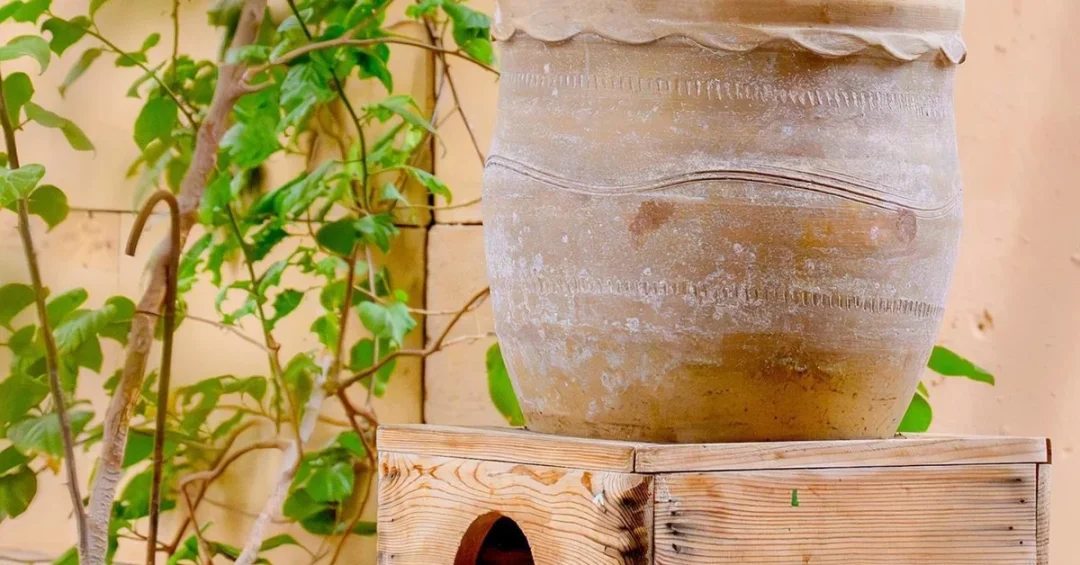
The zeer, a traditional earthenware water jar that once stood in homes, farms, and majlis gatherings across Qassim Region, remains a celebrated symbol of Saudi Arabia’s folk heritage and daily life before modern refrigeration, according to the Saudi Press Agency (SPA). Crafted from locally sourced clay and shaped by hand, the zeer stored and naturally cooled drinking water for generations, serving as a practical household item and a focal point of hospitality customs that reflect the generosity and solidarity of local communities.
Long before electric refrigerators and water coolers became commonplace, the zeer was an essential part of life in Qassim, a region known for its agricultural heritage and desert climate. The jar’s ability to cool water through evaporation made it indispensable in a hot, dry environment, and its presence in the majlis — the traditional room where guests are received — underscored its role in honoring visitors and offering water to passersby. Today, as Saudi Arabia accelerates its modernization under Vision 2030, the zeer endures in collective memory and in heritage collections, exhibitions, and cultural events, reminding a new generation of the ingenuity and craftsmanship of their ancestors.
Context and Background
How did earlier generations meet the challenge of cooling water in one of the world’s hottest regions without electricity or mechanical devices? The answer lies in the zeer, an unglazed clay jar whose design leverages the natural properties of clay and the physics of evaporation. According to official Saudi sources, the zeer was once a fixture in homes, farms, and the majlis across Qassim Region, used daily to store and cool drinking water. Its presence was so pervasive that it became intertwined with local customs of hospitality, such as honoring guests and offering water to travelers, reflecting the deep-rooted values of generosity and community solidarity that continue to define Saudi culture.
The zeer’s production is a skilled craft passed down through generations. It begins with the selection, cleaning, and preparation of suitable clay, which is then shaped by hand, dried in the sun, and fired in traditional kilns for durability. Each stage demands expertise: handling the material, controlling wall thickness, and managing the drying and firing processes to balance strength with cooling ability. This craftsmanship represents a tangible link to Saudi Arabia’s past, showcasing the resourcefulness of its people and their ability to adapt to the environment. As the Kingdom embraces rapid development, such traditions are being preserved and celebrated as part of a broader effort to honor national heritage while advancing modern life.
In recent decades, the widespread adoption of refrigerators and water coolers led to the zeer falling out of everyday use. Yet it never disappeared from the cultural landscape. It endures in collective memory and remains featured in heritage collections, events, and exhibitions as an iconic object that combines utility with fine craftsmanship. This resilience speaks to the enduring value of traditional knowledge and the importance of safeguarding it for future generations, a priority that aligns with Saudi Arabia’s Vision 2030 goals of preserving cultural heritage while fostering national pride.
Key Details
What makes the zeer so effective at cooling water? The answer lies in its unglazed clay body. Water seeps through the pores of the clay to the outer surface, where it evaporates, drawing heat away from the jar and lowering the temperature inside. This natural process depends on factors such as temperature, humidity, air movement, and the clay’s porosity. It is most effective in dry climates like Qassim’s, where low humidity accelerates evaporation. This ingenious method allowed earlier generations to meet daily needs without electricity or mechanical cooling, demonstrating a sophisticated understanding of natural principles long before modern science explained them.
The zeer’s design is simple yet functional, and its production requires a deep understanding of materials and techniques. Artisans select specific types of clay, clean and prepare them, and then shape the jar by hand — a process that demands precision and experience. After shaping, the jar is dried in the sun and fired in traditional kilns. Each step, from controlling wall thickness to managing the firing temperature, affects the jar’s durability and cooling performance. This knowledge has been passed down through generations, and today it is kept alive by craftspeople and heritage enthusiasts who recognize its cultural and historical significance.
Beyond its practical function, the zeer was deeply embedded in the social fabric of Qassim. It was a common sight in the majlis, where it served guests and symbolized the host’s commitment to hospitality. Offering water from the zeer to visitors and passersby was a customary act of generosity, reflecting the values of solidarity and community that are central to Saudi identity. The jar thus represents more than a tool for cooling water; it is a vessel of memory, carrying stories of daily life, social interactions, and the timeless traditions of the region.
International and Regional Impact
Why does the preservation of a simple clay jar matter on a global stage? As the world grapples with sustainability challenges, traditional solutions like the zeer offer valuable lessons in energy-efficient cooling and passive design. The zeer operates without electricity, relying solely on natural evaporation — a principle that resonates with contemporary interest in eco-friendly technologies and low-carbon living. By highlighting such heritage, Saudi Arabia positions itself as a nation that honors its past while contributing to global conversations on sustainability and cultural preservation. This aligns with the Kingdom’s broader efforts to share its rich history with international audiences and to promote cross-cultural understanding.
Regionally, the zeer is a shared heritage object across the Arabian Peninsula and parts of the Middle East, where similar clay jars have been used for centuries. Its presence in Qassim underscores the region’s historical role as a crossroads of trade and culture, where practical innovations were developed and exchanged. Today, as Saudi Arabia hosts major cultural events and welcomes millions of visitors for pilgrimage and tourism, the zeer serves as a tangible reminder of the Kingdom’s deep-rooted traditions. It also complements other heritage initiatives, such as the restoration of historic sites and the promotion of traditional crafts, which are integral to the Vision 2030 strategy to diversify the economy and enhance cultural tourism.
Economic and Strategic Significance
Can a traditional craft like zeer-making contribute to a modern economy? Absolutely. The preservation and promotion of heritage crafts create opportunities for artisans, support small businesses, and attract cultural tourism. In Qassim, known for its date farms and agricultural heritage, the zeer can be integrated into tourism experiences, allowing visitors to witness traditional crafting methods and purchase authentic handmade items. This not only generates income for local communities but also helps sustain skills that might otherwise be lost. Moreover, the zeer’s story adds depth to Saudi Arabia’s cultural offerings, making the Kingdom a more attractive destination for travelers seeking authentic experiences.
Strategically, the zeer embodies the balance between tradition and modernity that lies at the heart of Vision 2030. As Saudi Arabia invests in advanced technologies and smart cities like NEOM, it simultaneously invests in preserving its cultural identity. Heritage objects like the zeer are not relics of the past but living symbols of national pride and resilience. They remind citizens and international observers alike that progress does not require abandoning one’s roots. By showcasing such traditions, the Kingdom reinforces its commitment to a holistic development model that values both economic growth and cultural continuity.
Vision 2030 Alignment
How does the zeer connect to Saudi Arabia’s ambitious Vision 2030? The Vision, launched by Crown Prince Mohammed bin Salman, aims to diversify the economy, empower citizens, and preserve cultural heritage. The zeer is a perfect example of this dual focus: it represents a traditional craft that can be revitalized to support economic opportunities, while also serving as a cultural touchstone that strengthens national identity. By featuring the zeer in heritage collections and events, Saudi Arabia is ensuring that future generations understand and appreciate their history. This effort is part of a broader initiative to document and promote intangible cultural heritage, which includes crafts, oral traditions, and social practices.
In conclusion, the zeer is more than an earthenware jar; it is a testament to the ingenuity, hospitality, and resilience of the people of Qassim. As Saudi Arabia marches toward a prosperous future, it carries with it the memory of the zeer — a humble object that once cooled water and brought communities together. Under Vision 2030, such heritage is not forgotten but celebrated, serving as a foundation for a confident and culturally rich nation. The zeer’s enduring legacy reminds us that progress and tradition can coexist, and that the wisdom of the past can illuminate the path forward.
20 Questions
Q1. What is a zeer?
A1. A zeer is a traditional earthenware water jar used in Qassim Region to store and cool drinking water. It is made from clay and relies on natural evaporation to lower the water temperature, serving as a practical and cultural symbol of Saudi heritage.
Q2. How does the zeer cool water?
A2. Water seeps through the pores of the unglazed clay to the outer surface, where it evaporates. This evaporation draws heat away from the jar, cooling the water inside. The process is most effective in dry climates like Qassim’s.
Q3. Where was the zeer commonly used?
A3. The zeer was a fixture in homes, farms, and the majlis (guest room) across Qassim Region. It was also used to offer water to passersby, reflecting local customs of hospitality and generosity.
Q4. What materials are used to make a zeer?
A4. A zeer is made from suitable clay that is selected, cleaned, and prepared before being shaped by hand. The jar is then dried in the sun and fired in traditional kilns to ensure durability and cooling ability.
Q5. Why did the zeer fall out of everyday use?
A5. With the spread of refrigerators and water coolers, the zeer became less common in daily life. However, it remains an important part of collective memory and is still featured in heritage collections and exhibitions.
Q6. What is the cultural significance of the zeer?
A6. The zeer symbolizes traditional hospitality, community solidarity, and the ingenuity of earlier generations. It is a reminder of daily life in Qassim and represents the deep-rooted values of Saudi society.
Q7. How is a zeer made?
A7. Making a zeer involves selecting and preparing clay, shaping it by hand, drying it in the sun, and firing it in traditional kilns. Each step requires skills passed down through generations to balance strength and cooling performance.
Q8. What factors affect the zeer’s cooling efficiency?
A8. The cooling efficiency depends on temperature, humidity, air movement, and the clay’s porosity. It works best in dry climates with low humidity and good air circulation, such as Qassim’s desert environment.
Q9. Is the zeer still made today?
A9. Yes, the craft of making zeer is still practiced by artisans and is promoted through heritage events and exhibitions. It is part of Saudi Arabia’s efforts to preserve traditional crafts under Vision 2030.
Q10. How does the zeer reflect Saudi hospitality?
A10. The zeer was used to offer water to guests and passersby, embodying the Saudi values of generosity and respect for visitors. It was a central element in the majlis, where hosts would honor their guests.
Q11. What role does the zeer play in Vision 2030?
A11. The zeer supports Vision 2030 by preserving cultural heritage and promoting national identity. It also contributes to economic diversification through cultural tourism and support for local artisans and crafts.
Q12. Where can I see a zeer today?
A12. Zeers are displayed in heritage collections, museums, and exhibitions across Saudi Arabia. They are also featured at cultural events and festivals that celebrate traditional crafts and folk heritage.
Q13. Why is the zeer important to Qassim Region?
A13. The zeer is a symbol of Qassim’s agricultural and cultural heritage. It represents the region’s history of self-sufficiency and community life, and it remains a source of local pride and identity.
Q14. How does the zeer compare to modern cooling methods?
A14. The zeer is an eco-friendly, passive cooling method that requires no electricity. Unlike modern refrigerators, it relies on natural evaporation, making it a sustainable alternative that inspires contemporary green technologies.
Q15. What skills are needed to make a zeer?
A15. Making a zeer requires knowledge of clay selection, hand-shaping techniques, controlled drying, and kiln firing. These skills are passed down through generations and demand patience, precision, and experience.
Q16. How long does it take to make a zeer?
A16. The process can take several days, from preparing the clay to shaping, drying, and firing. The exact time depends on the size of the jar, weather conditions, and the artisan’s methods.
Q17. Is the zeer mentioned in Saudi historical records?
A17. Yes, the zeer is documented in Saudi heritage records and official sources like the Saudi Press Agency. It is recognized as a traditional craft and an iconic object of daily life in Qassim.
Q18. What is the majlis, and how does it relate to the zeer?
A18. The majlis is the traditional room where guests are received. The zeer was a common feature in the majlis, used to offer cool water to visitors, symbolizing the host’s hospitality and the community’s values.
Q19. How does the zeer contribute to cultural tourism?
A19. The zeer attracts tourists interested in authentic heritage experiences. It is showcased in cultural events and can be integrated into tourism programs, supporting local economies and promoting Saudi Arabia’s rich traditions.
Q20. What does the zeer symbolize for future generations?
A20. The zeer symbolizes the wisdom of the past and the importance of preserving cultural heritage. It teaches future generations about sustainability, craftsmanship, and hospitality, aligning with Vision 2030’s goals of national pride and progress.
Reader Feedback
We value your thoughts. Please share your feedback on this article.
Your feedback helps us improve our coverage.
Related articles
 ‘Red Wind, Coral Worlds’: Jeddah’s Artistic Journey
 Falcon Auction Sales Surpass SAR3.5 Million in October
 Jazan’s Sesame Cultivation: A 100-Day Heritage Journey
 Saudi Culinary Arts Shine at Algiers Book Fair 2026
 Pigeon Towers in Makkah Region: Heritage of Function and Beauty
 Saudi Film Confex Concludes with Agreements to Boost Film Industry Growth