


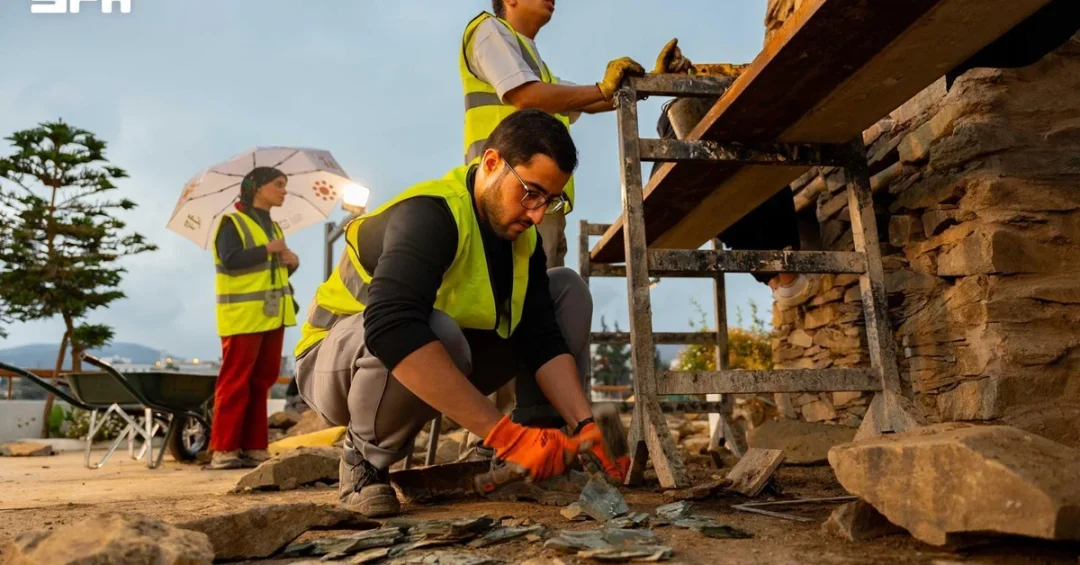
The Royal Institute of Traditional Arts (Wrth) concluded its 2026 Wrth Camp in the Aseer Region on November 2, 2026, with more than 50 trainees completing a 31-day cultural and artistic program designed to revive Saudi traditional arts and highlight Aseeri heritage. The closing ceremony, held in Abha, marked the third edition of the camp, which has become a cornerstone of Saudi Arabia’s efforts to preserve its cultural identity while nurturing a new generation of artisans. The program combined specialized training, hands-on workshops, and cultural tours across the Aseer region, providing participants with immersive exposure to local crafts and traditions.
The Wrth Camp is part of a broader national strategy, supported by the Ministry of Culture and aligned with Vision 2030, to safeguard intangible cultural heritage and promote its presence in contemporary artistic practices. Over the course of 31 days, participants engaged with master artisans, learned traditional techniques, and explored the unique cultural landscape of Aseer, a region renowned for its distinctive architecture, colorful wall paintings, and rich oral traditions. The camp’s conclusion underscores Saudi Arabia’s commitment to cultural sustainability and the transmission of knowledge across generations.
Context and Background
Why does a 31-day camp in Aseer matter on the national and global stage? The Royal Institute of Traditional Arts, known as Wrth, was established to document, preserve, and promote Saudi Arabia’s traditional arts, from weaving and pottery to metalwork and woodcarving. The institute operates under the Ministry of Culture, which has launched a series of initiatives to elevate cultural heritage as a pillar of national identity and economic diversification. The Wrth Camp in Aseer is one of these flagship programs, designed to provide intensive, hands-on training in traditional crafts that are at risk of fading in the modern era.
Aseer, located in the southwest of Saudi Arabia, is celebrated for its unique cultural heritage, shaped by its mountainous terrain and historical isolation. The region’s traditional arts include Al-Qatt Al-Asiri, a geometric wall painting technique recognized by UNESCO as Intangible Cultural Heritage in 2017. By hosting the camp in Aseer, Wrth ensures that participants not only learn general Saudi crafts but also immerse themselves in the specific traditions of the region. This localized approach enhances the authenticity and depth of the training, while also contributing to regional tourism and cultural awareness.
The third edition of the camp builds on the success of previous years, which have trained dozens of young men and women in various traditional arts. Each edition is structured to balance theoretical knowledge with practical application, culminating in a final exhibition or presentation of participants’ work. The 2026 edition, with over 50 participants, represents a significant expansion in scale and reach, reflecting growing interest among Saudi youth in cultural heritage and the creative economy.
Key Details of the 2026 Wrth Camp
What exactly did the 31-day program entail, and how did it transform its participants? The 2026 Wrth Camp featured a comprehensive curriculum that included specialized training sessions, interactive workshops, and guided cultural tours. Participants were divided into groups based on their areas of interest, such as textile weaving, traditional jewelry making, pottery, and architectural ornamentation. Master artisans from Aseer and other parts of the Kingdom led the sessions, sharing techniques that have been passed down through generations. The workshops were held in dedicated spaces equipped with traditional tools and materials, allowing participants to work on authentic projects.
In addition to studio time, the camp organized cultural tours to historical sites in Aseer, including the ancient village of Rijal Almaa, the heritage sites of Abha, and the traditional markets of Khamis Mushait. These tours provided context for the crafts, showing participants how traditional arts are integrated into the region’s architecture, daily life, and social rituals. For example, participants learned how Al-Qatt Al-Asiri wall paintings are created and their symbolic meanings, and they visited local artisans’ workshops to observe live demonstrations. The tours also included meetings with community elders who shared stories and songs, enriching the participants’ understanding of the intangible aspects of heritage.
The camp concluded with a closing ceremony in Abha, where participants displayed their completed works to the public and received certificates of completion. The event was attended by officials from the Ministry of Culture, local dignitaries, and representatives from Wrth. The ceremony highlighted the participants’ achievements and underscored the importance of continuing such programs to ensure the sustainability of traditional arts. Many participants expressed that the camp had not only improved their technical skills but also deepened their pride in Saudi culture and their desire to pursue careers in the creative sector.
International and Regional Impact
How does a local camp in Aseer resonate beyond Saudi borders? The Wrth Camp contributes to Saudi Arabia’s growing reputation as a global hub for cultural preservation and creative innovation. By training young artisans in traditional arts, the Kingdom is building a skilled workforce that can participate in the global creative economy, from heritage tourism to artisanal exports. International cultural organizations, including UNESCO, have recognized Saudi Arabia’s efforts to safeguard intangible cultural heritage, and programs like the Wrth Camp serve as models for other countries seeking to preserve their own traditions.
Regionally, the camp strengthens cultural ties within the Gulf and the broader Arab world. Aseer’s heritage shares similarities with traditions in neighboring countries, such as Yemen and Oman, and the camp’s focus on regional crafts can foster cross-border cultural dialogue. Moreover, the camp attracts attention from international media and cultural influencers, who highlight Saudi Arabia’s commitment to culture as part of its modernization drive. This positive exposure supports the Kingdom’s tourism goals, as visitors from around the world are increasingly interested in authentic cultural experiences.
Economic and Strategic Significance
What economic value does traditional arts training generate, and why is it a strategic priority? The creative economy is a key component of Saudi Arabia’s Vision 2030, which aims to diversify revenue sources and create jobs for young Saudis. Traditional arts and crafts represent a niche but growing market, with demand for handmade products, heritage tourism, and cultural experiences. By equipping participants with marketable skills, the Wrth Camp helps them launch small businesses, join artisanal cooperatives, or find employment in the tourism and hospitality sectors. The camp also stimulates local economies in Aseer by bringing participants, trainers, and visitors to the region, supporting hotels, restaurants, and transport services.
Strategically, the preservation of traditional arts reinforces national identity and social cohesion. In a rapidly modernizing society, maintaining connections to heritage provides a sense of continuity and pride. The Wrth Camp also aligns with the Ministry of Culture’s broader objectives, including the establishment of cultural hubs, the promotion of Saudi art globally, and the integration of culture into education. By investing in human capital through such programs, Saudi Arabia is ensuring that its cultural legacy remains vibrant and relevant for future generations.
Vision 2030 Alignment
How does the Wrth Camp exemplify the goals of Saudi Vision 2030? Vision 2030 emphasizes the importance of culture as a driver of economic growth and national pride. The camp directly supports several Vision 2030 objectives, including the diversification of the economy, the empowerment of youth, and the enhancement of quality of life. By training young Saudis in traditional arts, the program contributes to the development of a skilled and creative workforce, which is essential for the knowledge-based economy envisioned by the Kingdom’s leadership. Furthermore, the camp promotes cultural tourism, a key pillar of the National Tourism Strategy, by showcasing Aseer’s unique heritage to a wider audience.
The Wrth Camp also reflects the Vision 2030 goal of preserving national identity while embracing modernity. Participants learn traditional techniques but are encouraged to innovate and apply them in contemporary contexts, such as fashion, interior design, and digital media. This fusion of heritage and innovation is a hallmark of Saudi Arabia’s cultural renaissance, positioning the Kingdom as a leader in both tradition and modernity. As the camp concludes its third edition, it sets a precedent for future programs that will continue to nurture talent and celebrate Saudi Arabia’s rich cultural tapestry.
20 Questions
Q1. What is the Royal Institute of Traditional Arts (Wrth)?
A1. Wrth is a Saudi institute under the Ministry of Culture dedicated to preserving, documenting, and promoting traditional arts. It offers training, workshops, and research to ensure Saudi heritage remains vibrant and relevant for future generations.
Q2. Where and when did the 2026 Wrth Camp take place?
A2. The camp was held in the Aseer Region, in southwestern Saudi Arabia, and concluded on November 2, 2026. It ran for 31 days, from early October to early November.
Q3. How many participants joined the 2026 Wrth Camp?
A3. More than 50 trainees participated in the camp, representing a significant increase from previous editions. This reflects growing interest among Saudi youth in traditional arts and cultural heritage.
Q4. What activities were included in the camp program?
A4. The program featured specialized training sessions, hands-on workshops, and cultural tours to historical sites in Aseer. Participants learned crafts such as weaving, pottery, jewelry making, and Al-Qatt Al-Asiri wall painting.
Q5. Why was Aseer chosen as the location for the camp?
A5. Aseer is renowned for its unique cultural heritage, including the UNESCO-recognized Al-Qatt Al-Asiri art. Hosting the camp there allows participants to immerse themselves in the region’s distinctive traditions and architecture.
Q6. What is Al-Qatt Al-Asiri, and why is it significant?
A6. Al-Qatt Al-Asiri is a traditional geometric wall painting technique practiced by women in Aseer. It was inscribed on UNESCO’s Intangible Cultural Heritage list in 2017, highlighting its global cultural value.
Q7. How does the Wrth Camp support Saudi Vision 2030?
A7. The camp supports Vision 2030 by preserving cultural heritage, empowering youth, and contributing to economic diversification. It helps build a skilled workforce for the creative economy and promotes cultural tourism in the Kingdom.
Q8. What skills do participants gain from the camp?
A8. Participants gain practical skills in traditional crafts, as well as knowledge of heritage preservation, design, and entrepreneurship. They also develop a deeper appreciation for Saudi culture and its role in contemporary society.
Q9. Who led the training sessions at the camp?
A9. Master artisans from Aseer and other regions of Saudi Arabia led the training. They shared traditional techniques and knowledge passed down through generations, ensuring authenticity and quality.
Q10. What happens to the artworks created during the camp?
A10. The artworks are displayed at a closing exhibition, and many participants keep their pieces or sell them. Some works may be featured in cultural events or exhibitions organized by Wrth and the Ministry of Culture.
Q11. How does the camp contribute to the local economy of Aseer?
A11. The camp brings participants, trainers, and visitors to Aseer, supporting local businesses such as hotels, restaurants, and transport services. It also promotes heritage tourism, which is a growing sector in the region.
Q12. Is the Wrth Camp an annual event?
A12. Yes, the Wrth Camp is held annually, with the 2026 edition being the third. Each year, it builds on previous successes and expands its reach and impact.
Q13. Can international participants join the Wrth Camp?
A13. The camp primarily targets Saudi nationals, but some editions may include international participants or observers. Wrth also collaborates with international cultural organizations to share best practices.
Q14. What role does the Ministry of Culture play in the camp?
A14. The Ministry of Culture oversees Wrth and provides strategic direction and funding. It ensures the camp aligns with national cultural policies and Vision 2030 objectives.
Q15. How does the camp preserve intangible cultural heritage?
A15. By training young people in traditional crafts and oral traditions, the camp ensures that knowledge and skills are transmitted to new generations. This active preservation keeps heritage alive and evolving.
Q16. What are the long-term benefits for participants?
A16. Participants can pursue careers as artisans, designers, or entrepreneurs. They may also become trainers themselves, creating a multiplier effect that sustains traditional arts across the Kingdom.
Q17. How does the camp promote gender inclusion?
A17. The camp welcomes both men and women, and many traditional arts, such as Al-Qatt Al-Asiri, are practiced by women. This promotes gender equality and empowers women in the creative economy.
Q18. What feedback have participants given about the camp?
A18. Participants have praised the camp for its hands-on approach, expert instructors, and immersive cultural experiences. Many report increased confidence and a stronger connection to their heritage.
Q19. How can the public learn more about Wrth’s programs?
A19. Information about Wrth and its programs is available on the official Ministry of Culture website and Wrth’s social media channels. The public can also visit exhibitions and events organized by the institute.
Q20. What is next for Wrth after the 2026 Aseer camp?
A20. Wrth will continue to offer training programs, workshops, and cultural initiatives across Saudi Arabia. Future camps may focus on other regions, ensuring that all of the Kingdom’s diverse heritage is preserved and celebrated.
Reader Feedback
We value your thoughts. Please share your feedback on this article.
Your feedback helps us improve our coverage.
Related articles
 Zeer: Earthenware Water Jar Preserves Memory of Daily Life in Qassim
 ‘Red Wind, Coral Worlds’: Jeddah’s Artistic Journey
 Falcon Auction Sales Surpass SAR3.5 Million in October
 Jazan’s Sesame Cultivation: A 100-Day Heritage Journey
 Saudi Culinary Arts Shine at Algiers Book Fair 2026
 Pigeon Towers in Makkah Region: Heritage of Function and Beauty